
I still can’t read the weather gods well enough to predict what our weather is going to be for the next few weeks, but we are close to planting time. There is a lot of interest in adding fruit trees to backyards. You can’t beat picking a dead ripe plum, cherry or peach? Here are a few things to think about.
Northeast Washington and North Idaho are colder and have a shorter growing season than the fruit growing areas in central Washington. That means apples, pears, cherries and most plums do well here while peaches, apricots and nectarines often bloom early, and a frost kills the flowers and thus the fruit. For the more fragile stone fruits, look for late-blooming varieties that tend to bloom after our hard frosts.
Fruit trees need full sun for more than eight hours a day to set good harvests. If your yard has a lot of shade, you may need to rethink your plans. Trees should not be planted in low spots where cold air and frosts can settle during the late winter and early spring and kill the flowers as they open.
The trees need enough space to spread and grow properly. The root stock a tree is grafted onto will determine the ultimate height of the tree. Most backyard trees should be on dwarf or semi-dwarf root stock that will produce trees that grow from around 10 feet tall and 4 to 6 feet wide to over 20 feet with a spread of 15 feet. There are columnar trees that are 3 feet wide and 8 feet tall.
Fruit set is determined by how well a tree is pollinated. Many apples, pears, cherries and plums need another variety close by to provide pollen for proper fruit set. As you research your varieties, consult pollination charts for the best choices. This may mean you will need to plant two trees. You can also take your chances that someone in your neighborhood has varieties to do the job.
When buying trees, look for those with straight trunks topped with a strong leader. The tree should have well-spaced branches all around the trunk and the bark should be free of scrapes and cuts. Trees are sold as bareroot, in bags or pots. Buy bareroot or bagged trees as early as you can and plant them immediately. Potting trees can be planted anytime.
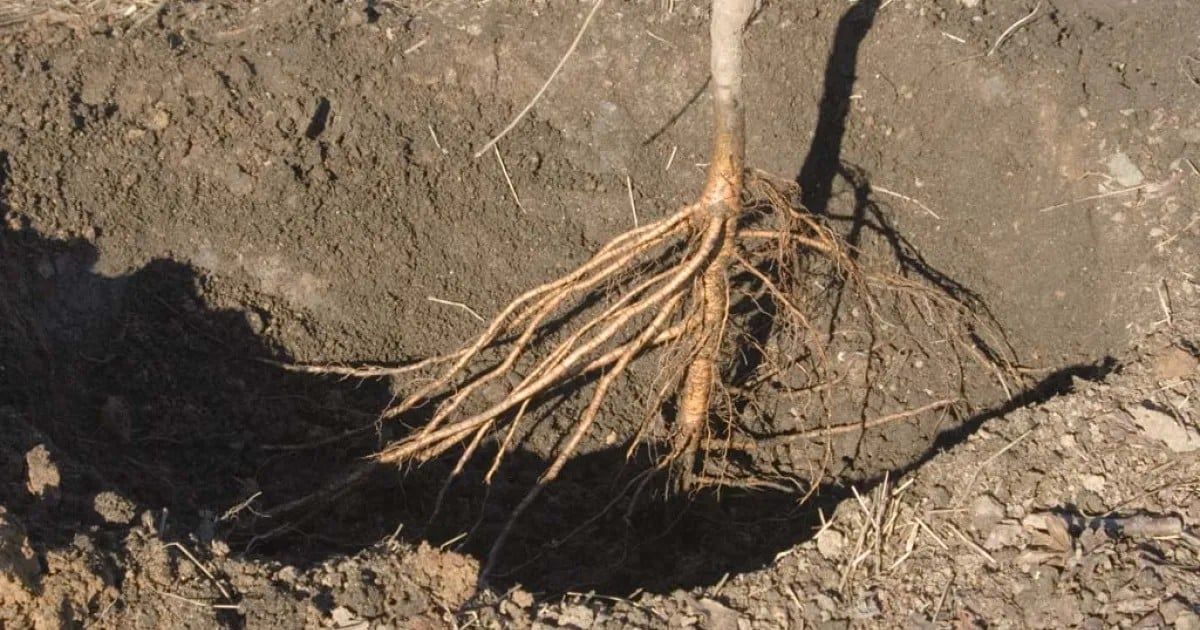
Because of our crazy weather this year, trees can be planted now. Dig a wide, dish-shaped hole, a little deeper than the height of the root system. Set the tree in the hole so that the point where the trunk flares into the roots is just below the soil surface. Spread the roots out and back fill the hole with native soil without amendments. If possible, put the trees on their own water system or hand water the trees deeply once a week through the season. Sprinklers set for lawn watering are not going to provide enough water to get down to the tree’s root system.
Comments are closed.