
AS WE MINCE through the last few weeks of winter, summer seems like a long way off. But the Pacific Northwest growing season begins long before warmth and sunshine arrive. So adopt a more expansive view of the gardening year (if you haven’t already) and reap more garden beauty and bounty. Oh, and I suggest you learn to love kale.
Western Washington enjoys a frost-free growing season that ranges between 150 days in Olympia to roughly 230 days in Seattle and Tacoma. We also have some of the longest hours of daylight in North America. However, you and I both know that heat can sometimes prove elusive.
Cool season crops such as lettuce, peas, onions and hearty greens — I see you, kale — grow best when temperatures land between 40 and the high 60s. Sweet peas, snapdragons, love-in-a-mist and other early season annuals also thrive in cool conditions before shutting down when summer heat arrives. In fact, no matter how anxious you are to get planting, tomatoes, squash, beans and other heat loving crops will sulk — and possibly stunt — if they are set into the garden before the weather is sufficiently warm.
It takes more than a couple of balmy days to raise soil temperature to 60 degrees, the ideal temperature for getting warm season vegetables off to a good start. This advice also holds true for heat-loving summer annuals like zinnias, dahlias and sunflowers.
Regional gardeners essentially have six months of cool-season growing: March through May and September to November. Considering the growing season math in that light, it makes sense to limit heat-loving crops to just half of your available planting space, leaving plenty of room to plant chard, kale, lettuce, peas and other crops that don’t mind the chill. Not only will spring plantings flourish on seasonal rain you’ll be harvesting delicious food months in advance of that first ripe tomato.
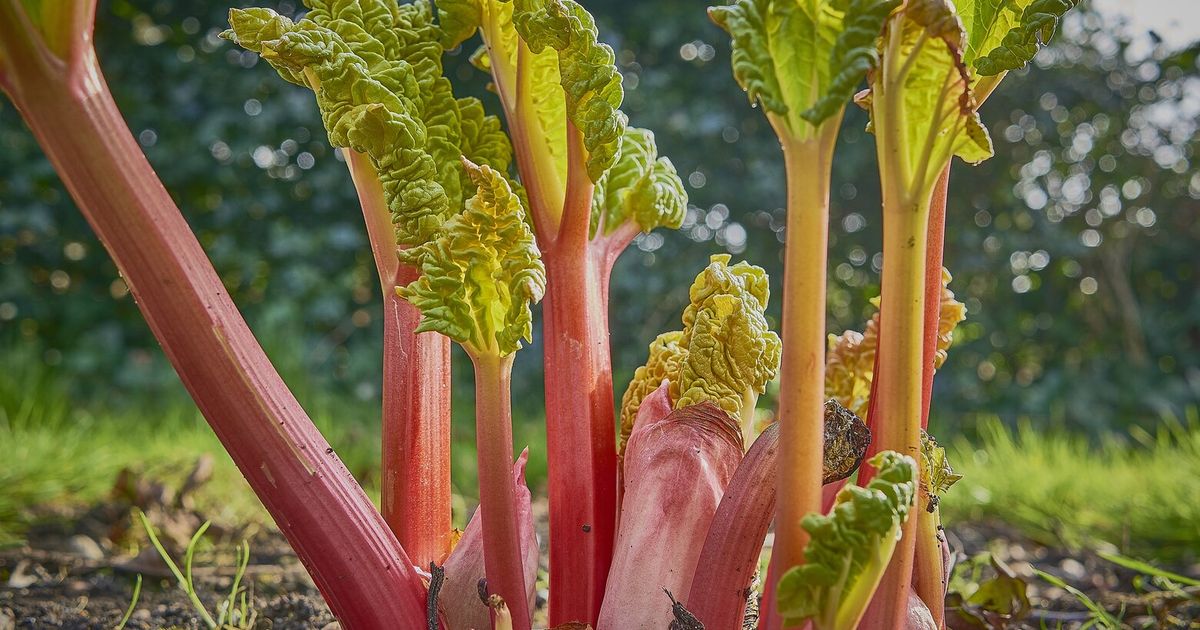
The chilly shoulders of the growing season, both spring and fall, aren’t only ideal for sowing cool-season crops; they’re also prime planting time for perennial crops. Such crops take longer to get established than plug-and-play annuals but will continue to produce year after year with relatively modest amounts of additional care. The rhubarb may come in a week or so late in an especially frigid season, but it will still be way ahead of tiny baby lettuces and pokey peas when it comes to producing garden fresh food.
Everything with weather comes down to a matter of degrees and all plants grow faster with heat. Just because you’re embracing the cool season doesn’t mean you can’t foster conditions to leverage every bit of warmth in the garden. For instance, well-drained soil in raised beds warms up more quickly than in ground plots. Then there’s the matter of microclimates, a localized pocket of unique weather modified by adjacent buildings, bodies of water, terrain and wind.
Cold air flows like water down a slope and pools at the bottom forming a frost pocket where winter may linger hours, days or weeks longer than a garden plot upslope. Installing a short wall, hedge, fence or other windbreak shelters young plants from chilling winds, while paved and masonry surfaces serve as heat banks, absorbing the warmth of the sun during the day and releasing it at night to keep adjacent garden beds a few degrees warmer.
Pro tip: Hold off on mulching beds until the soil starts to warm. Microclimate conditions vary from yard to yard, and they can even vary within a garden. To learn what part of your garden warms up first, note where the earliest weeds germinate. Go forth and start planting there.
Lorene Edwards Forkner is the author of the newly published “Grow Great Vegetables Washington.” Find her at ahandmadegarden.com and at Cultivating Color on Substack.
Comments are closed.