
Although they need to be replanted every year, annual flowers are a beautiful addition to the garden, offering season-long color and showy blooms that add height and texture to your landscape. However, when selecting varieties to plant, there are a few that gardening experts say to be wary of. From invasive self-seeders to varieties that are harmful to wildlife, these are the annual flowers you should avoid planting in your garden.
Tropical Milkweed
Credit:
Getty Images
Tropical milkweed (Asclepias curassavica) is often sold as an annual ornamental and monarch caterpillar host plant, but it’s best to avoid this species if you live in warmer growing zones. “In warmer climates, it does not die back in winter the way native milkweeds do. This can disrupt monarch migration patterns and contribute to the spread of a protozoan parasite that harms monarch butterflies,” says Mary Phillips, head of native plant habitat strategy at the National Wildlife Federation. “It may also encourage monarchs to breed year-round rather than follow their natural migration patterns.” Instead, she recommends growing a milkweed species native to your region.
Four O’Clocks
Credit:
Getty Images
Four o’clocks (Mirabilis jalapa) can become invasive in warmer zones through tuber persistence and prolific self-seeding, warns Ankit Singh, assistant professor and ornamental horticulture educator at the University of Maine Extension. “The plant spreads aggressively, and once established, removal requires excavation of fleshy roots,” he says, adding that it also attracts Japanese beetles in some regions.
Bachelor’s Button
Credit:
Queserasera99 / Getty Images
Bachelor’s button, also known as cornflower (Centaurea cyanus), is a non-native plant that can become a problem in gardens. Singh notes that this plant tends to self-seed aggressively. “In some regions, it behaves as a nuisance re-seeder, especially in unmanaged beds,” he says. “Once flowering is finished, plants decline quickly and can leave an untidy appearance unless succession-planted.” Phillips recommends growing native asters instead, as these provide essential nectar and host plant support for butterflies and moths.
Busy Lizzie
Credit:
Getty Images
Busy Lizzie (Impatiens walleriana) is known for its cheerful, long-lasting flowers that add color to gardens for weeks at a time. But before planting this bloom in your garden, be aware that it is highly susceptible to downy mildew. “Once introduced, the pathogen can persist in soil and plant debris,” says Singh. “In humid climates, plantings can collapse mid-season, leaving bare beds. Shade alternatives such as begonias or New Guinea impatiens are more reliable.”
Spider Flower
Credit:
Jacky Parker Photography / Getty Images
Spider flower (Cleome) is a striking annual plant that blooms from early summer until frost without much fuss, making it a popular option in low-maintenance gardens. “Although striking, it reseeds heavily and can become persistent in subsequent years,” says Singh. “The lower foliage often yellows and drops, leaving the stems bare. Some gardeners also object to the strong scent.”
West Indian Lantana
Credit:
Getty Images
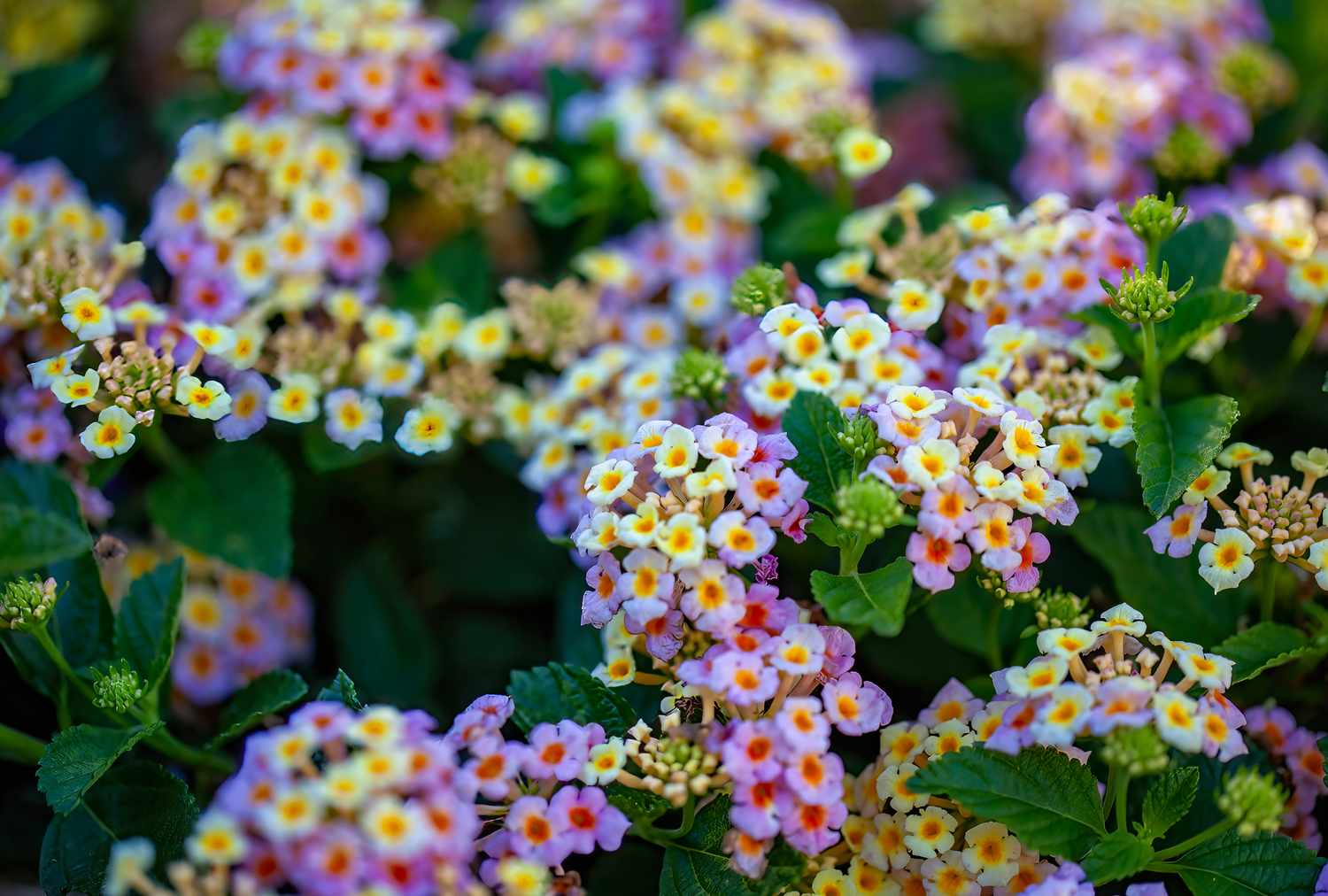
This lantana variety is a popular shrub-like annual grown for its color and heat tolerance, attracting pollinators to gardens across the south. However, Lantana camara is considered invasive in many warm climates, especially in the southeast and parts of the southwest. “It can spread aggressively, outcompeting native plants that wildlife depend on for food and shelter,” Phillips says.
Comments are closed.