

That brown, leafless plant you’ve been staring at all winter may not be gone; it may just be dormant. Before you pull it out and reach for a replacement, it’s worth taking two minutes to find out. The most common gardening mistake in late winter isn’t overwatering or underwatering. It’s discarding a perfectly healthy dormant plant.
What Does Dormancy Actually Mean for a Plant?
Image Credit: Shutterstock.
Dormancy is best understood as hibernation. The plant’s cells are alive, energy is stored in the root system underground, and the above-ground parts have simply shut down until conditions improve. It looks lifeless. It isn’t.
Death is different. When a plant dies, its cells die, and unlike dormancy, that state is permanent. No amount of water, warmth, or care will bring it back.
As master gardener Eric Preston Stout tells The Spruce, “All plants go dormant.” The difference lies in how obvious it looks. Deciduous plants are expected to look bare and brown through winter; that’s entirely normal. An evergreen showing the same symptoms is not normal and warrants a closer look.
It’s also worth knowing there’s a middle state many gardeners sense but rarely see described: a plant that is neither clearly dormant nor clearly dead, but struggling. The tests below will help you work out exactly where yours sits.
The Two Tests Every Gardener Should Know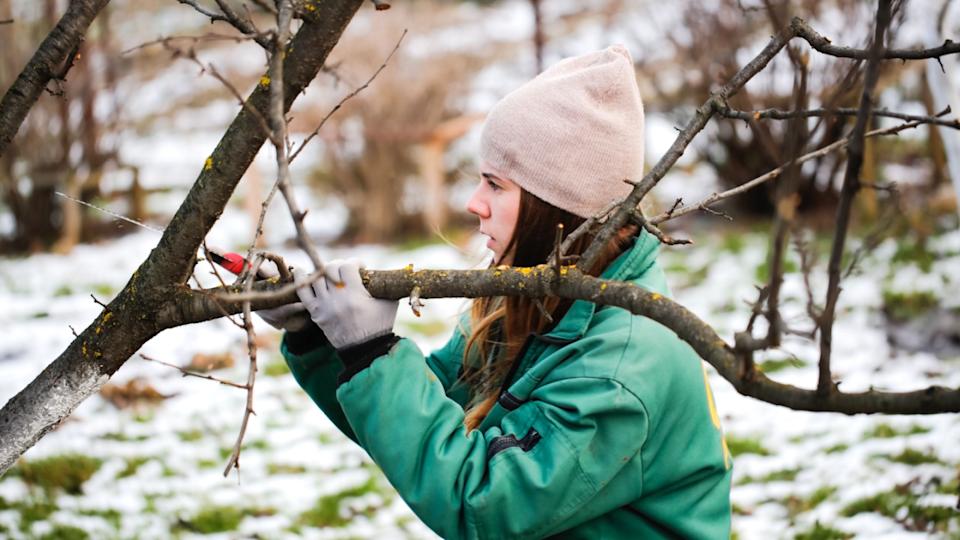
Image Credit: Shutterstock.
For woody plants like trees and shrubs, and semi-woody perennials like lavender, rosemary, and sage, two simple physical tests will give you a reliable answer.
The scratch test is the most widely recommended. Using a fingernail or the edge of a key, gently scrape a small patch of bark from a stem or branch. Green tissue beneath means the plant is alive. Brown and dry means that the section is dead. Yellow or pale green is a middle signal that the plant may be stressed by over- or underwatering, but it isn’t gone. As gardener Ish Kamran explains in Country Living, “If it’s green underneath, then this is perfectly fine — it’s just dormant.” Work from the top of the plant downward, testing in several spots. Dead upper branches don’t rule out living tissue below.
The bend test requires no tools at all. Gently flex a stem: if it bends without breaking, it’s alive; if it snaps cleanly, especially if it feels hollow, that section is dead. Hollow twigs are a reliable additional signal that a branch has lost viability.
For herbaceous perennials, plants without woody stems, neither test applies in the same way. For these, patience is the only real tool. Their survival happens underground, and there’s nothing to scratch or bend above the soil.
What Dead or Dormant Looks Like Plant by Plant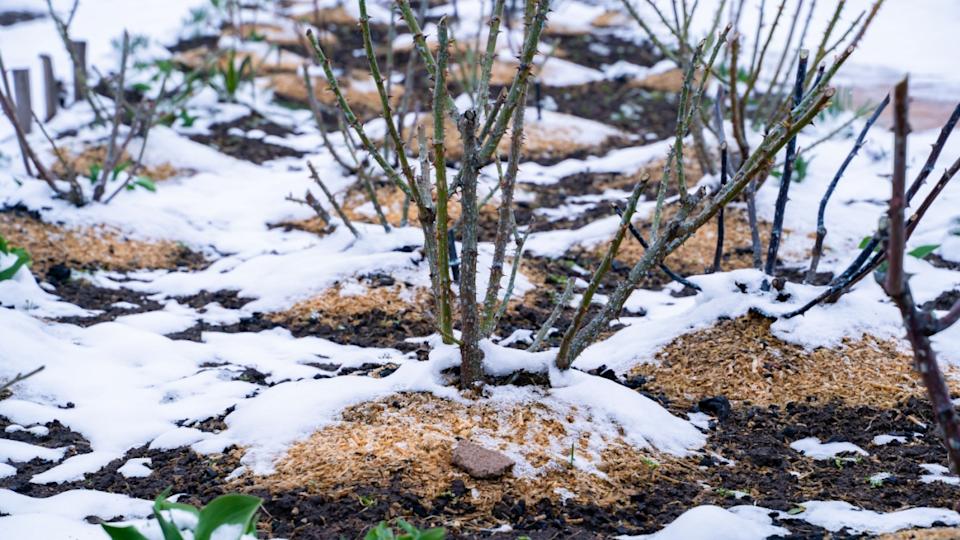
Image Credit: Shutterstock.
General tests are useful, but knowing what to expect from specific plants removes much of the anxiety.
Fuchsias are a die-back type and will often look completely spent by late winter. Hollow stems are a concern, but don’t give up without scratching low on the stem; life sometimes persists well below where it appears to end.
Roses and ornamental grasses almost always look dead in late winter, and seldom are; watch for new buds on rose canes and fresh growth from the base of grasses.
Hibiscus, buddleia, wisteria, perovskia, and rudbeckia are naturally late emergers. According to Steven Engel of PanAmerican Seed, writing in Southern Living, these plants can show life two to four weeks after everything else in the garden has started growing. Don’t mistake timing for failure.
Succulents and snake plants communicate health through leaf firmness; mushiness at the base signals rot rather than dormancy.
Ferns tell their story at the crown; look for tiny new fronds beginning to unfurl before assuming the worst.
Sure Signs Your Plant Is Dead, Not Just Dormant
Image Credit: Shutterstock.
Patience is often the right call, but some signs are definitive.
According to Stacey Hirvela, horticulturist for Proven Winners Color Choice Shrubs, writing in Southern Living, clear signs of death include mushiness in the crown or roots, the center of a rosette-forming plant pulling free, and the plant lifting cleanly out of the ground when gently tugged. Other indicators include mushy, foul-smelling roots; no response to watering as spring progresses; blackened leaves or secondary branches; and heavy spider webs across the plant’s structure.
One clarification on rapid browning: if your plant was green recently and has suddenly turned brown, that can feel alarming, but dormancy onset can happen quickly after a sharp temperature drop. Rapid browning alone isn’t a verdict. Scratch before you conclude.
When to Wait, and How Long Is Too Long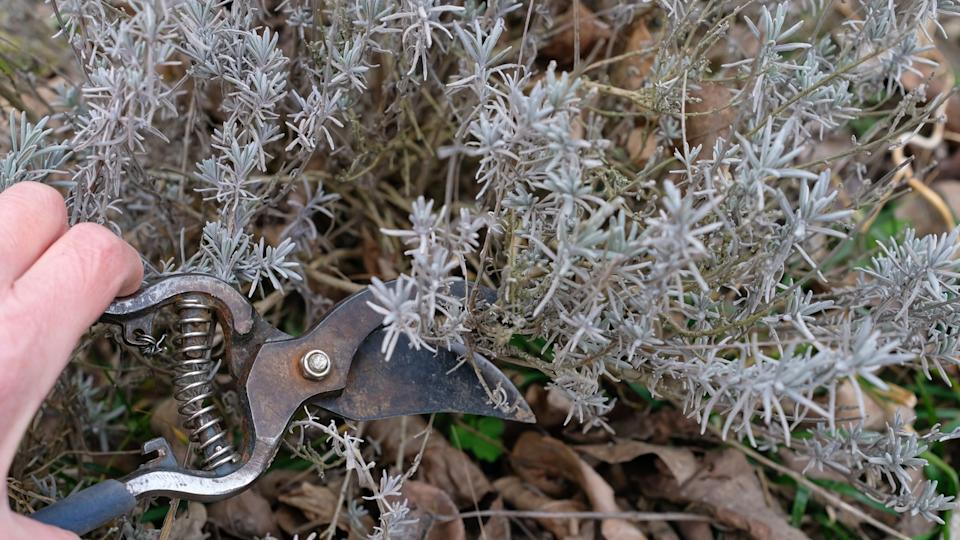
Image Credit: Shutterstock.
For herbaceous perennials, waiting is the only option. A plant severely set back by a harsh winter will take longer to emerge; that delay is not a death sentence.
Hold off until at least mid-May in most areas, or early to mid-June in colder climates, before removing a plant you’re unsure about. As Hirvela notes in Southern Living, “Just because a plant is very late to emerge doesn’t mean it won’t recover quickly and vigorously once it does.”
A useful calibration: look at what’s happening around the suspect plant. If the whole garden is running late, it’s a slow season — not a dead plant. If everything else is thriving and yours alone is inactive, that’s a more meaningful signal worth acting on.
Scratch Before You Pull
Image Credit: Shutterstock.
The garden rewards patience more reliably than intervention. A scratch test and a few weeks of watching costs nothing and saves many plants that might otherwise have been lost. Most plants that look dead in late winter are simply resting — storing everything they need for a season that hasn’t quite arrived yet.
When in doubt, scratch before you pull.
Read more
9 unforgettable US botanical gardens worth traveling for
The Best Free Garden Planning Tools for 2026 (No Subscriptions Required)
Comments are closed.