
Image Credit: Shutterstock.
The garden has always belonged to women, and yet, for most of recorded history, the world arranged things as though it hadn’t. Women weeded the estates of the wealthy without credit, designed in private, wrote under scrutiny, and were turned away from institutions that could have formalized what they already knew. On International Women’s Day, it seems right, and long overdue, to name those female gardening pioneers properly.
These are the women who didn’t just tend gardens. They transformed them.
Why Their Legacy Matters More Than We Realize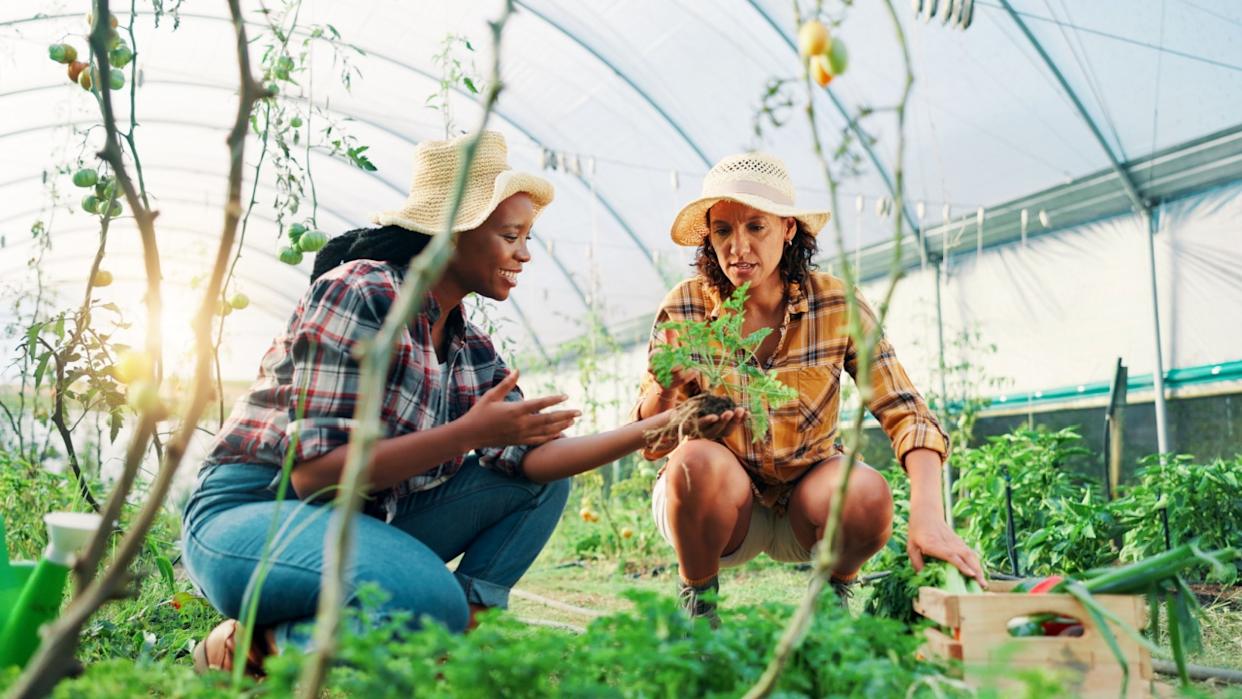
Image Credit: Shutterstock.
The names that fill gardening textbooks are overwhelmingly male. And yet it was women who were planting, experimenting, writing, and building the visual and ecological vocabulary of the modern garden, often without institutional support, formal training, or equal pay.
In the UK, women were not formally admitted to horticultural training until 1878. In the US, they were excluded from public landscape design commissions until after World War II. Today, women still represent just 24.5% of employed landscape architects in the United States. The history is recent. The work to correct it is ongoing. But the gardens? The gardens endure.
Gertrude Jekyll: The Woman Who Painted Gardens Like a Canvas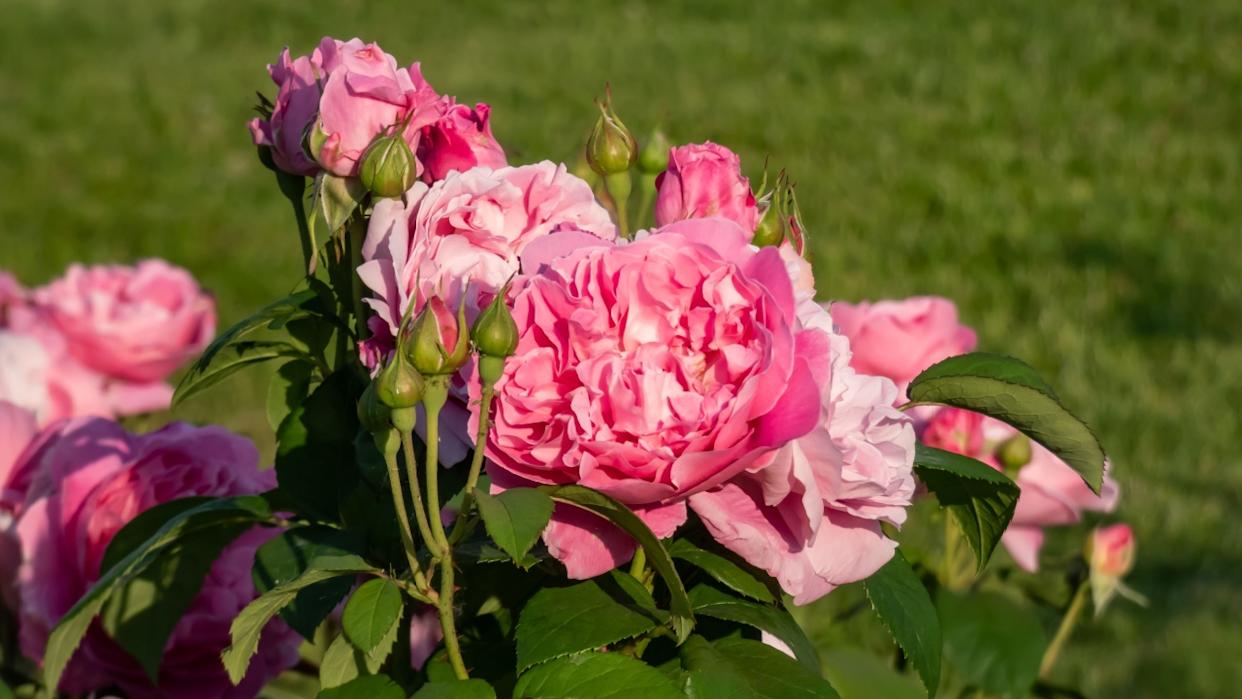
Image Credit: Shutterstock.
No figure appears more consistently in the story of garden design than Gertrude Jekyll (1843–1932). Trained as an artist and shaped by the Impressionists, she brought a painter’s sensibility to planting, massing flowers in broad, informal drifts of color that moved fromcool to warm, creating what she described as “a series of pictures.”
Over her career, Jekyll designed more than 400 gardens across England, Europe, and North America, and authored over 15 books alongside thousands of magazine articles. Her nearly 25-year partnership with architect Edwin Lutyens produced over 100 houses and gardens that came to define the Edwardian English country style: formal structure softened by exuberant, naturalistic planting. Jekyll believed gardening could “rightly claim to rank as a fine art.”
In later life, as her eyesight failed, she compensated by developing an extraordinary sensitivity to texture, form, and light, and that loss deepened the art. Her former home, Munstead Wood in Surrey, was acquired by the National Trust in 2023 and is now open to the public. More than a century after her death, her approach remains the reference point for the English garden.
Vita Sackville-West: The Garden Rooms of Sissinghurst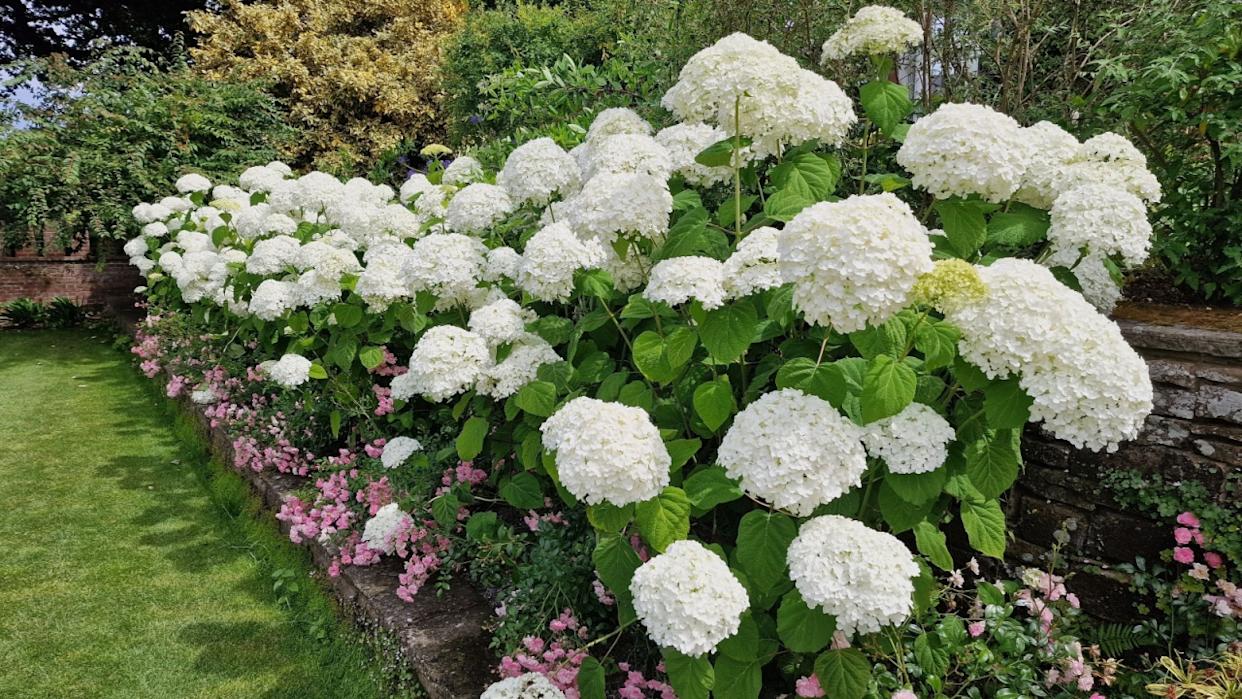
Image Credit: Shutterstock.
Vita Sackville-West (1892–1962) was, first and foremost, a writer. A poet and novelist of real reputation, she was not a trained horticulturalist, and that is precisely what makes her achievement at Sissinghurst Castle Garden so remarkable.
When she and her husband, Harold Nicolson, purchased a neglected Kentish farmstead in 1930, they created a garden that has since become one of the most visited in the world. The formal structure of “garden rooms” was Harold’s, though the planting was entirely Vita’s: romantic, generous, and unapologetically abundant. “My liking for gardens to be lavish is an inherent part of my garden philosophy,” she once wrote. “I hate to see things scrimp and scrubby.”
As Gardens Illustrated observes, her color-themed planting and the concept of the White Garden “has probably spawned more imitators in more countries than any designer, before or since.” Sissinghurst now draws over 200,000 visitors a year. Walk through the White Garden in June, and you are standing inside a vision that one woman had and made real.
Beth Chatto: The “Right Plant, Right Place” Ecological Revolution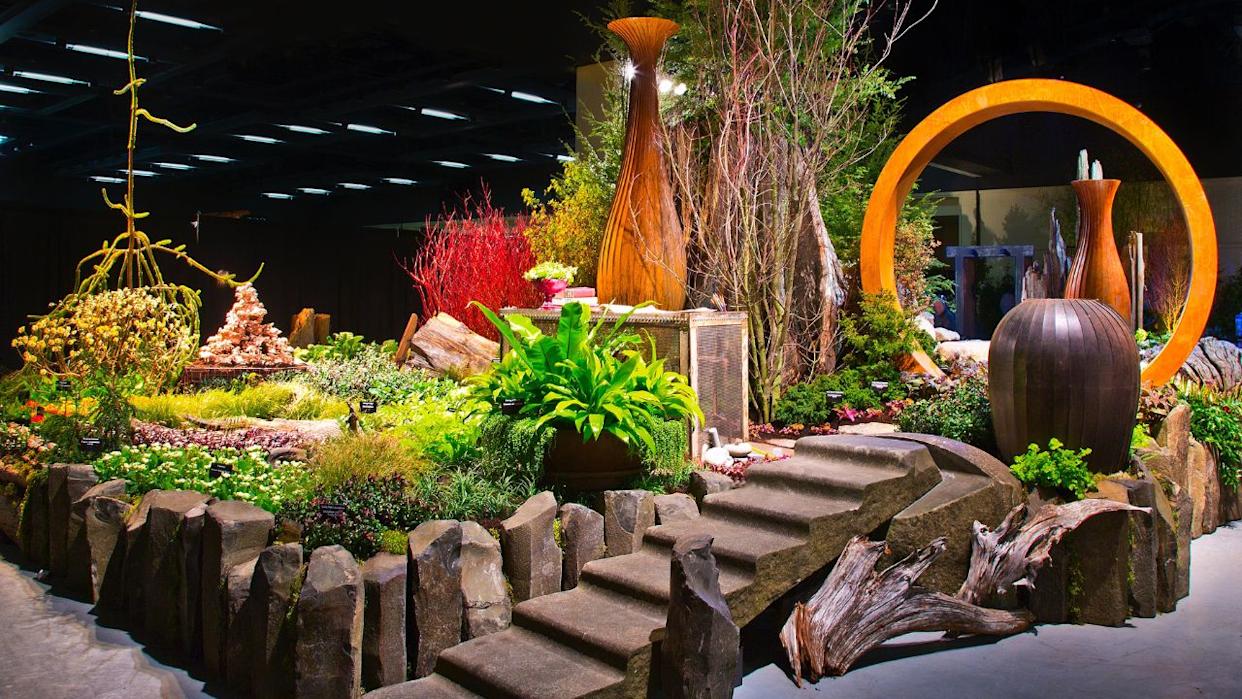
Image Credit: Courtneygoetz – Own work, CC BY-SA 4.0.
If Gertrude Jekyll gave the English garden its aesthetic language, Beth Chatto (1923–2018) gave it its ecological conscience. Her guiding principle of “right plant, right place” sounds deceptively simple. Its implications were radical.
After moving to a challenging farmland site in Essex with poor, dry soil, Chatto set out to prove that a great garden could be made by working with a site’s conditions rather than overriding them. She assembled an extraordinary collection of plants suited to difficult environments and won 10 consecutive Gold Medals at the RHS Chelsea Flower Show, at a time when nurseries typically arranged plants for visual spectacle, regardless of ecological logic.
Her gravel garden, built on a former car park on one of England’s driest patches of ground, is her most celebrated experiment. It has never been irrigated. Country Living describes her “right plant, right place” mantra as “a touchstone for millions of gardeners”, and as climate change makes drought-tolerant planting increasingly urgent, her influence grows. Beth Chatto’s Gardens in Essex remain open to visitors.
The Women America Forgot to Credit
Image Credit: Shutterstock.
Across the Atlantic, women were shaping the American landscape with equal determination and similar resistance.
Beatrix Farrand (1872–1959) was the only woman among the founding members of the American Society of Landscape Architects, designing 110 gardens, including Dumbarton Oaks in Washington, D.C., and the White House Rose Garden.
Lady Bird Johnson (1912–2007) used the visibility of the White House to champion native plants, inspiring the planting of around two million daffodils in Washington, D.C., and founding the National Wildflower Research Center in Texas in 1982, now a landmark resource for native plant conservation.
Rachel Carson (1907–1964) never designed a garden, but her 1962 book *Silent Spring* changed how a nation gardened, with her research directly contributing to the U.S. ban on DDT in 1972. She protected all gardens, not just her own.
The Women History Nearly Forgot
Image Credit: Shutterstock.com.
The most famous names are only the beginning.
Fanny Wilkinson (1855–1951) was the first woman to seek entry at the Crystal Palace School of Landscape Gardening in 1878. She persisted, qualified, and went on to design 75 parks and green spaces across London, many of which survive today.
Wangari Maathai (1940–2011) founded Kenya’s Green Belt Movement in 1977, mobilizing rural women to plant trees as acts of both environmental repair and political empowerment, work that earned her the Nobel Peace Prize in 2004 and influenced community gardening movements worldwide.
Anne Spencer (1882–1975) created a garden in Lynchburg, Virginia, that became a gathering place for Harlem Renaissance thinkers, including Langston Hughes and Martin Luther King. For Spencer, to garden was to insist on beauty in defiance of everything designed to diminish her.
These women didn’t make the same headlines as men. But the seeds they planted are still growing.
Their Legacy, Still Being Written
Image Credit: Shutterstock.
The story isn’t finished.
Arit Anderson, who left a 25-year career in fashion to win multiple RHS Chelsea awards and present Gardeners’ World, now uses her platform to speak openly about the inequalities that persist in horticulture. Sarah Eberle has won more than 19 Gold Medals at Chelsea, more than any other designer in the show’s history. Charlotte Harris designed the first wheelchair-accessible show garden in Chelsea’s history in 2023.
The lineage is unbroken, from the weeding women of Tudor estates to the designers reshaping public space today. This March, as women gardeners plan borders and choose seeds, they are joining this legacy. Gertrude Jekyll’s drifts of color. Vita Sackville-West’s billowing White Garden. Beth Chatto’s patient gravel garden. Lady Bird Johnson’s two million daffodils.
These women didn’t wait for permission. Neither, on reflection, should we.
Read more
9 unforgettable US botanical gardens worth traveling for
The Best Free Garden Planning Tools for 2026 (No Subscriptions Required)
Comments are closed.