
Q: What deer-resistant pollinator-friendly perennials will grow in hot, dry places in Duluth?

A: What a fun question. I’m going to give you a longer list, but first a cautionary note and a few highly recommended plants.
The cautionary note is that there is no such thing as 100% deer-resistant. If deer are hungry enough, they will eat almost anything. When I took the master gardener courses years ago, we heard the story of a homeowner who sliced up and scattered some Irish Spring soap to try to keep deer away from her bird feeder. She went inside, looked out the window and saw deer approach the feeder and eat the soap.
That said, there are plants deer are less likely to eat, and many of those plants will grow in hot, dry conditions and will provide nectar and pollen for pollinators. Some will provide foliage for the caterpillars of butterflies and moths to eat.
At the top of my list would be these:
Yarrow (Achillea millefolium) is a tough, pretty plant with interesting foliage and bright flowers. There’s some debate about whether it’s native to Minnesota. The possibly-native variety has white or pinkish flowers, but you can get varieties in a number of colors and heights. It likes hot sunny spots. Its blooms may not last long, but it’ll make more all summer long. It attracts butterflies and provides food for native bees such as carpenter bees and sweat bees.
Liatris, also called gayfeather or blazing star, will tolerate dry conditions once it is established, but you may have to water it during its first year. In late summer, it makes spikes of blue flowers that attract all kinds of pollinators. Liatris aspera (rough blazing star) is native to Minnesota, as are four other species. You can also get cultivars that have deep purple or white flowers.
Rudbeckia (black-eyed Susan) makes a great show late in the summer. It attracts native bees, butterflies and moths, and its seeds provide food for birds. Some varieties don’t live for many years, but they will reseed freely. You can also collect the seeds and grow more plants to put where you like.
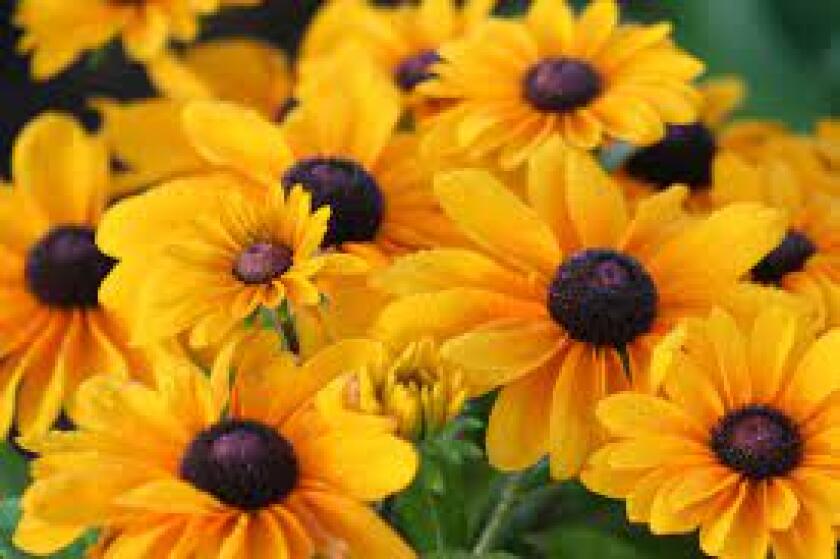
Black-eyed Susan are among the native plants that are generally deer-resistant and also provide food for birds in Minnesota.
Contributed / North Carolina State University Extension
Anise hyssop is a native flower that is very popular with pollinators and very easy to grow. Maybe too easy. I planted some years ago and still find it coming up all over my yard. It makes spikes of blue flowers 2 to 4 feet tall.
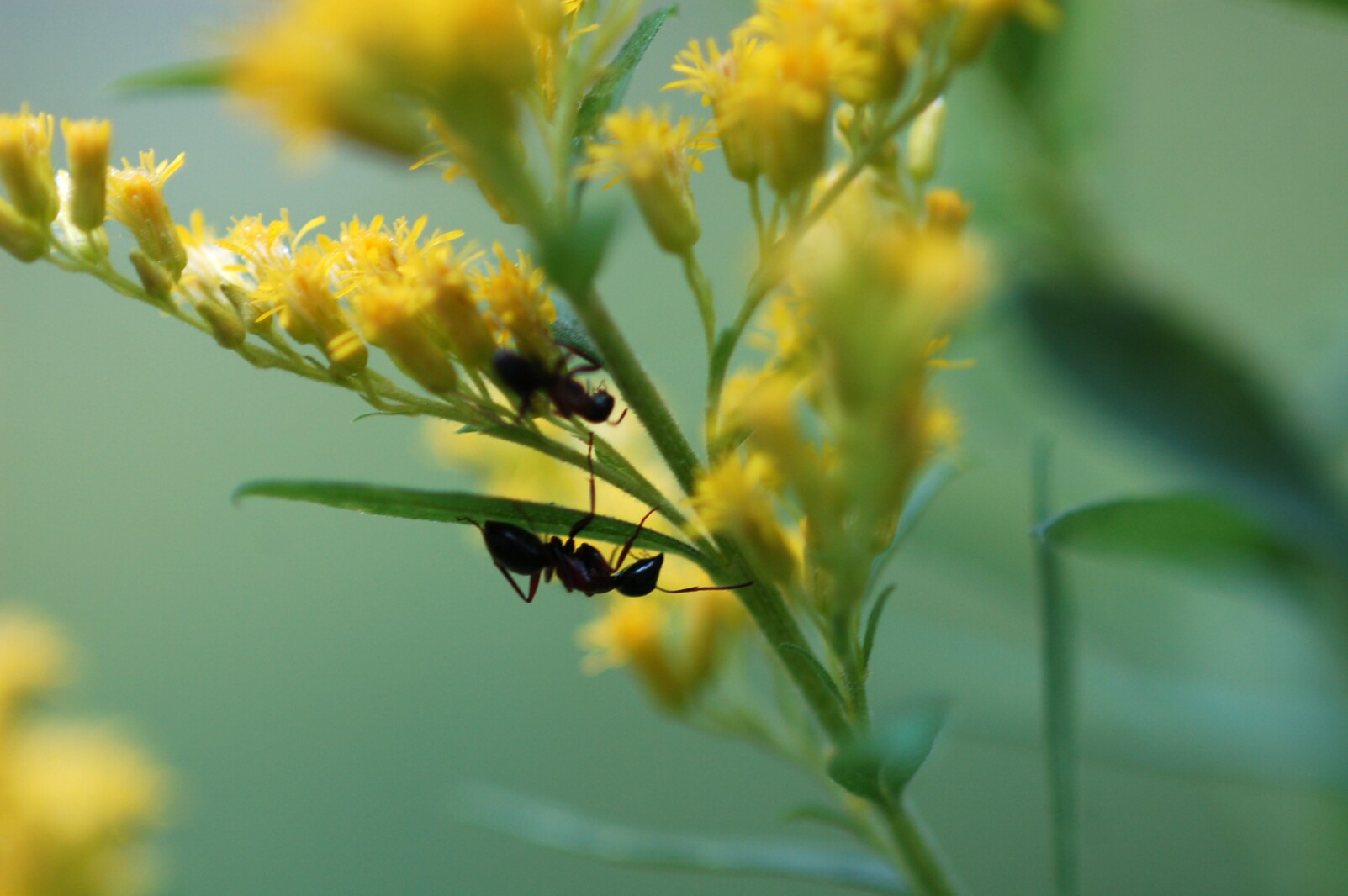
Goldenrod gets a bad reputation because people mistakenly think it causes fall allergies. The actual culprit is ragweed, which blooms at the same time. Goldenrods are native, beautiful and beloved by pollinators. Goldenrods tolerate poor soil and will take the hot dry conditions your site is dishing out. Some varieties of goldenrod spread aggressively, but some are better behaved. Some are short and some are tall. Check the characteristics of the plants or seeds you buy to make sure they suit your site.
Purple coneflower (Echinacea purpurea) is a lovely perennial that likes hot, dry sites. It provides food for pollinators and seed for birds. It has a reputation for being deer resistant because of its rough, fuzzy foliage.
Some other possibilities:
Catmint does well in hot dry conditions once it is established, and it’s such a gratifying plant to grow. Some varieties have pretty, silvery foliage. Catmint flowers from mid-summer to fall. If you cut it back after it first flowers, it will produce more blooms.
Lupine might be a fun choice. I’d suggest finding sundial lupines (lupinus perennis), which are native to Minnesota. The tall lupines (lupinus polyphyllus) you see blooming along North Shore roadsides are native to the west, not here, and they are aggressively spreading here. I also don’t love them in the garden because after they bloom, they tend to look pretty ratty. The native sundial lupines are shorter, more like 7 inches. They are a crucial host plant for an endangered butterfly, the Karner Blue.
Baptisia, or false indigo, is deer resistant and easy to grow. It makes stalks of flowers that grow in clumps. Many varieties are blue but it also comes in yellow. Baptisia tolerates poor soils, fixes nitrogen, and provides food for sturdy bees such as bumblebees that can push their way into its flowers. I think of it as a good substitute for Russian sage. You could also try Russian sage. I see it in thriving other Duluthians’ gardens but I’ve always had trouble getting it to survive.
Allium is a striking flower, with a globe of flowers growing at the end of a stalk. If you grow it, people who walk by your yard will ask you what it is. Different varieties are different sizes and colors, and some are truly enormous. Allium is planted as a bulb in the fall and blooms in late spring or early summer. It is often recommended in areas where deer are a problem and has a reputation for being both deer and rabbit resistant because of its oniony smell. Even so, one master gardener tells me the deer bit the flower heads off of hers last year and left them lying in the garden.
And still more plants that fit your criteria:
Pearly everlasting (Anaphalis margaritacea)Blanket flower (Gaillardia)Lavender (choose cold-hardy varieties)Speedwell (Veronica)Perennial bachelor’s buttons (Centaurea)Threadleaf coreopsisGolden Marguerite (Anthemis tinctoria)Rock cress (Arabis caucasica)Butterfly weed (Asclepius tuberosa)Globe thistle (Echinops ritro)Sea holly (Eryngium)Lamb’s ear (Stachys byzantina)Garden thyme (Thymus vulgaris)Sea lavender (Limonium)Basket of gold (Aurinea)Penstemon (beardtongue)
You don’t say what kind of soil you have in your hot, dry site. Some of these plants are more suited to sandy sites and some to more loamy sites. Some tolerate clay better than others. So before you plant, it’s worth having a soil test to determine what kind of soil you have. And then it’s worth making sure the perennials you’d like to plant will do well in that soil type.
One other thought: Many plants are more vulnerable to deer when they are young. You may want to use temporary fencing and/or spray with a repellent made from egg putrescence until new plants are established.
Comments are closed.