
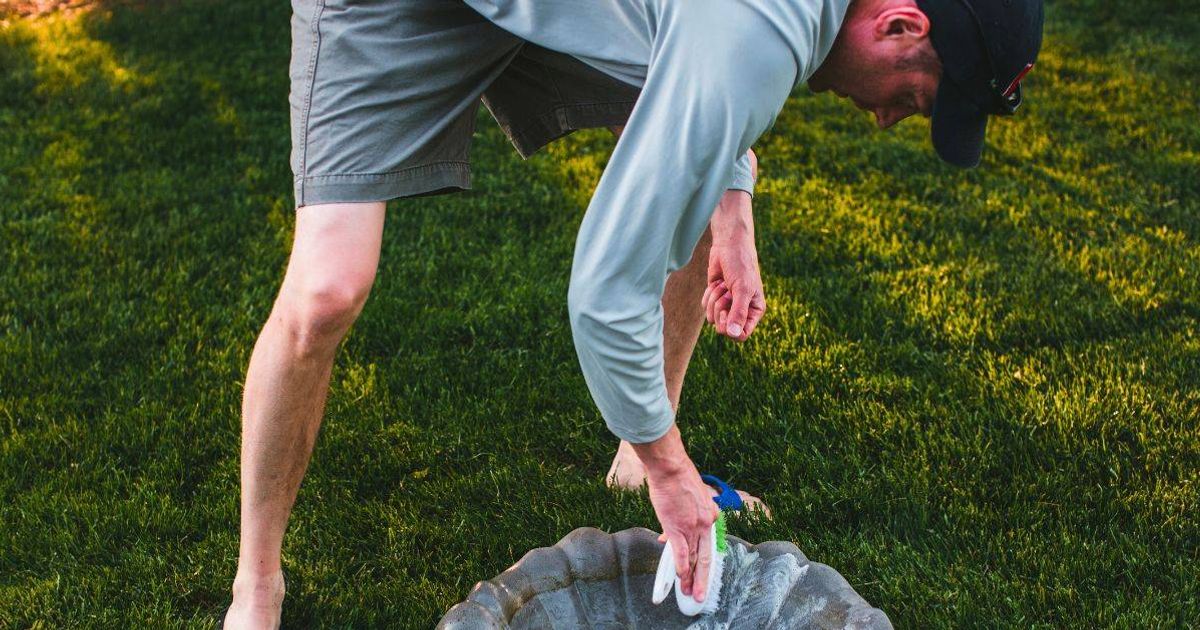
If you own a birdbath, then it is important to check up on it now as they can easily make birds sick if you neglect them after winter.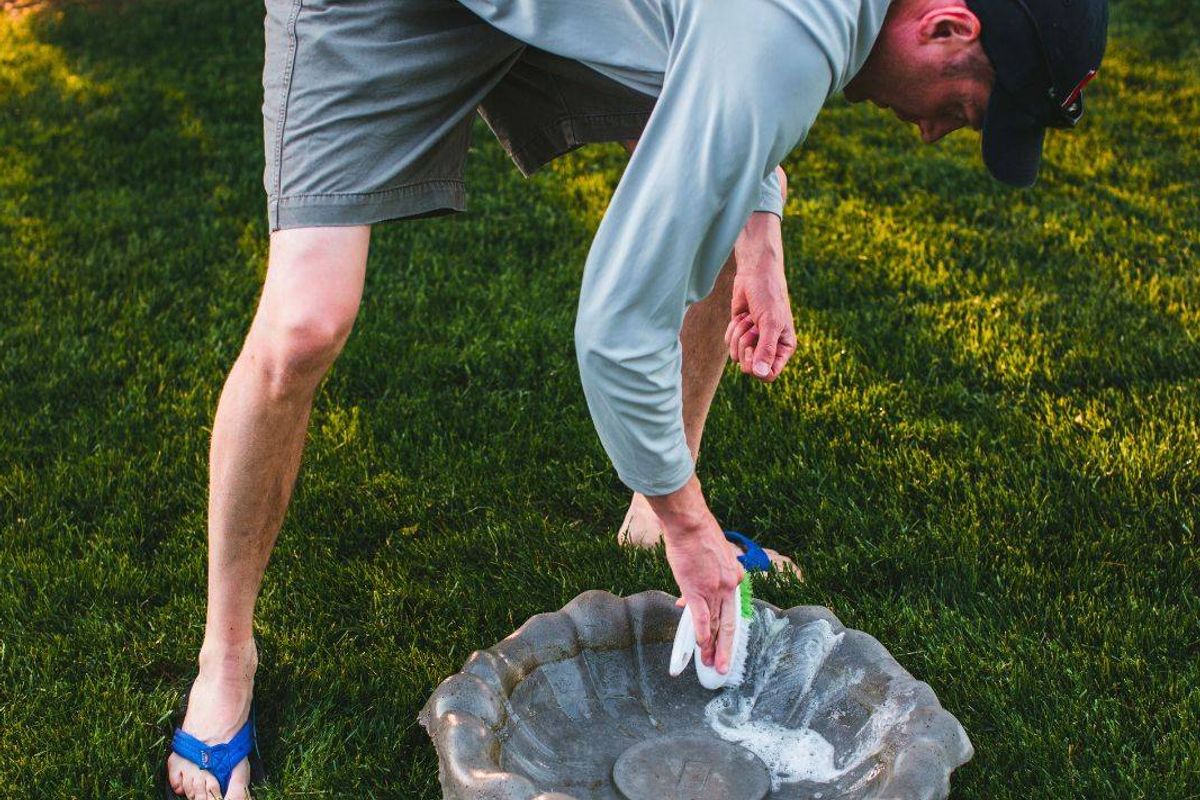
White vinegar is the best product to clean a birdbath as it is non-toxic and antibacterial(Image: Getty)
Having a birdbath is the most crucial way to support birds during winter, providing them with water when ponds and puddles have frozen over. However, with spring just a few weeks away, gardeners need to be aware that unclean birdbaths can make birds ill or even prove fatal at this time of year.
Bacterial growth tends to decelerate in cold weather, but as temperatures rise, germs, algae and even mould will proliferate rapidly in stagnant water. Tracy Crosland, a gardener known online as Hey Honeysuckle, has shared that attracting birds to your garden can be “as simple as cleaning the birdbath”, as they won’t drink from dirty water.
It’s important to note that most cleaning products are unsuitable for birdbaths, as they can leave a residue harmful to birds, and vinegar is a much easier alternative.
Tracey stated: “Vinegar is a great natural cleaning agent for your birdbath…and is safe for your birds. I always make sure I rinse well after cleaning. And I don’t dump straight vinegar into my soil. Instead, I water it down considerably before dumping.”
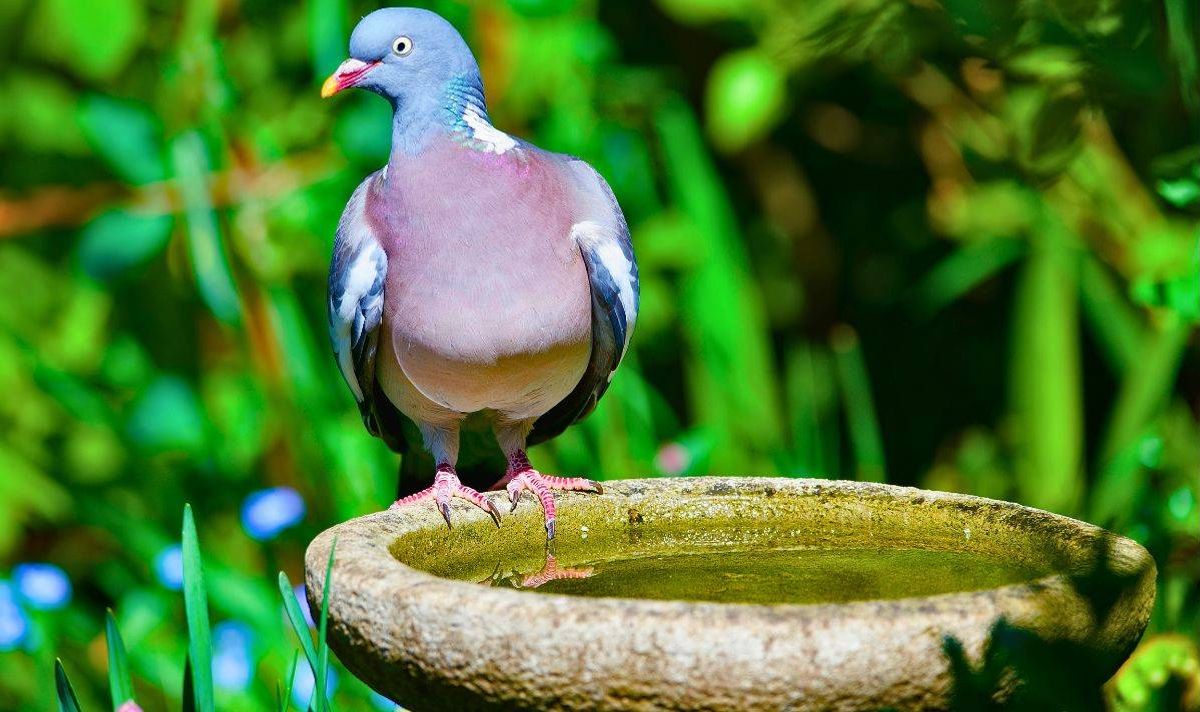
Birdbaths often become overgrown with algae during the winter months, which can harbor and spread disease among birds in the spring(Image: Getty)
Vinegar is non-toxic, making it safe to use around animals, but it’s also highly acidic, so it will dissolve algae and other grime without much effort, reports the Express.
It’s also antibacterial, so it can eliminate germs, destroy mould spores, and help deep-clean a birdbath without resorting to a harsher product like bleach.
Birdbaths ought to be cleaned at the beginning of March, just as peak bird season commences, as they’ll be more drawn to gardens when insects and seeds begin emerging.
A neglected birdbath filled with winter debris can turn into a breeding ground for diseases such as Salmonella, which can rapidly spread and damage your local wildlife population.
How to clean a birdbath correctly
It’s remarkably straightforward to clean a birdbath, and it should take approximately 10 to 15 minutes, as all you require is a bottle of white vinegar, which can typically be found in the condiment aisle of a supermarket.
Simply empty all the water from the birdbath and clear away any debris, such as leaves or twigs. Then, use a hose or a bucket of water to rinse the birdbath and eliminate any algae accumulation.
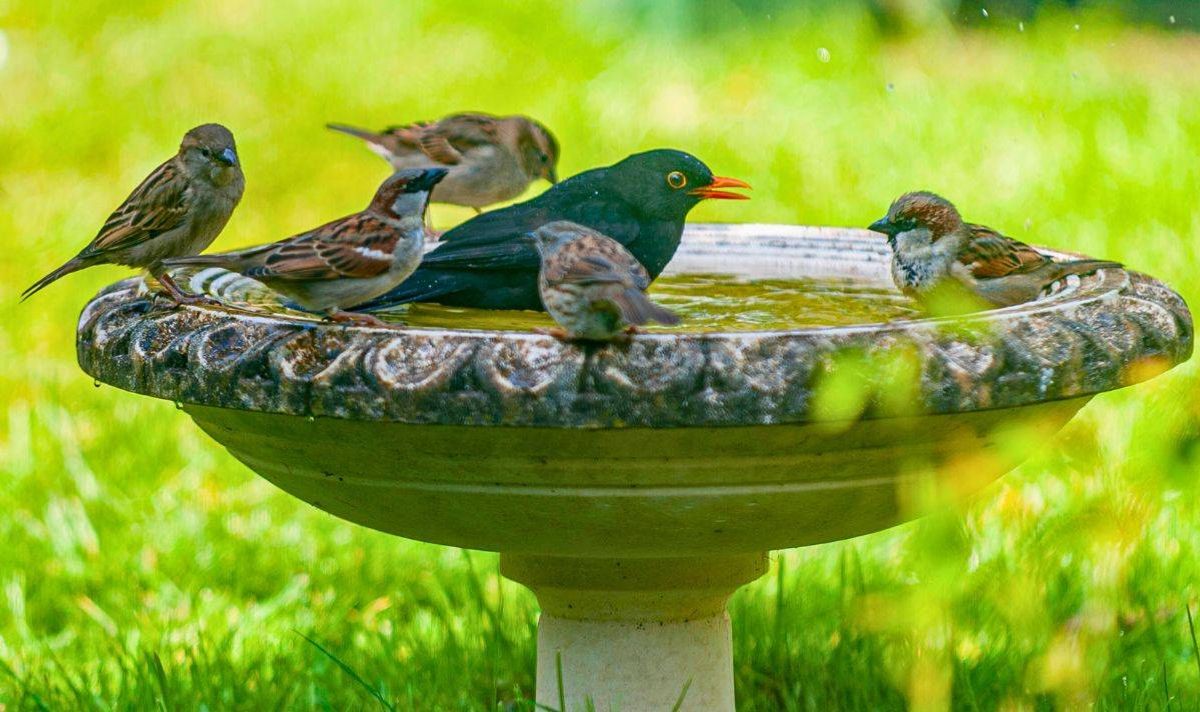
Anyone with a birdbath needs to pour 1 simple item in it before spring begins(Image: Getty)
Next, combine one part vinegar to three parts warm water in a bucket. Pour the mixture into the birdbath and use a sponge to gently scrub the surface.
If your birdbath is especially dirty, pour some vinegar directly over the bowl, leave it for 10 minutes, and then scrub once more. The white vinegar will have broken down much of the build-up, making cleaning simpler.
Finally, rinse the birdbath several times with clean water until there’s no longer any scent of vinegar. You’ll then have a sparkling birdbath, ready to be refilled for spring.
Comments are closed.