
With a recycled jug, a little soil and a few seeds, spring might be closer than it feels.At the greenhouse at City Natives in Mattapan, urban grower Lacey Berg demonstrates a simple, low-cost way to give plants a head start while winter still lingers: winter sowing in a plastic milk jug, a kind of do-it-yourself mini greenhouse.”It’s exactly like a greenhouse,” Berg explains. “The light goes through this translucent plastic and gets trapped inside, creating a warm microclimate for those seeds.”Here’s how you can do it at home.What You’ll NeedA clean, empty milk jug Screwdriver Duct tape Pre-moistened potting soil Seeds Water Permanent markerFor her demonstration, Berg chooses swamp milkweed — a Massachusetts native plant known for its supportive relationship with a favorite insect.”They’re known for their relationship with monarch butterflies,” she says, holding up the seeds.Step-by-Step: Make Your Mini GreenhousePrep the Jug Start by poking a hole near the top of the milk jug. Then cut almost all the way around the middle, leaving a small section uncut to act as a hinge.2. Add Drainage Use a screwdriver to poke several drainage holes in the bottom of the jug. This prevents the seeds from sitting in excess water.3. Add Soil Fill the bottom half with pre-moistened potting soil.4. Plant Your Seeds Scatter several seeds across the surface.“The rule is generally, however wide the seed is, that’s how deep it should be planted,” Berg explains. Sprinkle soil on top to lightly cover them and gently press it down.5. Water and Label Give the seeds a gentle watering.Write the name of the plant on the cap — and on the outside of the jug as well.6. Seal It Up Close the jug and secure it with duct tape.Your mini greenhouse is ready.What Can You Grow Now?Winter sowing works especially well for cold-hardy crops and native plants.Berg is already thinking ahead to early spring greens like:LettuceCollard greens Broccoli Other hardy, leafy greensBut warm-season crops need patience.”Things like squash, tomatoes, and peppers won’t be happy if it dips below 40 or 50 degrees,” she explains. “You want to wait so they aren’t overgrowing their container before you can get them in the garden.”The spirit of early planting and community growing will be on full display March 21, when The Trustees of Reservations hosts the 50th annual Gardeners Gathering at the Curry Student Center at Northeastern University.This milestone event brings together gardeners, urban agriculture enthusiasts, land preservation advocates and community organizers for a full day of workshops focused on gardening and food security, along with the highly anticipated City Garden Awards, presented by Boston Mayor Michelle Wu. For five decades, the Gardeners Gathering has celebrated the people who grow food, cultivate green spaces and strengthen neighborhoods across Boston.For Berg, the connection between growing plants and building community is simple.”Seeds are so magical,” she says. “They’re these tiny little packets that contain everything they need to grow a whole life — and provide more food and more seeds.”
BOSTON —
With a recycled jug, a little soil and a few seeds, spring might be closer than it feels.
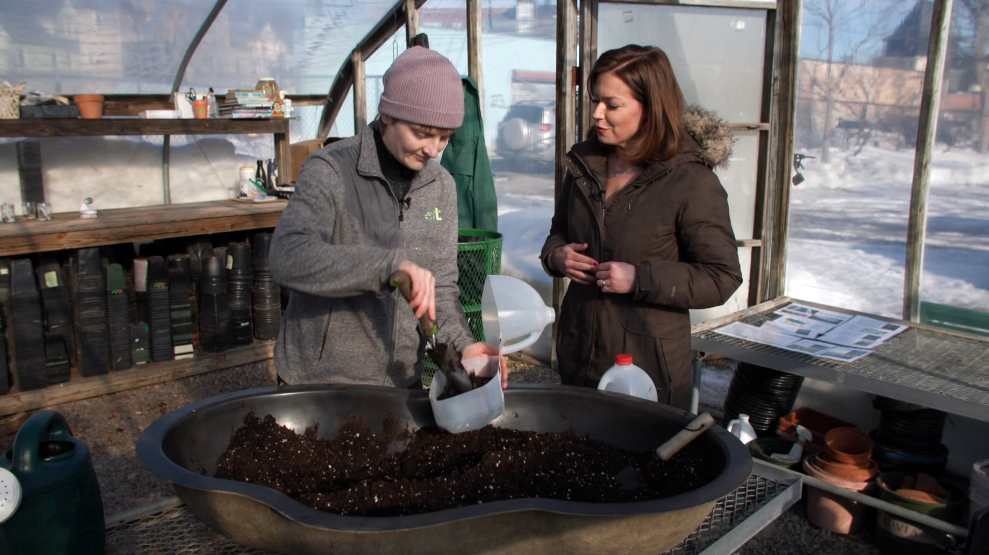
At the greenhouse at City Natives in Mattapan, urban grower Lacey Berg demonstrates a simple, low-cost way to give plants a head start while winter still lingers: winter sowing in a plastic milk jug, a kind of do-it-yourself mini greenhouse.
“It’s exactly like a greenhouse,” Berg explains. “The light goes through this translucent plastic and gets trapped inside, creating a warm microclimate for those seeds.”
Here’s how you can do it at home.
What You’ll Need
A clean, empty milk jug Screwdriver Duct tape Pre-moistened potting soil Seeds Water Permanent marker
For her demonstration, Berg chooses swamp milkweed — a Massachusetts native plant known for its supportive relationship with a favorite insect.
“They’re known for their relationship with monarch butterflies,” she says, holding up the seeds.
Step-by-Step: Make Your Mini Greenhouse
Prep the Jug
Start by poking a hole near the top of the milk jug. Then cut almost all the way around the middle, leaving a small section uncut to act as a hinge.
2. Add Drainage
Use a screwdriver to poke several drainage holes in the bottom of the jug. This prevents the seeds from sitting in excess water.
3. Add Soil
Fill the bottom half with pre-moistened potting soil.
4. Plant Your Seeds
Scatter several seeds across the surface.
“The rule is generally, however wide the seed is, that’s how deep it should be planted,” Berg explains. Sprinkle soil on top to lightly cover them and gently press it down.
5. Water and Label
Give the seeds a gentle watering.
Write the name of the plant on the cap — and on the outside of the jug as well.
6. Seal It Up
Close the jug and secure it with duct tape.
Your mini greenhouse is ready.
What Can You Grow Now?
Winter sowing works especially well for cold-hardy crops and native plants.
Berg is already thinking ahead to early spring greens like:
LettuceCollard greens Broccoli Other hardy, leafy greens
But warm-season crops need patience.
“Things like squash, tomatoes, and peppers won’t be happy if it dips below 40 or 50 degrees,” she explains. “You want to wait so they aren’t overgrowing their container before you can get them in the garden.”
The spirit of early planting and community growing will be on full display March 21, when The Trustees of Reservations hosts the 50th annual Gardeners Gathering at the Curry Student Center at Northeastern University.
This milestone event brings together gardeners, urban agriculture enthusiasts, land preservation advocates and community organizers for a full day of workshops focused on gardening and food security, along with the highly anticipated City Garden Awards, presented by Boston Mayor Michelle Wu.
For five decades, the Gardeners Gathering has celebrated the people who grow food, cultivate green spaces and strengthen neighborhoods across Boston.
For Berg, the connection between growing plants and building community is simple.
“Seeds are so magical,” she says. “They’re these tiny little packets that contain everything they need to grow a whole life — and provide more food and more seeds.”
Comments are closed.