
Editor’s note: The opinions of the smart, well-read women in my Denver book club mean a lot, and often determine what the rest of us choose to pile onto our bedside tables. So we asked them, and all Denver Post readers, to share their mini-reviews with you. Have any to offer? Email bellis@denverpost.com. – Barbara Ellis
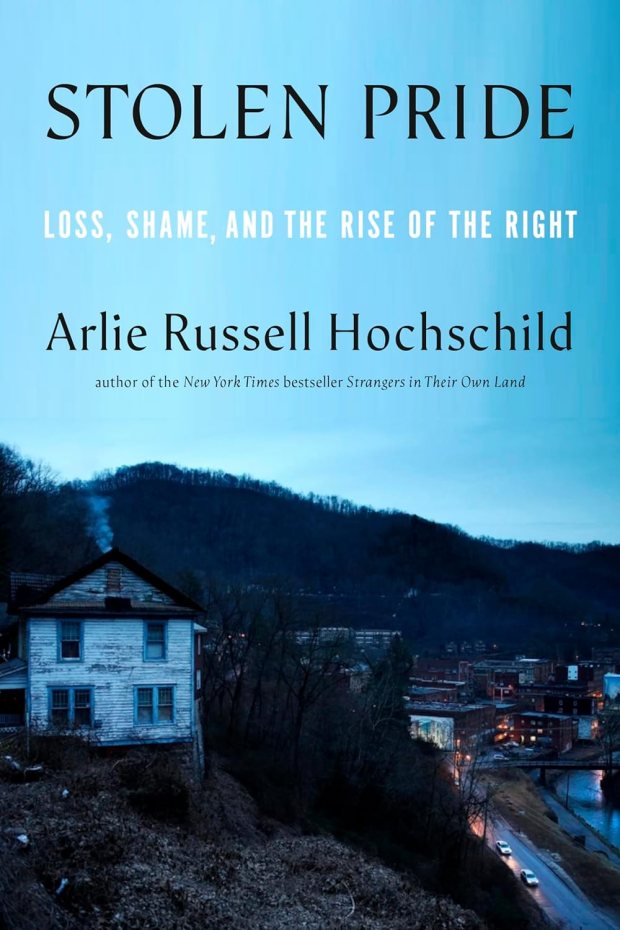
“Stolen Pride: Loss, Shame and the Rise of the Right,” by Arlie Russell Hochschild (The New Press, 2024)
 “Stolen Pride: Loss, Shame and the Rise of the Right,” by Arlie Russell Hochschild (The New Press, 2024)
The author interviewed dozens of people in Kentucky’s 5th Congressional District to learn their “pride biographies,” from community and religious leaders to felons and recovering addicts, across all socio-economic strata. This poor, largely rural area embodies the losses seen in many regions of this country: loss of economic drivers (e.g., closure of the coal mines), the incursion of drugs leading to the opioid crisis, a loss of hope and, most tellingly, the loss of opportunity to achieve the American dream. These losses feel compounded by others’ gains (e.g., women’s rights, civil rights, immigrants’ achievements), leading to what the author calls a “pride paradox,” a feeling of shameful responsibility for failing to achieve the American dream. Hochschild goes on to show how right-wing politicians have capitalized on these feelings of lost pride and mounting shame, offering up a “good bully” to defend them. Intriguing and insightful. — 3 stars (out of 4); Kathleen Lance, Denver
“The Place of Tides,” by James Rebanks (Mariner Books, 2024)
Farmer and writer Rebanks’ previous book, “English Pastoral,” a memoir about his family’s British farm, won the Wainwright Prize for Nature Writing in 2021. This time, looking for a way out of his dispirited exhaustion, the author is spending a spring season off the coast of Norway to work with Anna, a “duck woman” who has devoted much of her life to helping endangered eider ducks and gathering their down. For four months on a rocky windswept island, he watches and, insofar as Anna will allow him, helps as she assiduously prepares hundreds of sheltered nests exactly the way the ducks want them, prays the ducks will come, guards them from predators when they do, collects their down as it accumulates, and does everything she can to assure each duck finds its way safely back to the water. A restorative, even life-changing season for the author (and for this reader). — 4 stars (out of 4); Michelle Nelson, Littleton
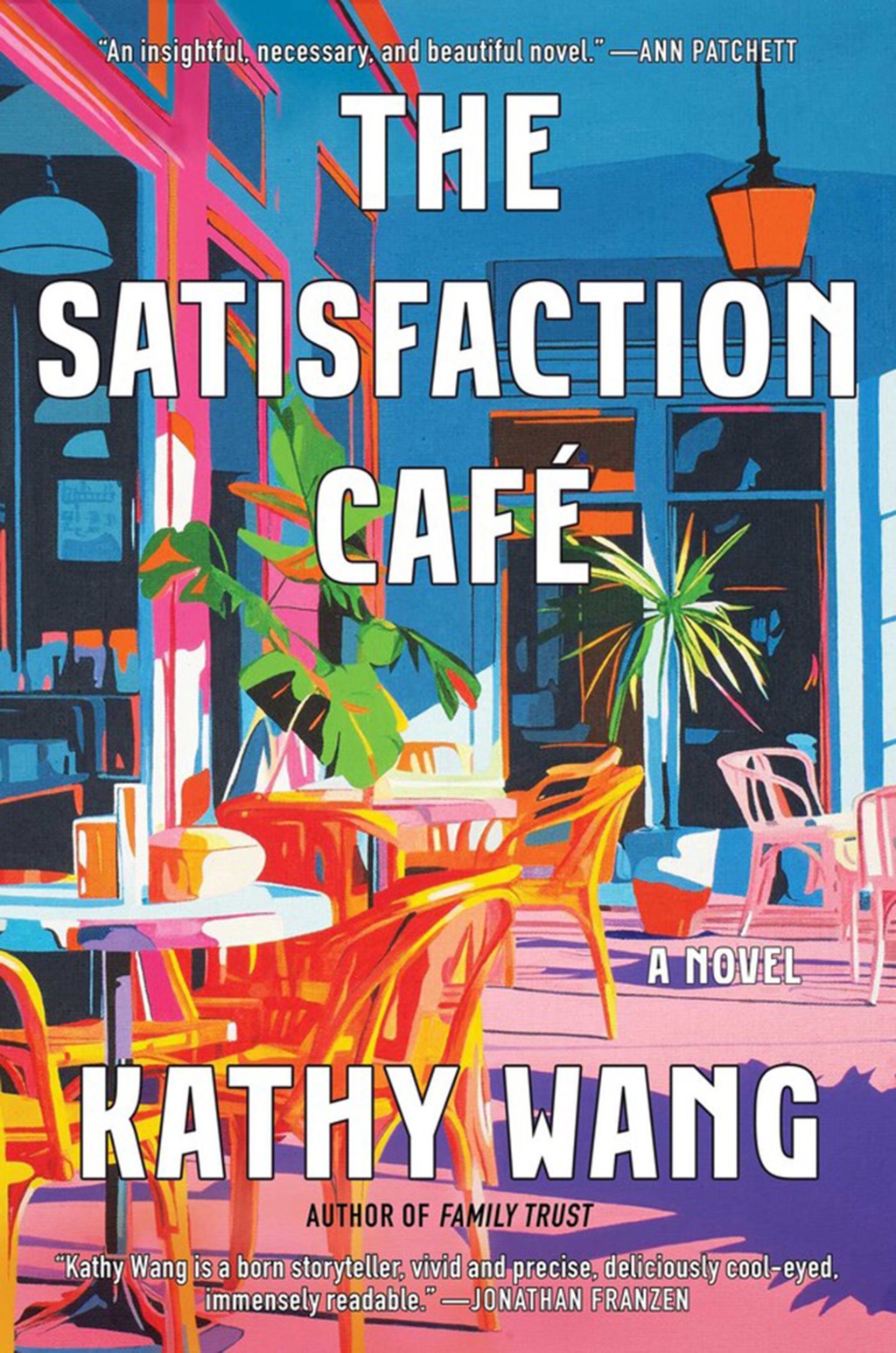
“The Satisfaction Cafe,” by Kathy Wang (Simon & Schuster, 2025)
Joan, the only daughter of a Taiwanese family, ends up being sent by default to the U.S. to study, after each of her brothers flames out at home. Joan eventually weds an older, wealthy American, has a child, takes in an abandoned niece to raise and lives the American dream. After her husband dies, Joan slowly finds her own identity and realizes her own dream to open a cafe where lonely people can find interesting conversation and good food – the eponymous Satisfaction Cafe. Only when Joan herself dies does her family realize her worth and the impact of her love. A satisfying read. — 3 stars (out of 4); Kathleen Lance, Denver
“Klara and the Sun,” by Kazuo Ishiguro (Vintage, 2021)
 “Winter Garden,” by Kristin Hannah (St. Martin’s Press, 2010)
Labelled as dystopian science fiction, this tale of an engineered, living girl doomed to be a second-class, second-rate citizen in the near future. Pledged forever to serve a human girl, Josie, which she does most willingly, Klara learns to function at the highest level, rescues her human several times (as well as Josie’s mother and boyfriend). The themes are eternal: What is it to be “human”? What is the true nature of love? What is and can be a “god figure?” The personalities of humans and nonhumans are most skillfully drawn, and the emotions conveyed through the story ring absolutely true. Almost incidentally, the reader comes to realize that Klara’s every thought and action convey her non-humanity, leaving the reader wishing humans could be as thoughtful and good as Klara. — 4 stars (out of 4); Bonnie McCune, Denver (bonniemccune.com)
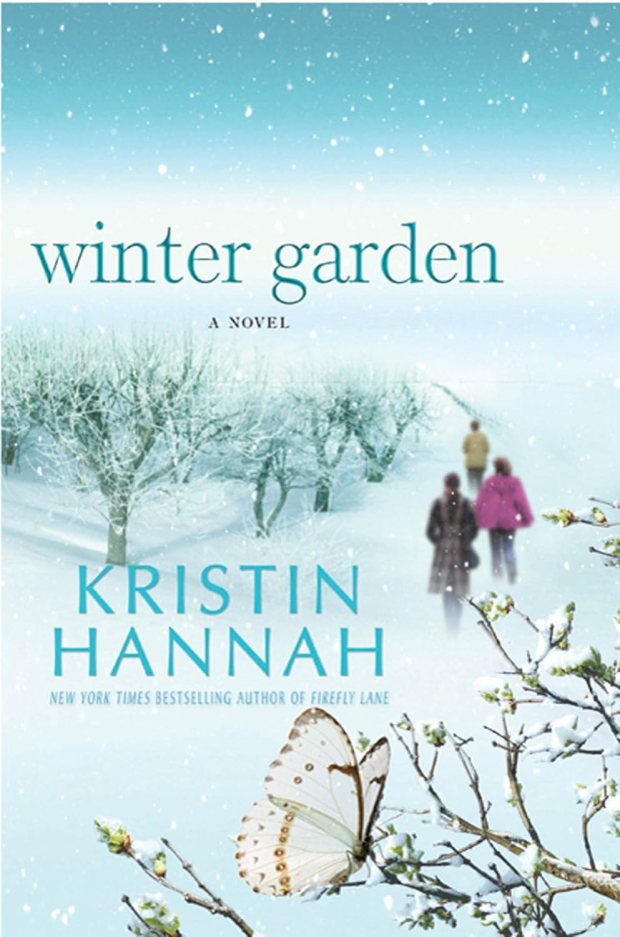
“Winter Garden,” by Kristin Hannah (St. Martin’s Press, 2010)
It is estimated that the 1941 siege of Leningrad (now called St. Petersburg) by German and Finnish forces killed more than a million Russian citizens. For more than 2 years, bombs fell, families were torn apart and people starved and froze to death. This is the tale of Veronika (Vera, later known as Anya), a Russian woman who made it through those dark days but was left deeply scarred. What it cost her to survive and make a new life in Washington state was something she would struggle with her entire life. Decades later, her two American daughters take her on an Alaskan cruise, seeking to discover her secrets, and why their mother was either unwilling or unable to form a loving bond with her children. An evocative, haunting tale of generational trauma for those who made it through the coldest winter on record in Leningrad, where temperatures dropped to 40 below. — 3 stars (out of 4); Karen Goldie Hartman, Westminster
Subscribe to our weekly newsletter, In The Know, to get entertainment news sent straight to your inbox.
Comments are closed.