
Text to Speech audio articles made possible on the CAST11.com podcast network by Fain Signature Group.
Ken Lain, the Mountain Gardener, shares how to transform an ordinary Prescott yard into a hummingbird haven filled with color, motion, and life. He explains that attracting these energetic pollinators requires more than a simple feeder, guiding gardeners to plant nectar-rich, tubular blooms that fuel their fast beating wings. From mountain tough favorites like salvia, penstemon, and agastache to flowering trees and layered shelter plantings, Ken highlights the best performers for Arizona’s high desert climate. With practical advice on water features, safe pest control, and season-long bloom care, he shows how to create a living oasis that keeps hummingbirds returning day after day.
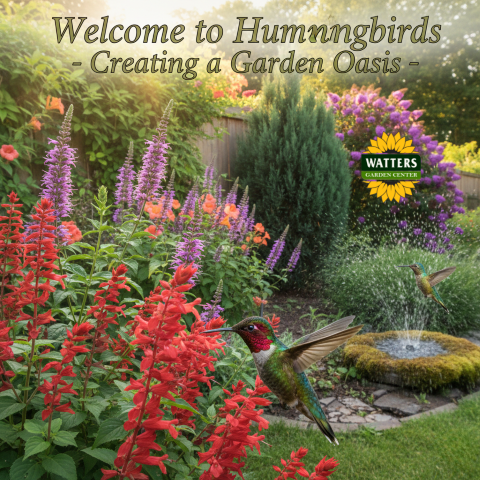
There is a specific kind of magic that settles over a garden when the hummingbirds arrive. One moment, you’re sipping your morning coffee in the quiet, and the next, a shimmering blur of iridescent green and ruby-red zips past your ear with that unmistakable high-speed drone. These tiny creatures are the ultimate garden guests—energetic, beautiful, and surprisingly feathery bundles of personality.
But hummingbirds are more than just a delight to watch; they are hard-working pollinators with incredibly high metabolisms. To keep those wings beating at upwards of 50 times per second, they need a serious amount of fuel. If you want them to choose your yard as their primary residence, you need to offer more than just a plastic feeder filled with sugar water. You need to grow a living, breathing oasis.
The Anatomy of a Hummingbird Flower
To attract these “flying jewels,” you have to think like one. Hummingbirds have long, slender bills and even longer tongues, allowing them to reach nectar that bees and butterflies simply can’t get to. They are naturally drawn to tubular or trumpet-shaped flowers.
While the color red is the famous “neon sign” that signals a hummingbird dinner is served, they aren’t strictly colorblind to other colors. They are attracted to the high nectar content found in oranges, deep pinks, and even purples. The key is to plant in sweeps or drifts. A single plant might be overlooked, but a large splash of color acts as a beacon that can be seen from high above.
Top Performers for the High Desert and Mountains
In our unique climate, we need plants that are as tough as they are beautiful. Here are my “Top 10” recommendations for a hummingbird’s favorite buffet:
Agastache (Hummingbird Mint): The name says it all. These plants produce spikes of tubular flowers in sunset colors. They are drought-tolerant and have a licorice-and-mint aroma.
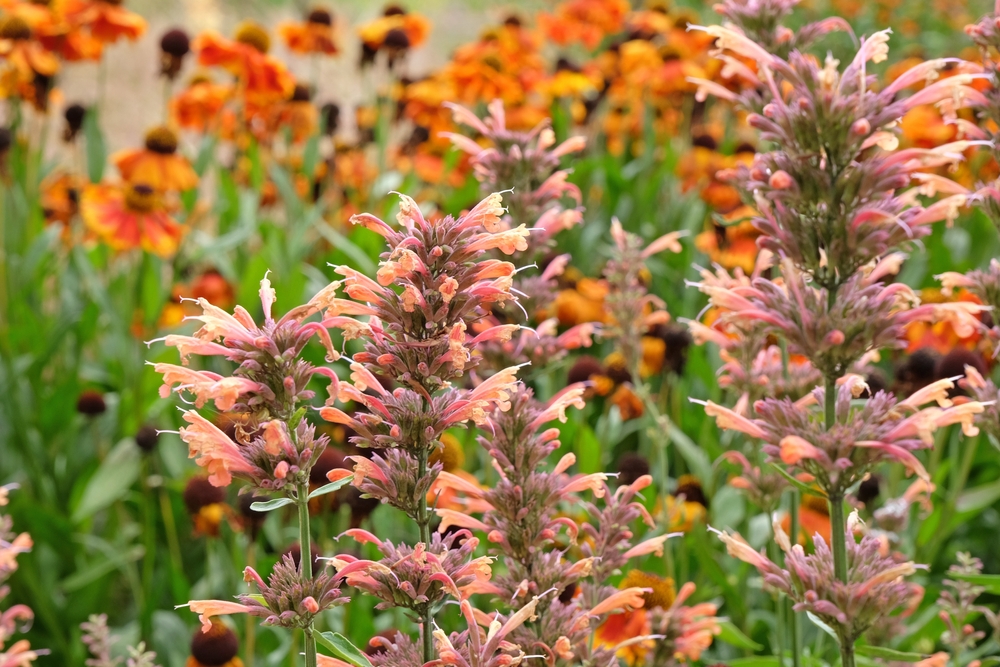
Agastache (Hummingbird Mint)
Salvia (Autumn Sage): Specifically, Salvia greggii. These woody perennials bloom from spring until the first hard frost.
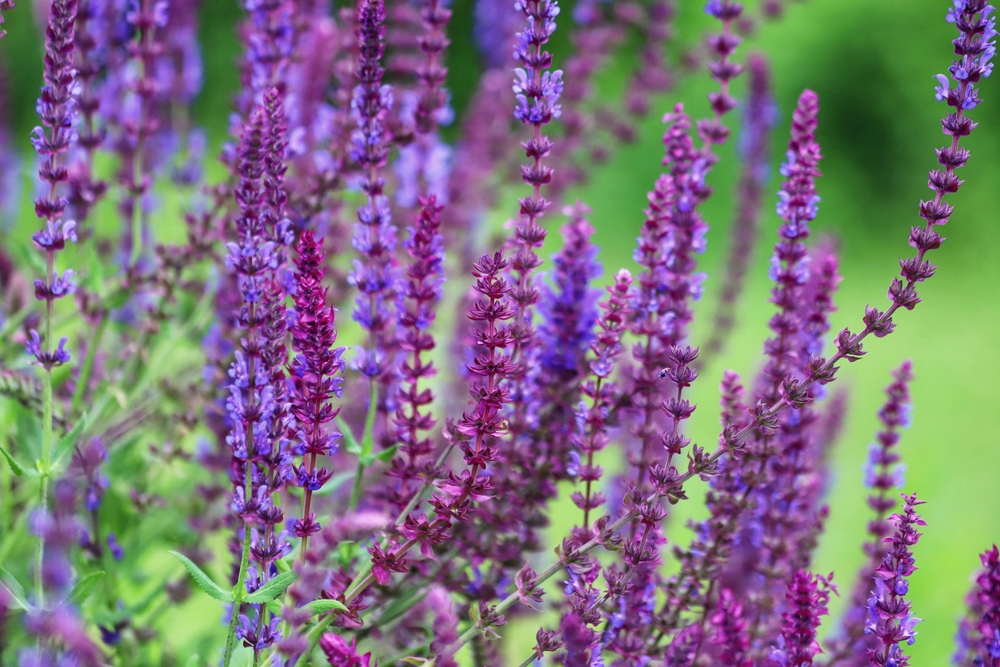
Salvia (Autumn Sage)
Penstemon (Beardtongue): A native powerhouse. Varieties like ‘Firecracker’ or ‘Rocky Mountain’ provide early-season nectar when hummingbirds first arrive from their migration.
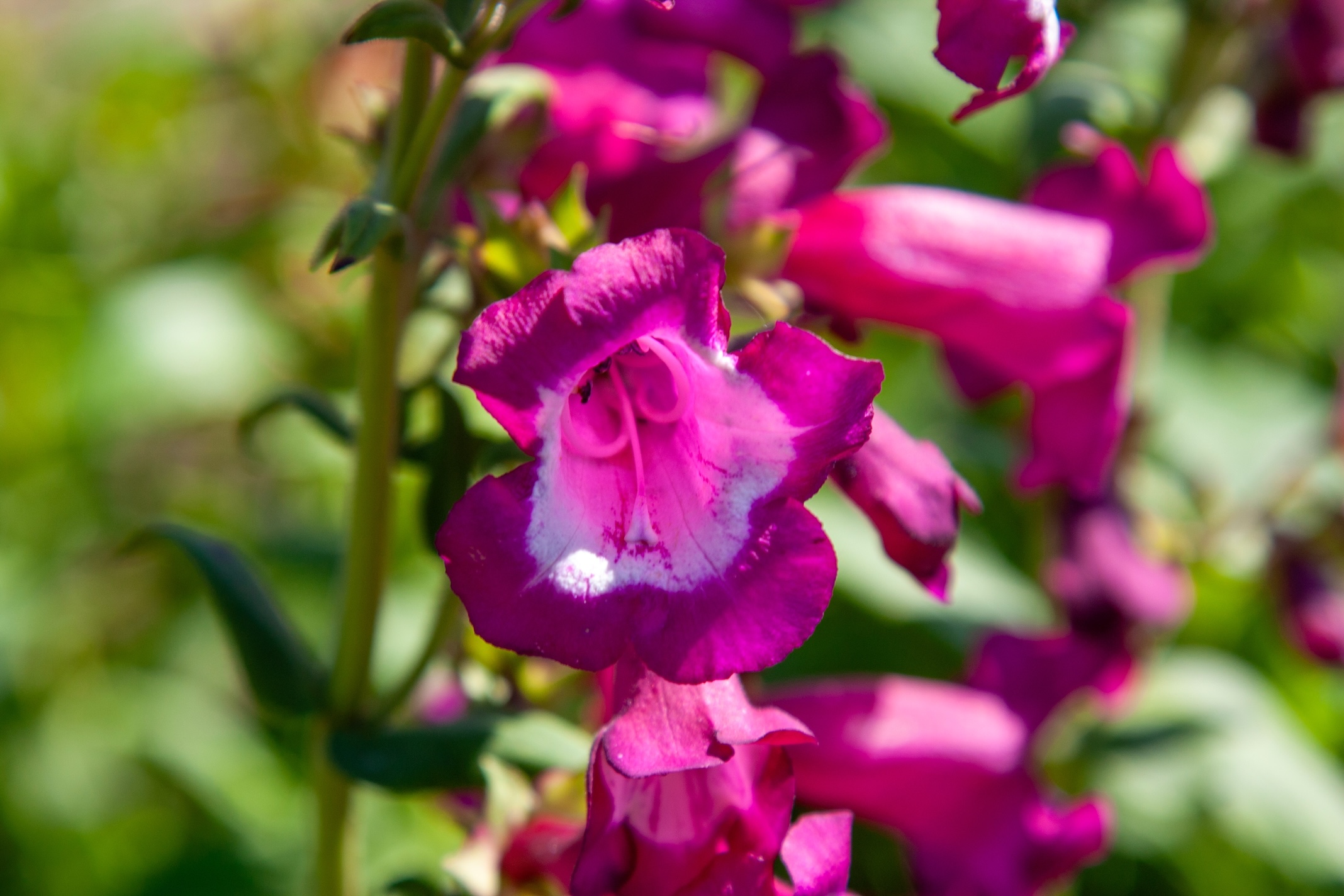
Penstemon (Beardtongue)
Trumpet Vine: If you have a fence or a sturdy trellis, this vigorous climber produces massive orange blooms that hummingbirds find irresistible.
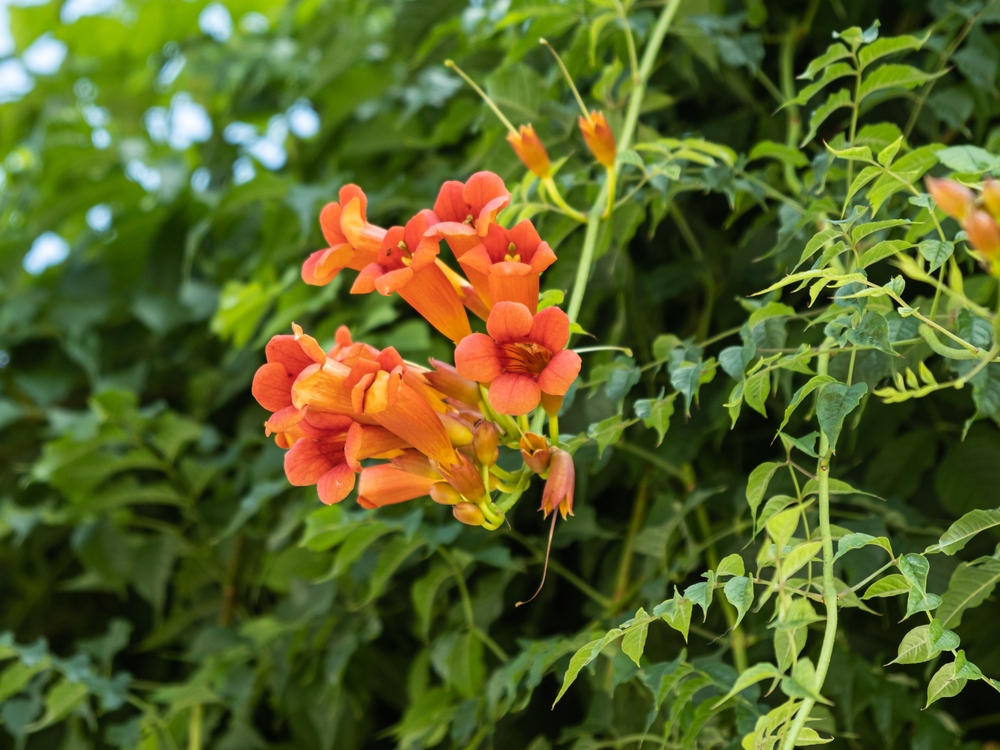
Trumpet Vine
Kniphofia (Red Hot Poker): These look like torches in the garden and offer deep reservoirs of nectar.
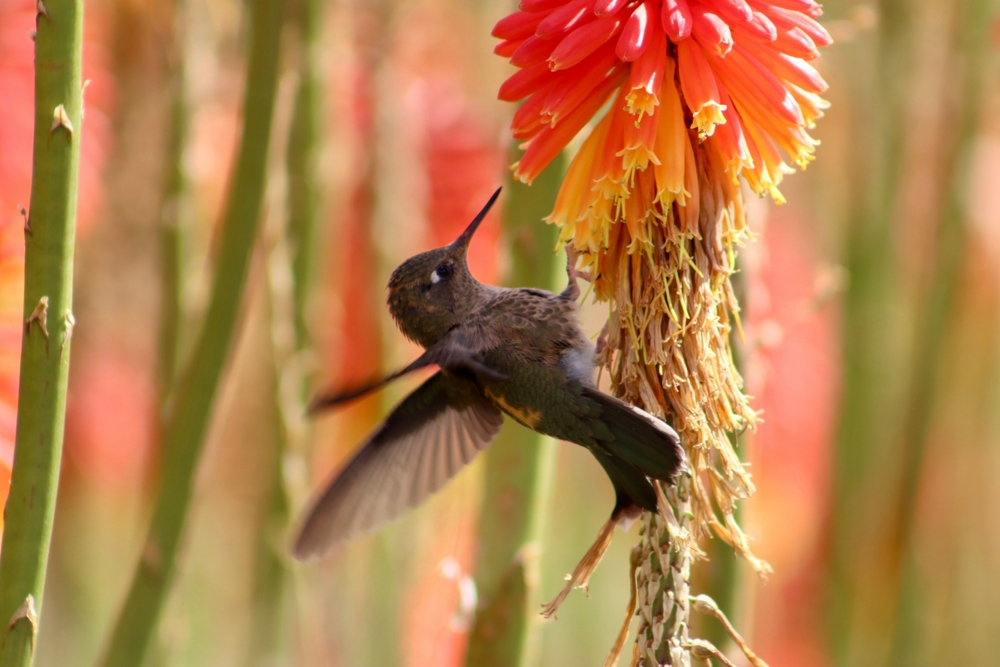
Kniphofia (Red Hot Poker)
Sweet Bubba Desert Willow: A native tree that blooms continually Summer through Fall with hundreds of flowers to sustain the busiest hummingbird family.
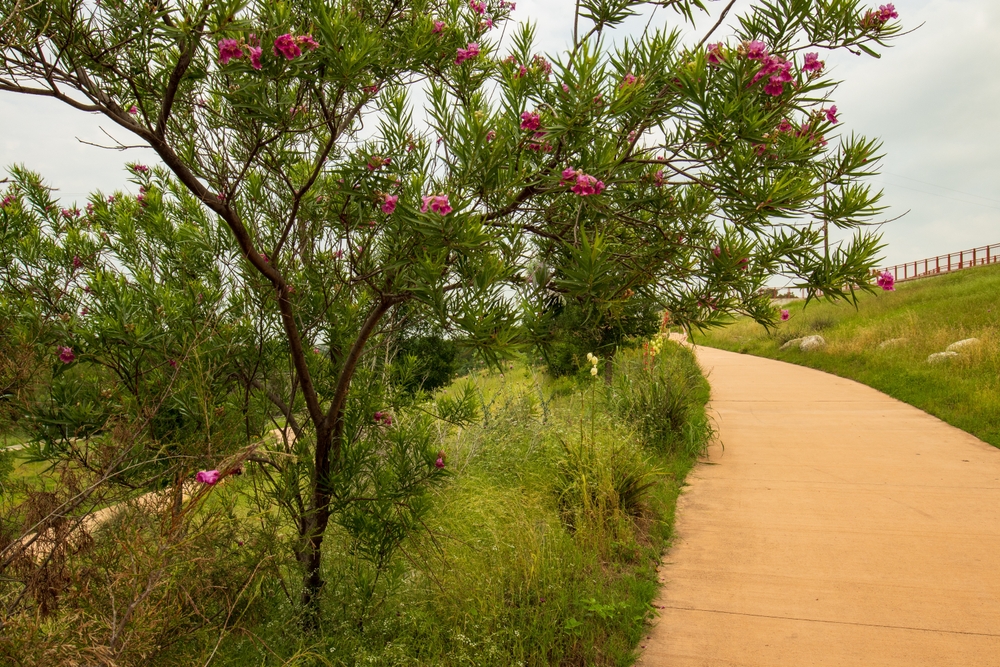
Sweet Bubba Desert Willow
Garden Guide: All Plants that Attract Hummingbirds
The Layered Landscape
A true oasis provides more than just food; it provides security. Hummingbirds are small and vulnerable to hawks and even large cats. When designing your garden, think in layers.
Start with shelter trees like the Deador Cedar or Juniper. These give hummingbirds a place to perch, survey their territory, and hide from predators. Next, add mid-level shrubs like the Butterfly Bush (Buddleia) and Chaste Tree. Finally, fill the ground level with the perennials mentioned above. This tiered approach mimics their natural environment and makes them feel safe enough to nest nearby.
Living Legacy – 250 Trees for America’s 250th – Both Deador Cedar and Chaste Tree are part of The Daily Courier and Watters Garden Center join effort to plant 250 memory trees in celebration of America’s 250th anniversary.

Join the celebration by planting one of these locally hardy trees in your own yard, or donate one to a local school garden. Hummingbirds will love your yard.
Don’t Forget the Water
Most folks remember the food, but they forget the bath. Because hummingbirds are so small, a traditional deep birdbath is dangerous for them. They prefer to bathe in a fine mist.
If you can add a mister attachment to your fountain or even a solar-powered dripper that splashes onto a flat rock, you will see a side of hummingbirds you’ve never seen before. They love to fly through the spray to clean their feathers, which is essential for keeping their flight mechanics in top shape.
A Note on Maintenance
To keep the “buffet” open all season, practice deadheading. When a flower spike on your Salvia or Agastache begins to fade, snip it off. This tells the plant to invest its energy in creating new blooms rather than in producing seeds. More blooms mean more nectar, which keeps the hummingbirds coming back every single day.
Avoid using systemic pesticides in a hummingbird garden. These birds eat hundreds of small insects and spiders daily for protein. If those insects are tainted with chemicals, it can be fatal to the birds. A healthy garden is a balanced ecosystem where the birds help you with pest control. I can help with organic pest controls that are safer for you and your birds when you need help.
Creating a hummingbird oasis is one of the most rewarding projects a gardener can undertake. It transforms your backyard into a theater of nature, proving that if you provide the right environment, the wild world will meet you halfway.
Free Gardening Classes Every Saturday @ 9:30 am
Join us for these upcoming topics:
Until next week, I’ll be helping gardeners attract more hummingbirds here at Watters Garden Center.
Ken Lain can be found throughout the week at Watters Garden Center, 1815 Iron Springs Rd in Prescott, or contacted through his websites at WattersGardenCenter.com or Top10Plants.com.
Get more gardening tips from Watters Garden Center in the Mountain Gardener Column on Signals A Z.com.

Garden Wisdom Awaits: Subscribe for Expert Tips!
If you like this story, consider subscribing to Signals Updates,
Entertainment Events & News!
Show Me How
Comments are closed.