
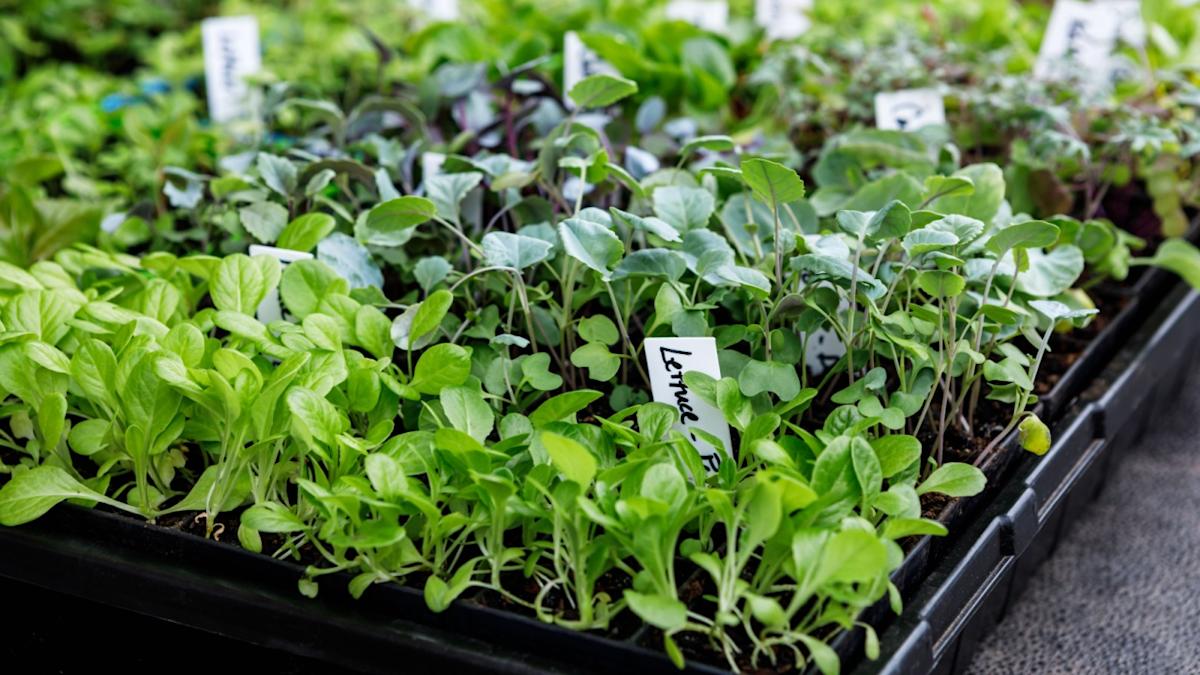
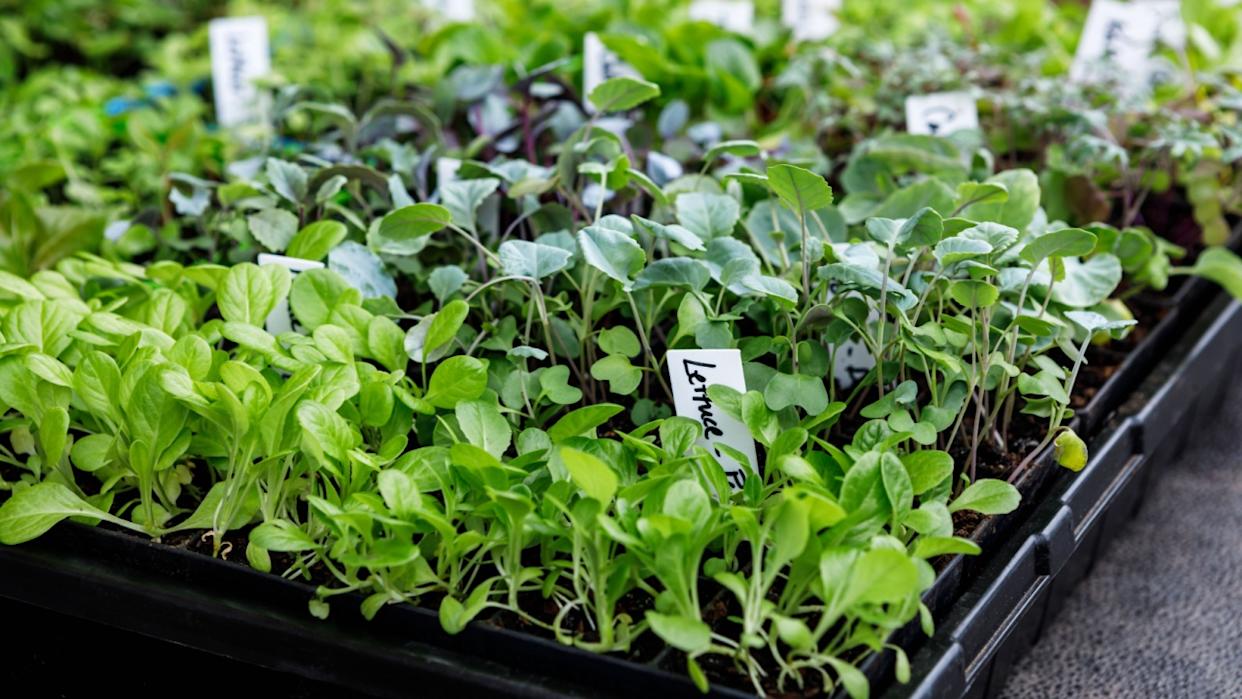
Image Credit: Shutterstock.
Outside, it still looks like winter. But on the kitchen table, a stack of seed packets says otherwise.
March is the month when indoor seed starting takes off in earnest, and if you’ve ever ended up with tall, floppy seedlings that struggled at transplant time, you already know that timing matters more than enthusiasm.
Getting March seed starting right comes down to two pieces of information: your USDA zone and, more importantly, your last frost date. Once you have both, everything else falls into place.
First, Know Your Zone, But Find Your Last Frost Date
Image Credit: Shutterstock.
Here’s something many gardeners don’t realize: your USDA Hardiness Zone doesn’t determine when to start seeds. As Luke Marion of MIgardener explains, “growing zones actually pertain to a crop’s survivability and the average lowest temperature that a crop can experience during winter over a 10-year rolling cycle, which only impacts perennials.” Your zone tells you what plants survive your winters, not when to start your tomatoes.
The number you actually need to figure out for seed starting is your last estimated frost date. Once you have it, the method is simple: check the seed packet for how many weeks before the last frost to start indoors, and then count backward. That’s your seed starting date.
To find your last frost date, use the Farmer’s Almanac frost date calculator or the Morning Chores frost date tool. Both work by entering your zip code and determining your last frost date specific to your location, delivering far more precise dates than zone-level averages. Do this once, write it down, and your timing questions are answered for good.
Understand Why Starting Too Early Backfires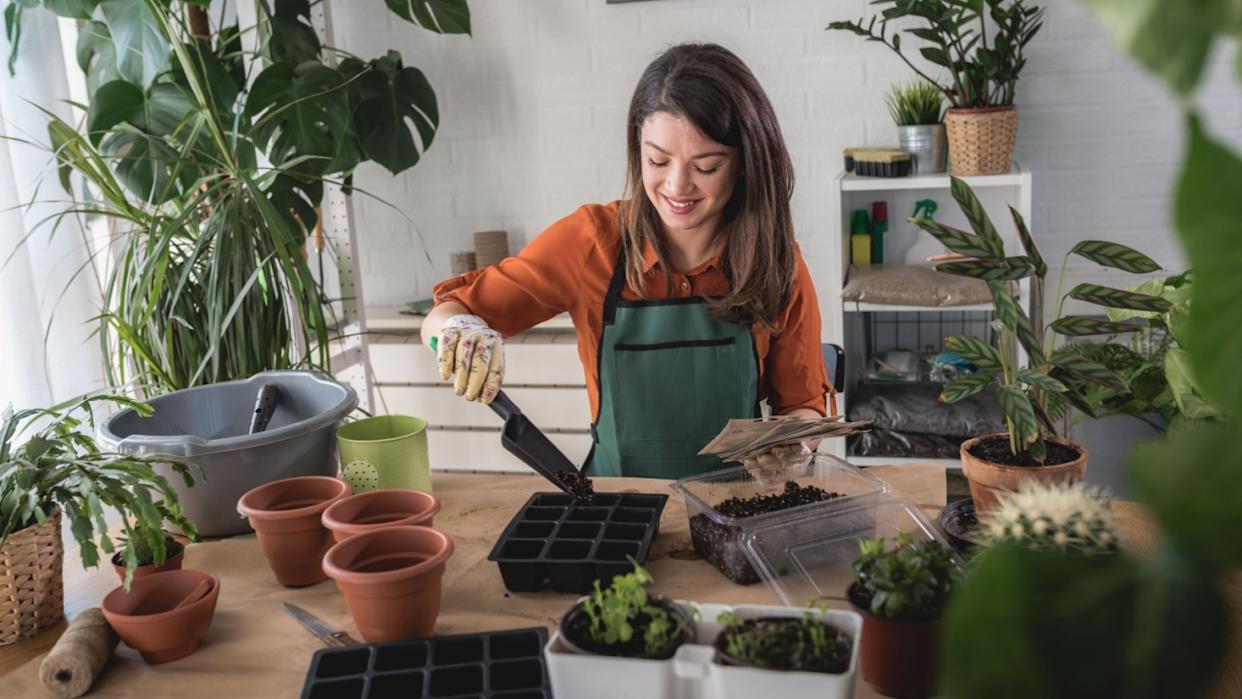
Image Credit: Shutterstock.
The most common March mistake is starting seeds too soon. When seedlings are started too early, they outgrow their containers before outdoor conditions are ready for planting, subsequently becoming leggy, root-bound, and slow to establish. Compact, correctly timed seedlings consistently outperform early starters.
For indoor seed starting to succeed, seedlings need 14–16 hours of light per day. Natural windowsill light is rarely sufficient; a grow light makes a measurable difference. Warm-season crops like tomatoes and peppers germinate best at soil temperatures of 70–80°F, so a heat mat can be helpful in cool rooms. Use sterile, soilless seed-starting mix in clean containers to prevent damping off. And before any seedling goes permanently outside, give it 7–10 days of hardening off, which is gradual outdoor exposure that prevents transplant shock.
Seeds to Start in March: Zones 1–5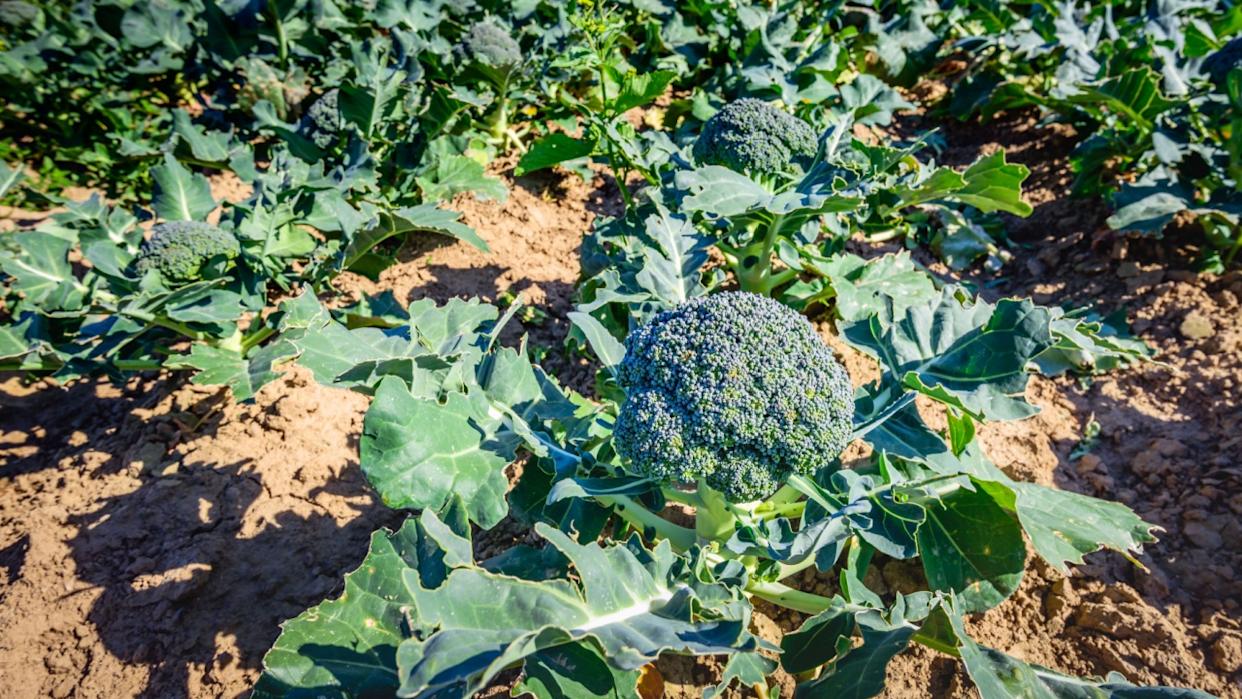
Image Credit: Shutterstock.
For Zones 1–5, March is almost entirely an indoor month. Outdoor planting isn’t yet possible, but this is precisely the right time to be starting seeds under lights.
Zones 1–3 have last frosts in May or later, with growing seasons of just 90–120 days. Start broccoli, cabbage, cauliflower, onions, and leeks indoors now. Be sure to choose ultra-early or cold-tolerant varieties built for short seasons.
Zones 4–5 have last frost dates from mid-April (Zone 5) to early May (Zone 4). As Madison Moulton of Botanical Interests advises, “indoor sowing is recommended for those in cooler climates around 6 to 8 weeks before your average last frost date.” March is the right window for tomatoes, peppers, eggplant, broccoli, cabbage, cauliflower, celery, head lettuce, parsley, and onions. Zone 5 gardeners should begin most starts between March 15–30.
Seeds to Start in March: Zones 6–8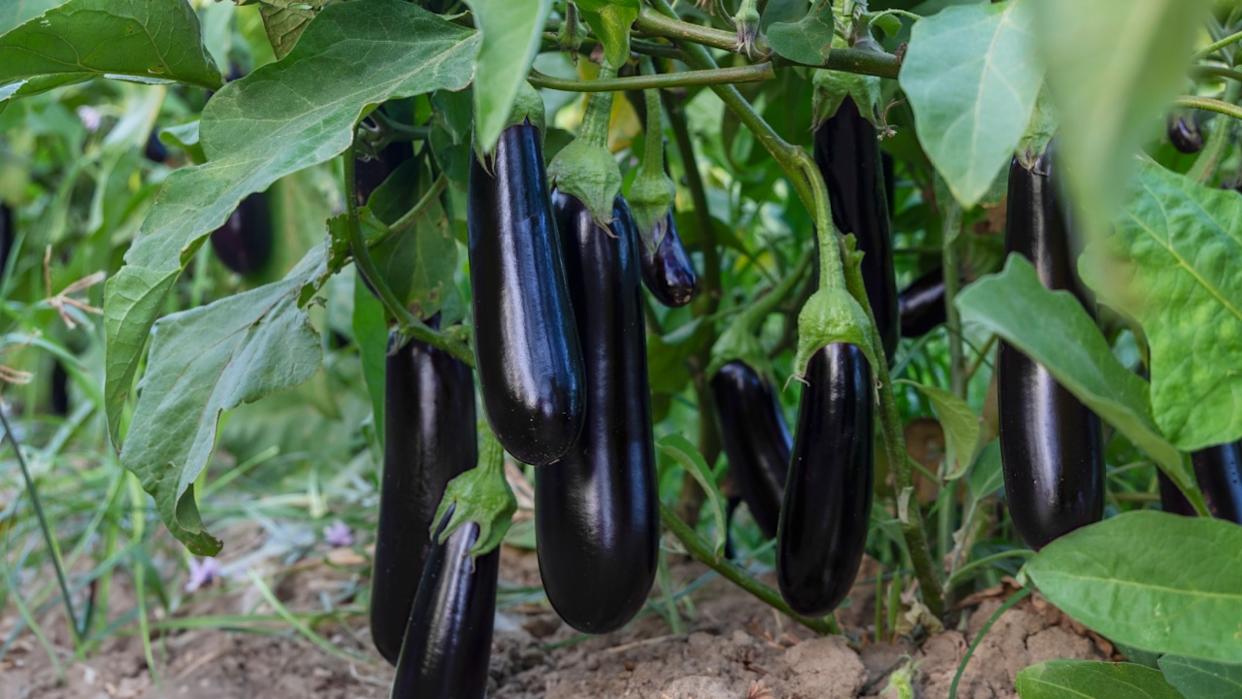
Image Credit: Shutterstock.
Zones 6–8 are where indoor seed starting and outdoor direct sowing happen simultaneously, making March one of the busiest months of the gardening year.
Indoors, you’ll want to start tomatoes, peppers, eggplant, cucumbers, and melons (Zones 6–7), along with perennial flowers like coneflower, black-eyed Susans, and lavender, which need 8–12 weeks of indoor growth before transplanting.
Outdoors, you’ll want to direct sow cool-season crops as soon as the soil is workable and consistently above 40°F: peas, spinach, lettuce, kale, radishes, beets, carrots, arugula, and onions. Logan Hailey of Epic Gardening offers a useful rule of thumb: “When the daffodils bloom, it’s safe to start seeding cool-weather crops outdoors.” Zone 8 gardeners can direct sow nearly all vegetables outside in March.
Keep row covers or cold frames on hand through month’s end; unexpected late frosts remain a real possibility across these zones in early spring.
Seeds to Start in March: Zones 9–12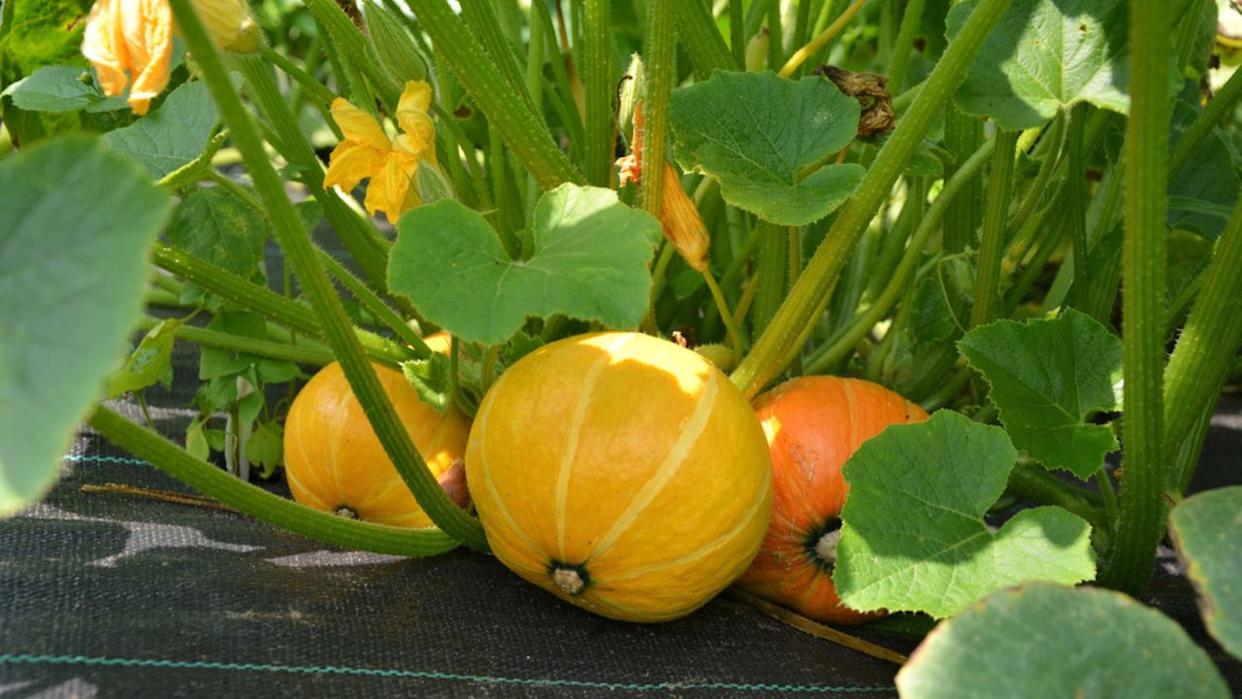
Image Credit: Deposit Photos,
For Zones 9–12, March is less about seed starting and more about getting plants in the ground. Most of these regions are past their last frost by March; Zones 10–12 are frost-free year-round.
Zone 9 gardeners can direct sow warm-season crops outdoors, including peppers, squash, cucumbers, beans, and corn. As Pam Farley at Brown Thumb Mama notes about Zone 9 planting, “the first step is to make sure your soil is warm enough,” with most warm-season crops needing at least 60°F soil temperature to germinate successfully. Cool-season crops planted now may bolt quickly as temperatures climb; lettuce, spinach, and broccoli are better saved for fall in warm climates.
Zones 10–12 are in prime warm-season planting territory. The outdoor garden is the focus this month; indoor seed starting plays a minimal role.
One Frost Date Changes Everything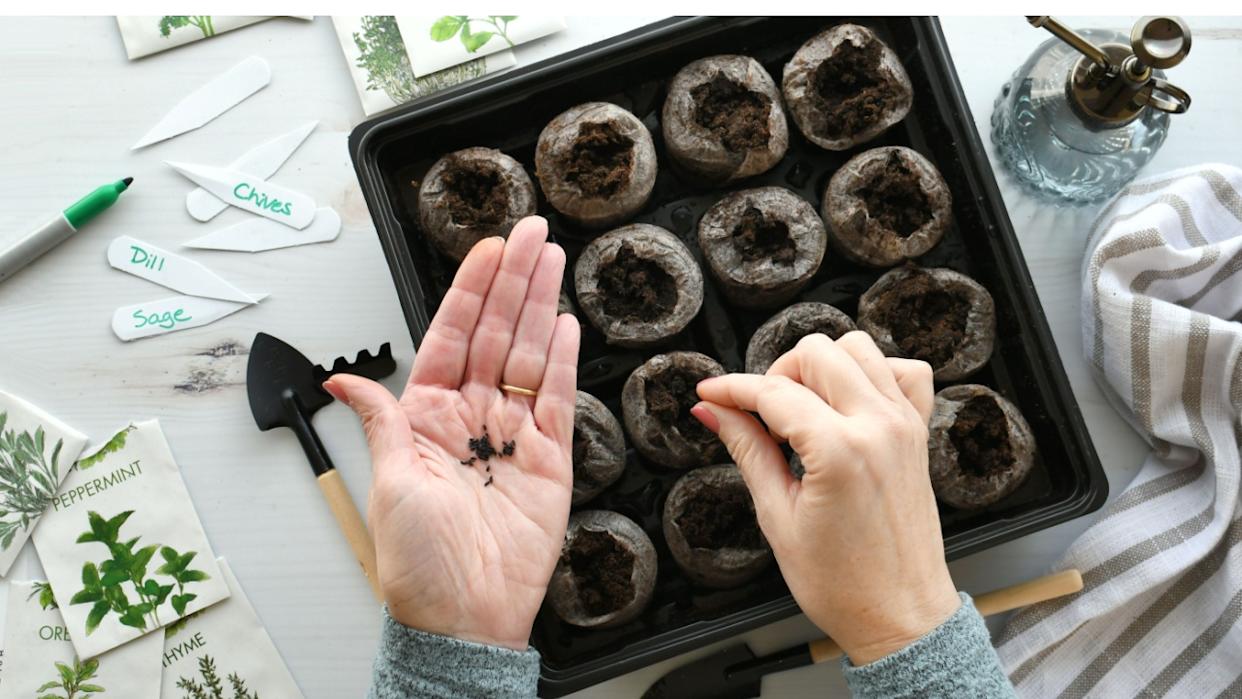
Image Credit: Shutterstock.
March seed starting simplifies quickly once you have your last frost date and a clear list of what to start. If you don’t already know your last frost date by zip code, look it up, add it to your garden journal, and count backward from that date per the directions on each seed packet to decide when to sow seeds indoors.
And don’t forget that your local cooperative extension office is a free, underused resource; their recommendations are calibrated to your exact region, more precise than any national chart. Start there, start on time, and this season’s seedlings will be the best you’ve grown.
Comments are closed.