

The pruners are clean, the days are getting longer, and the garden is stirring after months of dormancy. March is when the urge to cut everything back finally wins, and for many plants, that instinct is exactly right. But for others, pruning too soon can cost you an entire season of blooms before the first flower opens.
The difference between a March pruning that sets your garden up beautifully and one that leaves your shrubs flowerless all summer comes down to a single principle. Learn it once, and you’ll know exactly which perennials to tackle this month, and which to leave quietly alone.
The Rule That Answers Everything: Old Wood vs. New Wood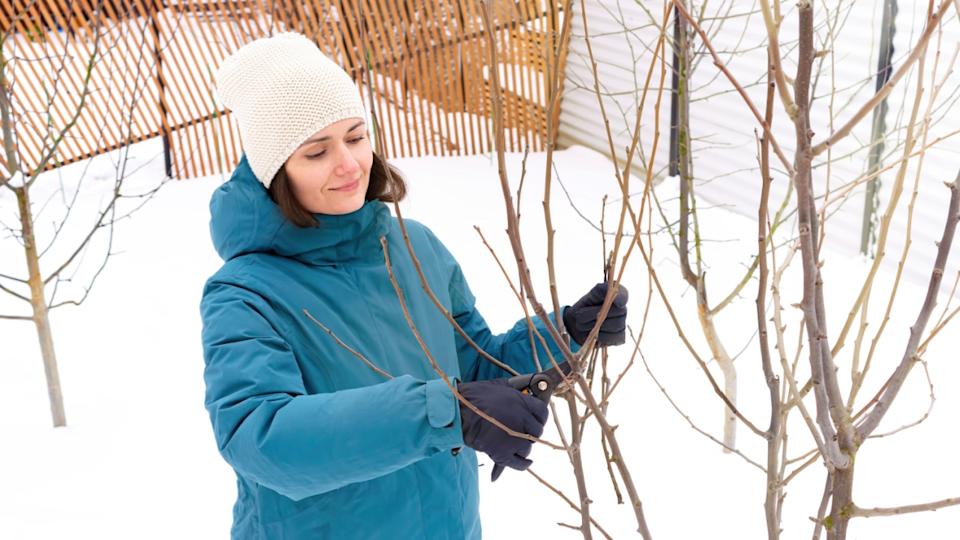
Image Credit: Shutterstock.
Most pruning confusion traces back to one misunderstood distinction. As Catherine Boeckmann of the Old Farmer’s Almanac explains, “in late winter and early spring, prune shrubs that form their flower buds on ‘new’ wood — growth that will occur in the coming spring,” and wait to prune those that bloom on “old wood — growth from the previous year” until after their flowers fade.
In plain terms: if a plant’s flowers come from buds that formed last autumn, those buds are sitting on the stems right now. If you prune those stems in March, you’re cutting away the blooms. If a plant’s flowers come from growth it hasn’t yet made, such as growth it will put out this spring and summer, pruning now does no harm. In fact, it helps.
When you’re unsure which category a plant belongs to, one practical rule covers most situations: plants that flower before June typically bloom on old wood and should be pruned after they flower. Plants that bloom in summer or fall bloom on new wood and are ready for the pruners now.
What Not to Prune in March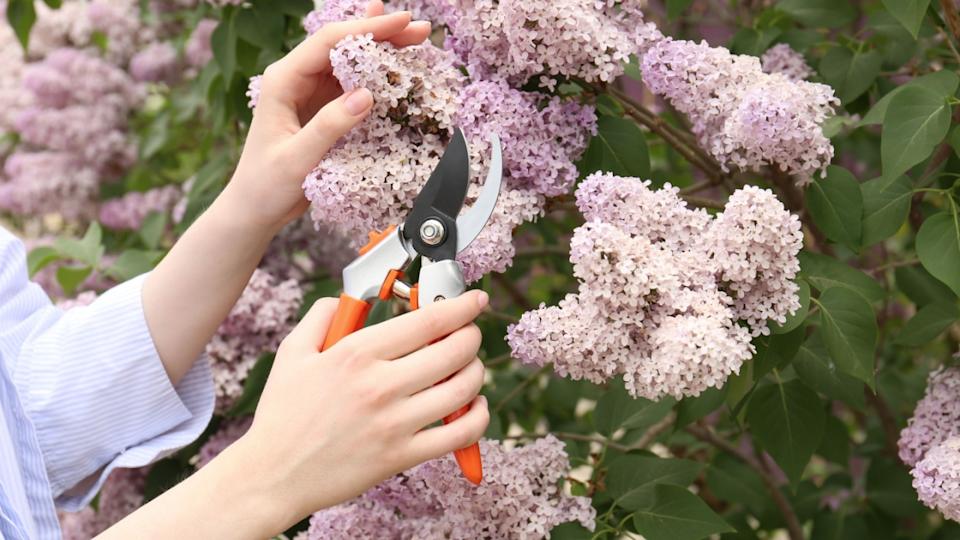
Image Credit: Shutterstock.
Leave the following plants alone until after their spring flowers have faded: lilac, forsythia, azalea, rhododendron, mophead hydrangea, weigela, magnolia, dogwood, and wisteria.
As Drew Swainston of Homes & Gardens notes, these are old-wood bloomers whose buds formed last season and are already ready to open. The right time to prune all of them is immediately after those blooms fade.
If you’ve inherited a neglected garden and can’t identify what you’re working with, start conservatively: remove dead wood from everything (that’s always safe) and observe what flowers over the coming weeks. By early summer, you’ll have the information you need to prune everything correctly for years to come.
What To Prune In March- 1. Roses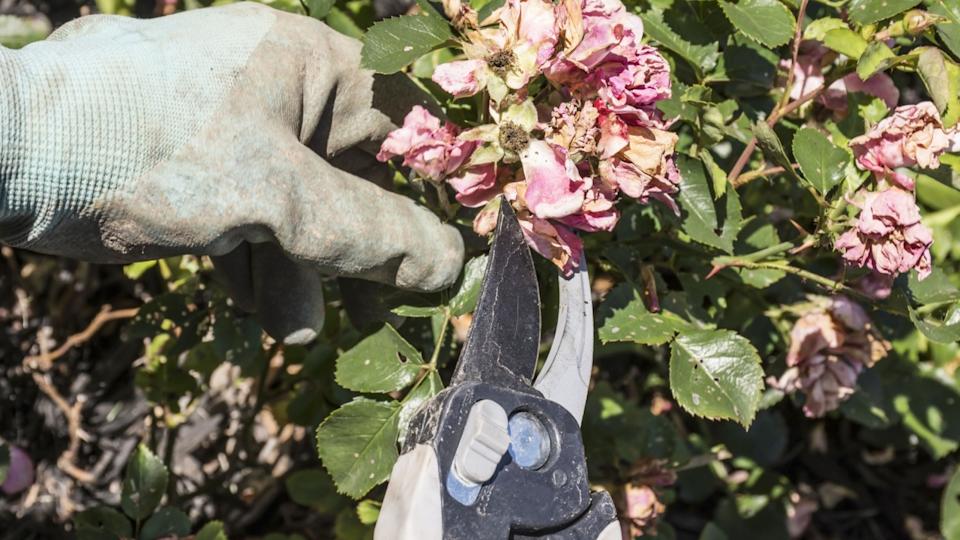
Image Credit: Shutterstock.
Roses are the clearest March pruning win, and the conflicting advice that surrounds them is easier to resolve than it seems. Julian Palphramand, head of plants at British Garden Centres, puts it directly in House Beautiful: “March is the moment to give roses a good tidy, just as they wake up for spring. Cut back to an outward-facing bud, remove any dead or crossing stems, and on climbers, shorten the side shoots to a few buds to keep the shape neat.”
The goal is an open, goblet-shaped plant with no crossing or congested wood in the center. That openness isn’t just aesthetic; good airflow is one of the most effective defenses against blackspot. Cut confidently, removing no more than a third of the plant’s total growth.
2. Hydrangeas (But Only the Right Ones)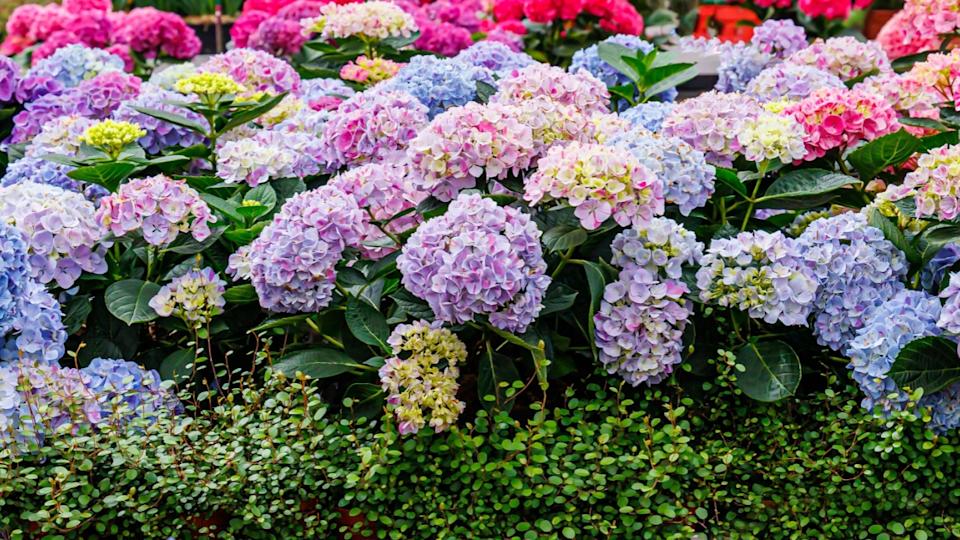
Image Credit: Shutterstock.
Hydrangeas are where the old-wood/new-wood rule matters most, because the two main types look nearly identical and behave completely differently.
Smooth hydrangeas (such as ‘Annabelle’) and panicle hydrangeas (such as ‘Limelight’) bloom on new wood and should be pruned in March. Mophead and lacecap bigleaf varieties are old-wood bloomers. As Julian Palphramand advises in Country Living, “on mophead and lacecap varieties, just take off the old flowerheads and any dead wood, and leave last year’s stems well alone. This year’s flowers come from those stems, so if you cut too hard, you’re cutting away the blooms before they’ve even had a chance.”
If you’re unsure which hydrangea you have, take the conservative approach: remove spent flowerheads and dead wood only, and leave everything else. You won’t lose anything by being careful.
3. Clematis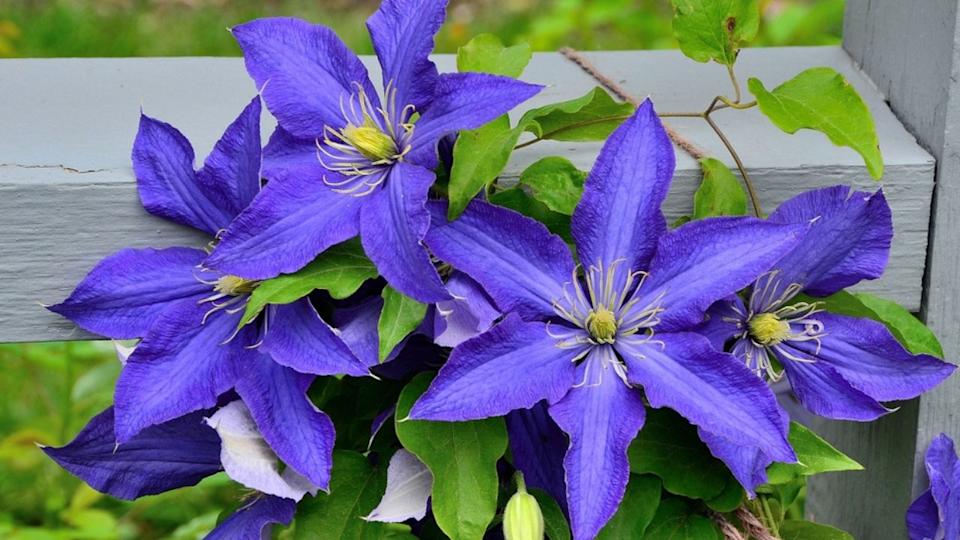
Image Credit: Shutterstock.
The practical shortcut for clematis: think back to when it flowered last year. If it blooms heavily in summer or autumn, it’s a late-flowering Group 3 type and can be cut back hard to about 12–18 inches from the ground in March. As Lisa Joyner writes in Country Living notes, “Now is a great time to cut them back by around 30cm. Earlier flowering types are the exception, where you just remove weak or dead growth and leave the rest.”
If your clematis covered itself in blooms before June last year, treat it as an old-wood bloomer and remove only weak, dead, or tangled stems without cutting into the healthy framework.
4. Ornamental Grasses, Butterfly Bush, and Russian Sage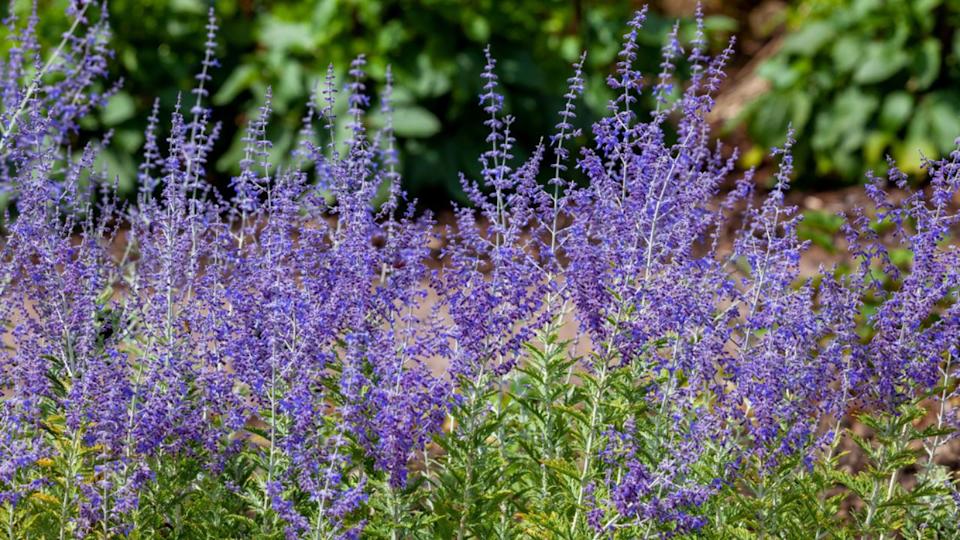
Image Credit: Shutterstock
These three perennials reward hard pruning with their most vigorous, floriferous season. As Westwood Gardens advises, “you can prune flowering shrubs that grow their blossoms this season, such as spirea, roses, potentilla, crape myrtle, or butterfly bush. Since they’ll grow new flower buds this year, there is no risk of lopping off your blossoms-to-be.”
Cut ornamental grasses back to a few inches before new shoots emerge from the crown, tying the clump into a bundle first makes the job much neater. Butterfly bush and Russian sage can be cut back hard to a low framework of buds near the base. Both are tough plants that return thicker and fuller after a hard annual cut.
5. Lavender and Sage
Image Credit: Shutterstock.
Both benefit from a March trim, but with one firm rule: never cut into the old woody base. As Julian Palphramand notes in Country Living, respecting that boundary “is what keeps them compact and productive for years longer than they’d otherwise manage.” Trim back into the green, leafy growth above the woody framework, but never below it. This annual habit keeps the plants bushy and prevents the straggly legginess that comes from years of skipping it.
Start Simple, Start Now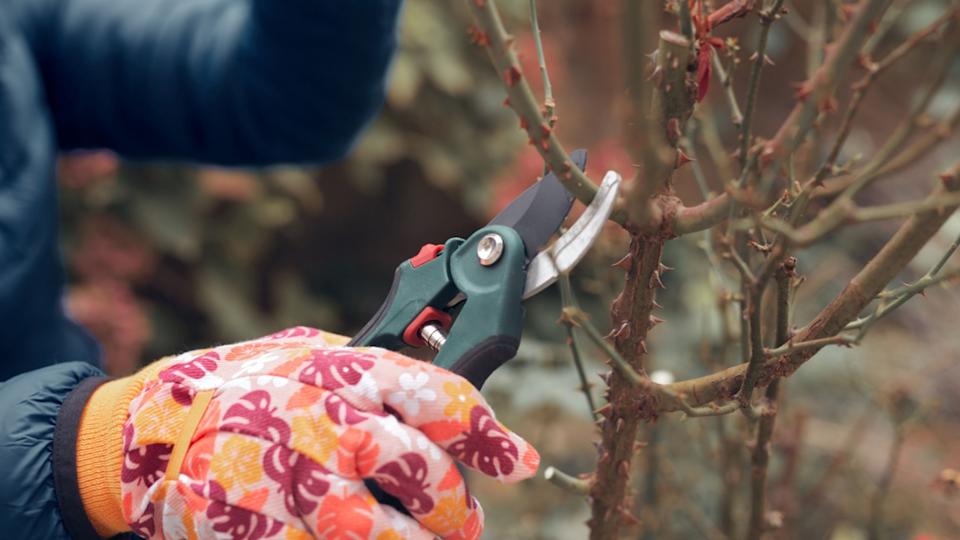
Image Credit: Shutterstock.
The old-wood/new-wood principle turns March pruning from a guessing game into a straightforward set of decisions. Work through your garden with that rule as your guide, remove dead wood first, and cut or hold based on when each plant blooms. Imperfect pruning done in March still beats perfect pruning done in June. Your garden is ready for it.
Comments are closed.