
Credit: GeorgePeters / Getty Images
There may still be some snow on the ground, and the weather may be chilly, but taking steps now to get ready for spring planting can make a big difference for the entire gardening season. Similar to how it’s easier to cook a meal when all your gear is clean and in working order, some upfront preparation can make the busy planting season go much smoother. Whether you’re planning to grow veggies, herbs, or flowers, this simple to-do list of garden tasks will help you properly prepare your beds and plants ahead of planting time.
1. Disinfect Seed Starting Supplies
While potting soil and biodegradable pots should be replaced each year, plastic seedling trays, humidity domes, soil block makers, and many other planting supplies can be reused with proper cleaning. This is an important precaution because damping off and other seedling diseases and pests may linger in pots, as well as on plant labels and other products from previous planting seasons. When conditions are favorable, these issues could affect especially vulnerable seedlings and young plants.
It is easy to clean these supplies. First, rinse them to remove leftover grime, then sterilize them by soaking them in a 10% bleach solution for 30 minutes. Alternatively, spray or wipe them with rubbing alcohol or hydrogen peroxide.
Related: The 7 Best Seed-Starting Trays Our Editors Recommend
2. Sharpen and Clean Tools
Just as seed-startling supplies need a good cleaning to avoid passing on pests and diseases to new plants, shovels, hoes, and other garden tools should be cleaned and sterilized, too. You may also want to take the time to sharpen pruners and other tools that look a little dull. First, scrub rust away with steel wool and vinegar, then rub tool blades down with baby oil to make them shine. Let tools dry thoroughly before storing them to avoid rusting.
Related: Is Bleach or Alcohol Better for Disinfecting Garden Tools Without Damaging Them?
3. Inspect Hoses and Drip Irrigation Lines
If you left your garden hoses or drip irrigation lines outside over the winter, early spring is a good time to inspect them closely for damage. Sometimes, thirsty rodents will nibble on water lines, but lines are also prone to breaking due to cold temperatures and inclement weather. Small holes and tears may be patchable, though severe damage may require splicing or an entirely new hose or drip line section.
4. Clear Out Garden Beds
As soon as the ground is no longer frozen solid, start to prep for planting by removing old, dead plants that you left in place over the winter. Once the weather starts to warm, you can also remove deep layers of compost or mulch that you applied around plants to insulate plant roots from harsh weather. Since you’re at it, you might also add a top dressing of compost to get the soil ready for any new plants you’ll add to your garden beds.
5. Start Slow-Growing Seedlings Indoors
Some cold-hardy plants, like radishes, carrots, and beets, are directly planted outdoors when the soil is workable. But slower-growing plants that require warm conditions to grow properly are usually started indoors about 6 to 8 weeks before your last frost date. This includes most nightshades, like tomatoes, peppers, and eggplant.
6. Prep Cold Frames and Row Covers
Cold frames are excellent season extenders for cold-hardy crops, either to direct-sow them in the soil or in flats, or for transplanting seedlings that you have started indoors. If you haven’t emptied and cleaned your cold frame in the fall, do it now. Remove any plant debris and scrub the panes with warm, soapy water or a vinegar-water solution to remove any mold, pests, and algae. Use a soft brush for the glass or polycarbonate panes avoid scratches. Make sure to also inspect the hinges.
Line up floating or hoop-supported row covers to give cool-season crops a head start on the growing season.
7. Repair Raised Beds
Because they are highly exposed, raised beds are especially susceptible to winter damage. To ensure your raised beds are ready for planting, check them over for weak spots, rot, loose boards, and anything else that might compromise their structural integrity. This may require just a few screws or nails, or you may need to replace a board or two. This is usually accomplished without dismantling the raised bed entirely.
8. Refresh Mulch and Tackle Early Weeds
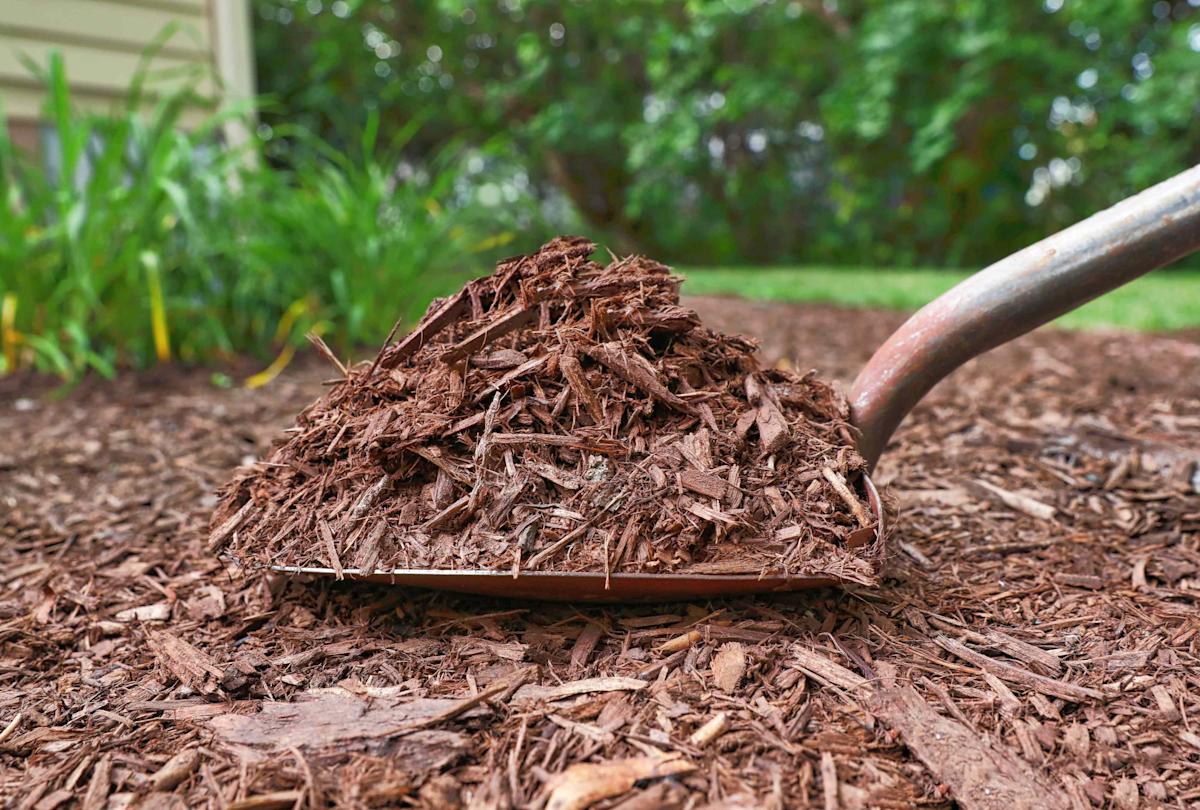
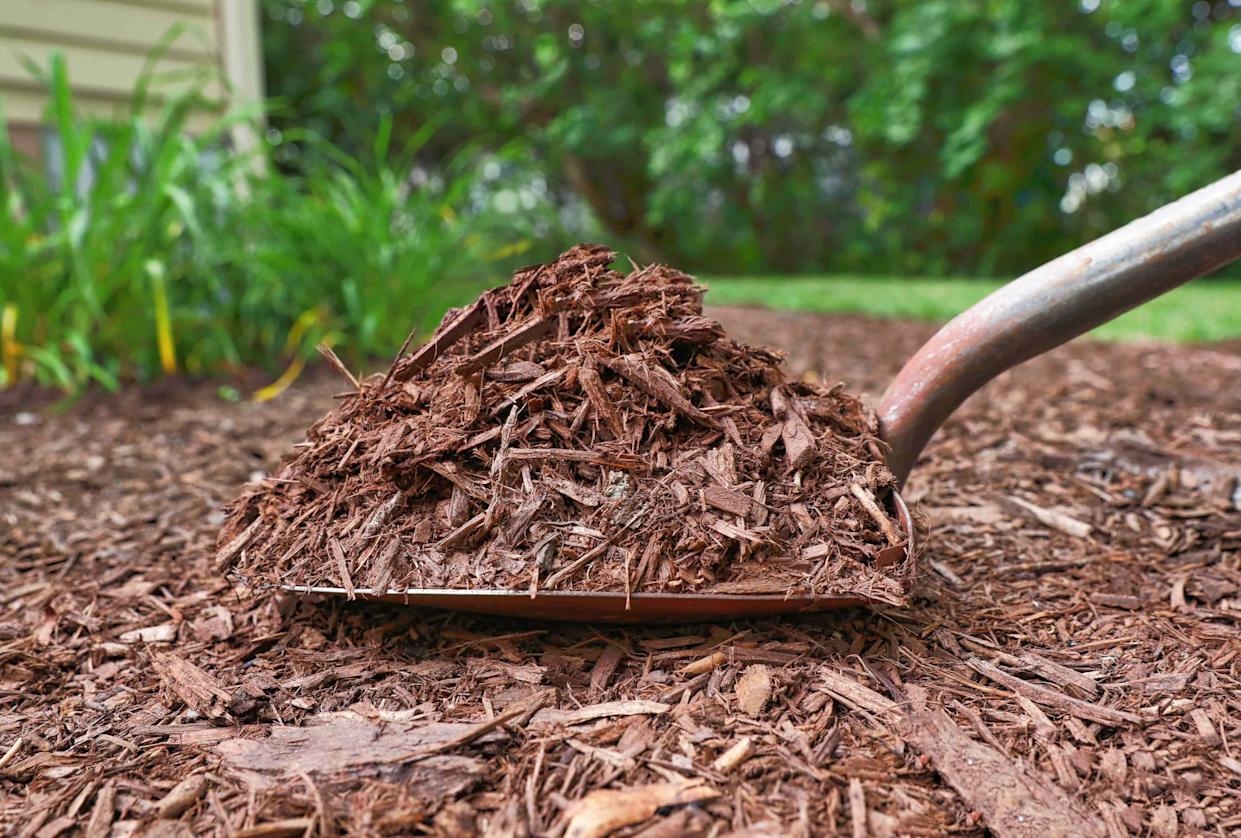
Mulch helps to keep weeds in check, and mulching your garden beds and walkways in early spring is a highly effective way to keep weeds from gaining a foothold in your garden. If the soil is thawed, pull up early-sprouting weeds, which are easiest to remove when their leaves, stems, and roots are still young and tender.
9. Plan Out Your Planting Calendar
Even if your garden is still covered with snow, don’t delay planning your garden so you know exactly what to plant, when, and where. If you kept records of what you planted last year in your garden, use those as the basis for crop rotation, which is key to reducing pests and plant diseases and preventing nutrient deficiency in the soil.
In your planting calendar, determine the dates for seed starting indoors as well as for getting outdoor plants in the ground. at the right time. If you want to take your planning even further, include seeds that need succession sowing.
Read the original article on Better Homes & Gardens
Comments are closed.