

Fortune’s spindle vine, scientifically known as Euonymus fortunei, is one of those plants that one either adores for its toughness or worries about because of its invasive potential. Hardly shy about making itself at home, it is the kind of plant that gardeners love but still eye with suspicion due to its wandering ways.
This plant can creep, climb, carpet the ground, and even form dense shrubs. You’ll likely find it comfortably crawling up garden walls, hugging tree trunks, or out there spreading across woodland floors across North American and European landscapes. Either way, it is well worth knowing.
What Is Fortune’s Spindle, Also Called Euonymus Fortunei?
A woody, evergreen vine and groundcover, native to a wide native range across East and Southeast Asia, including China, Korea, Japan, the Philippines, India, Vietnam, and other nearby regions, Fortune’s spindle plant was introduced to Western gardens in the mid-1800s by plant hunter Robert Fortune. This explains how it got its common name. The species name fortunei also honors him.
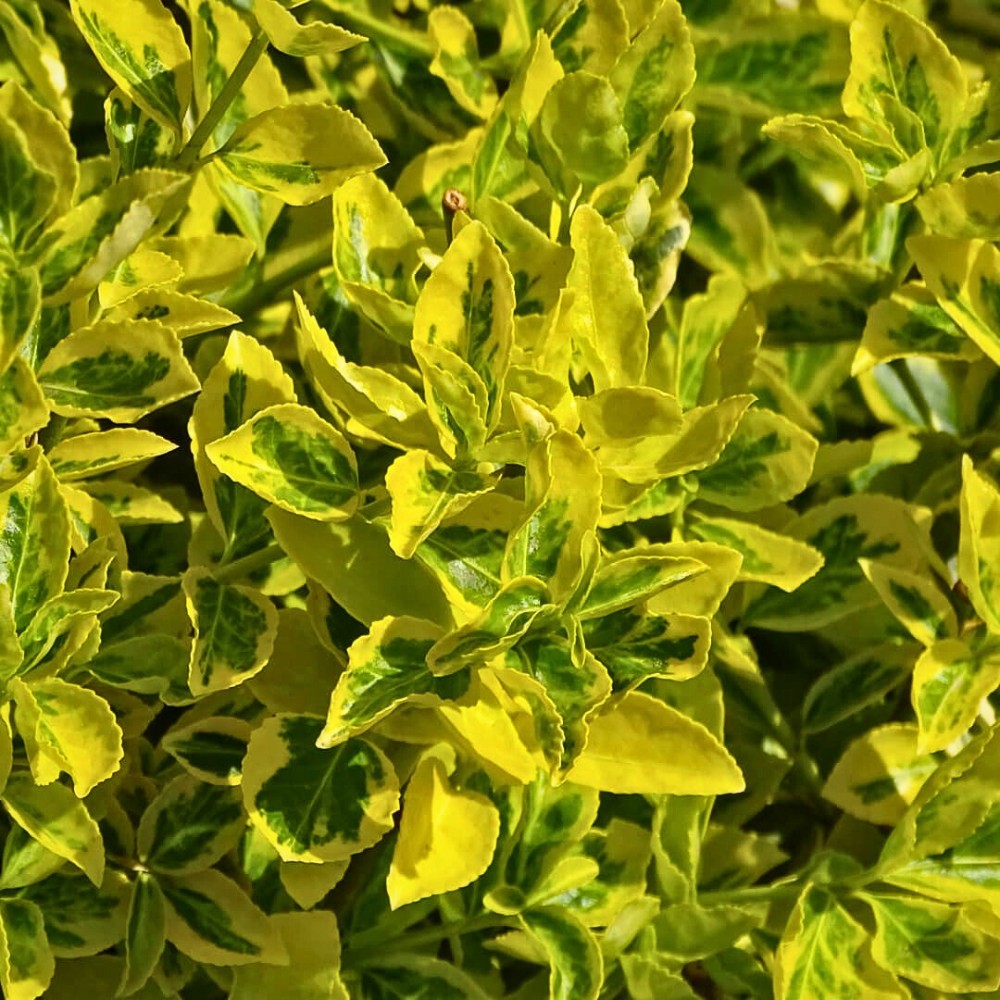
Fortune’s spindle, also called Euonymus fortunei. Photo by @gabysule93
In its home range, Fortune’s spindle grows in woodlands, forest edges, scrub, and rocky slopes, where it tolerates sun and shade, from full sun to fairly deep shade, adapts to many soil types, including poor or low nutrient soils, as long as they are not overly waterlogged, and uses small rootlets to cling to tree trunks, walls, or rocks, allowing its vine to climb high for light.
As a member of the Celastraceae family, Euonymus fortunei can behave in several ways depending on what it has to climb or sprawl against. On flat ground, it acts as a low ground cover, rarely exceeding 30 cm in height. Given a wall, fence, or tree to grip, however, it can climb quite vigorously, reaching heights of 15 meters or more in ideal conditions.
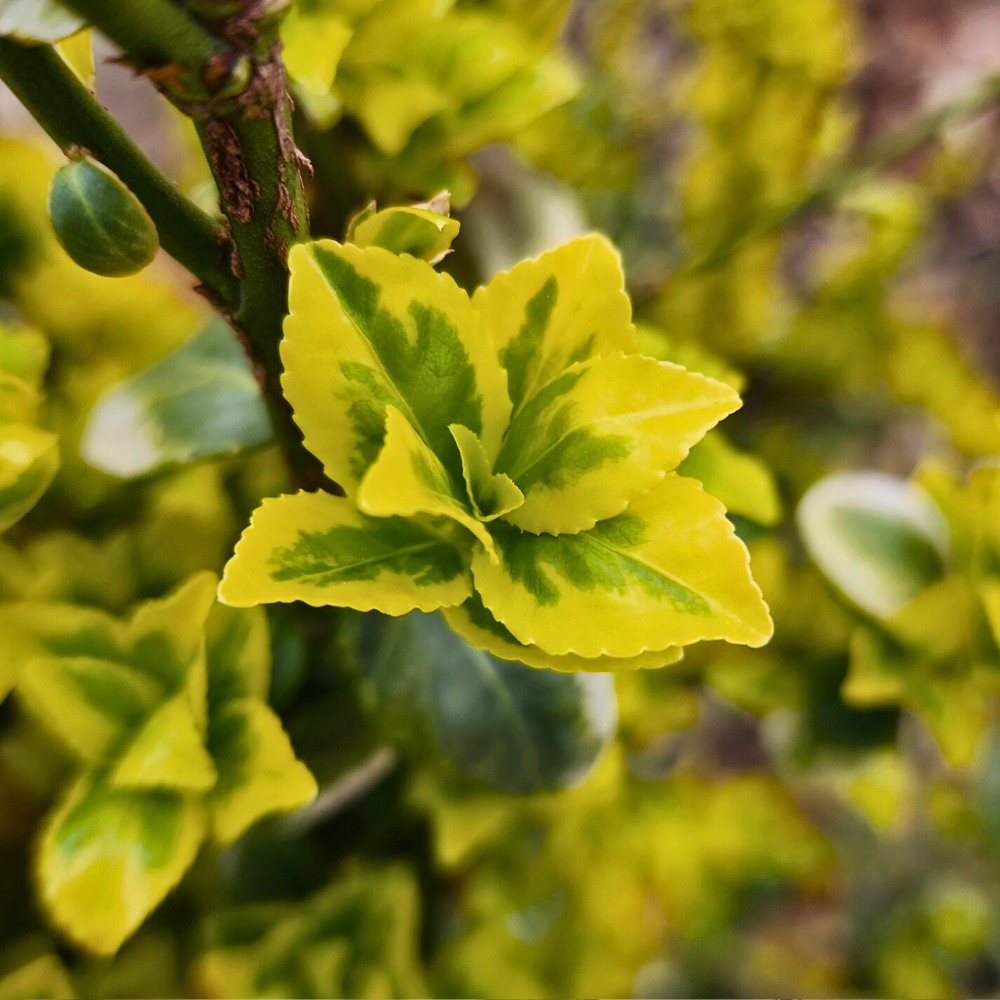
Photo by @the_happy_plant_co
The leaves are small, oval, and leathery with finely toothed edges. Most garden varieties carry some form of variegation, showing patterns of gold, cream, or white against dark green. Its flowers are tiny, greenish-white, and not quite the main attraction. What follows them, though, is worth a look: small capsule fruits that split open to reveal bright orange-coated seeds in autumn.
Because of its adaptability and range of ornamental cultivars, this plant is common in home gardens, public landscapes, and commercial plantings.
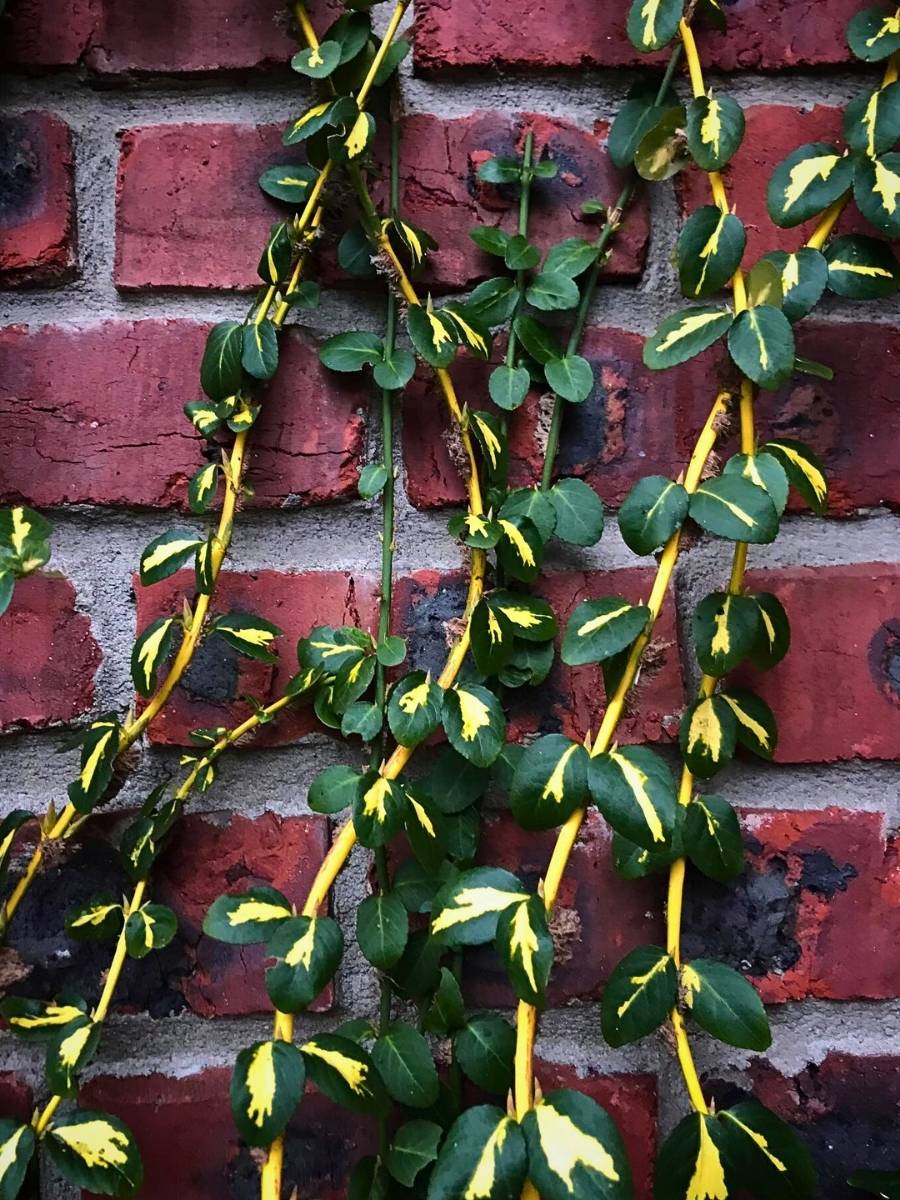
Photo by @lilmorflow
Popular Cultivars of Euonymus Fortunei
The Fortune’s spindle plant comes in quite a range of named cultivars, each with its own particular charm. Emerald ‘n’ Gold is probably the most recognizable, with dark green leaves edged in bright golden yellow. It grows as a low spreading shrub or can be trained to climb. It takes on pinkish tones in cold weather. Emerald Gaiety has white-margined leaves that flush pink in winter, giving it a delicate, frosted appearance.
Coloratus, sometimes called purple wintercreeper, is a vigorous groundcover form whose green leaves turn a rich purplish-red in autumn and winter. Emerald Surprise and Moon Shadow feature bold variegation suited to shrub use. Silver Queen produces creamy white and green variegated leaves and is often grown as a climber against walls.
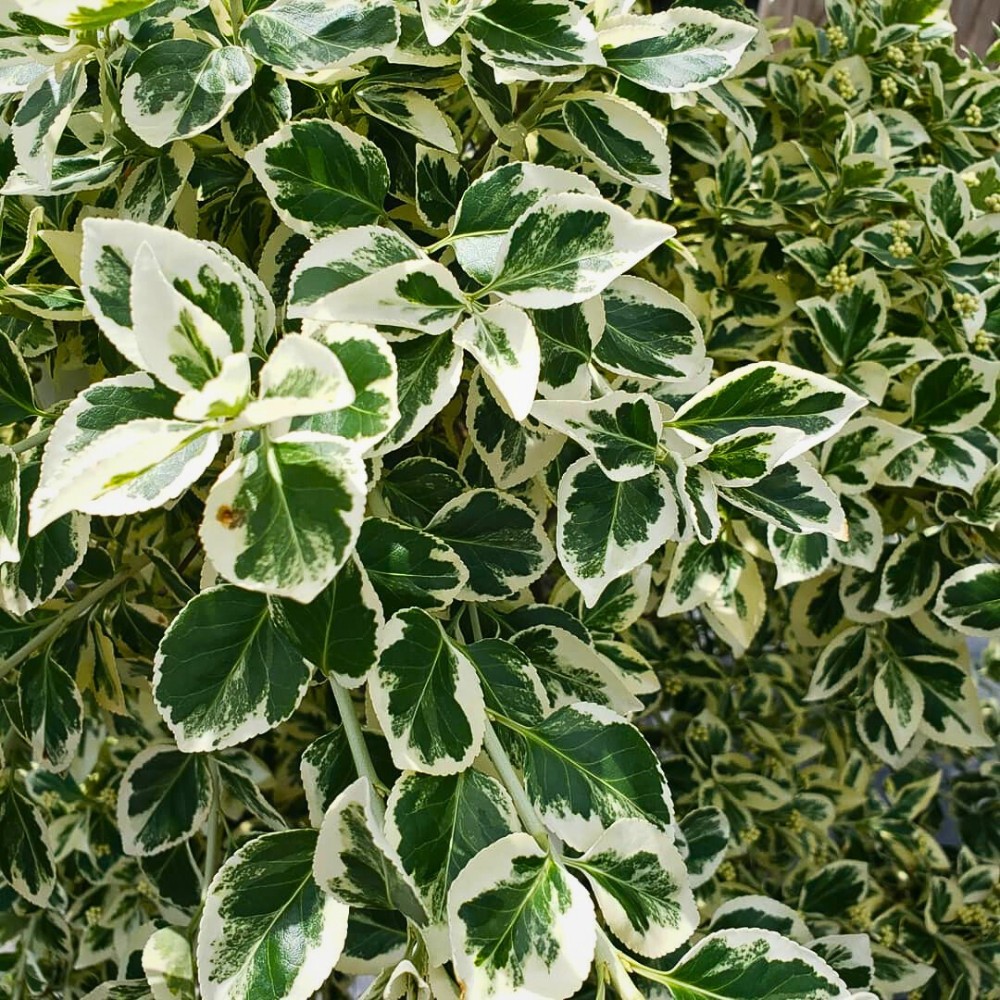
Photo by @plantswithbuvala
Kewensis is a miniature form with tiny leaves, useful for small spaces and containers. Wolong Ghost features a lower-growing form often used as groundcover. Vegetus is one of the more vigorous forms and tends to fruit prolifically, which is worth bearing in mind from an ecological standpoint. Several more varieties exist.
About Fortune’s Spindle Invasive Status
Is Euonymus fortunei considered invasive? Yes, it is, and quite highly in some quarters. Its invasive concerns are particularly real in parts of North America, particularly in the Eastern United States and the Mid-Atlantic and Midwest regions. It has been listed as invasive or potentially invasive in numerous states, and several conservation organizations actively discourage its planting in or near natural areas.
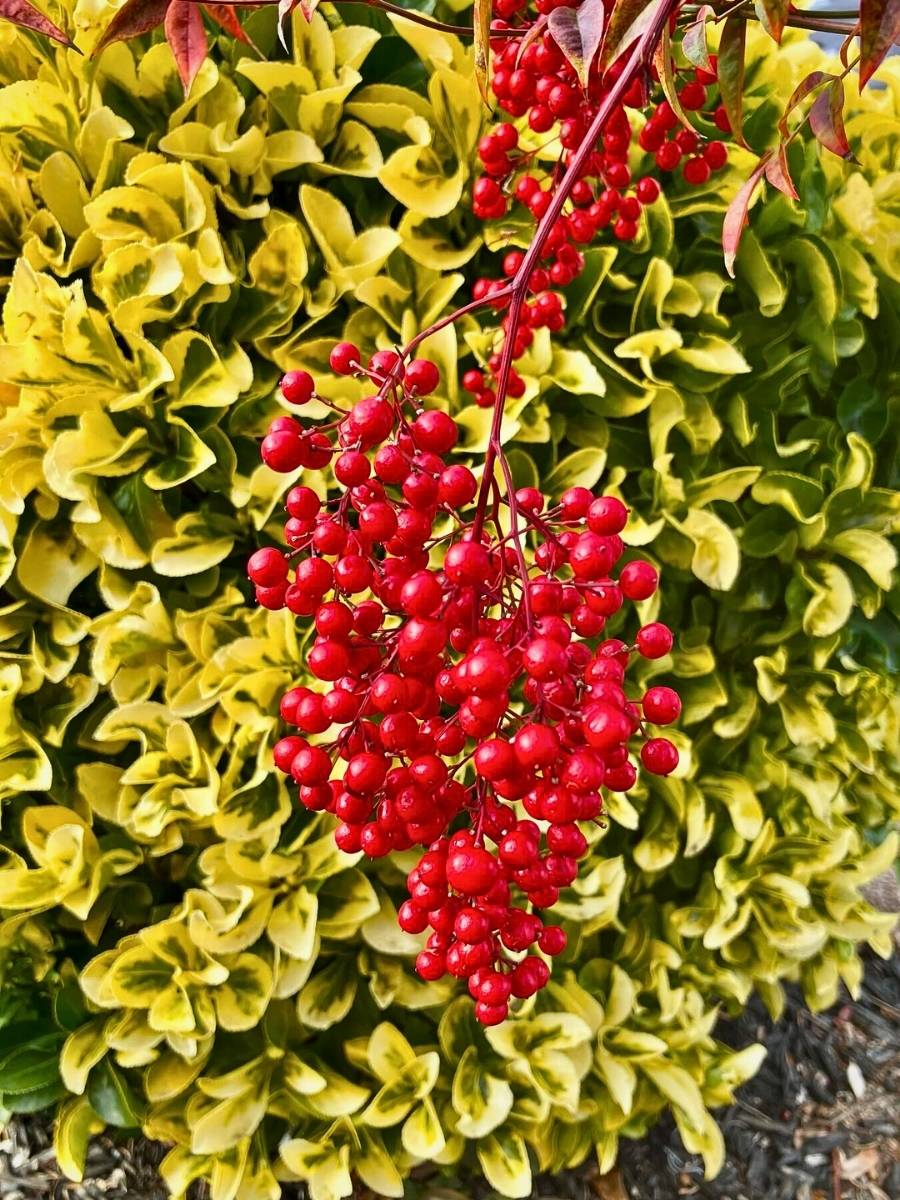
Red berries of the Euonymus fortunei. Photo by @elliekirkauthor
Why does it cause problems? There are several reasons. First, Euonymus fortunei spreads by both vegetative runners and bird-dispersed seeds. Birds eat the bright seeds and deposit them in woodlands far from garden plantings. Second, once established in a forest understory, it can form dense mats that outcompete native wildflowers and tree seedlings. Third, it climbs trees aggressively, eventually girdling or shading out its host.
In Maryland, for instance, winter creeper (another common name for Fortune’s spindle plant) is reported across almost the entire state, and its sale has been banned as a Tier 1 invasive plant. More broadly, it is recognized as highly invasive and damaging in many urban forests in the United States.
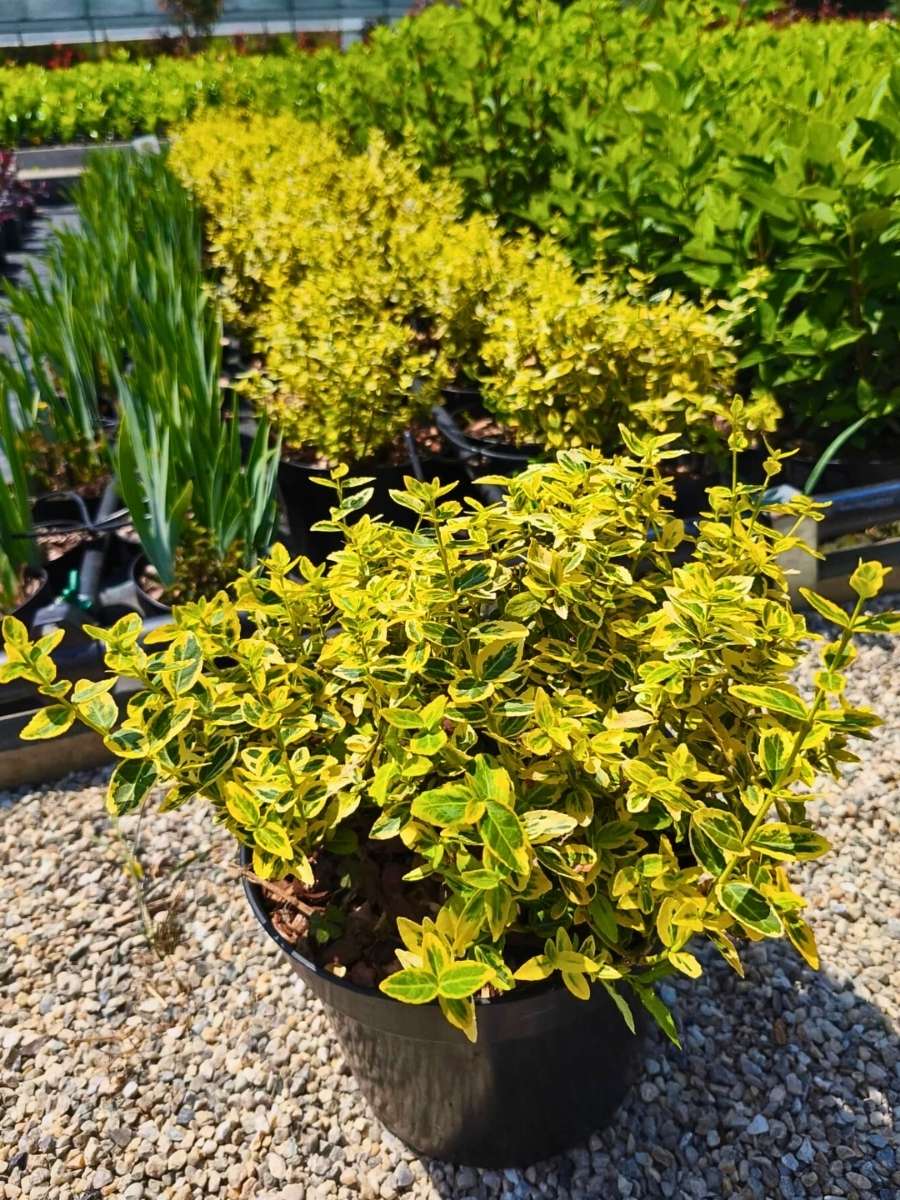
Photo by @rasadnik_greeneraj
If you garden in North America or other regions where the plant’s invasive status is official, always check the regulations before planting. In some areas, removal rather than planting is strongly recommended. In their assessments, some institutions rank it among the more persistent and difficult-to-control invasive plants.
Is Fortune’s spindle invasive where you live? This depends entirely on your location. In the Pacific Northwest, much of Canada, and parts of Europe, it is grown widely as an ornamental without significant ecological concerns. In the Eastern and Midwestern United States, the picture is different. If you are in those regions, as noted, it is worth checking your state’s invasive species list before planting.

Photo by @n_kulesia
Is Fortune’s Spindle Poisonous?
This is one of the most common frequently asked questions about Fortune’s spindle plant, and it deserves a clear answer. Yes, Fortune’s spindle is considered toxic. Practically all its parts contain compounds called cardenolides, which are cardiac glycosides. These are the same type of compounds found in plants like foxglove and lily of the valley.
Euonymus Fortunei’s Toxicity to Humans
In humans, ingestion of the seeds, leaves, or bark of Fortune’s spindle can cause nausea, vomiting, diarrhea, and abdominal pain. The seeds are particularly problematic because of their bright orange color, which can attract young children’s curiosity.
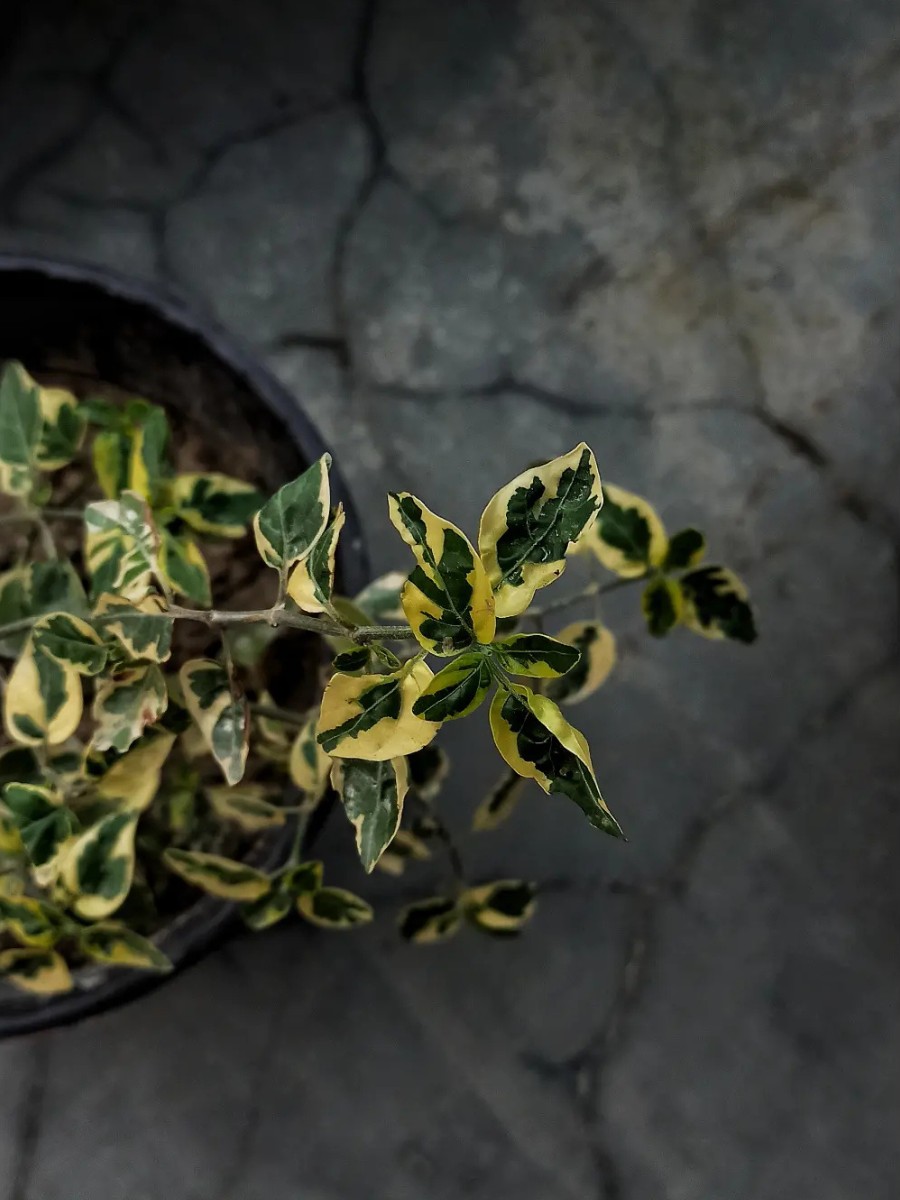
Photo by @rupjyotih
Fortunately, serious poisoning in humans from Euonymus fortunei is rare, partly because the plant has a bitter taste that tends to discourage large quantities from being consumed. That said, if a child or adult ingests any part of the plant, contacting Poison Control is the right move.
Is Fortune’s Spindle Poisonous to Dogs and Cats?
Yes, it is also considered toxic to dogs and cats. The ASPCA lists Euonymus species as toxic to pets. Symptoms in animals can include vomiting, diarrhea, lethargy, and, in more serious cases, cardiovascular effects. If your pet has chewed on Fortune’s spindle and is showing any of these symptoms, a call to your veterinarian is warranted.
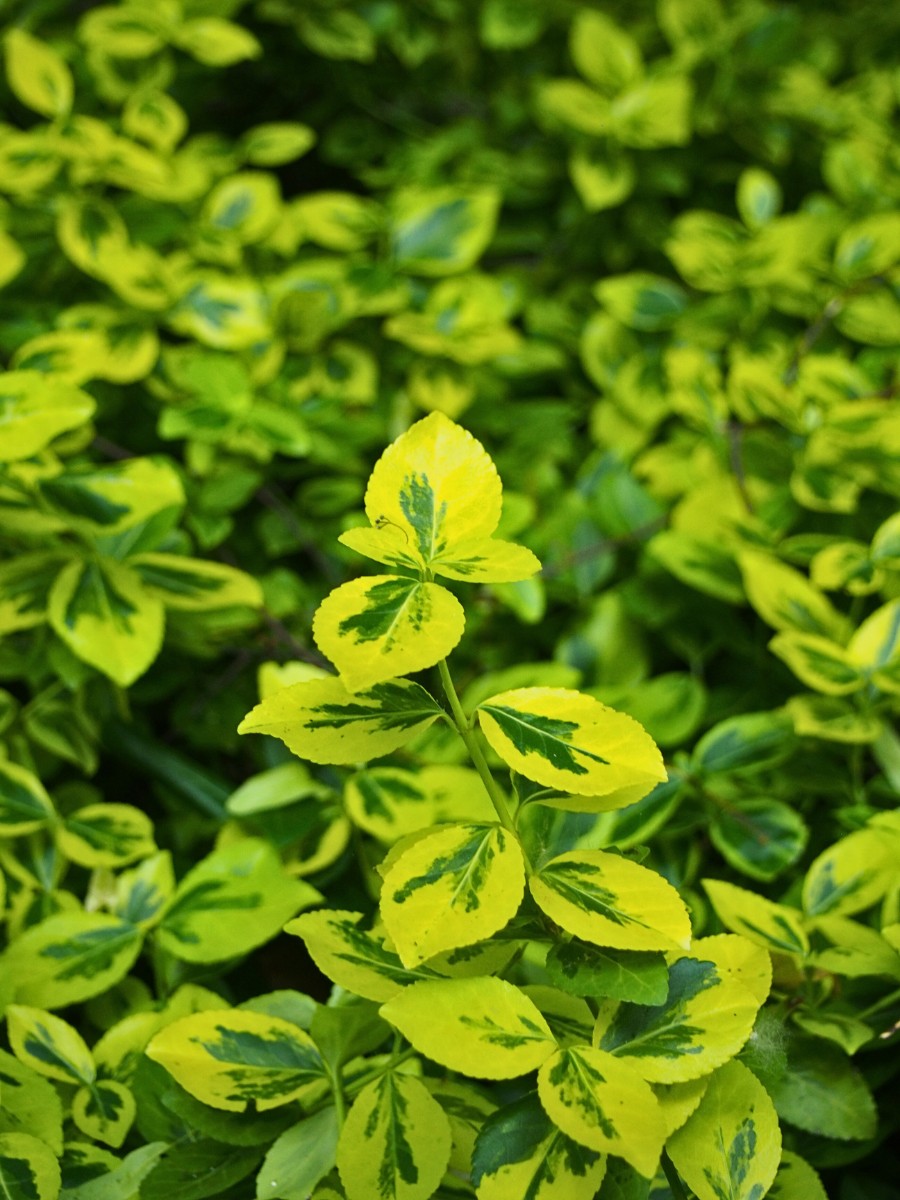
Photo by Agnieszka Kwiecień, Nova
This does not mean you cannot have Fortune’s spindle in your garden if you have pets. Many pet owners do. But it is worth being aware, especially if you have a dog that tends to chew on plants or a cat that likes to nibble greens.
Growing the Fortune’s Spindle Plant
If Fortune’s spindle invasive risk is low or regulated in your region, you can still grow it with good care and management practices.
Soil, Light, and Climate Preferences
One of the reasons Fortune’s spindle has done so well in gardens is its adaptability. It grows in a range of conditions, tolerating full sun, partial shade, and even fairly dense shade, though variegated cultivars tend to hold their leaf color better with more light.
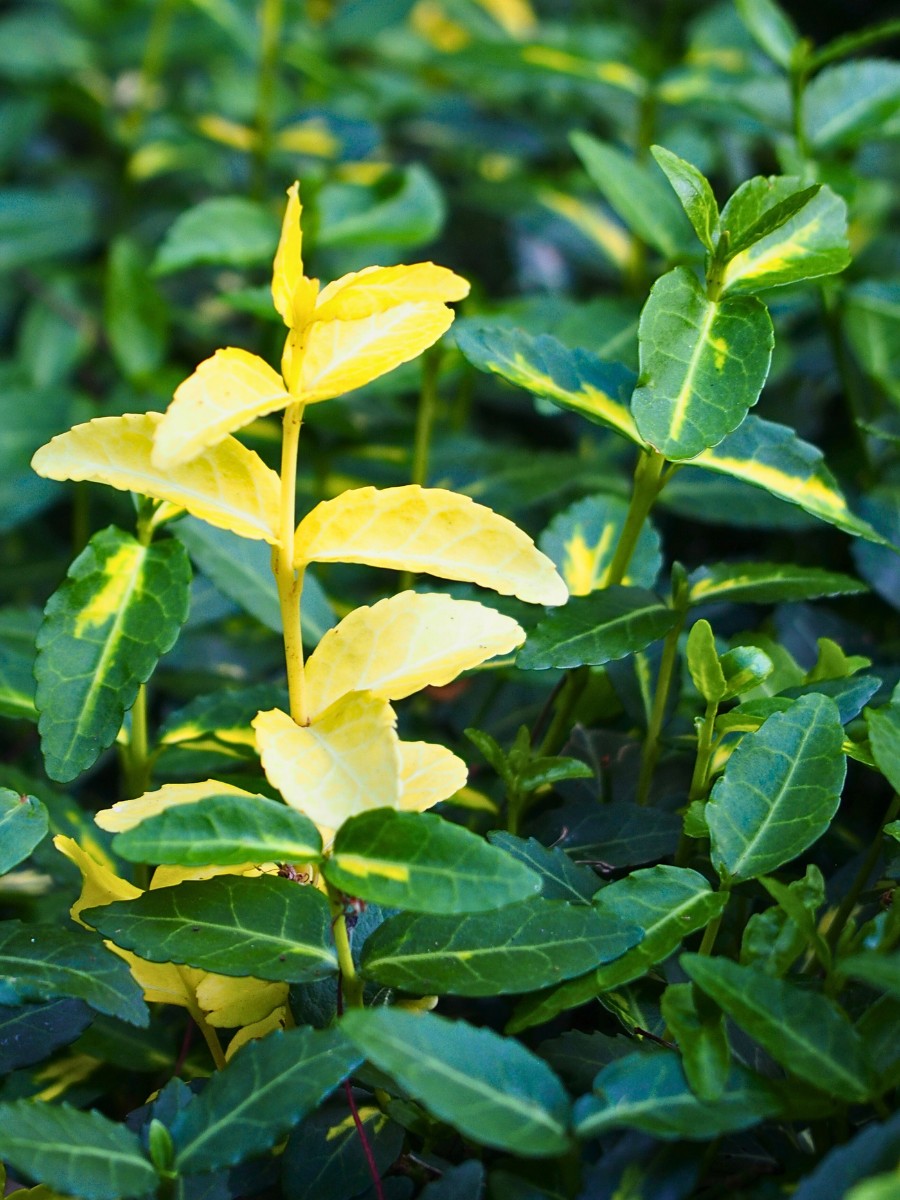
Photo by Agnieszka Kwiecień
It is not fussy about soil type, doing reasonably well in clay, loam, or sandy soils, provided drainage is at least adequate. It tolerates both slightly acidic and slightly alkaline pH levels. It is hardy in USDA zones 5 through 9, depending on cultivar. It handles cold winters and hot summers with relatively little complaint, which is part of why it has naturalized so readily outside its native range.
Watering and Maintenance
Established plants are notably drought-tolerant. During the first growing season, regular watering helps establish a strong root system, but after that, supplemental irrigation is rarely needed except during prolonged dry spells. The plant is low-maintenance in that sense, and does not require regular fertilization in most garden soils.
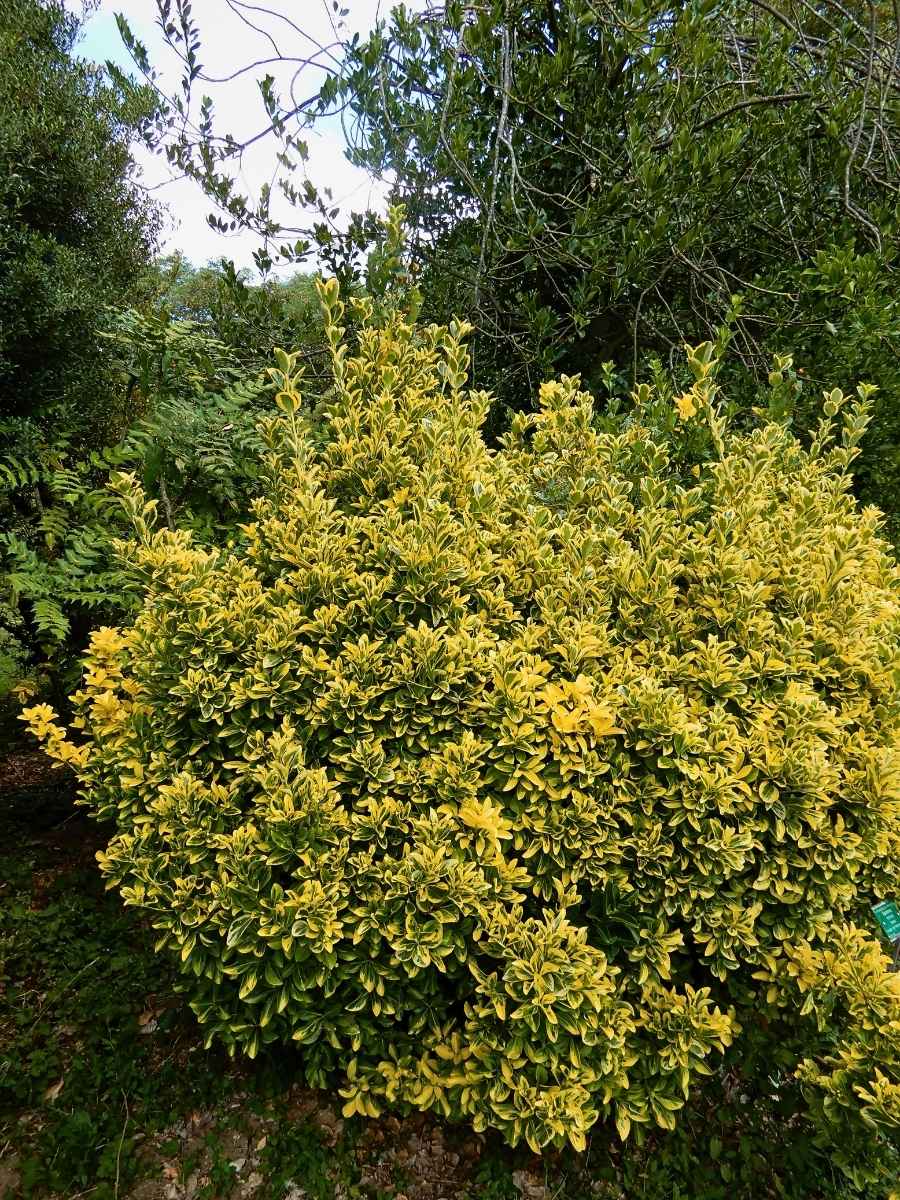
Photo by Zythème
Pruning is something you will likely want to do periodically, both to keep the plant in bounds and to manage its tendency to spread. Hard pruning is generally well-tolerated. Late winter or early spring, before new growth begins, is a good time for more significant cutting back.
Responsible Gardening Practices With Fortune’s Spindle Vine
Use non-climbing forms away from natural woodlands, especially in regions with known Fortune’s spindle invasive problems, and prune flowering and fruiting stems to reduce berry and seed production that birds could spread.
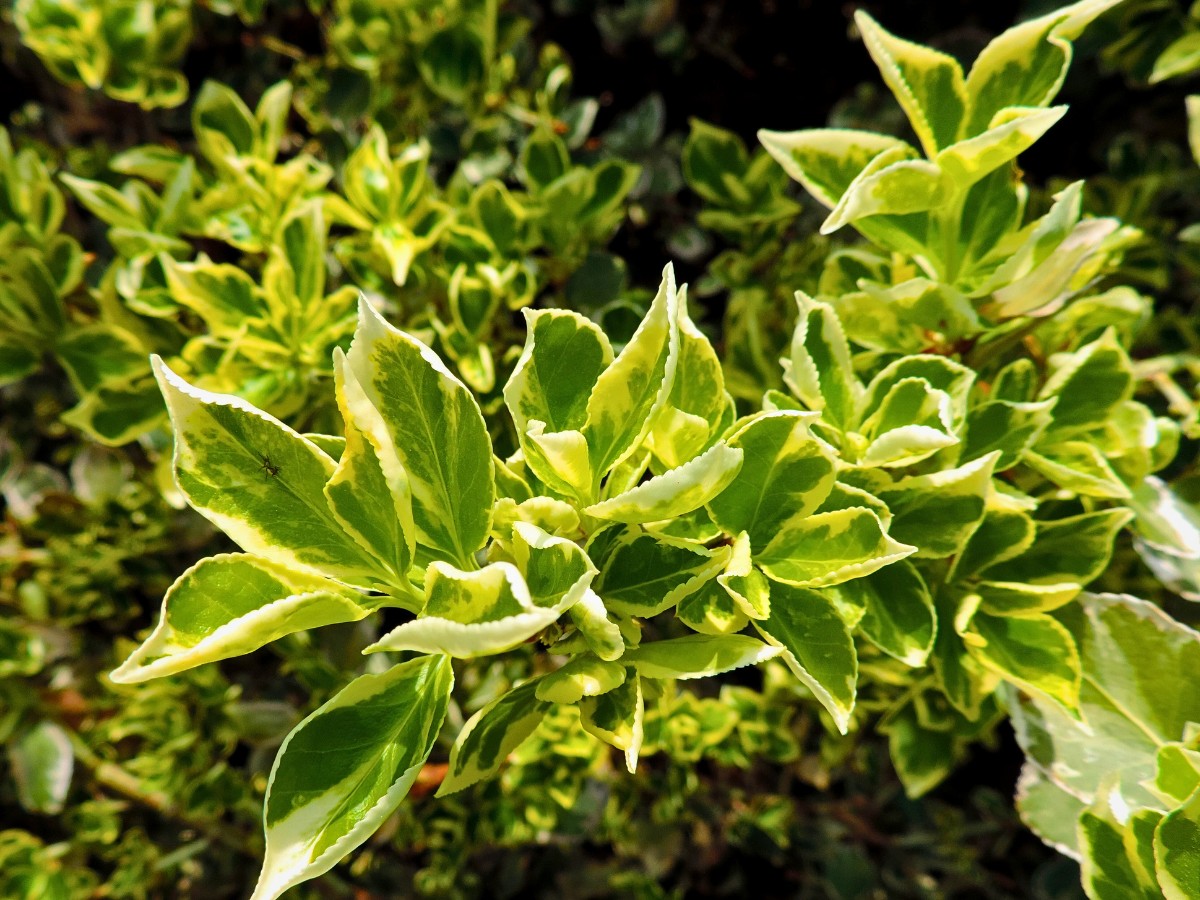
Photo by Krzysztof Ziarnek
Also, regularly edge and cut back its groundcover patches to keep them contained. Combining good site selection with maintenance means you can enjoy the plant without letting it escape into nearby natural habitats where it might become invasive.
How to Propagate Fortune’s Spindle
For those who want to know how to propagate Euonymus fortunei, there are several reliable methods. But before you plan how to propagate Fortune’s spindle, first confirm that its planting is allowed in your region, because propagating invasive plants is restricted in some areas.
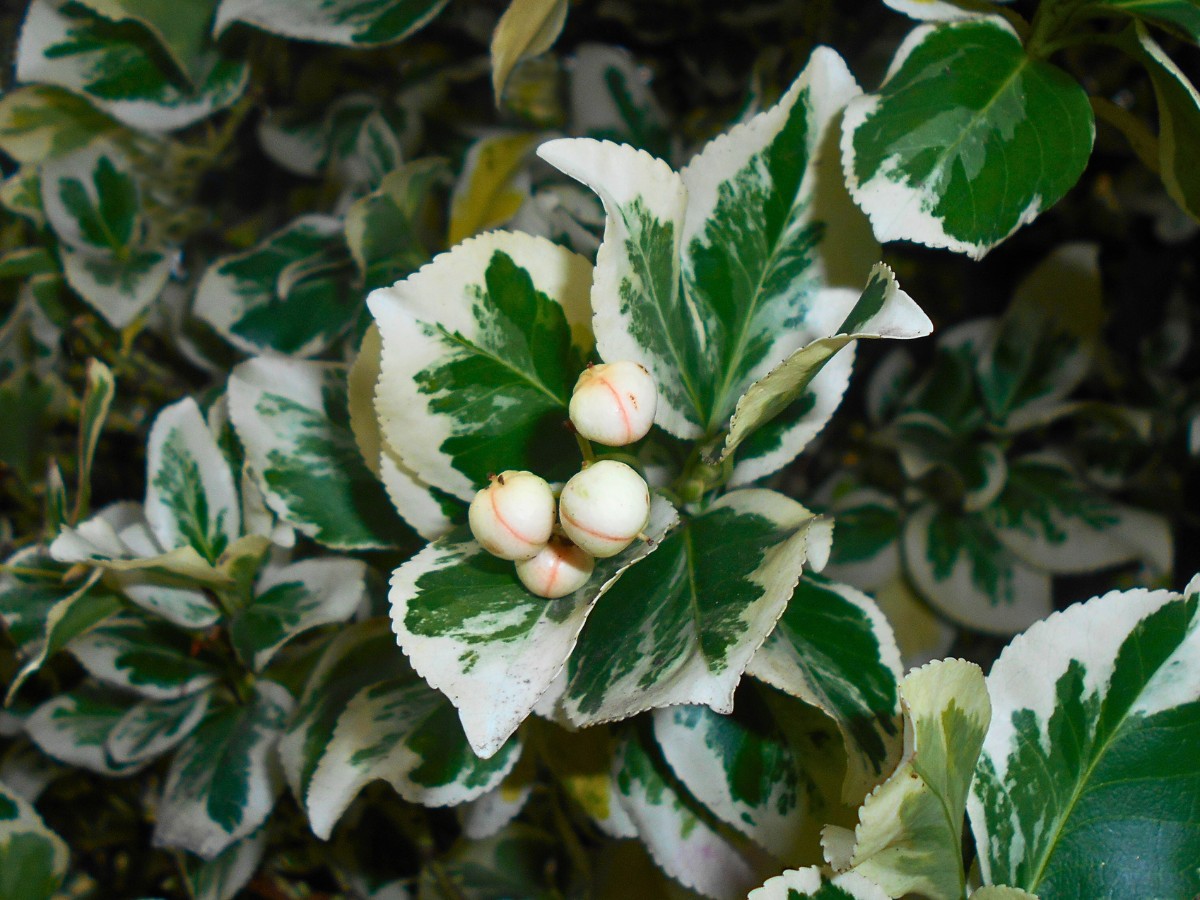
Photo by Salicyna
Propagating Fortune’s Spindle From Cuttings
One of the most common ways to propagate Fortune’s spindle is by taking stem cuttings. Steps for propagating it from cuttings are:
Select non-flowering shoots from healthy Fortune’s spindle vine in late spring or summer, preferably semi-ripe stems that are firm but not fully woody.
Cut 7–10 cm sections, remove the lower leaves, and dip the cut end in rooting hormone if available.
Insert the cuttings into a tray of moist, well-drained propagation mix, such as perlite and peat or fine compost.
Cover with a clear lid or place in a sheltered, bright spot out of direct scorching sun to keep humidity up.
Once roots form and new growth appears, pot each plant into its own container and grow on before planting out.
This method keeps the traits of a chosen cultivar, such as the leaf color of ‘Emerald ’n’ Gold’ or ‘Emerald Gaiety’.
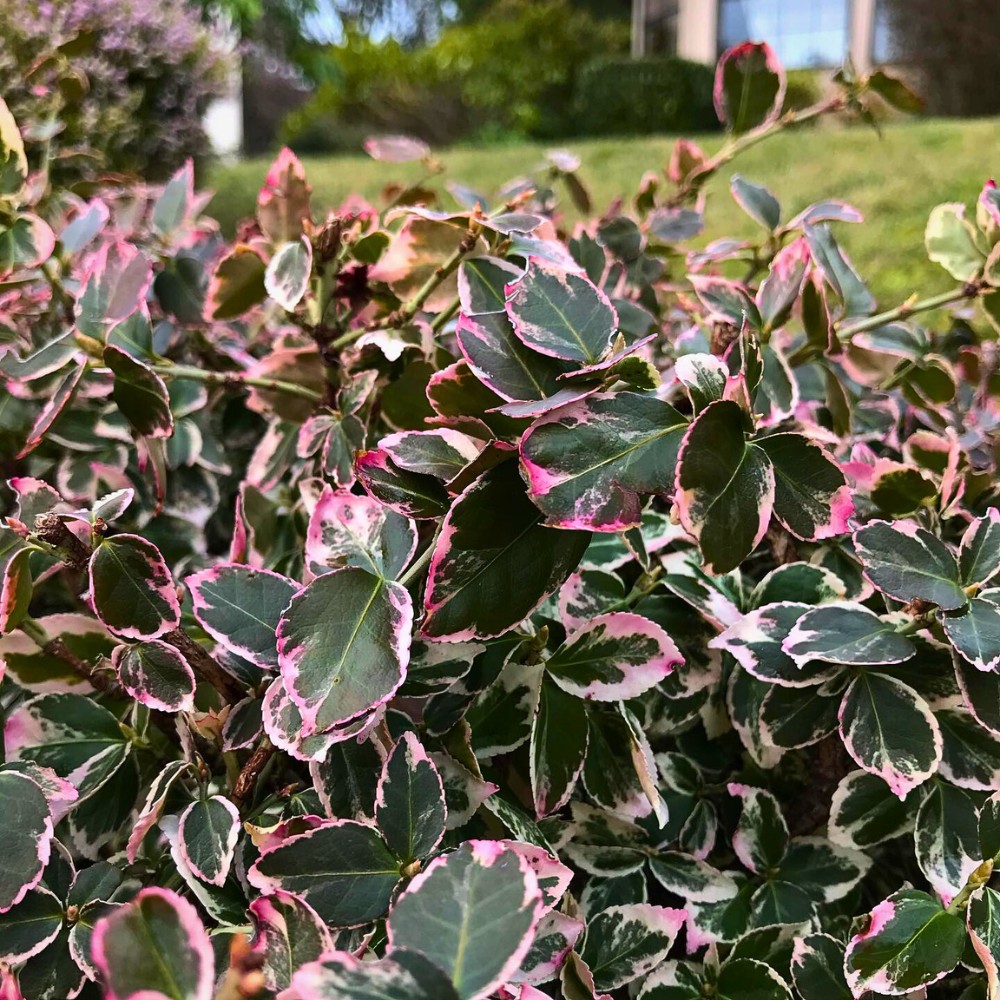
Photo by @outdoor.g1rl
Propagating Fortune’s Spindle by Layering and Division
Because Fortune’s spindle vine naturally roots where stems touch the soil, layering is a very simple way to propagate it.
Peg down a low, flexible stem of Fortune’s spindle plant into contact with the soil and lightly cover that section with compost.
After roots develop at the pinned section, cut the new young plant away from the parent and transplant.
In dense groundcover patches of the vine, you may also find rooted sections that can be gently lifted and divided. This is another easy, low-tech approach to propagate Fortune’s spindle without specialized equipment.
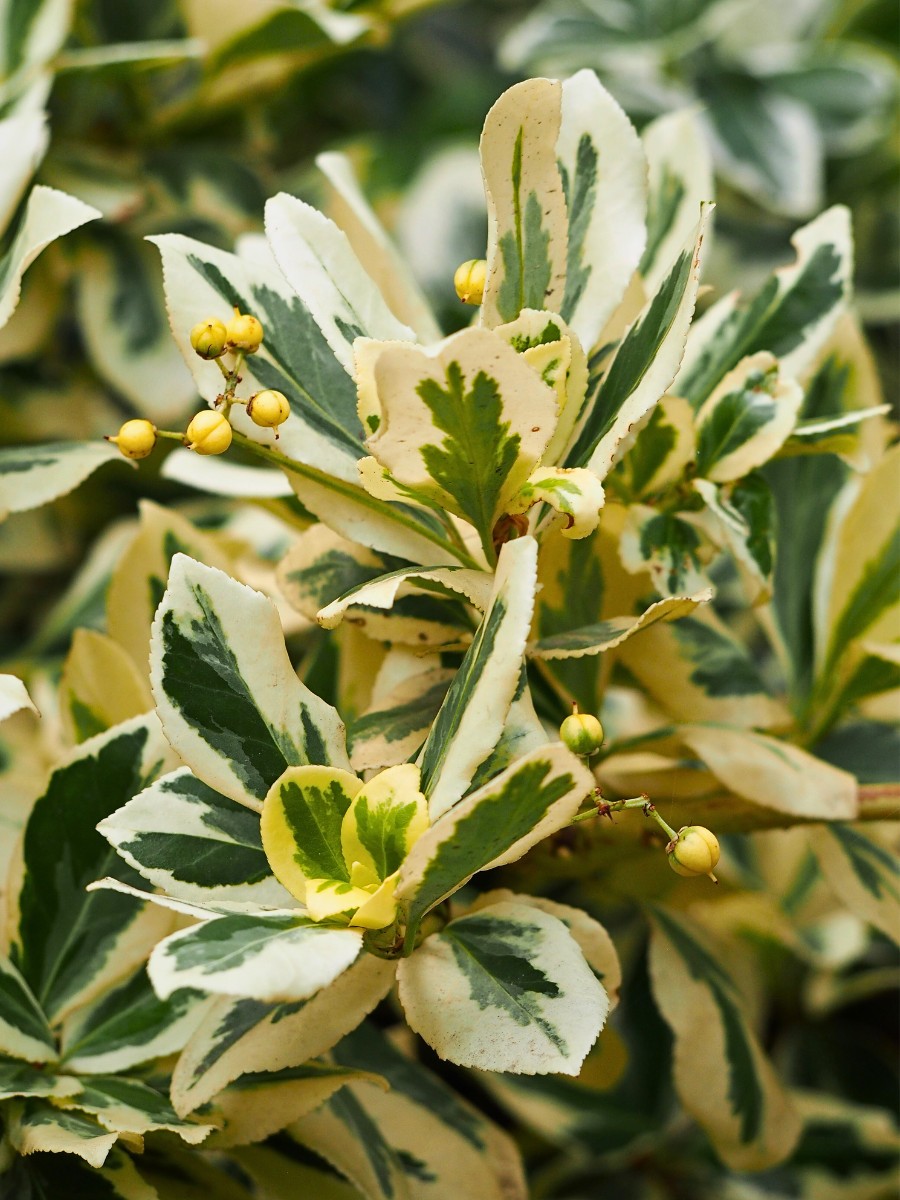
Photo by Agnieszka Kwiecień
Propagation by Seed and Why It Is Less Common
While Fortune’s spindle vine does produce seed, home gardeners rarely use this method to propagate it. Seedling offspring may not keep the exact variegation or compact growth of named cultivars. In regions where the plant’s invasive behavior is a concern, sowing seed could also increase the risk of spreading into natural areas. So, if you consider propagating the plant by seed, first check local regulations and think carefully about containment and long-term management.

Euonymus fortunei ikebana by @wendyjpn
Popular Garden Uses of Fortune’s Spindle Plant
In areas where it is not invasive, Fortune’s spindle plant has real landscape value. It is valued for its year-round foliage, colored leaf margins, and tough nature. Many cultivars have been selected for specific colors and growth forms and for use as container plants, often clipped or shaped.
It also works particularly well as a groundcover under trees where lawn grasses struggle. It covers slopes and banks effectively, helping control soil erosion. As a climber on walls, fences, or trellises, it provides year-round green coverage with seasonal color interest from its variegated leaves and autumn fruit.

Photo by @hooks_greenhouse
Its tolerance of shade, drought, and pollution makes it a practical choice for urban gardens and difficult sites. Plus, for those gardening in USDA zones 5 and 6, the winter color of purplish or rosy-tinged cultivars adds interest during otherwise bare months.
Feature image by Salicyna. Header image by Opiola Jerzy (Poland).
Comments are closed.