
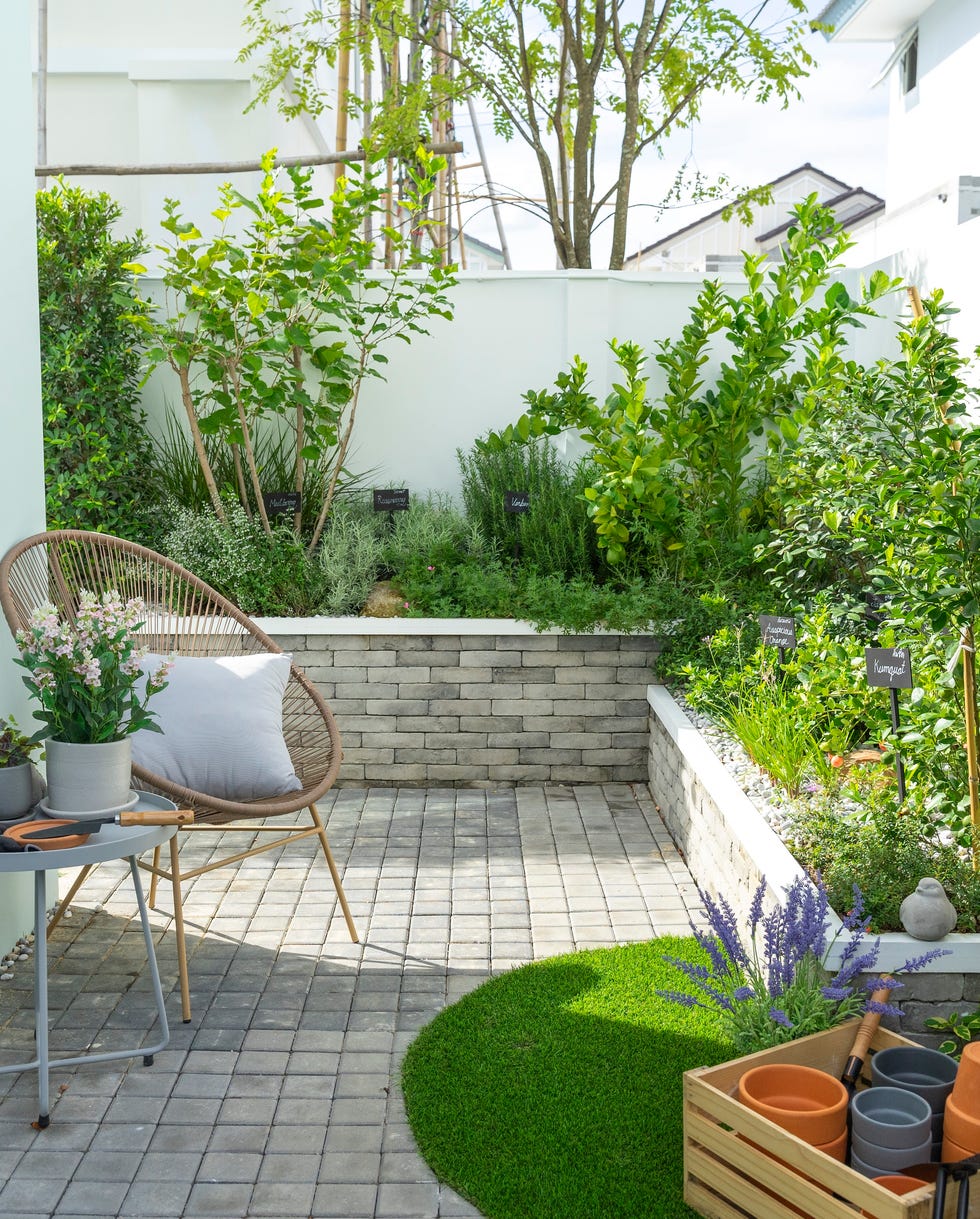
Think your garden’s too small for a tree? Think again. Arboricultural experts say even the most compact plots can support the right species – and the benefits go far beyond aesthetics.
The key is smart selection and careful positioning. Done properly, a tree can boost privacy, attract wildlife and bring height and dappled shade to a small space — all without overwhelming the garden or dominating its surroundings.
Dean Meadows, principal arboriculturalist at Arbtech, says: ‘Having a smaller garden shouldn’t hold you back when it comes to planting – there are plenty of options offering you year-round impact when it comes to privacy, shade and foliage.’
Dean says the key is choosing a tree that suits the space at its mature size and placing it thoughtfully to avoid issues with roots, shade and boundaries.
‘Thoughtful planting not only enhances privacy and visual appeal, but also supports local wildlife and biodiversity, making small gardens just as valuable for the environment as larger ones.’
With that in mind, here are the key things to consider before planting a tree in a small garden.

ben-bryant//Getty Images
1. Choose trees for their mature size, not how they look now
One of the biggest mistakes in small gardens is choosing a tree based on how it looks at the point of purchase, rather than how large it will become over time.
Dean stresses that even smaller tree species can reach heights of up to 26ft, so it’s important to consider both height and spread before planting. In compact spaces, branches and roots can end up crossing boundaries, causing damage or neighbour disputes if a tree outgrows its spot.
At the same time, a tree that’s too small may not provide the screening, shade or canopy cover you were hoping for.
2. Evergreens can offer year-round privacy and structure
If you want one tree to make the most impact in a small space, choose an evergreen.
‘The most obvious benefit to planting evergreens in your small garden is they keep their leaves year-round, so you can have maximum impact from one small tree,’ Dean explains.
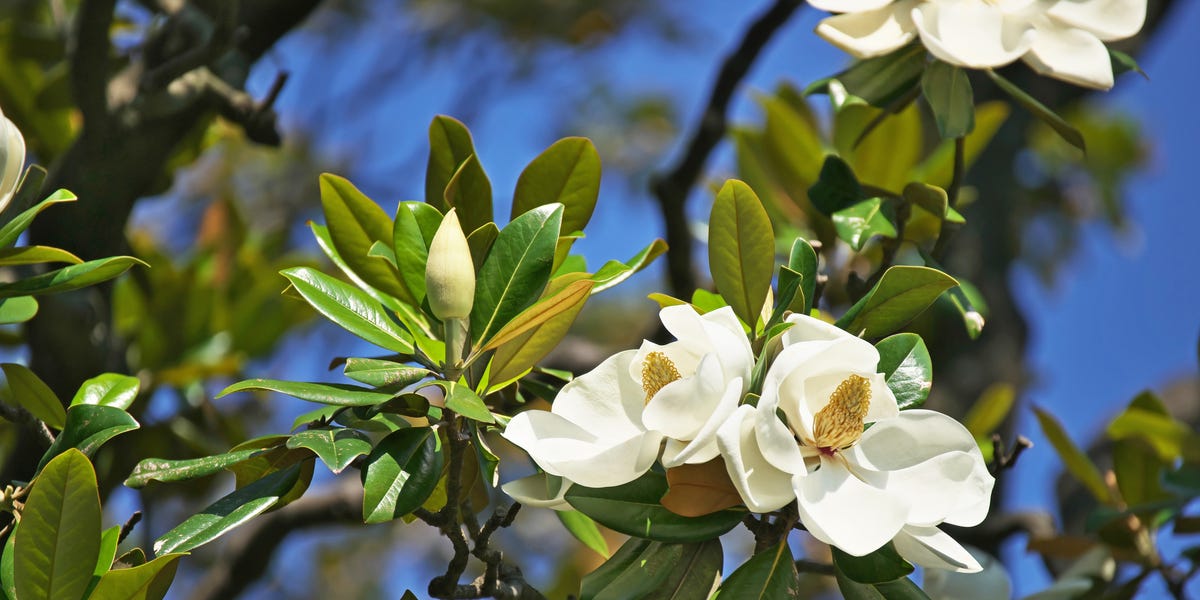
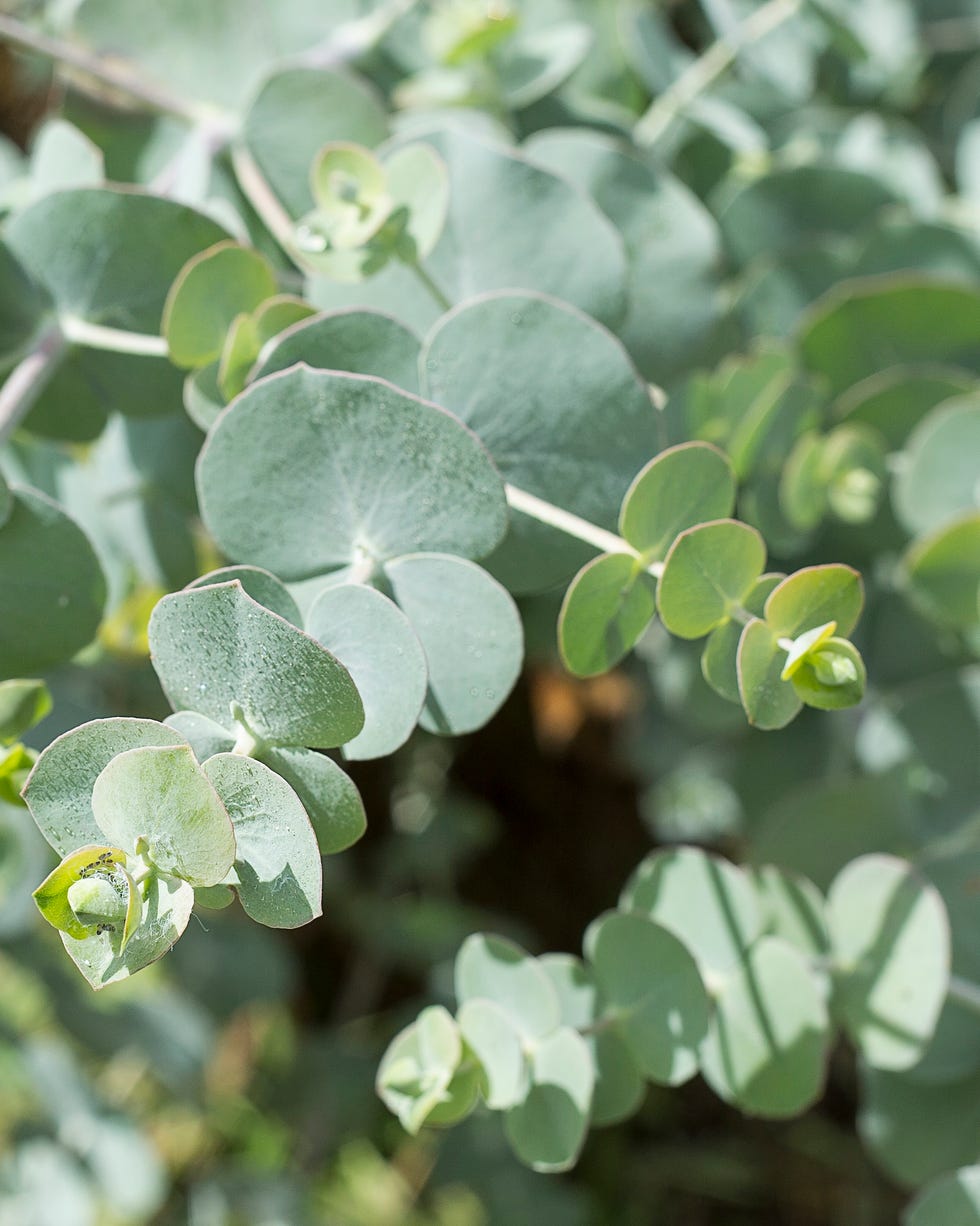
Evergreens can also be lower maintenance because you won’t need to clear fallen leaves each year. Dean suggests eucalyptus, dwarf Scots pine, Magnolia grandiflora and olive trees.
sanjeri//Getty Images
3. Potted trees can work brilliantly in compact gardens
Container planting can be a useful way to add privacy and greenery without committing to planting directly into the ground.
‘Growing trees in containers is a great way to bring extra foliage and privacy into a small garden,’ Dean says.
He advises choosing a pot large enough for the tree’s roots and ensuring it has plenty of drainage holes. He also notes that container-grown trees dry out more quickly than those planted in the ground, so soil moisture needs to be closely monitored.
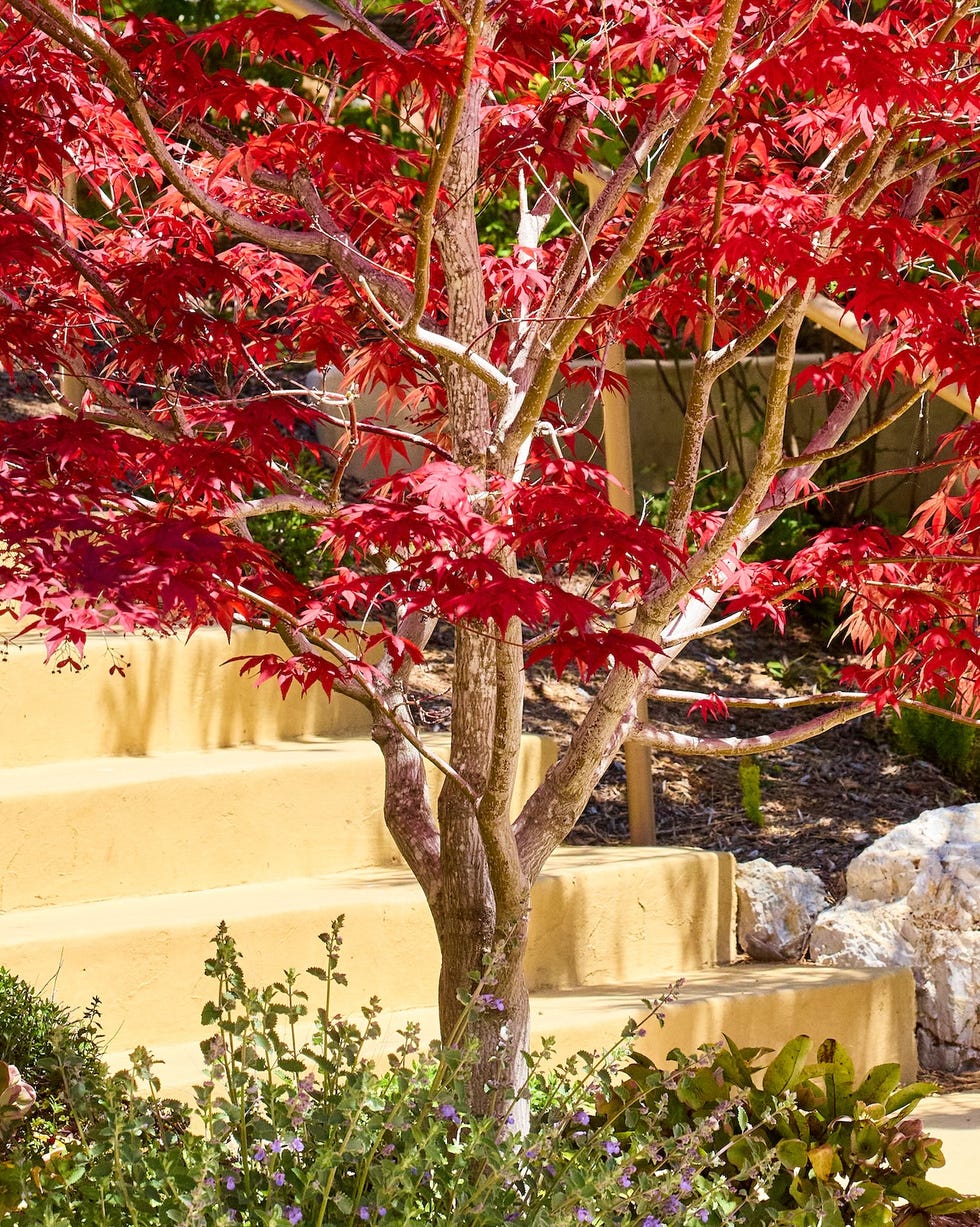
Holly, Japanese maples, and dwarf conifers are all recommended for pots.
Mark Meredith//Getty Images
4. Think about wildlife too
Beyond size and shape, species choice can also affect how much your garden supports wildlife.
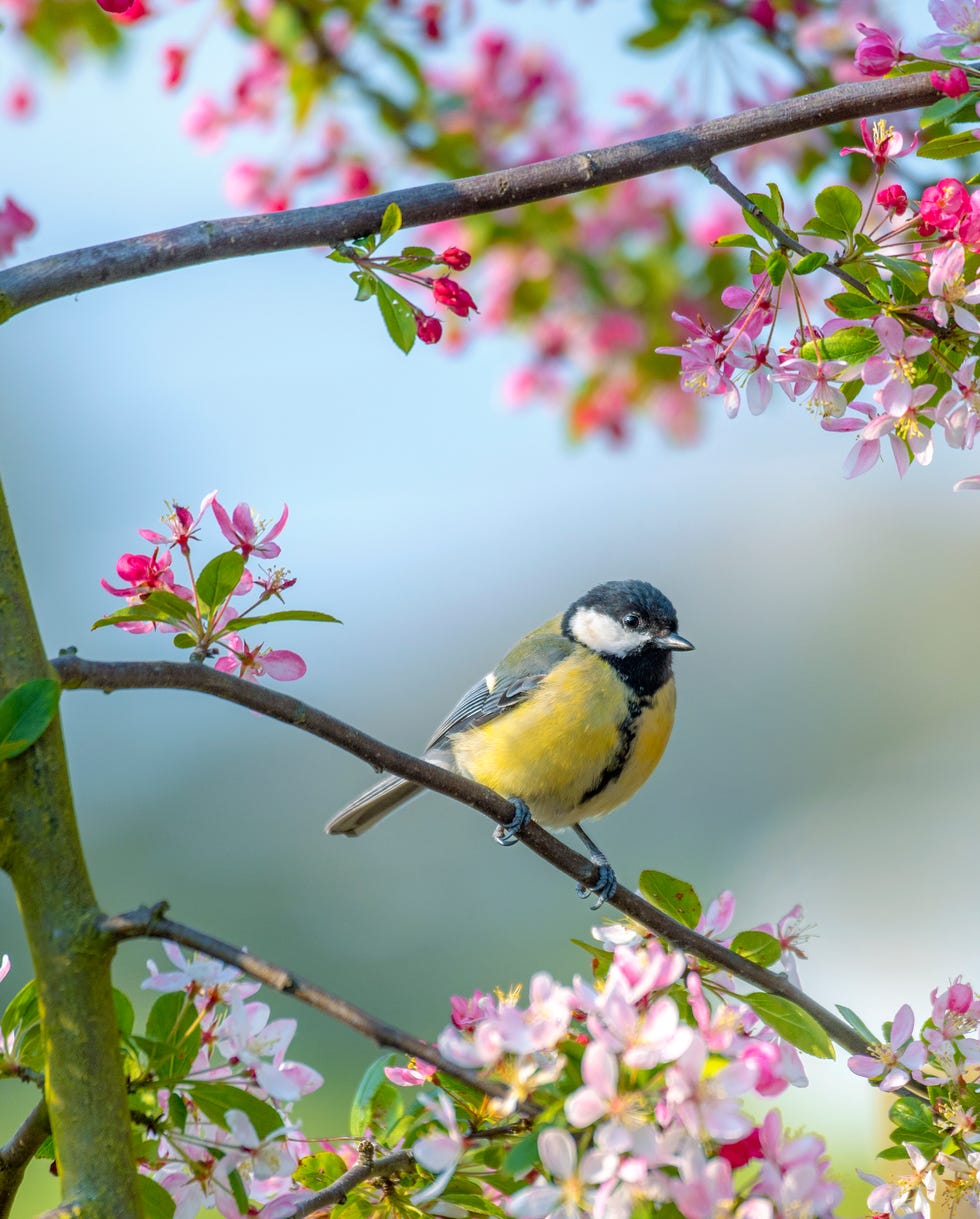
Dean advises homeowners to choose species that align with local wildlife habitats, adding that native and pollinator-friendly trees can help support birds, insects and other fauna while contributing to the wider ecological balance of the garden.
‘Thoughtful planting not only enhances privacy and visual appeal, but also supports local wildlife and biodiversity, making small gardens just as valuable for the environment as larger ones,’ he continues.
Jacky Parker Photography//Getty Images
5. Don’t forget spacing
In smaller gardens, it’s easy to underestimate how much impact one tree can have on the planting around it.
Dean warns against planting too close to hedges or other vegetation, as competition for soil moisture, nutrients and sunlight can affect overall growth. Canopies can also cast significant shade, limiting light to nearby plants.
Thoughtful spacing, even in a compact garden, helps ensure everything has access to the resources it needs to thrive.
Follow House Beautiful on Instagram, TikTok and Pinterest
The Garden Edit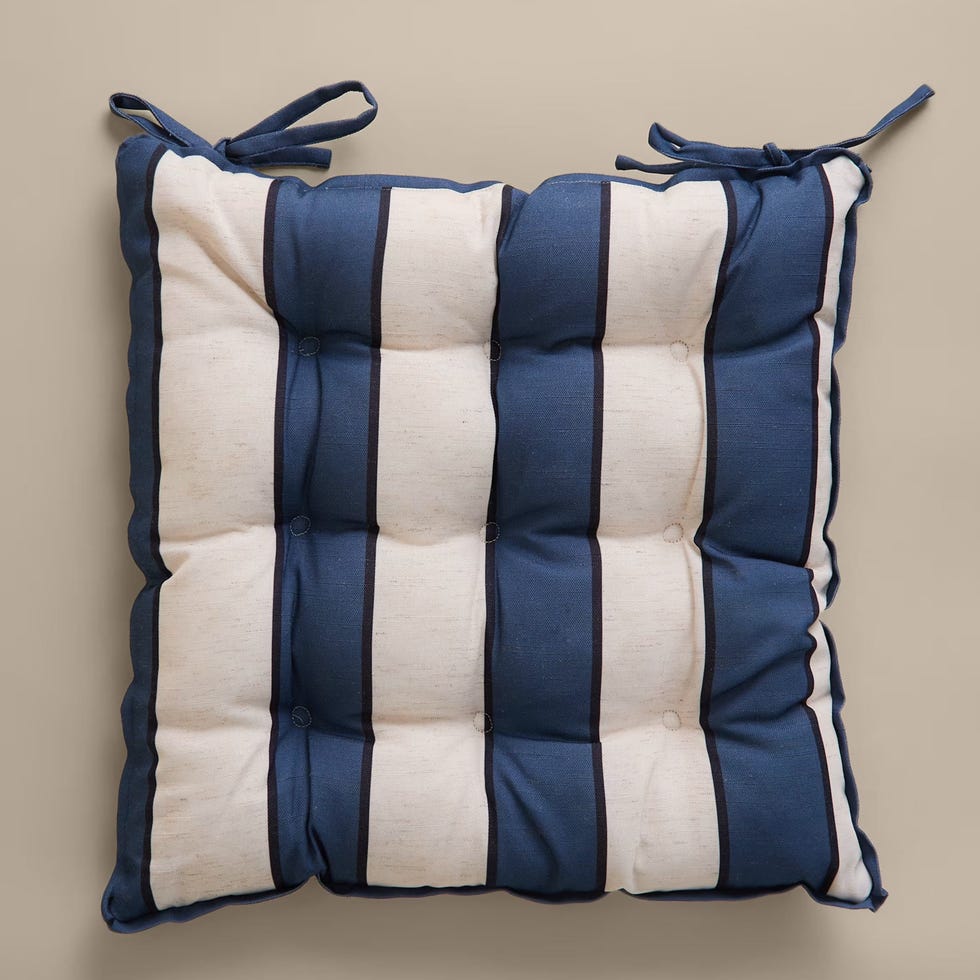 2 Pack Striped Outdoor Seat Pads
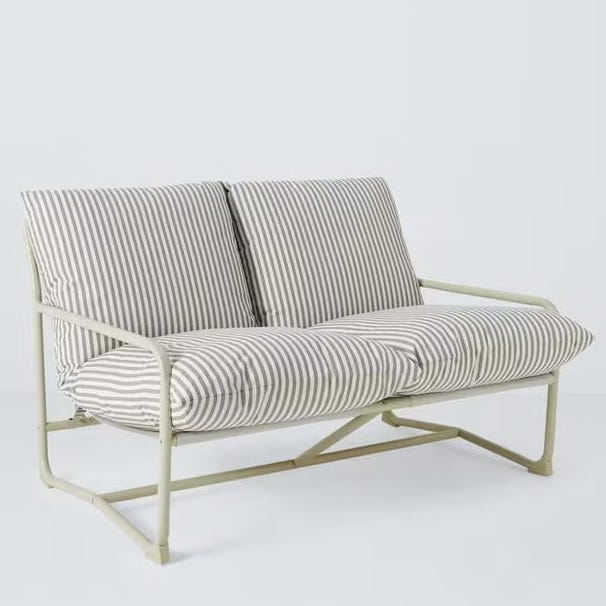 Marcy 2-Seater Sling Garden Sofa, GreigeCredit: John Lewis
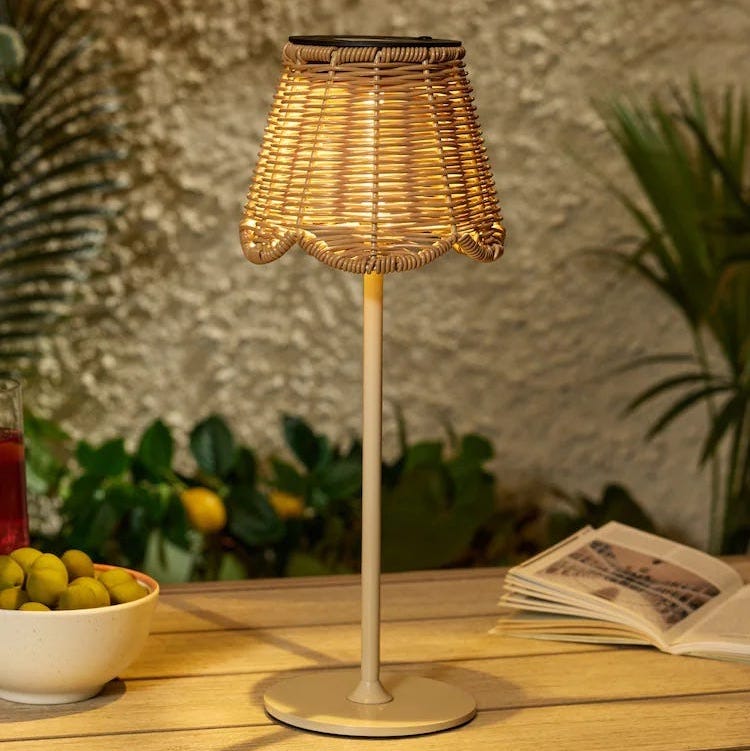 Natural Scalloped Rattan Outdoor Table LampCredit: Next
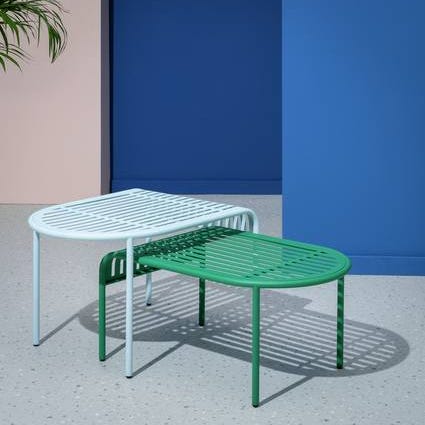 Habitat 60 Lucinda Metal Nesting Garden Tables – Blue & Green
Now 30% Off
Credit: Habitat Scalloped Edge Smooth Fibre Clay Plant PotCredit: Dunelm
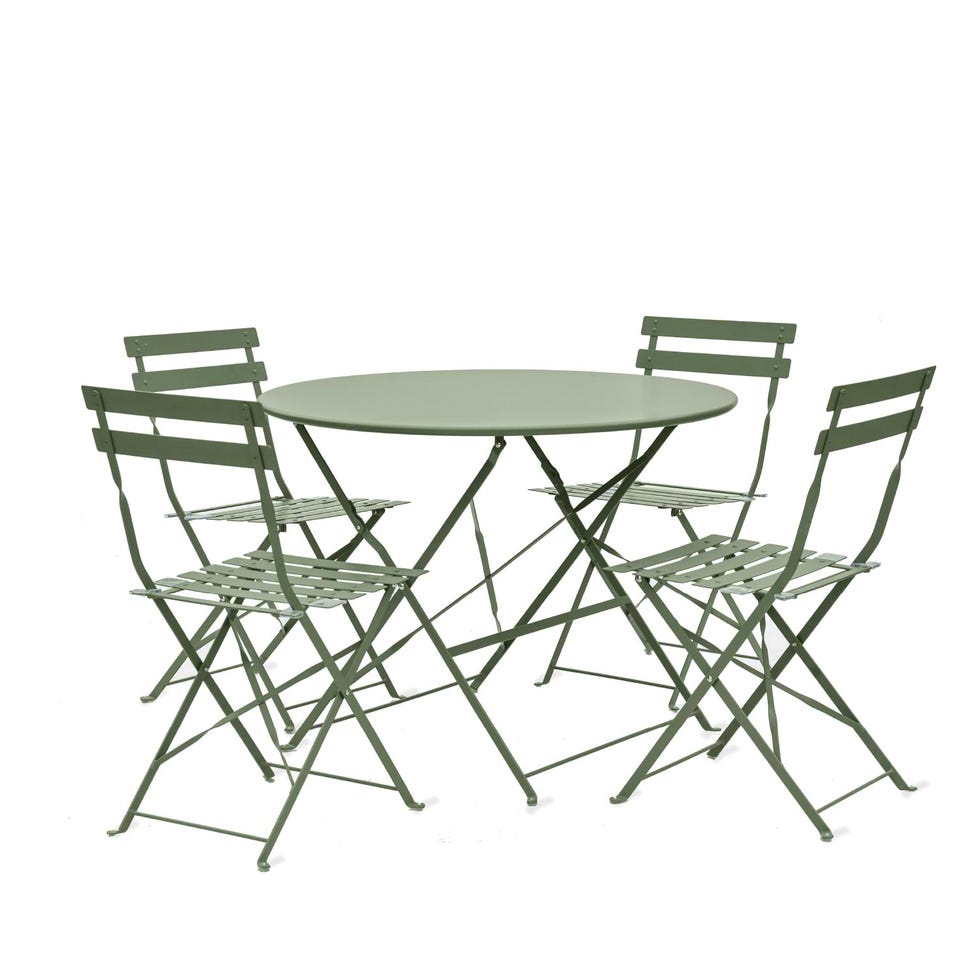 Garden Trading Rive Droite Bistro Set Large Thistle Green
Now 20% Off
Credit: Garden Trading
Comments are closed.