
 6 min read
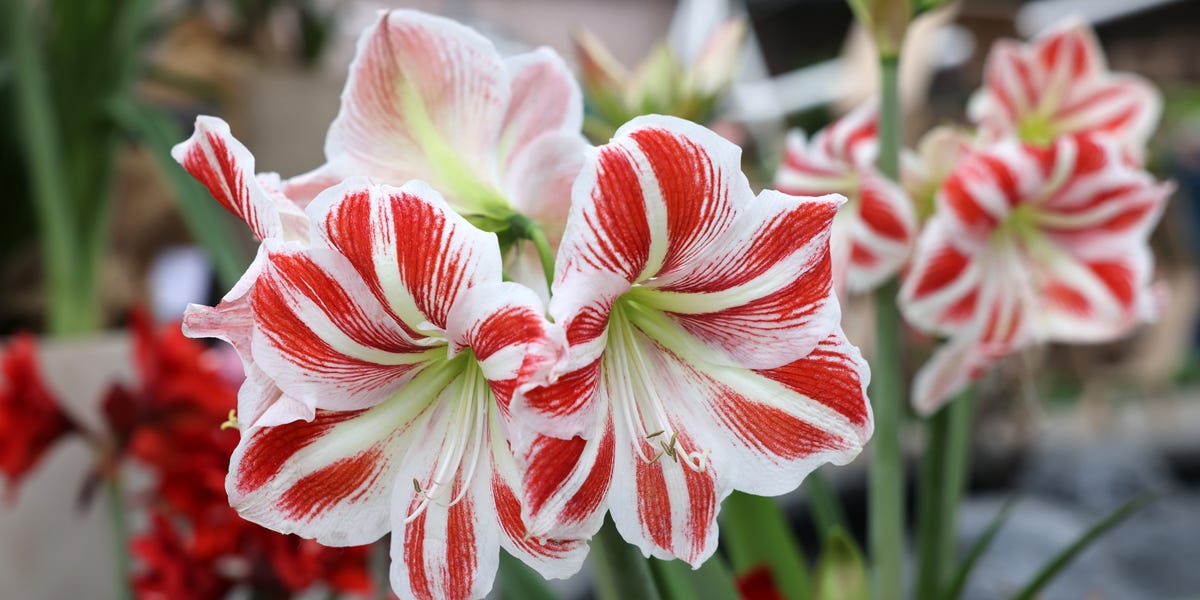
Come winter, when most indoor plants are content to provide just a touch of greenery, amaryllis bursts onto your windowsill with a vivid punch of color. Tall and striking, its trumpet-shaped flowers span 4 to 10 inches across in a range of colors from shades of red, pink, white, salmon, and burgundy, sometimes with interesting variegation. “In winter, around the holidays, amaryllis gives you brilliant colors whenever the wind is howling, and the snow is blowing,” says David Trinklein, an adjunct associate professor of plant science and technology with the University of Missouri Extension.
The plant often referred to as amaryllis belongs to the genus Hippeastrum and originates from South America, whereas the true amaryllis, or belladonna lilies (Amaryllis spp.), come from South Africa. Grown indoors from a bulb, which can range in size from a small apple to a softball, amaryllis can send up one to several thick stalks, each crowned with multiple flowers.
When shopping for amaryllis, you’ll find choices that go beyond color, including single or double blooms that can remain open for up to three weeks. You might also find miniature cultivars, though they’re only modestly shorter, typically growing 10 to 16 inches tall compared with the 18 to 24 inches of a standard variety. The foliage—strap-like leaves that arch outward from the bulb in a loose fan—is typically smooth, medium to deep green, with a graceful shape that can reach up to 24 inches long.
Planting and caring for an amaryllis is straightforward but requires some attention to detail. While you can find bare bulbs in some nurseries and online, typically, gardeners buy them in a boxed kit with a pot and growing media. “If you’re getting a kit, open it and make sure that the amaryllis has not broken dormancy and started to elongate the scape,” says Trinklein of the bulb’s flower stalk.
Garden centers and gift shops sell wax-dipped amaryllis bulbs—often finished in bright colors or glitter—especially around the holidays. The waxed version is a popular present because they don’t need growing media or watering. You set the bulb in bright, indirect light, and it will send up a flower stalk within four to six weeks, fueled by stored energy. “The bulb has what I like to refer to as all the groceries are in the bag,” Trinklein says. “This is why the wax bulbs will bloom, but it’s not as lavish as it would be had they been allowed to root, but it will bloom.” You can remove the wax after the bloom if you plan on storing it for next year, but waxed versions are typically single-use.
Choose the biggest bulbs you can find for the variety you want, since larger bulbs typically send up more stems and produce more flowers in their first season. Look for bulbs that feel firm and dry, show no signs of mold, rot, or damage, and have healthy green shoots emerging, though small offsets at the base are normal and can be separated and planted on their own later.
Here’s what you need to know to coax out a showy riot of color come winter.
Types of Amaryllis
Red Lion blooms with deep, dark red flowers, making a bold statement.
Minerva has white petals with broad cherry-red edges delivering striking contrast.
Apple Blossom is a single-flowering amaryllis with white petals variegated with red lines and a soft pink center.
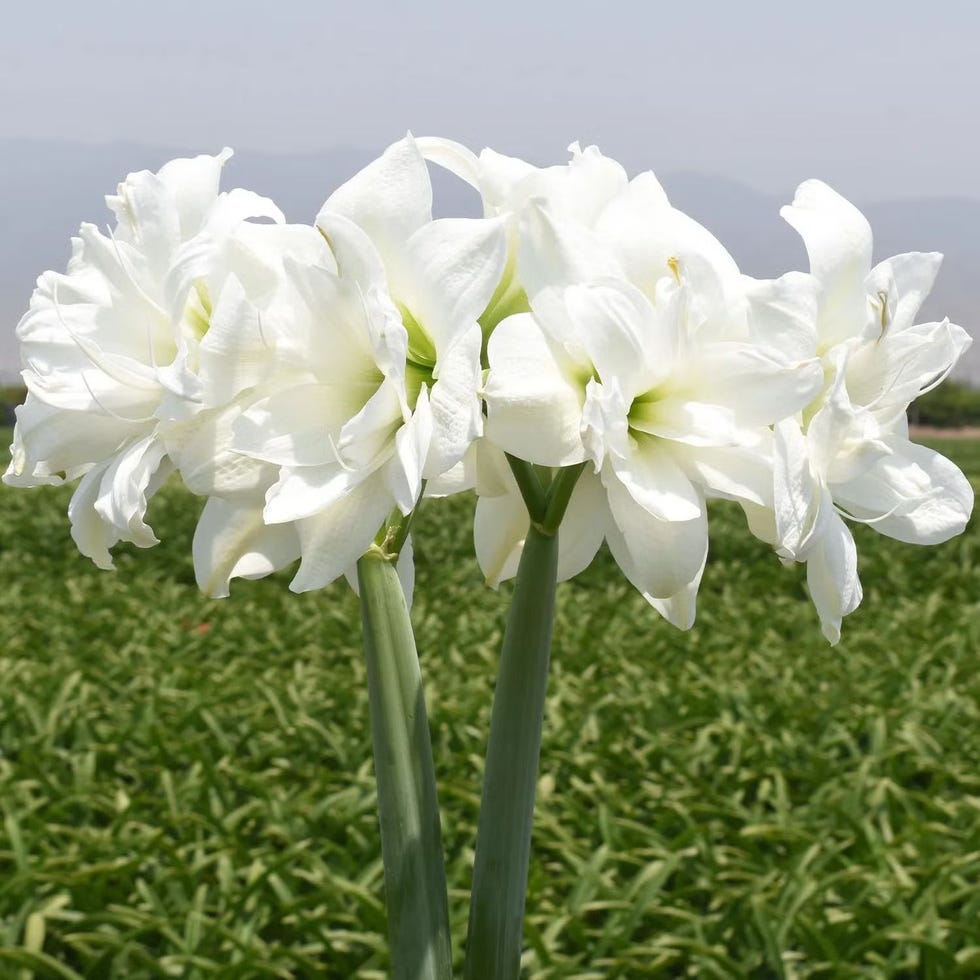
Christmas Gift and White Christmas are similar in that they have a classic form with pure white-to-white flowers.
Monte Carlo is a variegated bloomer with mostly red flowers featuring white stripes down each petal.
Picotee has white petals with a delicate red border and comes with double flowers.
Evergreen is unique with pointy petals in a bold, yellow-green bloom.
How to Plant Amaryllis
Tamer ALKIS//Getty Images
Plant amaryllis in a narrow container with drainage holes, choosing a pot about one inch wider than the bulb and roughly twice as tall to allow room for roots. “Don’t pot the entire bulb,” Trinklein says. “Pot just the base of the bulb so that about two-thirds of the bulb should be above the growing medium.” Trinklein likes using a soilless mix you can find in any garden center because it won’t hold moisture.
Premium Amaryllis Potting Mix
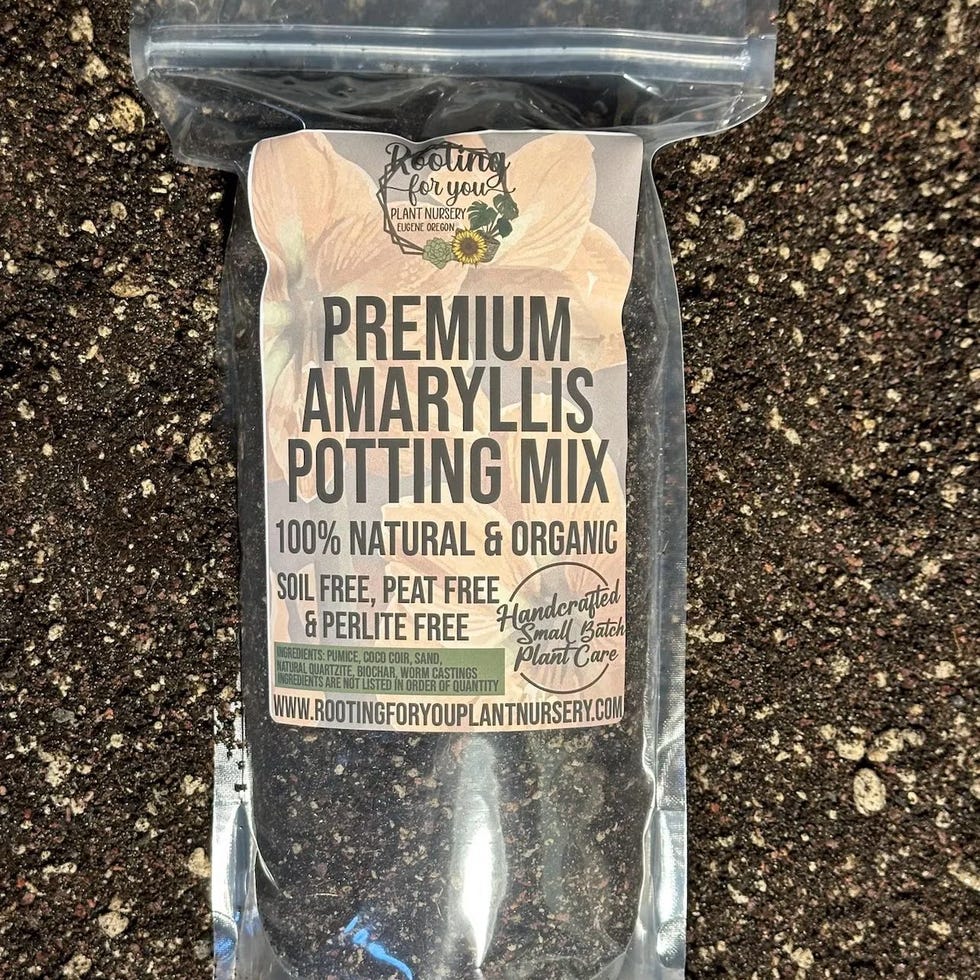
But if all you have is standard houseplant potting mix, that could work too. Linden Pearsall, community horticulture coordinator at Cornell Cooperative Extension, suggests cutting potting soil with perlite or sand in a two-to-one ratio. “Just make sure it drains thoroughly,” she says.
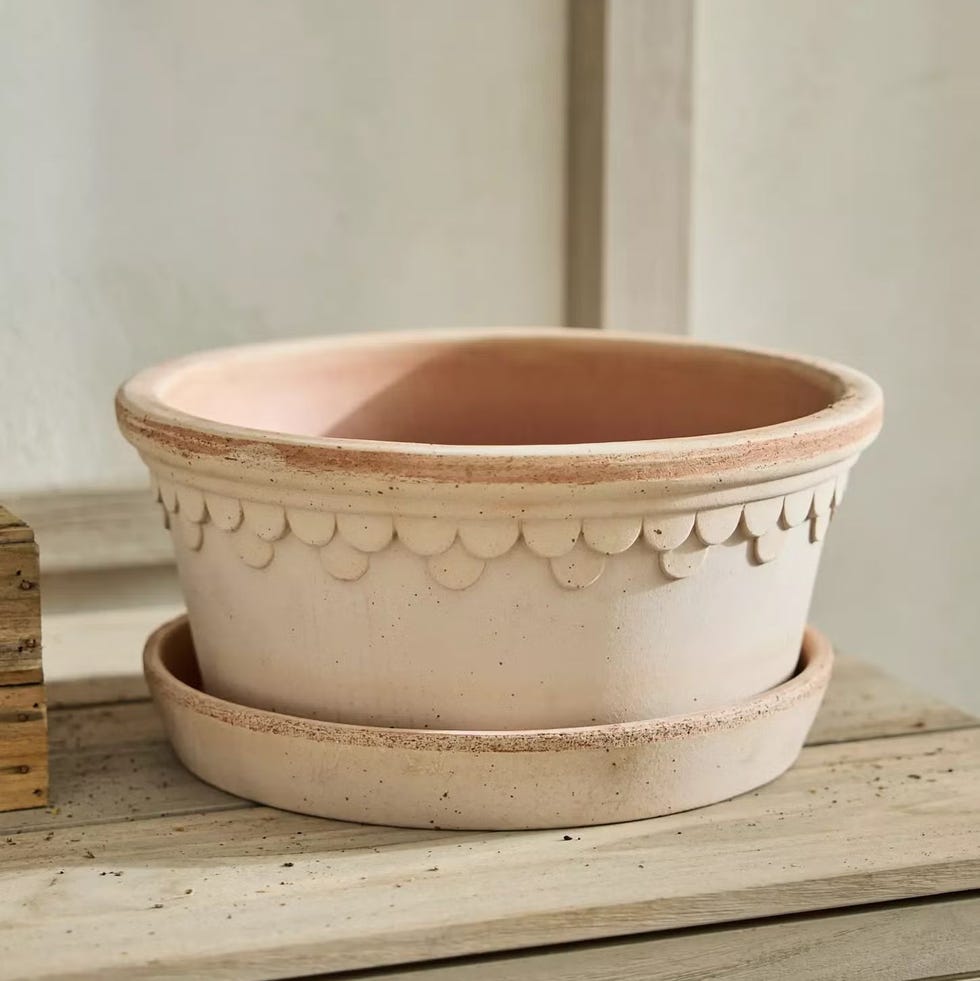
Fill in around the bulb with growing media and gently firm it in place. Set the pot in a sink where it can drain freely, then water until the growing media is thoroughly moist. Let it drain completely before moving the pot to a sunny window, in a saucer, where the temperature is about 70°F to 75°F.
Bergs Copenhagen Terracotta Bowl + Saucer Set
 How to Water Amaryllis
After that initial watering, keep the potting mix just barely moist, watering again only when the top two inches of growing media feel dry. Always allow the container to drain freely and never let the plant sit in standing water, which can lead to root rot and attract pests.
If you have a pre-planted bulb, check that the pot has drainage holes before watering. If it doesn’t, remove the bulb and either drill small holes in the base or transfer it to a pot that drains properly. Some kits include a compressed coir disk that can be rehydrated with warm water. However, it often doesn’t provide enough growing media, so a general, well-drained potting soil is usually more reliable.
XLUX Soil Moisture Meter
 Where to Grow Amaryllis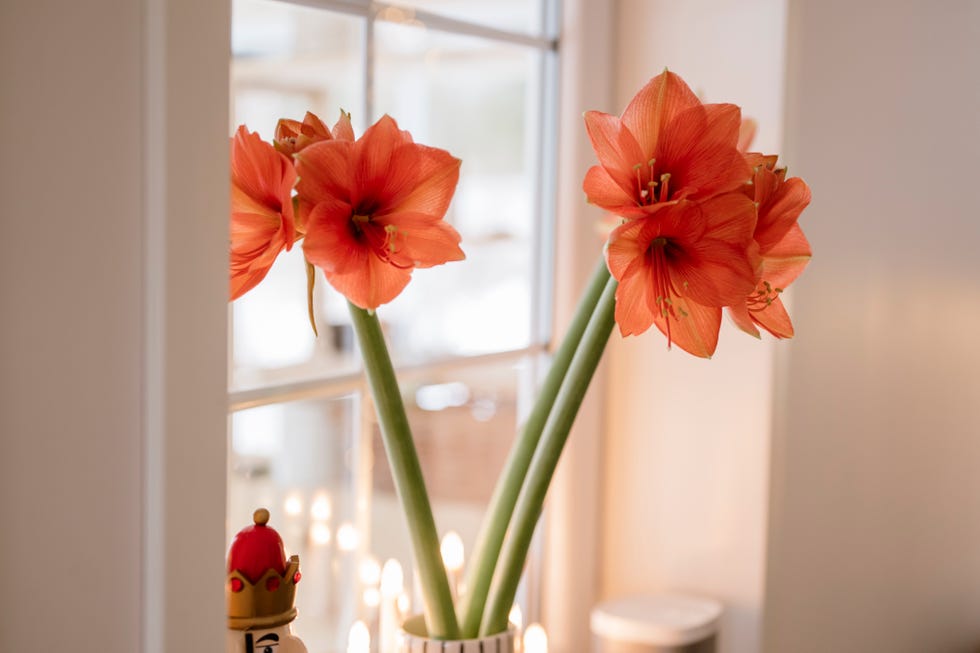
knape//Getty Images
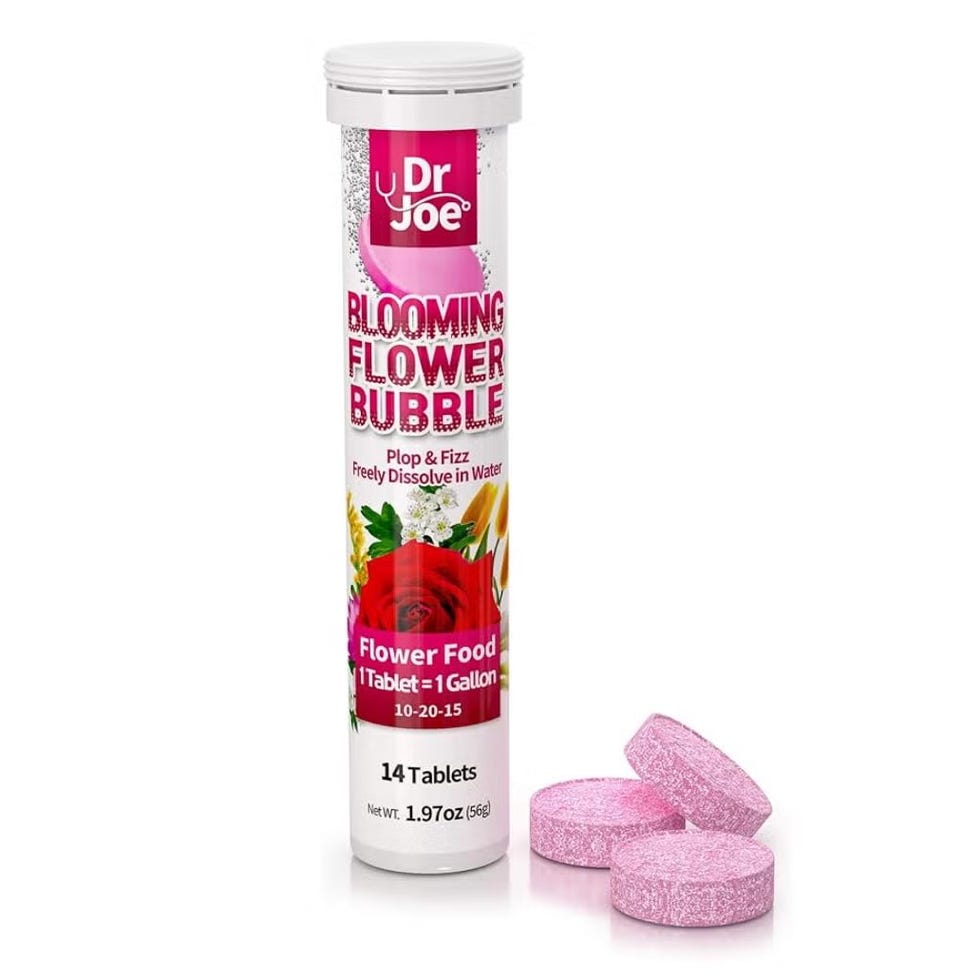
When new growth appears, move the plant to a sunny window and water more regularly. Turn the pot daily during flower stalk elongation to keep stems straight, and stake them if they begin to lean. Many experts suggest skipping fertilizing for the first season’s bloom, since the bulb has all of the needed nutrition packed inside. But during successive years, use a houseplant fertilizer—something around 10-20-15—at half the recommended strength each time you water.
Dr. Joe 10-20-15 Bubble Plant Food
As flower buds start to open, move the plant out of direct sunlight. Once in bloom, set the pot in a slightly cooler location—around 65°F to 70°F—to help the flowers last longer, and keep it away from direct heat like a radiator. Depending on the type of bulb, it can take three to eight weeks after potting for the amaryllis to start blooming, and the flowers can remain on the plant for about three weeks.
How to Maintain Blooms
Many gardeners discard amaryllis after it flowers, but with the right care, the bulb can bloom like a perennial (for a wax-coated version, you’ll have to remove the protective layer). Once the flowers fade, it’s important to cut the stalk about one to two inches above the bulb while leaving the green leaves intact, since this strap-like foliage continues to produce food, replenishing the bulb’s energy.
Keep the amaryllis in its original pot in the sunniest window, watering when the growing media surface begins to dry and fertilizing every two to four weeks with a diluted mix of houseplant food. After the last frost, move the pot outdoors to a shaded, protected spot, gradually increasing sun exposure so it reaches about six hours of light daily. Leave it outside through the summer, then bring it indoors before the frost. Trim the foliage and store the bulb in a cool, dark place—45°F to 55°F—until winter. The key to future blooms is keeping the leaves healthy and actively growing after flowering so the bulb can store enough energy for the next cycle.
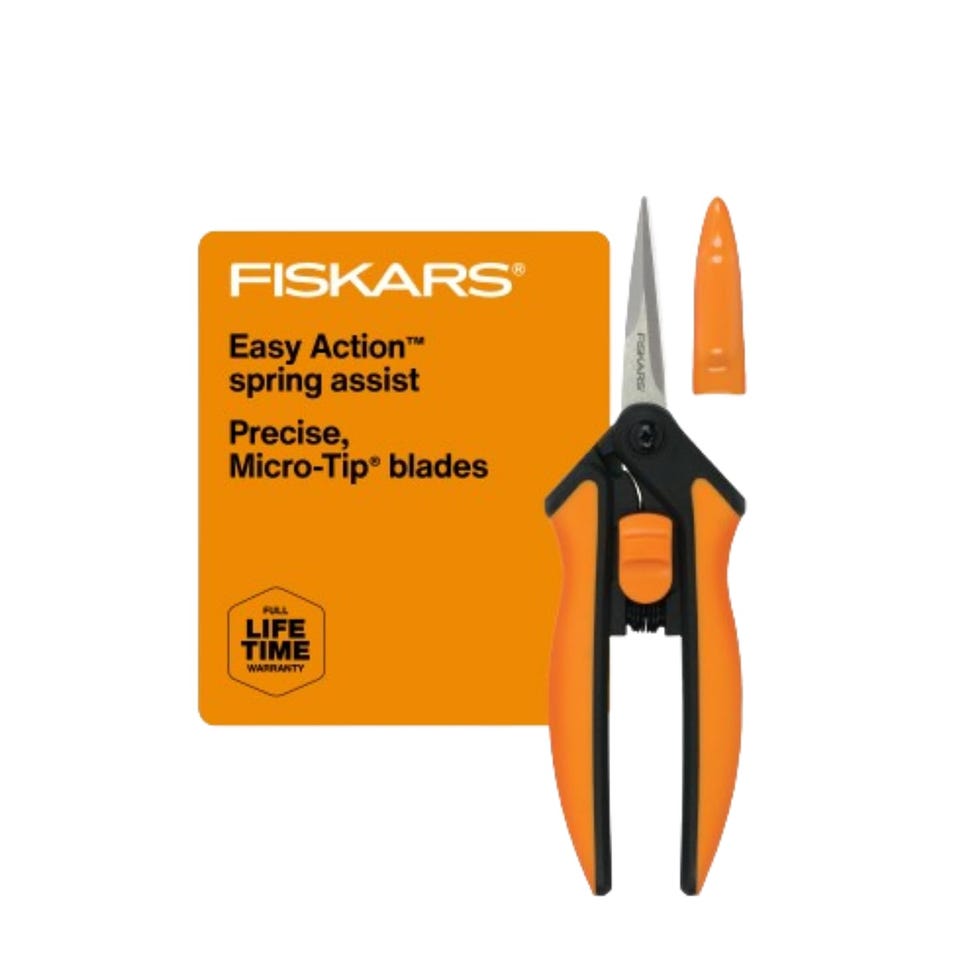
Fiskars Micro-Tip Pruning Snips
 Common Problems with Amaryllis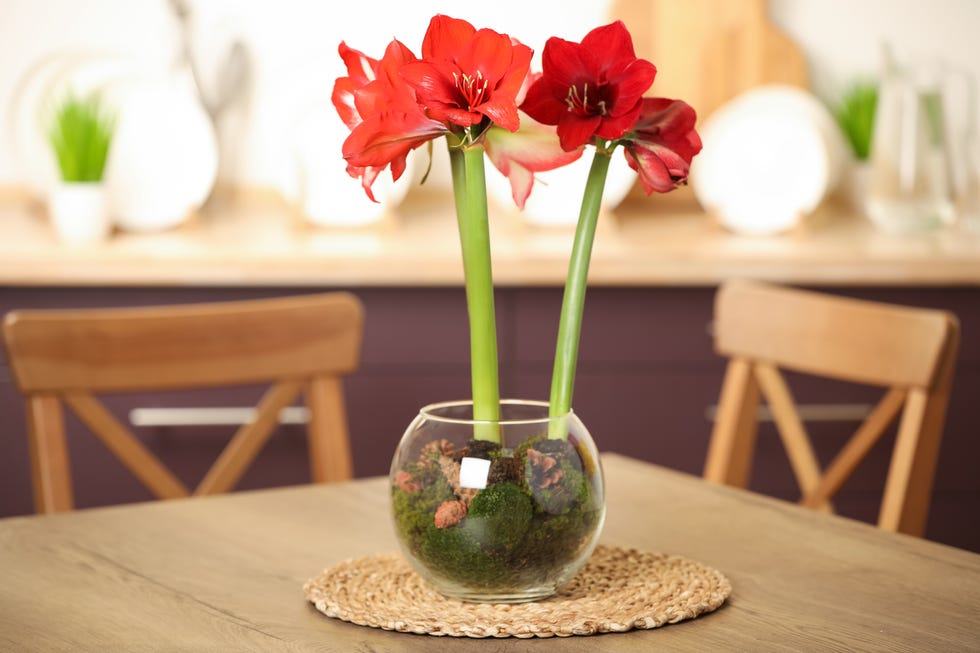
Liudmila Chernetska//Getty Images
Narcissus bulb flies can infest amaryllis stored outdoors, and their maggot larvae can cause yellowed, wilted, or distorted foliage. If you suspect an infestation, throw the bulb out because insecticides are generally ineffective. Overwatering or poorly drained soil may attract fungus gnats, while red blotch, a fungal disease, can create red or pink patches on leaves and flower stalks. To prevent problems, buy healthy bulbs, inspect them carefully, plant in sterile soilless potting mix, and sterilize tools—and even your fingers if you use them to check the growing media for moisture.
Where to Buy Amaryllis Royal Velvet Amaryllis BulbsCredit: Courtesy of Eden Brothers
 Alasca Amaryllis BulbsCredit: Courtesy of Burpee
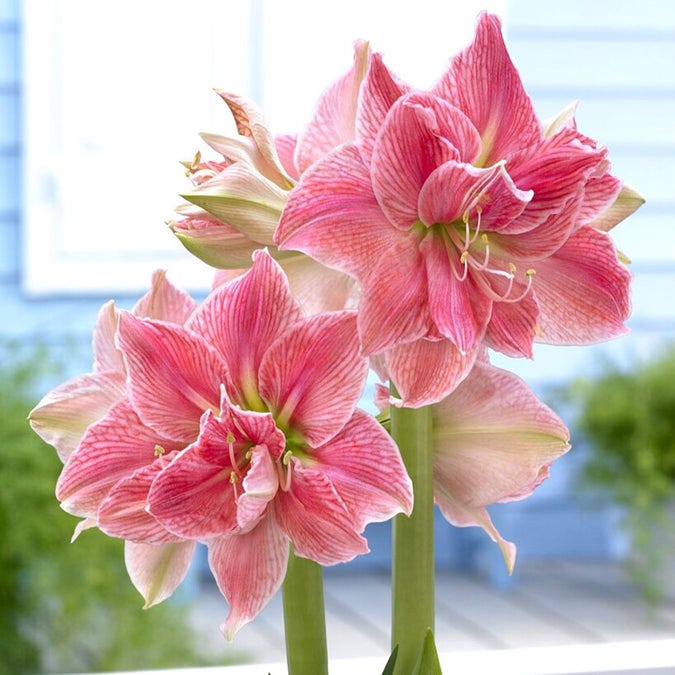 Sweet Nymph Amaryllis BulbsCredit: Courtesy of Eden Brothers
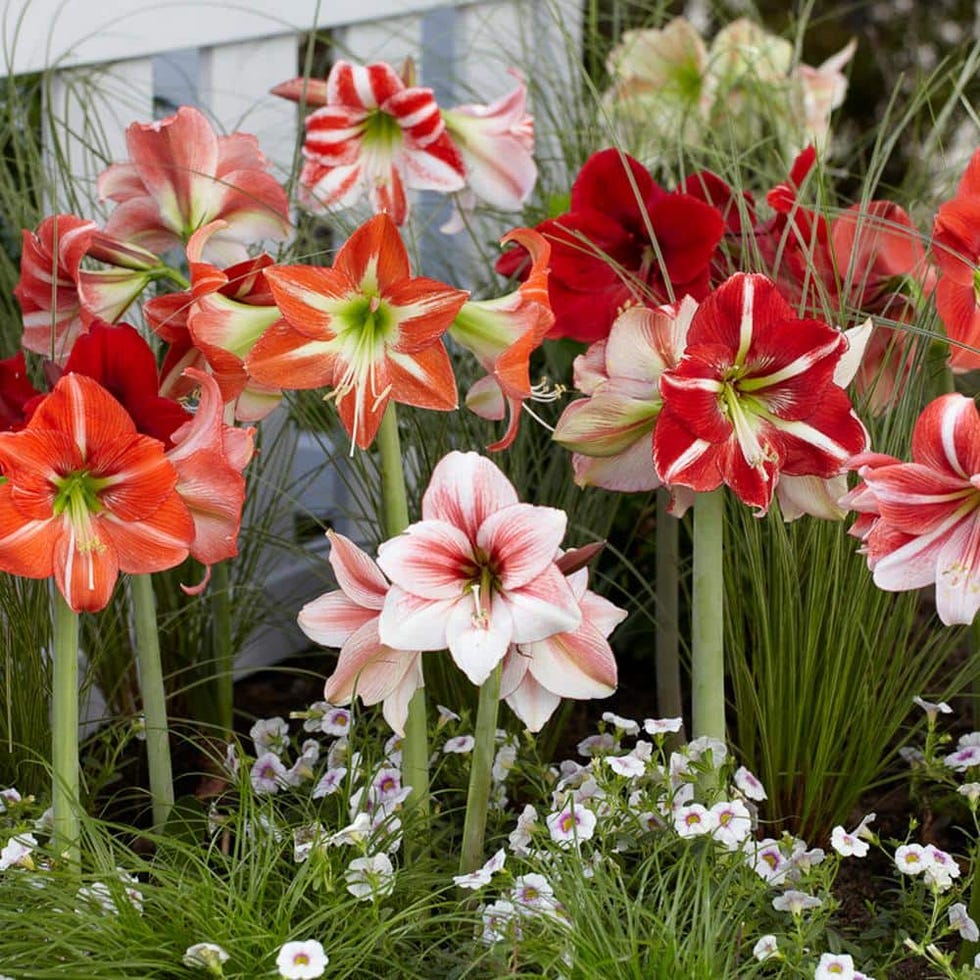 Amaryllis Set of 5-Plants BulbsCredit: Courtesy of Home Depot
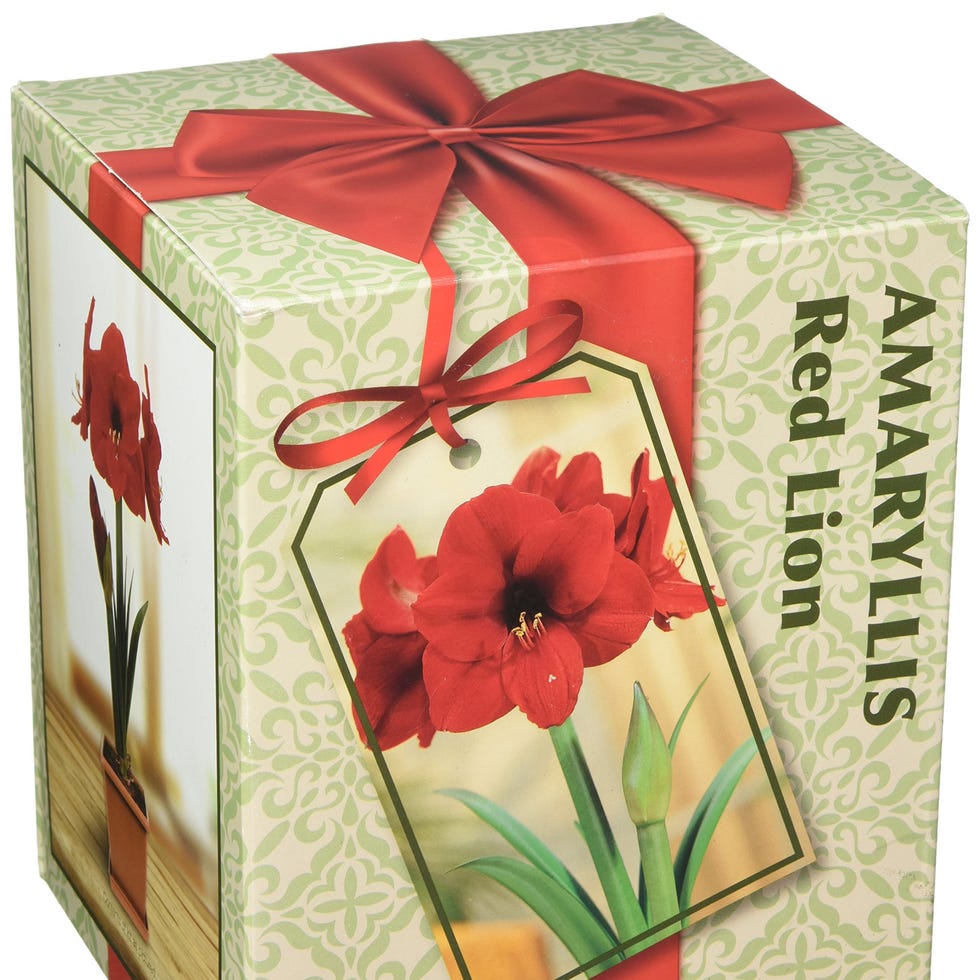 Red Lion Amaryllis Growing Kit
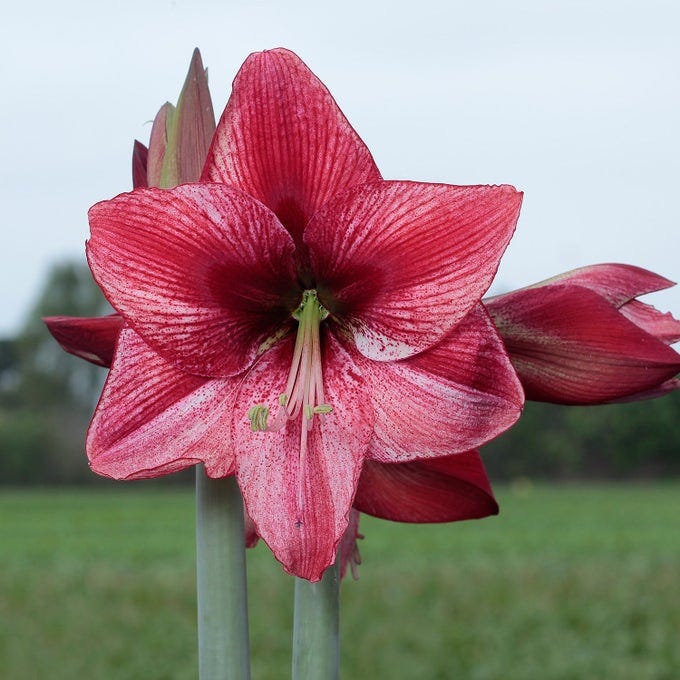 Revelation Amaryllis Bulbs
Comments are closed.