
Credit: MementoJpeg / Getty Images
Key Takeaways
Start pepper seeds indoors six to eight weeks before your last frost date.
Transplant outdoors once nighttime temperatures stay above 55°F.
Keep seedlings at 70–75°F and harden them off gradually before planting outside.
Unless you have a large sunroom dedicated to just your plants (isn’t that the dream?), chances are you have to be a little selective about which ones you decide to start indoors from seed. Nailing the timing will also prevent the sprouts from taking up a little too much space for a little too long in your home.
Peppers are one plant that really benefits from a head start indoors, where the climate is a bit more predictable and controlled. With a little care and planning today, you’ll be rewarded with plenty of peppers that add a pop of color to your garden and a tasty addition to your salsa.
Here’s when and how to start peppers indoors, complete with tips from a gardening expert.
Meet the Expert
Natasha Grosskopf is the vegetables product manager for PanAmerican Seed®.
Start Pepper Seeds 6 to 8 Weeks Before the Last Frost Date
The best timing for starting pepper seeds indoors depends on your region’s last frost date. As a general rule of thumb, gardening expert Natasha Grosskopf recommends starting them 6 to 8 weeks before the last frost date. The last frost date typically falls between March and April in most temperate climates.
Expert Tip
Once you start your pepper seeds indoors, don’t expect them to sprout very quickly. “Most peppers will germinate within 14 days, so be patient,” Grosskopf says.
Transplant Timing Depends on Soil Temperature
Credit: Norman Posselt / Getty Images
When it comes to transplanting your pepper seeds outdoors, the best timing will also depend on your region’s climate, particularly its overnight soil temperature.
“Pepper plants are very cold sensitive, so planting outdoors should happen a few weeks after the last frost date and when night temperatures are above 55°F,” Grosskopf says. “The soil temperature needs to be warm enough for the plant to thrive.”
Tips for Starting and Transplanting PeppersPlant Seeds Shallow and Water Often
When setting your seeds in the soil of your starting trays, the hole you make should probably be much shallower than you think.
“I like to poke a hole in the soil media about a quarter of an inch deep, drop the seed in, and cover it up with soil,” Grosskopf says.
The next key piece of advice she offers centers around watering frequency. According to her, you’ll need to keep the soil moist all the way through by watering the seedlings daily. Just be sure to avoid soaking the soil.
Keep the Seedlings Warm
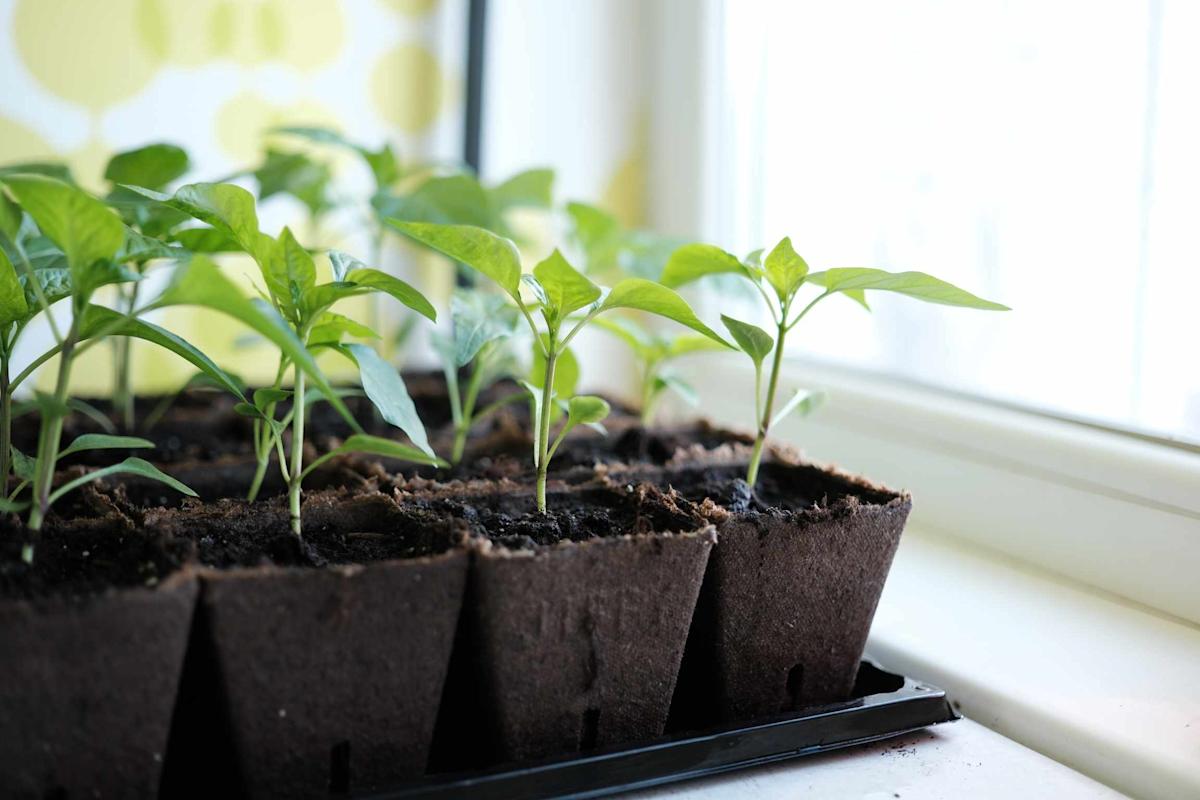
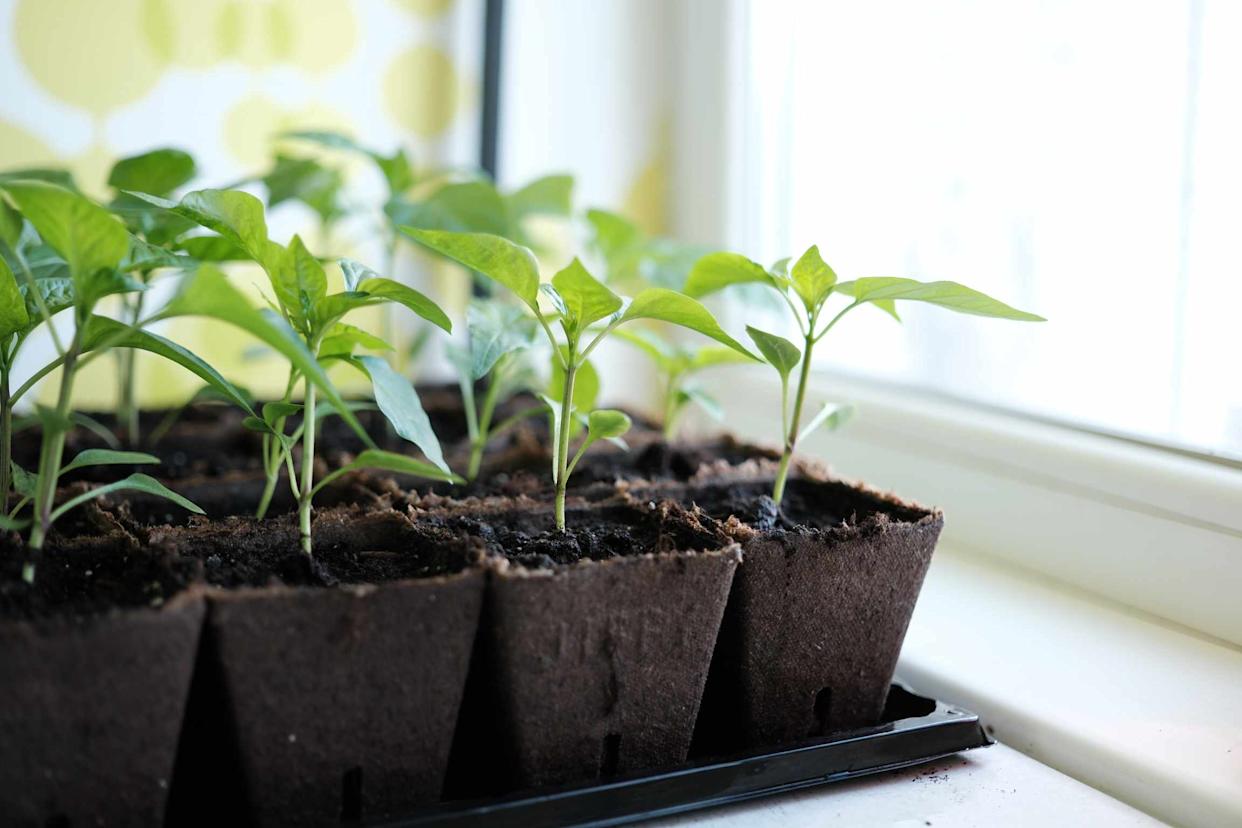
While pepper seeds need adequate light to germinate, make sure you don’t place them too close to an extra-drafty window without taking this one precaution that Grosskopf suggests.
“Peppers need warm growing conditions of 70 to 75°F, so keep the seeded containers in a warm and sunny place,” she says. “Otherwise, a heat mat can also be used.”
Allow the Starters to Acclimate Before Planting
Once your pepper seeds have transformed into thriving starter plants and the timing is right, there’s one more thing you can do to set them up for success outside.
“Pepper plants may be stunted, damaged, or not survive if they get too chilly (no pun intended),” she says. “It’s always a good idea to ‘harden off’ your plants and expose them to the outdoor elements before transplanting into their final environment. Exposure to the wind, sun, and outside temperature all help the plants become more resilient and slowly acclimate, so they aren’t as shocked when they go into the ground.”
To harden off your pepper starters, simply let them sit outside in the elements for at least a week before planting.
Read the original article on The Spruce
Comments are closed.