
Every March, gardeners face the same delightful tension: the urge to get outside and do something, held in check by unpredictable weather and soil that isn’t quite ready.
The most important thing to understand about March gardening is that the month means something completely different depending on where you live. For Zones 1–3, it’s still deep winter planning season. In Zones 6–7, cool-season crops are ready to go in the ground. In Zones 9–11, warm-season planting is already underway.
Getting your March garden chores right starts with knowing your zone, and working with it, not against it.
First: Know Your Zone and Check Your Soil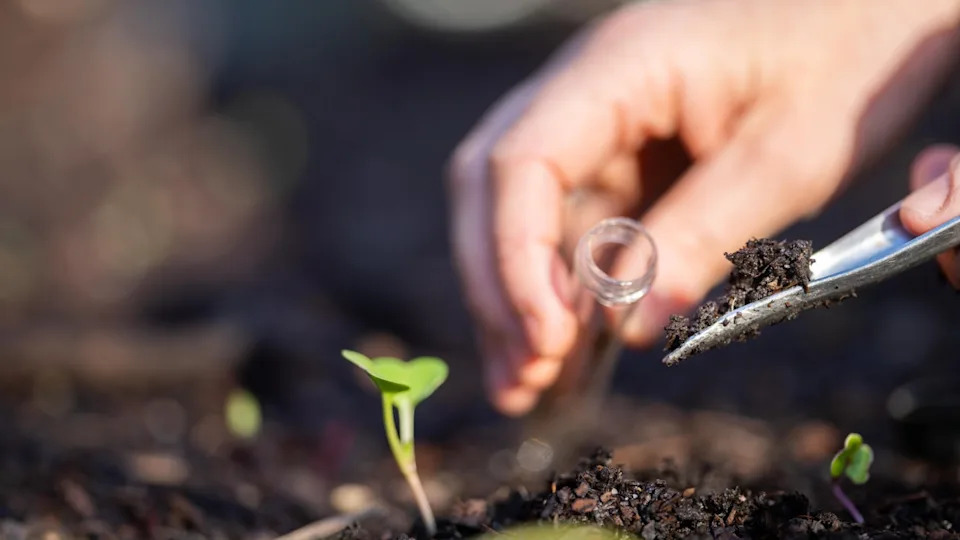
Image Credit: Shutterstock.
Before picking up a trowel, take a moment to orient yourself. The USDA Plant Hardiness Zones map divides North American growing regions by average minimum winter temperatures, and those zones are your best guide for what’s appropriate to do in March. If you’re unsure of yours, the USDA’s online zone finder takes seconds to check.
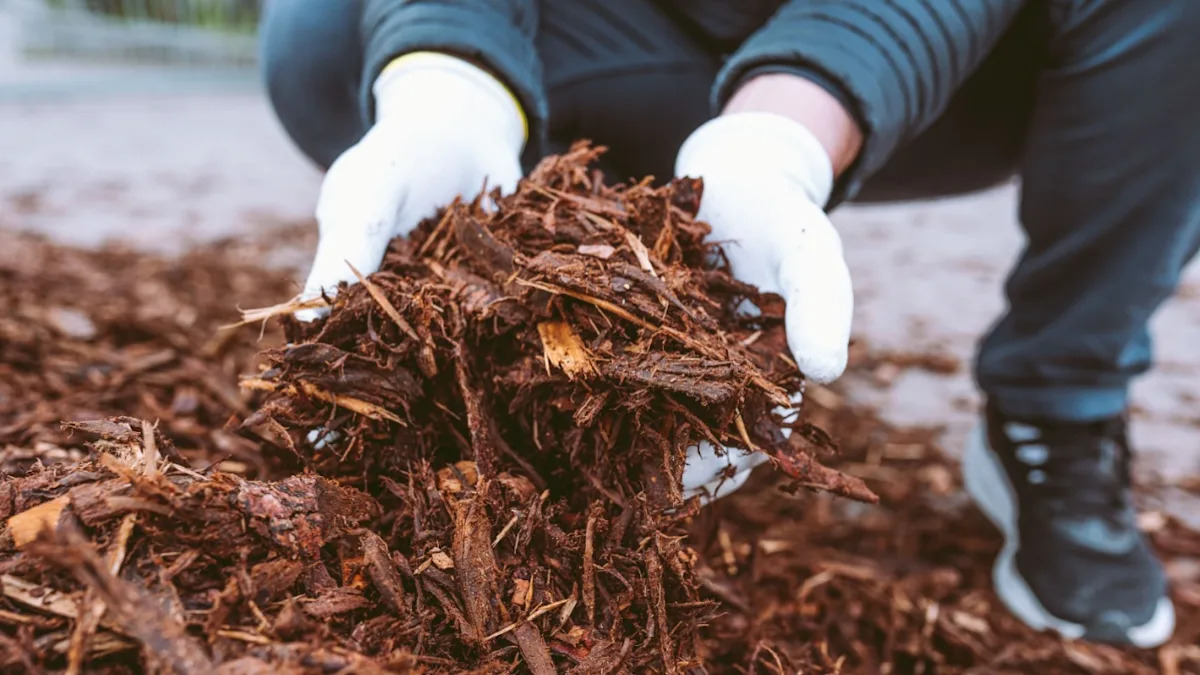
Once you know your zone, assess your soil before doing anything outdoors. Grab a handful and press it into a ball: if it holds a slick, dense shape, it’s too wet to work. If it crumbles when you press it, it’s ready. Tilling or walking on waterlogged soil compacts it into clods that impair drainage and root growth for the entire season, which is an easy mistake with lasting consequences.
If you haven’t conducted a soil test recently, early March is the ideal time. Contact your local cooperative extension office for a testing kit. Results tell you exactly what amendments your soil needs before planting begins.
March Tasks Every Gardener Should Do
Image Credit: Shutterstock.
A handful of March chores apply universally, regardless of zone. Kymisha Montgomery, CGC Urban Agriculture Coordinator at the Civic Garden Center of Greater Cincinnati, sums it up well: “making sure you have everything you need for your growing season is key for many reasons.”
Start with your garden journal. Review last year’s notes and review which varieties thrived, which pests arrived, and what you’d do differently. If you’re starting fresh, begin a garden journal now. Year-on-year records are the most valuable long-term tool a gardener can build.
Run through your tools next. Clean rust from metal parts, oil wooden handles, sharpen mower blades, and start any gas-powered equipment to confirm it’s operational. Check seed-starting supplies, including trays, grow lights, and soilless mix. On a mild day, turn the compost pile to speed decomposition and check for finished material ready to work into beds.
Don’t overlook houseplants. Longer days in March trigger renewed growth, and a half-strength fertilizer is welcome now. Repot any root-bound plants and inspect closely for overwintering pests like spider mites and mealybugs. Early treatment is far simpler than managing a full infestation.
Pruning: Do It Before the Buds Break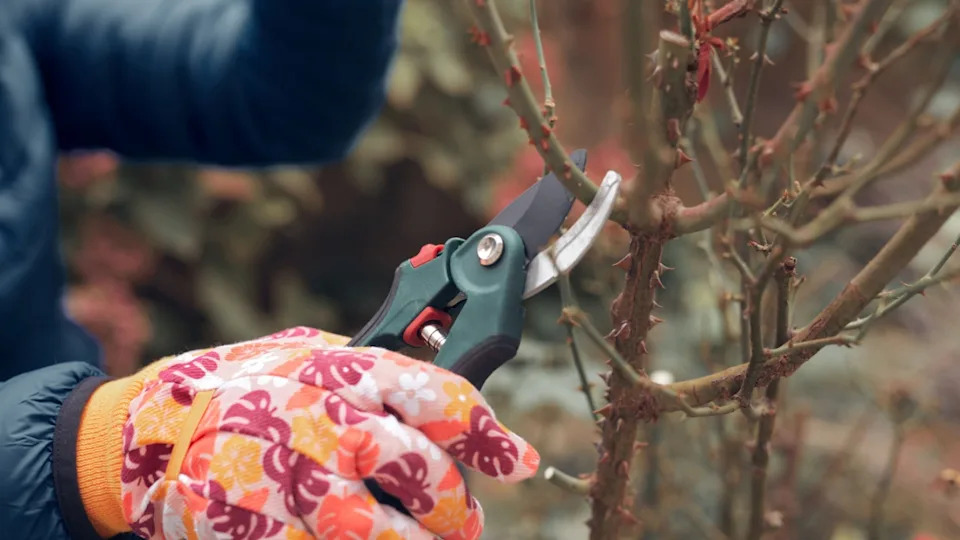
Image Credit: Shutterstock.
March is one of the year’s best pruning windows, and one of the most time-sensitive. As Northern Gardener explains, “late March is the perfect time to prune fruit trees, hydrangeas, and other shrubs and trees. Plants are still dormant in March, and you can see their structure well enough to see which branches should be removed.”
Focus on pruning fruit trees, grape vines, raspberry canes, and deciduous ornamentals before new growth emerges. Remove raspberry canes that bore fruit last year and shorten remaining young canes by at least a foot. Cut grape vines back to no more than four fruiting canes with 7–10 buds each.
One critical exception: do not prune spring-blooming shrubs like lilacs, forsythia, or azaleas in March. Their flower buds are already set, and pruning now means cutting away this season’s blooms. You’ll want to wait to prune until they finish flowering.
A practical bonus: many pruning cuttings from fruit trees and berry bushes can be rooted into new plants. Dip the cut ends in rooting hormone and plant in moist potting mix. Elderberries, currants, raspberries, and figs are particularly easy to propagate this way.
Seed Starting and Direct Sowing: What to Plant by Zone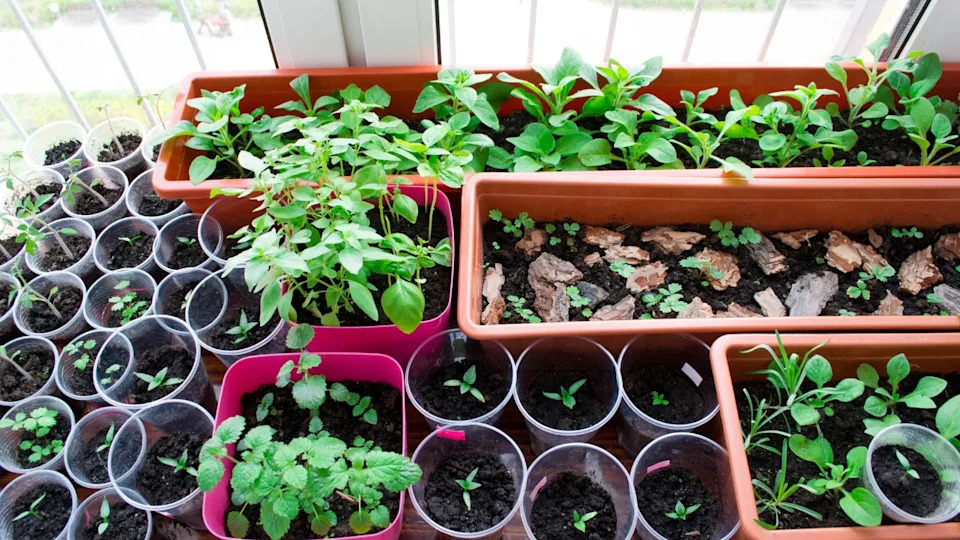
Photo Credit: Depositphotos.
When and what you plant in March depends entirely on your zone. The universal caution, wherever you garden, comes from Margaret Roach at A Way to Garden: “stifle the urge to start vegetable seedlings too early. Small, compact seedlings are better than older, leggy ones for transplanting.”
Zones 1–3 remain in the grip of winter. Focus on indoor seed starting plants such as broccoli, cauliflower, cabbage, onions, and leeks now, counting backward from your last frost date. Build raised beds and trellises indoors for later outdoor placement.
Zones 4–5 can start tomatoes, peppers, and eggplant indoors this month. Outdoor planting is still several weeks away, but getting these slow-maturing crops going now ensures they’re ready when the soil opens up.
Zones 6–7 can direct-sow cool-season crops such as peas, spinach, lettuce, kale, radishes, and arugula outdoors as soon as the soil is workable. Keep frost protection materials on hand for cold snaps, which remain common through March. Start warm-season crops indoors simultaneously.
Zone 8 gardeners can direct-sow nearly all vegetables outdoors, keeping a close eye on the forecast. Starting tomatoes and peppers indoors still gives them a useful head start.
Zones 9–11 are in prime planting season. Direct-sow warm-season crops outdoors now; cool-season planting is best saved for autumn.
In cooler zones, a cold frame or low tunnel can extend your effective planting window by two to four weeks. They are a practical tool worth investing in if you’re eager to get started outdoors earlier than temperatures typically allow.
Outdoor Cleanup and Bed Preparation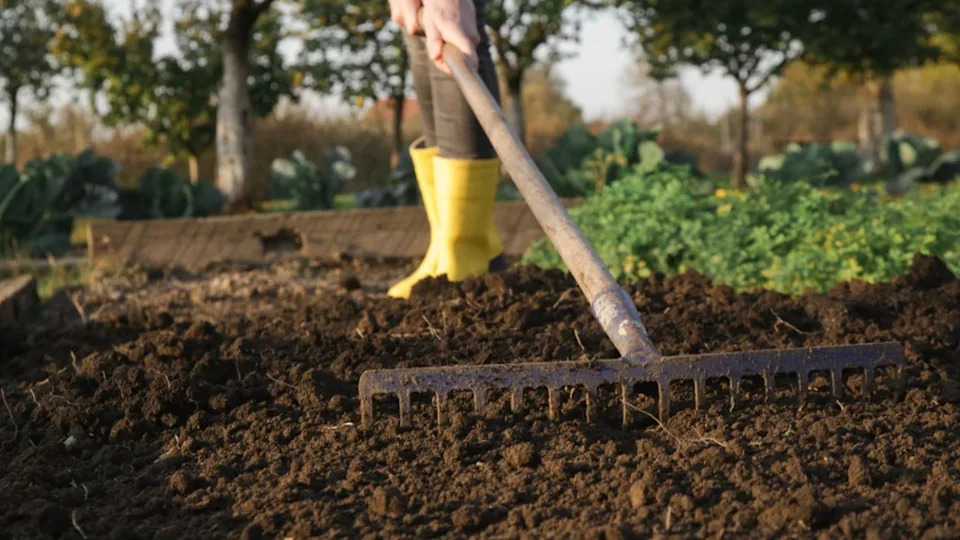
Image Credit: Deposit Photos.
On the first dry, mild days, turn your attention to the beds themselves. Now is the time to cut back dead perennials and ornamental grasses and, where possible, chop the old stems to leave in place as mulch, a tidy approach that also feeds the soil over time.
Begin weeding as soon as beds are accessible. Winter weeds pulled while small take a fraction of the effort of established ones pulled in May. Clear fallen branches and debris, check that mulch is still in place around perennials and shrubs, and replenish where winter heaving has shifted it.
Remove burlap wraps and trunk protectors from trees once the snow has melted. If bare-root trees or shrubs have arrived from nurseries, plant them promptly as exposed roots lose viability quickly.
For an early taste of spring indoors, cut a few branches of forsythia, redbud, or willow and place them in a vase of water. They’ll bloom inside your home weeks before the garden is ready to show its colors.
Setting Your Season Up for Success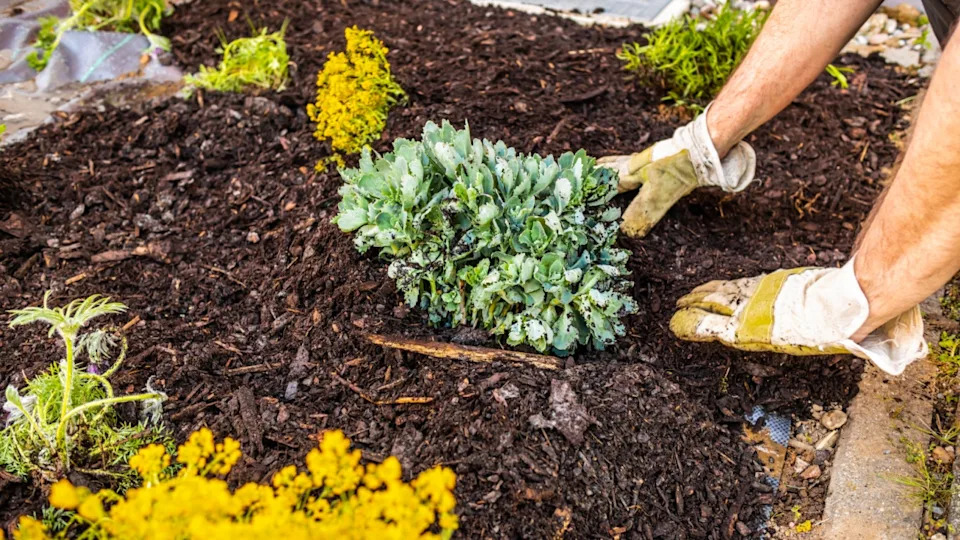
Image Credit: Shutterstock.
March in the garden is less about dramatic results and more about quiet preparation; the kind that pays off in July when your tomatoes are thriving, your beds are weed-free, and your tools are sharp. Even completing two or three of these March garden chores makes a meaningful difference in how the rest of the season unfolds.
When in doubt about timing for your specific location, your local cooperative extension office is one of the most reliable and underused resources available. Their guidance is calibrated to your exact region and is far more precise than any national checklist. Most extension offices offer free soil testing and seasonal advice. March, while the season is still quiet, is the perfect time to reach out.
Comments are closed.