
Image Credit: Shutterstock.
Every year on March 3, the world celebrates World Wildlife Day.
If you’ve ever wondered whether your garden could truly make a difference for wildlife, the answer is a resounding, flower-scented yes. You don’t need rolling meadows or a countryside estate. Even a sunny windowbox, a modest border, or a few well-chosen containers can become a genuine refuge for bees, butterflies, birds, and more.
What Is World Wildlife Day?
Image Credit: Mike’s Birds from Riverside, CA, US – CC BY-SA 2.0/Wiki Commons.
World Wildlife Day has been observed on March 3 since 2014, when the United Nations General Assembly proclaimed it a holiday.
The date marks the anniversary of the signing of CITES, or the Convention on International Trade in Endangered Species of Wild Fauna and Flora, in Washington, D.C. in 1973. Today, 184 nations work together under that agreement to protect wild animals and plants from unsustainable trade and exploitation.
The 2026 theme for World Wildlife Day, “Medicinal and Aromatic Plants: Conserving Health, Heritage and Livelihoods,” is particularly resonant for gardeners. Nearly one in ten of the medicinal and aromatic plant species that humanity has relied on for centuries is now threatened with extinction.
When we grow plants, especially native ones, in our gardens, we become part of the solution. Gardens collectively cover up to a quarter of the land surface in towns and cities, making them one of the most powerful and underestimated conservation tools we have.
You Don’t Need a Big Garden to Make a Real Difference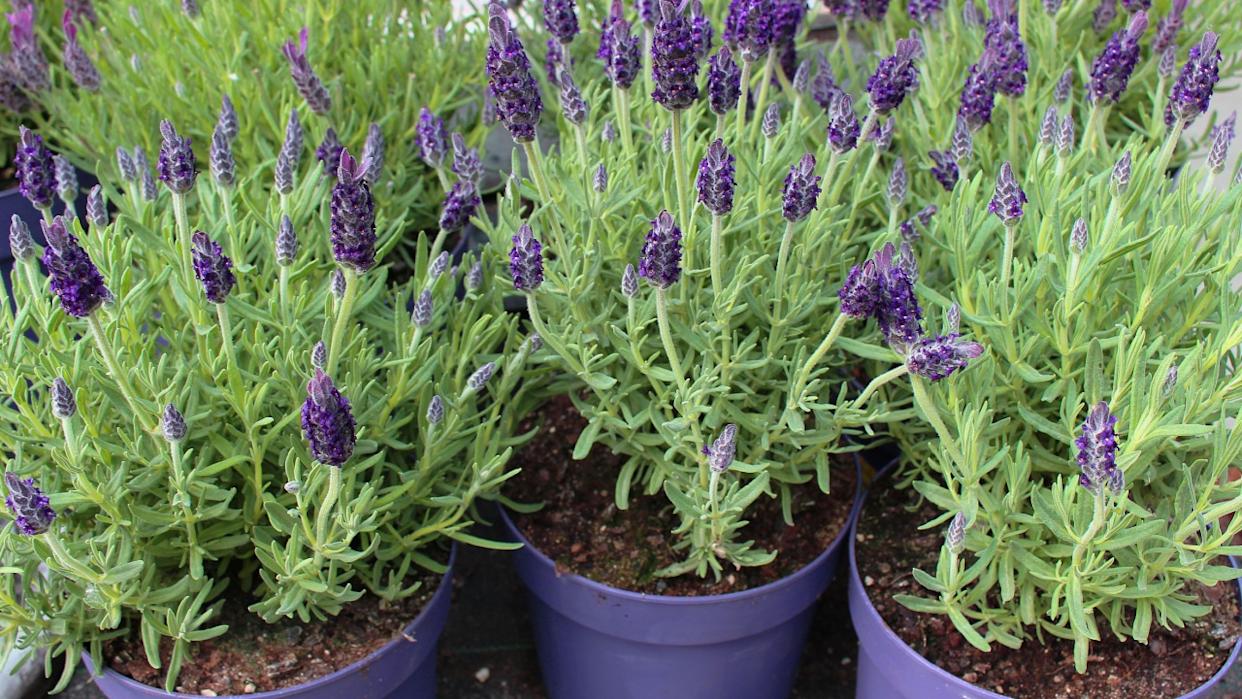
Image Credit: Shutterstock.
The most common hesitation among first-time wildlife gardeners is the worry that their space is too small to matter. It isn’t.
A single lavender plant in a terracotta pot can feed dozens of bees across an entire season. A windowbox of herbs provides nectar for butterflies. A shallow bowl of water at ground level becomes a lifeline for hedgehogs.
Wildlife gardening is also a long game in the most joyful sense: each year, your garden becomes a little richer and more alive. Even your very first season of planting sends an open invitation to nature.
What Makes a Plant “Wildlife-Friendly”?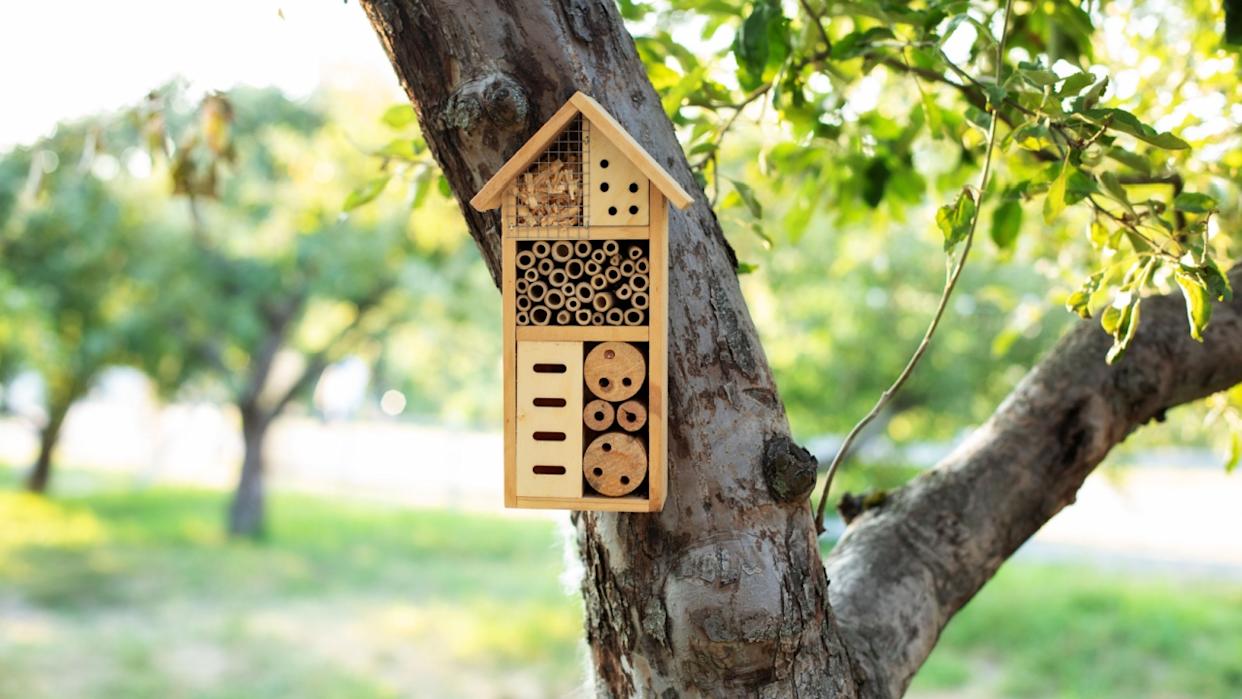
Image Credit: Shutterstock.com.
A wildlife-friendly garden provides three things: food, cover, and water. Plants are the foundation of almost every food chain, making them the single most powerful tool available to gardeners.
Native plants are the best choice for wildlife-friendly gardens because they’ve co-adapted with local insects, birds, and mammals over thousands of years. They’re also easier to care for, as they’re already suited to your soil and climate.
One practical rule of thumb is that single-flowered varieties are far more accessible to pollinators than double-flowered cultivars, which often block access to pollen and nectar entirely.
Wildlife-Friendly Plants for Bees and Pollinators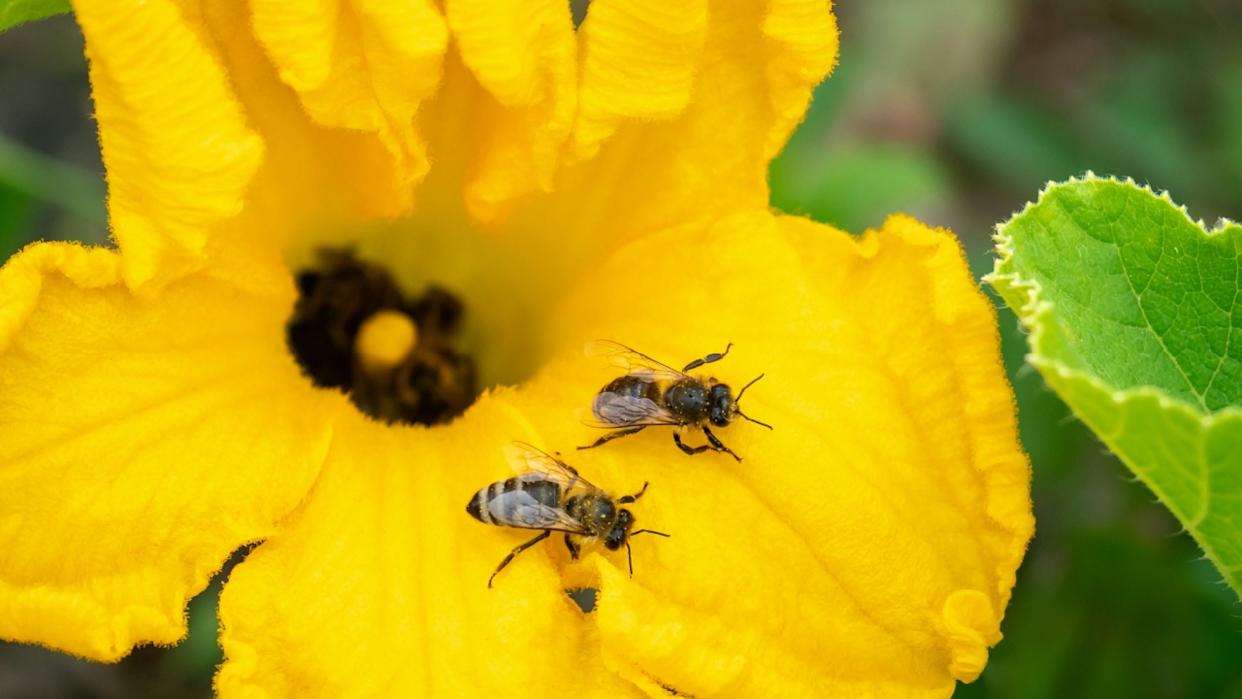
Image Credit: Shutterstock.
Bees often emerge from hibernation before most gardens have woken up, so early bloomers matter. Snowdrops, crocuses, and hellebores give them a vital head start before the season gets going.
As spring arrives, herbs become the heroes of the pollinator garden.
Lavender is the perennial crowd-pleaser; its long flowering season and fragrant blooms draw bees, hoverflies, and butterflies alike.
Rosemary and hyssop are equally reliable and thrive in pots on even the smallest balcony.
Creeping thyme works beautifully as a fragrant ground cover that bees adore, while borage, with its bright blue star-shaped flowers, is one of the most prolific nectar producers you can grow.
Purple coneflower (Echinacea) rounds out the pollinator palette beautifully: bees work the blooms through summer, and the seed heads draw goldfinches well into autumn if left standing.
As The Wildlife Trusts puts it: “No matter how big the space you have, you can please both people and wildlife with a majestic herb garden.”
For Butterflies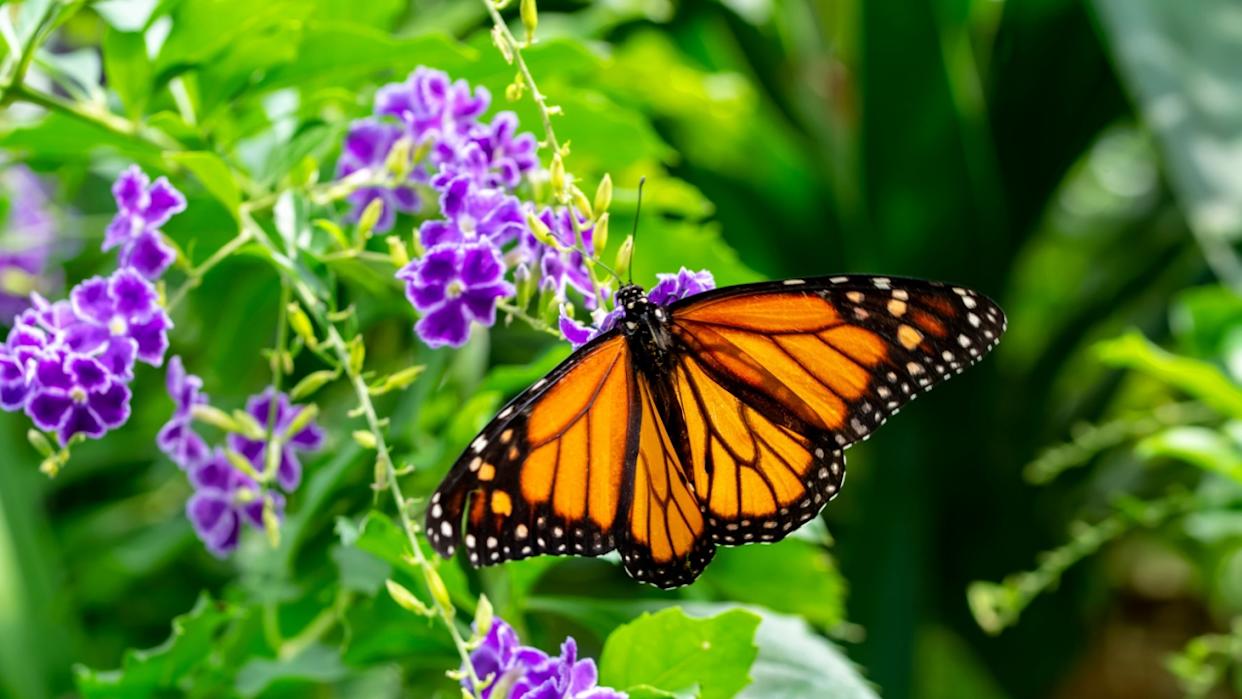
Image Credit: Shutterstock.com.
More than half of all British butterflies are now on the UK Red List of threatened species, which is a sobering statistic that makes every butterfly-friendly planting decision feel genuinely meaningful.
Buddleia is the most famous butterfly magnet, its long purple flower spikes attracting painted ladies, red admirals, and peacock butterflies from late summer onward.
Nasturtiums are equally welcoming and will brighten any border or container with their cheerful blooms.
Birds-foot trefoil and common knapweed are excellent choices for wilder corners, particularly if you’re open to leaving a patch of lawn to grow long (a simple act that provides critical shelter and larval food plants for many species).
Milkweed is the essential host plant for monarch butterflies, whose populations have declined sharply in recent years, and who depend on it to complete their life cycle.
For Birds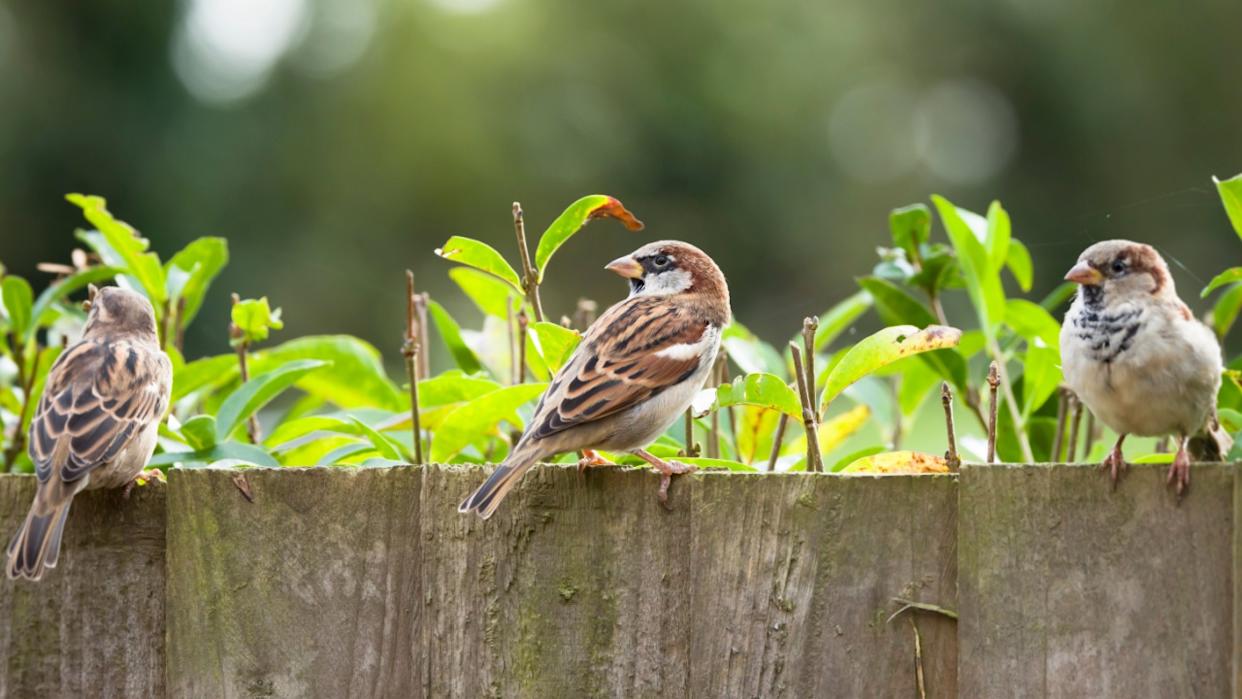
Image Credit: Shutterstock.
Berry- and seed-producing shrubs are the backbone of a bird-friendly garden.
Cotoneaster, pyracantha, holly, and rowan deliver a reliable crop of berries that sustain thrushes, blackbirds, and fieldfares through winter.
Ivy and honeysuckle go further still: birds nest in their dense cover, butterflies hibernate within their foliage, and they produce berries late in the season when other food sources run dry.
Sunflowers are a wonderful addition for seed-eating birds. Leave the seed heads standing as summer fades rather than cutting them back, and you’ll be rewarded with goldfinches, greenfinches, and sparrows feeding from them well into autumn.
There’s also a less obvious but vital connection here: as the National Audubon Society explains, a single clutch of Carolina chickadee chicks may require more than 9,000 caterpillars to fledge successfully.
By growing native plants that host caterpillars, such as coneflowers, sunflowers, and native oaks, you’re feeding not just adult birds but the next generation.
For Bats, Amphibians, and Hedgehogs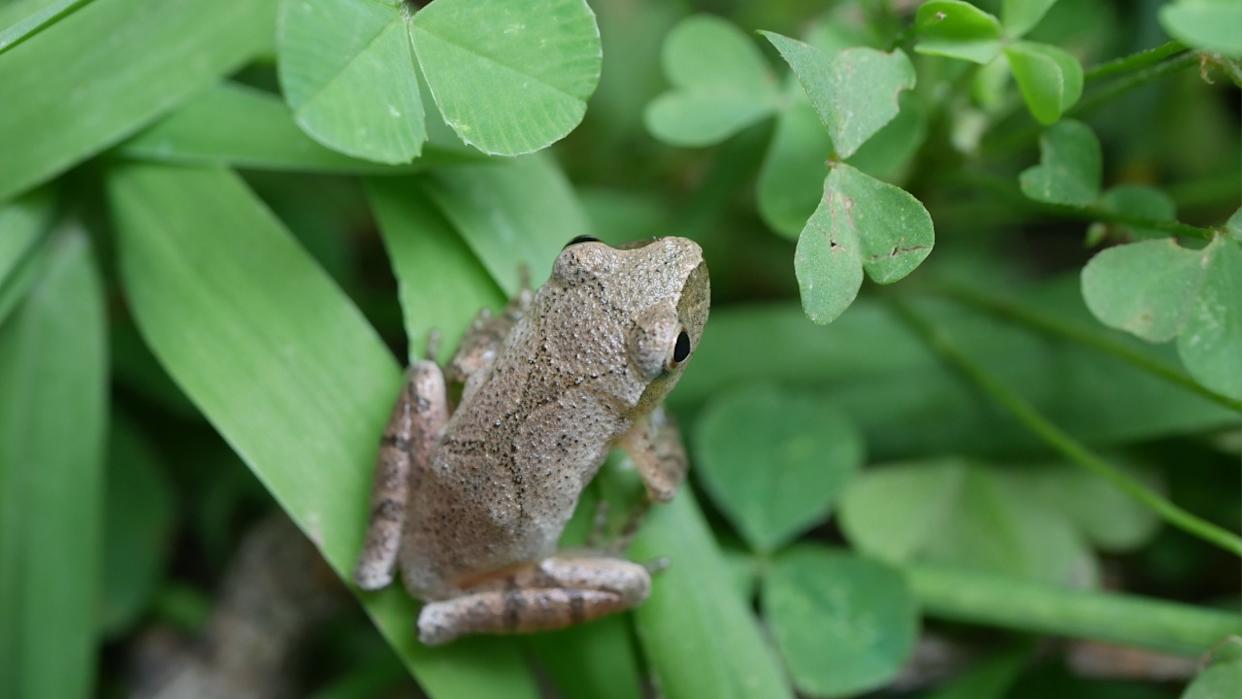
Image Credit: Shutterstock.
Night-scented plants are the key to attracting moths, and in turn, the bats that feed on them. Evening primrose, common jasmine, nicotiana, and hebe all release fragrance after dark, drawing a quiet nocturnal food chain right into your garden.
For amphibians, even a small pond is transformative. A gently sloped side allows frogs and newts to exit easily, while a few rocks, half in and half out of the water, give them a place to rest.
Hedgehogs, whose UK population has fallen by a third since the millennium, benefit most from undisturbed corners: a log pile in a quiet spot provides both hibernation shelter and a hunting ground for the insects they depend on.
One Small Step for Your Garden, One Giant Leap for Wildlife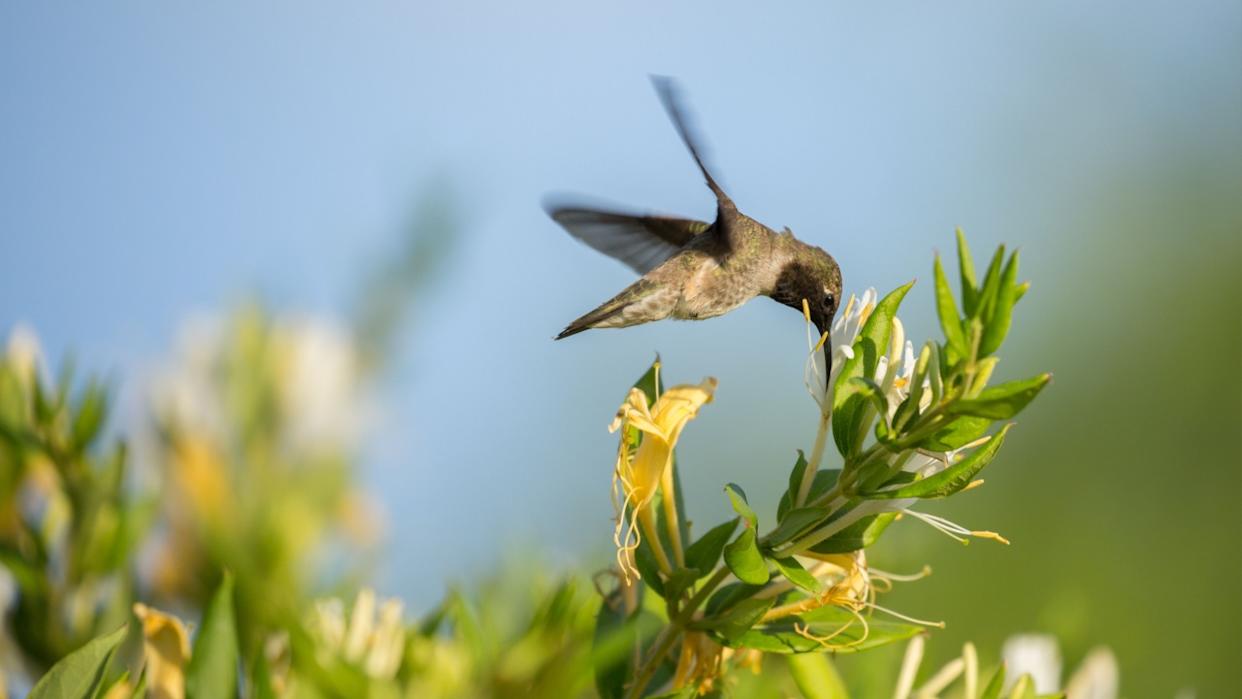
Image Credit: Shutterstock.
This World Wildlife Day, the invitation is simply this: choose one plant. One pot of lavender. One climbing honeysuckle. One patch of lawn left unmown.
Each small act of gardening for wildlife connects your outdoor space to a larger web; a living network of gardens that together form the green corridors our wildlife relies on to survive.
A wildlife-friendly garden, it turns out, is also one of the most beautiful kinds of gardens you can grow. The butterflies, birds, and bees don’t just need it. They make it extraordinary.
Comments are closed.