
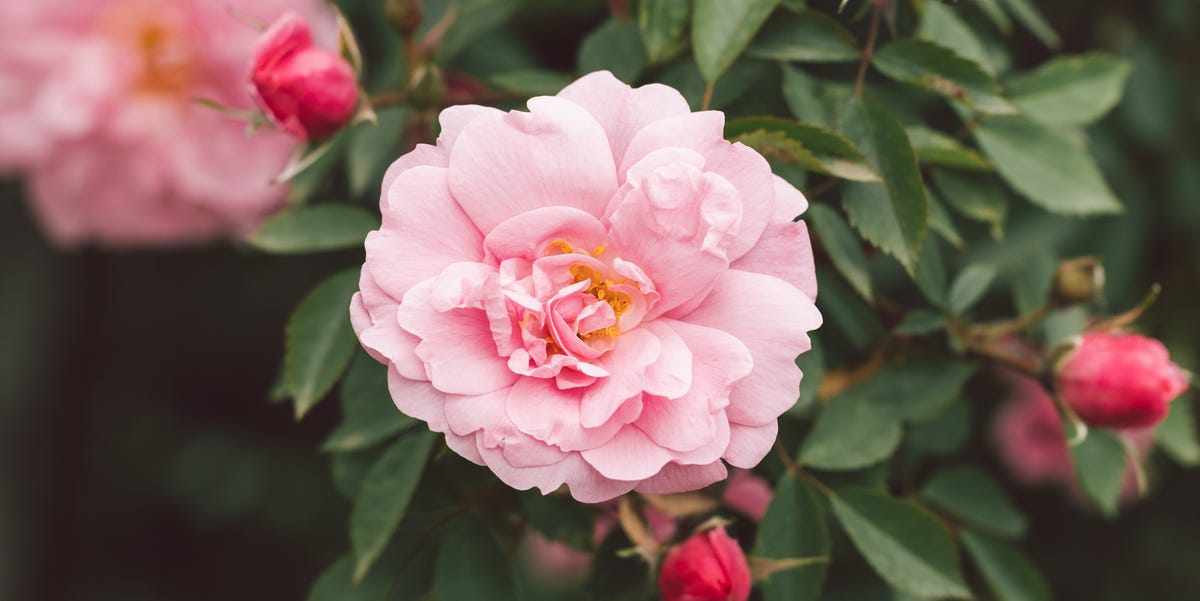
Wondering what gardening jobs to prioritise in March? This month offers a final window to plant bare-root roses – but it’s a fleeting one. Miss the moment and you’ll need to wait until next year.
For savvy gardeners, bare-root season is one of the quiet joys of late winter gardening: bundles of seemingly lifeless stems that, with a little care and good timing, will burst into generous bloom come summer. And they’re normally better value than container plants.
Here’s everything you need to know…
What are bare-root roses?
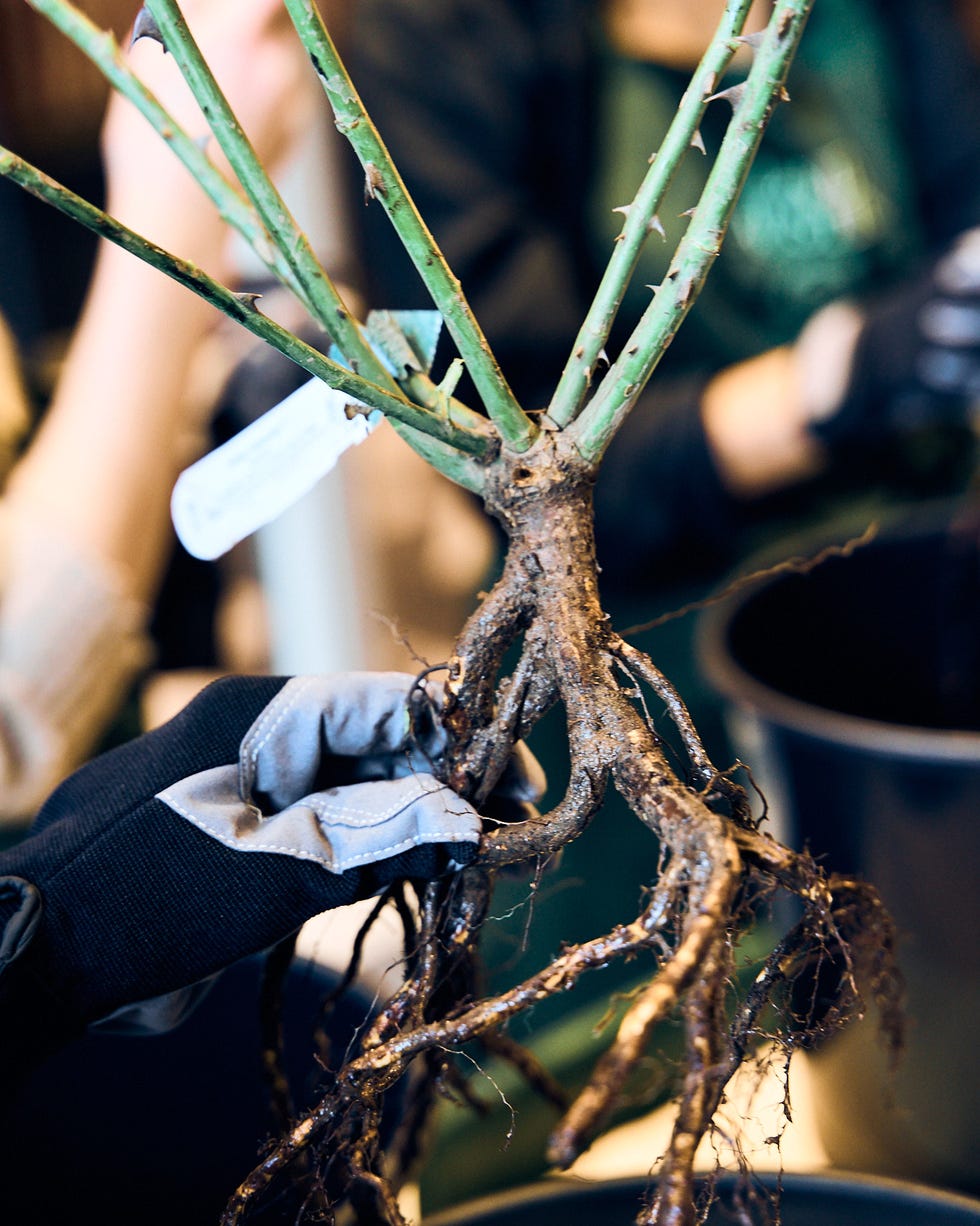
Unlike container-grown roses, bare-root plants are lifted from the ground during dormancy and sold without compost or pots.
At first glance they can look like an underwhelming tangle of roots and thorny stems, but they are often stronger starters than their potted counterparts.
Because they’re lighter to transport, bare-root roses tend to be more affordable. They’re also easier to plant, establish quickly and often catch up — or even overtake — container roses within a season.

Martin Alejandro Eito
How to plant bare-root roses successfully this March
“The key to getting your bare-root plants to thrive is timing,” explains gardening expert Paul Parker of plant and bulb specialist J. Parker’s. “Plant them now, while the plant itself is dormant. This allow the rose to establish itself in the ground before its growth resumes in the spring season.”
So if you’ve just taken delivery of bare-root roses, don’t leave them languishing in their packaging. Here’s what to do:
Soak the roots. Place the roots in a bucket of water for a few hours before planting. This rehydrates them after transit and gives them the best possible start. Choose the right moment. “Don’t put them in the ground if the soil is frozen,” says Paul. Ditto waterlogged soil. If a late frost has hardened the ground, store your rose somewhere cool and frost-free (such as a shed or garage) and wait until the soil is workable.Dig generously. Dig a hole wide enough to comfortably spread out the roots. Mix in manure or garden compost to enrich the soil, but ensure fresh manure doesn’t come into direct contact with the roots.Plant at the correct depth. Position the rose so that the graft union (the knobbly bump where the stems meet the roots) sits just below soil level. Backfill carefully, firming the soil as you go to remove air pockets. Water well. Even in damp spring weather, give your newly planted rose a thorough watering to settle the soil around the roots.
Planting now gives your roses a crucial head start for spring and summer. While top growth remains still, roots will begin to establish as the soil warms. And by the time spring unfurls in full, your rose will be ready to channel its energy into healthy shoots and – with luck – a generous first flush of flowers.
So whether you’ve been dreaming of a fragrant climber for an archway or a plentiful shrub for your borders, don’t delay: March is your last call for bare-root bargains.
Your future self will thank you as they sit beside bountiful rose blooms come summer.
Lucky Dip HT Roses


Can’t decide what roses to plant? This lucky dip selection contains five bare-root hybrid tea roses ready to plant now, for a bargain price.

Cara is Commissioning Editor at Country Living, covering everything from style and interiors to sustainability, artisans and the great outdoors. She has previously worked for Good Housekeeping, Homes & Gardens, House Beautiful, Prima and Red, and has an MA in Magazine Journalism from City University and a BA in Music from the University of Oxford. Follow Cara on Instagram @caralaskaris or Linkedin.
Comments are closed.