
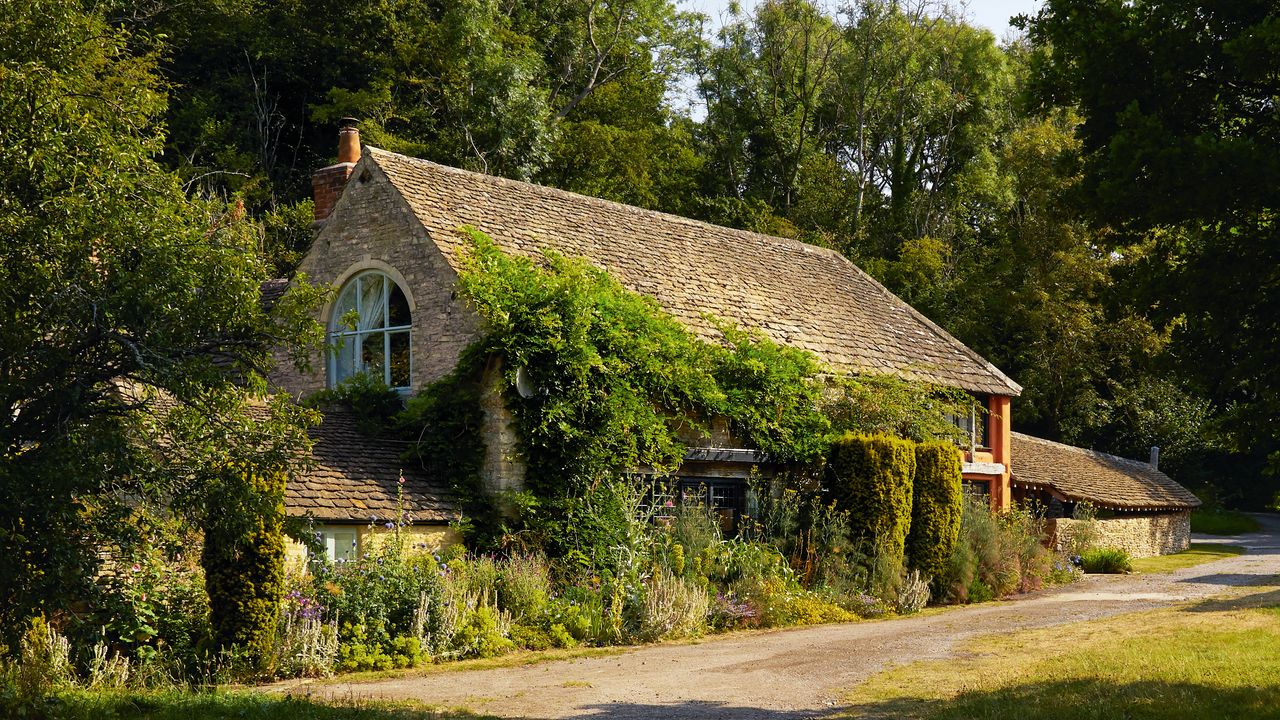
In the past five or six years, I’ve spent short, isolated periods in Yorkshire, Norfolk and North Wales. Never for longer than a few months, but I needed the space and solitude of the sticks to write uninterrupted. Every time, I turned quite feral – living off rabbit stew, going for long, sopping walks, barely looking in a mirror. It was lovely, when I first arrived in Norfolk at the end of the summer; I left the back door open while I worked so the voles could dart in and out, and the tide came up to the strawberry nets in the back garden. But then the temperature dropped, and it started getting dark. After the clocks went back in October, the days often felt like they weren’t going to lighten at all, and the dark in the country is different to the dark in the city. No streetlights; a blackout. I started carting my laptop to the nearest pub at 3pm when the sun vanished, simply for the sensation of other humans around me.
I was merely staying in the country for a spell. That’s quite different to living there. ‘Winters are hell,’ says a friend who moved from London to a bigger house in Wiltshire during the pandemic. ‘Gloomy and cold, and every year I nearly divorce my husband because he insists on turning the thermostat down.’ But as the seasons change, she reminds herself that the summers make up for it. ‘We ate outside almost every day last summer. And city friends are much more up for visiting in the summer, although careful because this can mean you’re doing laundry every weekend.’
The writer and novelist Esther Walker has a particularly love-hate relationship with the place. ‘The reality of living in the countryside is this,’ she begins, ‘winter is a battle against mud and water in various forms, summer is a battle against flies and wasps. There is an all-year-round battle against rats and mice. Public transport and taxis don’t exist, you can’t so much as get a pint of milk without getting in the car, so it’s easy to get fat.’
And yet, Esther adds, she loves Gloucestershire with her whole heart. She and her husband have only decided to sell up their second home there after a decade there because their son is a devoted cricketer who plays all year round and they don’t have free weekends as a result. ‘Everything comes so easily in town it ceases to have meaning. The differences and challenges of a rural life are all part of the fun.’
Small children who like the space to scamper around in the country may grow into big children who long for more excitement and the allure of a city. In the Borders, towards the end of the holidays, we would make a pilgrimage to Edinburgh (over an hour away by car) for new school shoes, where I would be quite overcome by the sight of Schuh and the Levis shop. Patchy phone signal and dodgy train services may also cause teenage dismay.
Although living in the country may also encourage them to drive as soon as they can. I applied for my provisional license the second I turned 17, spent weeks sliding around the quiet Scottish roads with my patient mother, in her Peugeot estate, and passed my test not long after, much sooner than any of my city pals. Probably because I spent most of my test inching along behind a flock of sheep on a narrow country road, and the examiner couldn’t fail me because there was nothing to fail me on. We simply spent the entire test in second gear.
Comments are closed.