

After this, Monty Don says the grass will start to grow thicker and healthier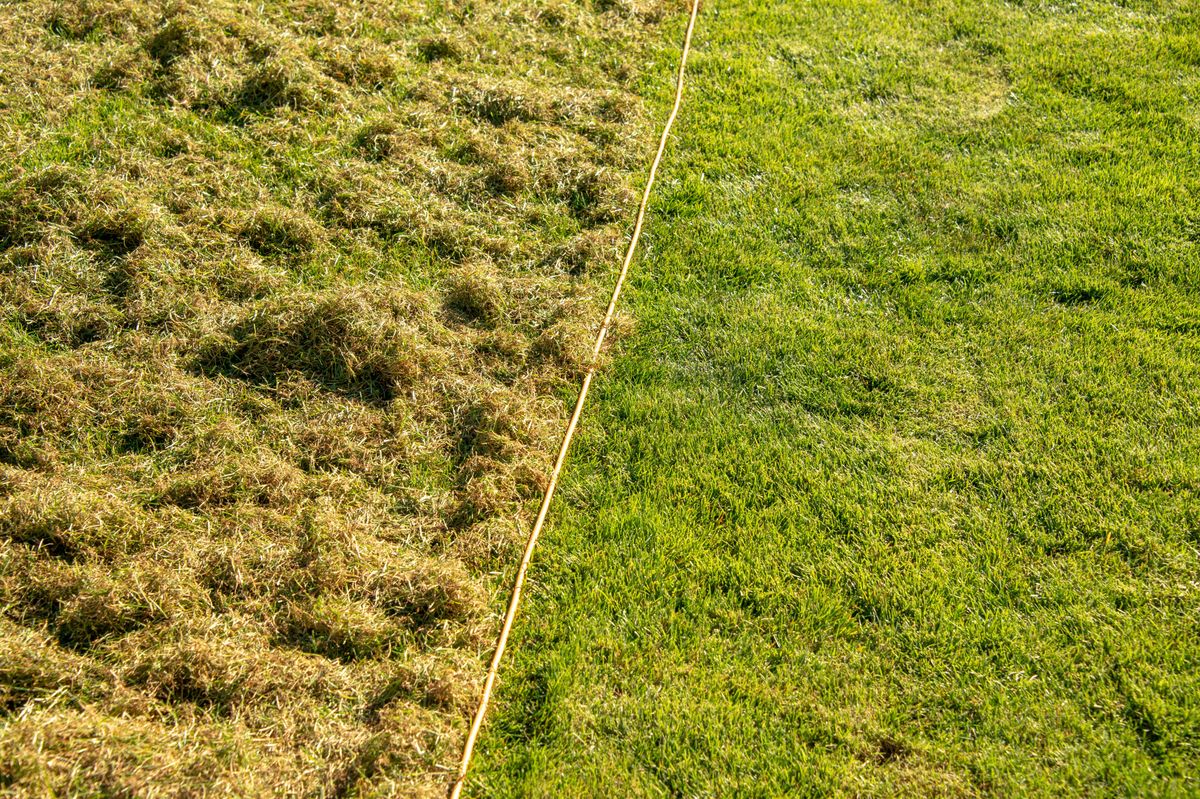
Anyone with a lawn urged to do Monty Don’s 1 simple task in March(Image: Paul Biris via Getty Images)
March is here, and countless gardeners will be itching to get started on their lawns, which have likely turned wild and moss-covered during the winter months. However, Monty Don, the celebrated horticulturist best known for hosting Gardeners’ World, has outlined why it’s better to focus on a single crucial task – boosting grass vitality instead of attempting to banish moss.
On his website, Monty explained: “The best grass likes very well-drained soil. Moss, for example, is always a symptom of poor drainage, made worse by shade. Unfortunately, even the best-prepared soil becomes compacted by matted roots, rain and, especially, normal family use. The answer is to work on it at least once a year by sticking a fork in the ground and wiggling it about and repeating the process every six inches or so.”
Moss takes hold of waterlogged lawns because it thrives in wet conditions, and its appearance is a telltale sign that compacted soil is preventing effective drainage.
Compacted soil not only risks rotting the grass and promoting disease, but also starves the roots of vital nutrients and sunlight, making patchy, uneven growth far more likely when spring arrives.
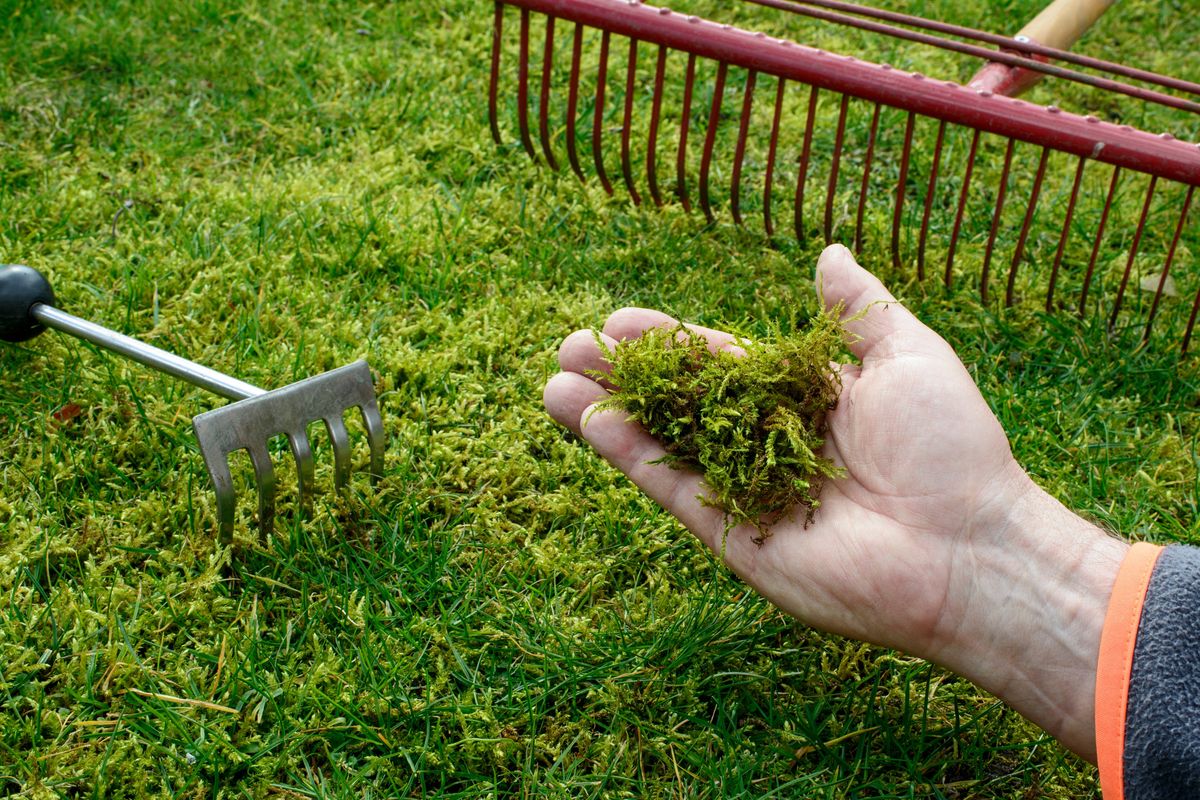
Moss establishes itself on lawns suffering from waterlogging(Image: schulzie via Getty Images)
Driving a garden fork into the ground is a simple but effective way to aerate your lawn, puncturing the soil to allow better circulation of air and water down to the roots.
Once you’ve thoroughly aerated the area, you can boost growth by whipping up an easy homemade mulch that will break down naturally and deliver a nutrient boost to your lawn.
Monty advised: “Mix up equal portions of sieved topsoil, sharp sand and sieved leaf mould or compost. If you do not have these things to hand, then just sharp or silver sand will do the job.
“Spread it across the area you have pricked and brush it in with a stiff broom, filling the holes with the mixture. This will help drainage and feed the grass.”
Mulching does more than just feed the soil – it also acts as a natural barrier against weeds and moss taking hold on your lawn, by fortifying the grass so it can easily outgrow any competition.
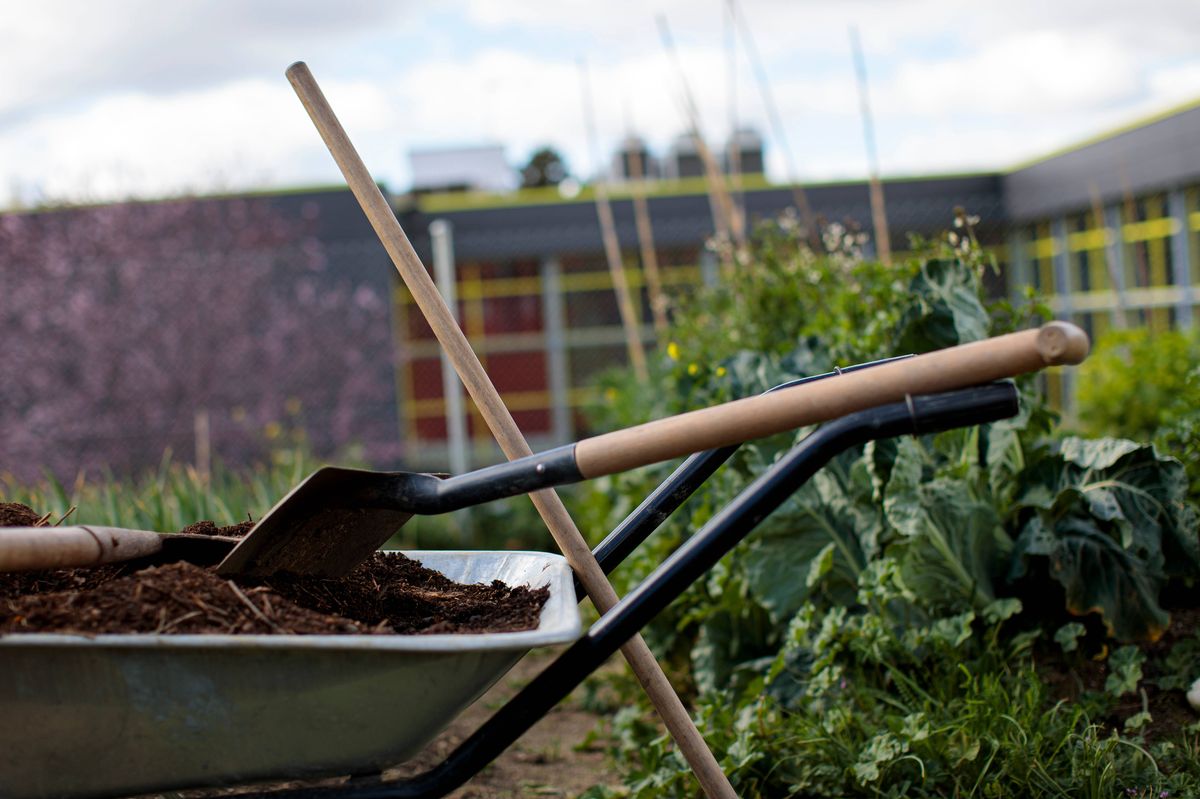
Mulching doesn’t just nourish the soil but also naturally prevents weeds and moss (Image: Lourdes Balduque via Getty Images)
Finally, make sure you run a wire rake over your lawn, as this will help lift moss and other organic matter that’s built up and stop nutrients from reaching the soil beneath.
Monty explained: “It is also worth giving the lawn a good scratch with a wire rake. This will get at all the overwintering thatch and moss, and let light and water get to the soil and to the roots of the grass.
“Put the debris on the compost and then mow. It will look a little bald for a week or so, but will grow back thicker than ever.”
Setting aside time to tackle these simple jobs in March won’t just banish moss from your lawn – it’ll also promote stronger, healthier grass growth, leaving you with a thick, green lawn to enjoy throughout spring.
Comments are closed.