


Weedkiller’s not the way to go, Alan says (Image: Getty)
Now is the best time to get out in the garden and get some weeding done, says Alan Titchmarsh: “The weeds are young. The soil is moist and so the roots will come out more easily.” He adds that he’s not a fan of chemical weedkillers, which can contain toxic chemicals that harm human health, as well as affecting the all-important micro-organisms that maintain healthy soil. Using excess weedkillers can also pollute waterways
Instead, Alan recommends good old-fashioned elbow grease in the garden. He uses spades and forks, ideally the narrower kind manufactured especially for use in borders. A Dutch hoe will also come in handy, he says.
In a new video on his Gardening with Alan Titchmarsh channel, the horticultural guru says he generally keeps on top of the weeds in his garden, there are still sometimes minor outbreaks of common garden intruders such as Convolvulus, or bindweed, “which will suddenly appear clambering up a tall thing like a delphinium.”
“Other common pains are ground elder, which has foliage that looks a bit like the elder tree,” he says. “It’s quite low. It only grows about a foot high, but it has really thick roots, and you do need to get them out.”
But, Alan says, while digging unwanted plants out of your flowerbeds is occasionally necessary, “prevention is better than cure.”
Read more: Alan Titchmarsh urges gardeners to take care over job that needs doing by today
Read more: Alan Titchmarsh explains first date to cut lawn in 2026
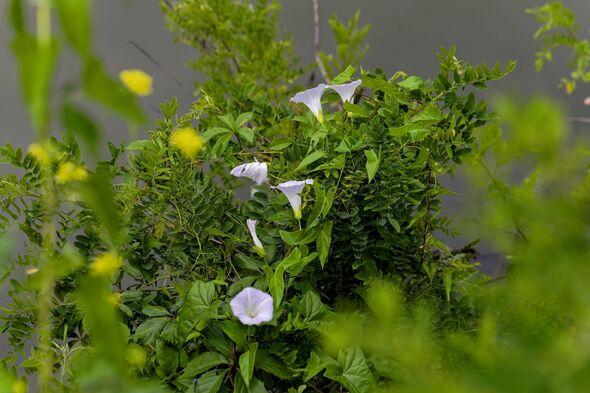
Convolvulus can be quite appealing, in the right setting (Image: Getty)
“If you’ve got clean soil in a bed or border at this time of year,” Alan says, “it’s nice to be able to keep it that way. Having got all your perennial weeds out, or made sure that they haven’t come up.
Then you can coat the soil with a mulch. A mulch is an organic blanket, generally speaking, between 1½ and two inches thick.
You can use chipped bark, for example, which Alan says not only prevents unwanted seedlings from getting any sunlight but looks quite attractive as well. Just spread a generous layer on your flower beds, leaving a space for the plants you actually do want to encourage, and you should end up with appealing, and weed-free, beds and borders.
Alan says: “Plants are shown off well by the mulch. Weeds are being kept down. Moisture is being kept in. Win-win-win!”
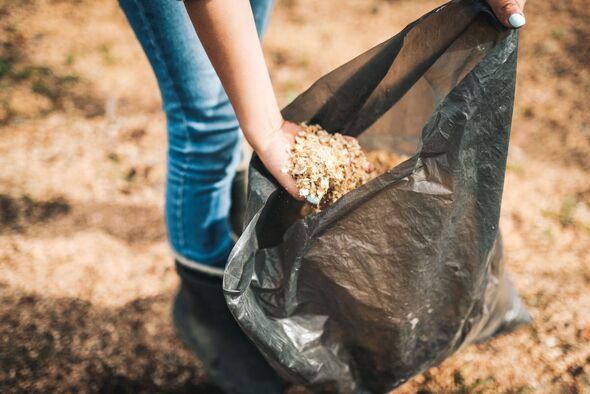
Wood chips can look attractive, as they starve out the weeds [stock photo] (Image: Getty)
An additional measure, if you’re particularly worried about weeds, is to lay purpose-made weed-suppressing membrane down first, cutting flits for your own plants to grow through, and then once it’s well pinned-down, lay your chipped bark on top.
Alan adds that, as well as checking your beds and borders for interlopers, it’s worth taking a look at pots and containers too: “Winter’s also a good time to de-weed your pots and containers,” he says.
“Even the smallest weeds are stealing water and nutrients from your plants and in time could overpower them. Get them out now before they drop their seeds, multiply, and damage your existing plants.”
Alan’s “by hand” weeding ethos extends to paths and patios too, using a patio knife to dig down between pavers: “Now, I know it seems labor intensive,” he says, “but it’s what we call gardening.”
Comments are closed.