
 3 min read
The going is easier for birds when they start traveling south for the winter. Many plants and trees are fruiting and bugs are active, so there are typically abundant food sources. But when they head back north during spring, things can look quite different. The trees are still bare, insects aren’t flitting about, and nectar and seeds are in short supply. While you can and should put out a bird feeder to help them along the way, there are also trees and perennials you can plant that will offer birds food and shelter during their journey north.
To get an idea of what plants help birds during this time, we reached out to Holly Grant, a project assistant at the Cornell Bird Lab on the NestWatch project. Holly always recommends “native plants that fit your hardiness zone, especially those that provide seeds, berries, or other helpful foods. Bonus points if they bear these items during April and May, the prime migration months. That said, there are other plants that don’t have these, but they do make good nesting material, which is also important in the springtime.” While helping birds in early spring is important, Holly notes that “the best plants for birds are those that can provide helpful resources all year long”—which all of these do.
Here are some plants to consider, most of which work across multiple hardiness zones.
Oaks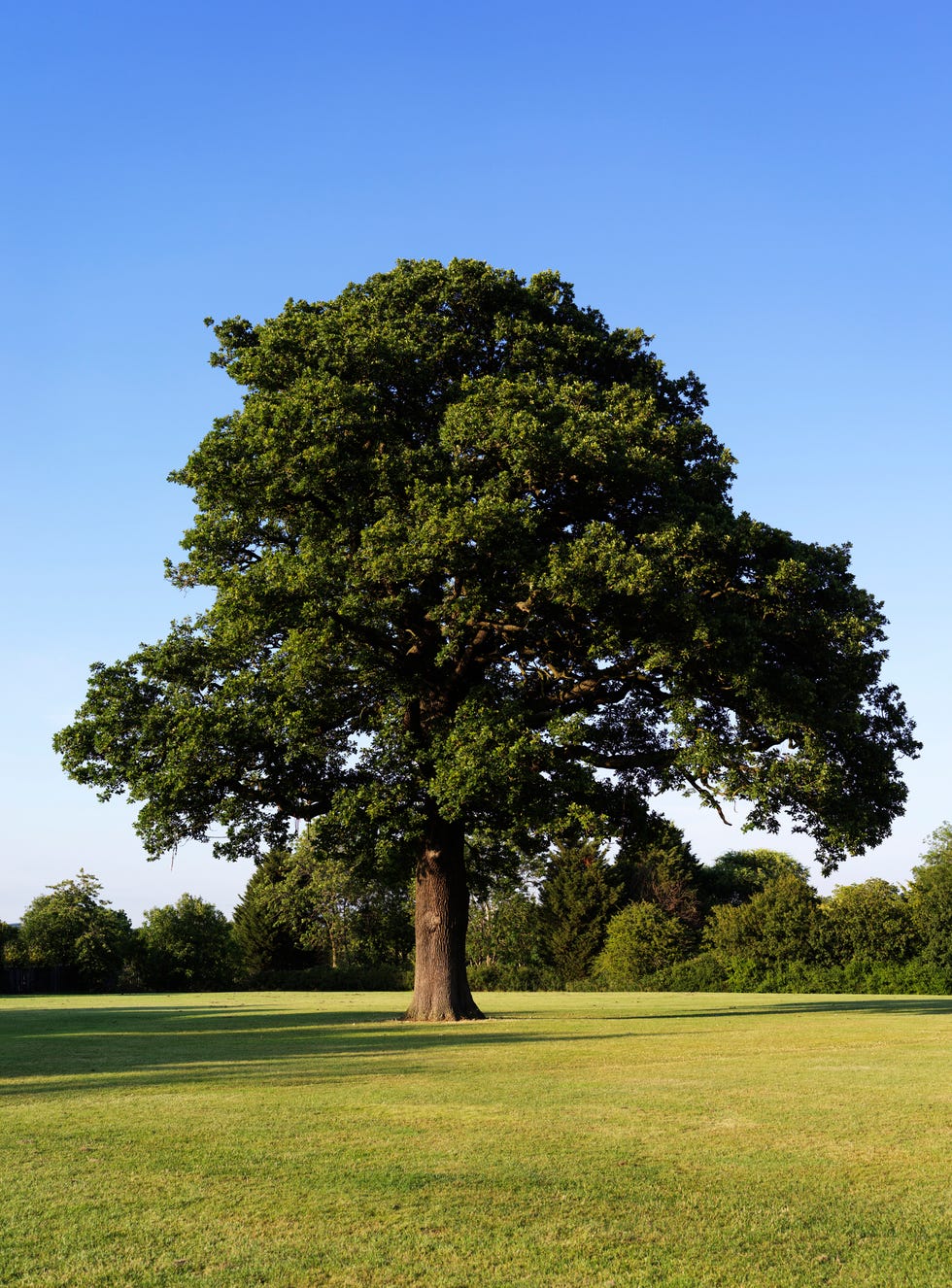
Gary Yeowell//Getty Images
The big, majestic oak tree is a keystone species, meaning it’s a species that many other organisms in the ecosystem depend on, and if it were removed, there would be dramatic effects. Oaks can host hundreds of caterpillar species, both moths and butterflies, which provide much-needed fuel for migrating songbirds. There are oak varieties suitable for hardiness zones throughout the country, so check at your local garden center for one that might work in your yard.
Pine Trees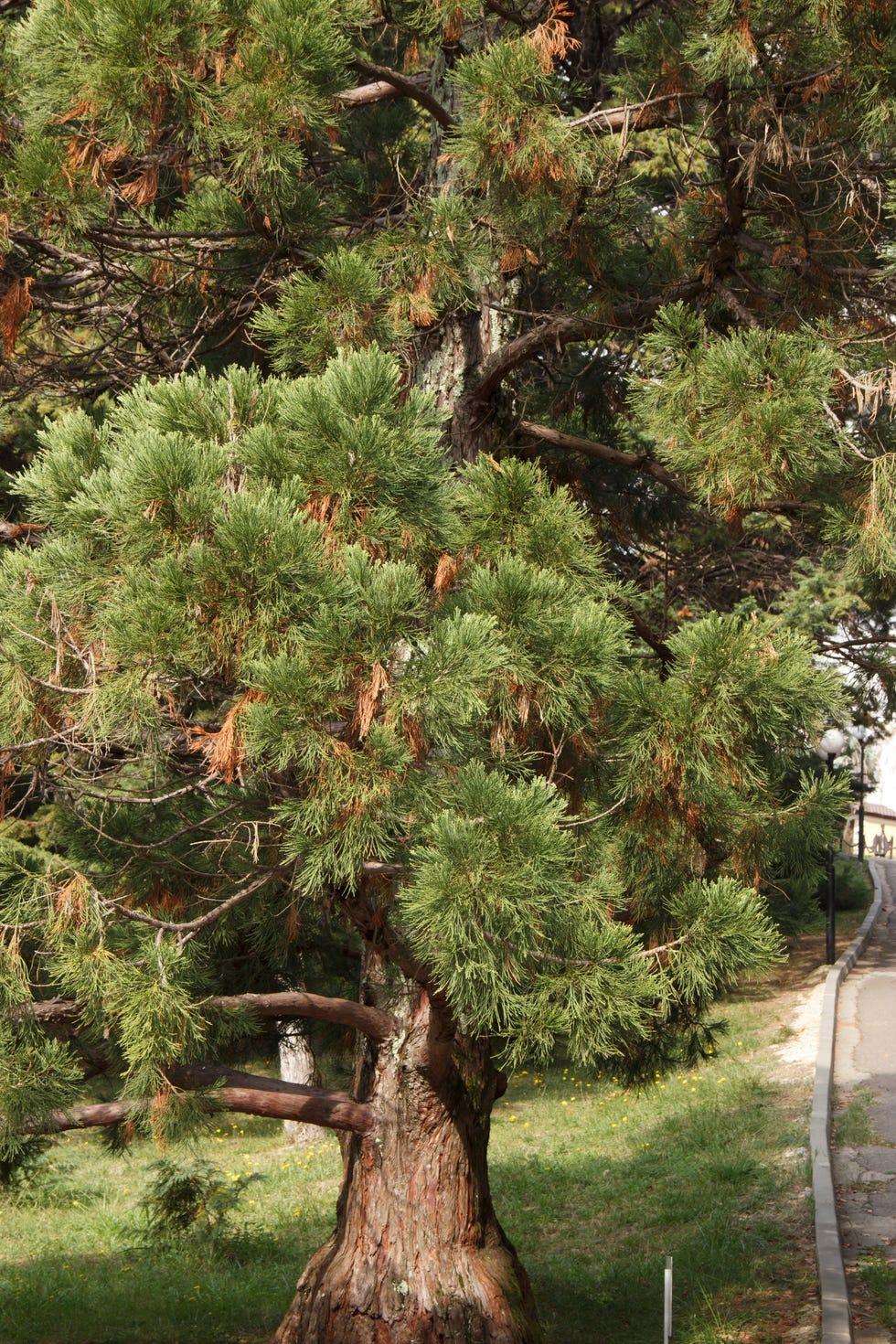
Казаков Анатолий Павлович//Getty Images
It’s not only about food! Pine trees provide much-needed shelter for migrating birds. They offer protection against cold, late-season snow, and blustery winds and rain. On the food front, pines provide a home to insects, spiders, and caterpillars, which birds can munch on. On the Eastern Seaboard, Eastern White Pine is a great choice; it grows in Zones 3 to 8. Ponderosa, pinyon, and Western White Pine are varieties native to the Western states.
American Holly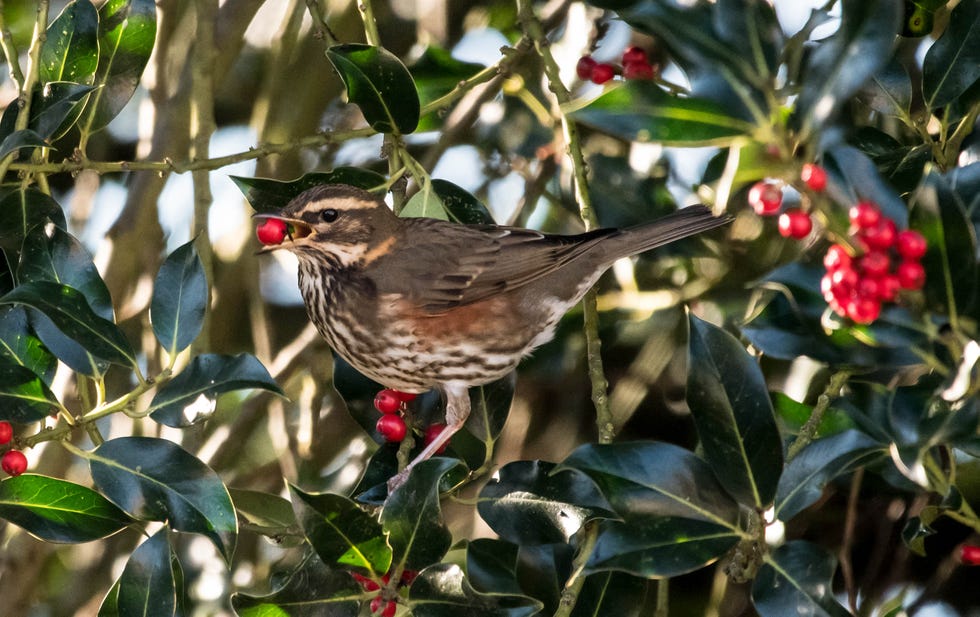
gemredding//Getty Images
Unlike a lot of plants, American holly holds onto its berries late into the winter. These berries have high nutritional value and are a great food source for migrating birds. Since the plant is an evergreen, the foliage also provides shelter from inclement weather. American holly can grow across most of the U.S., from hardiness Zones 5a-9, so it’s a great choice for many landscapes.
Serviceberry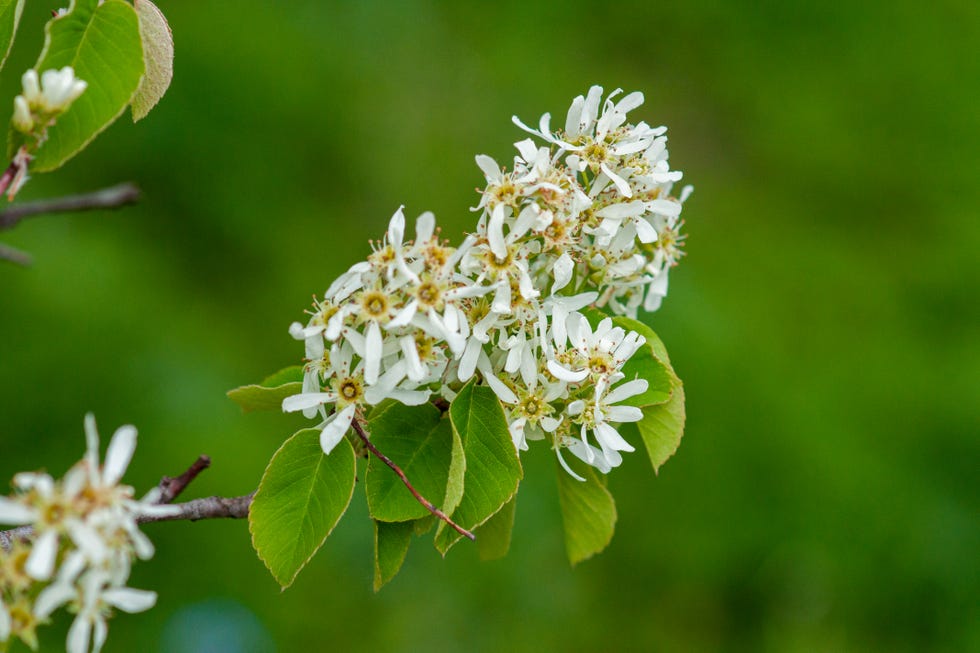
Alexander Nesterov//Getty Images
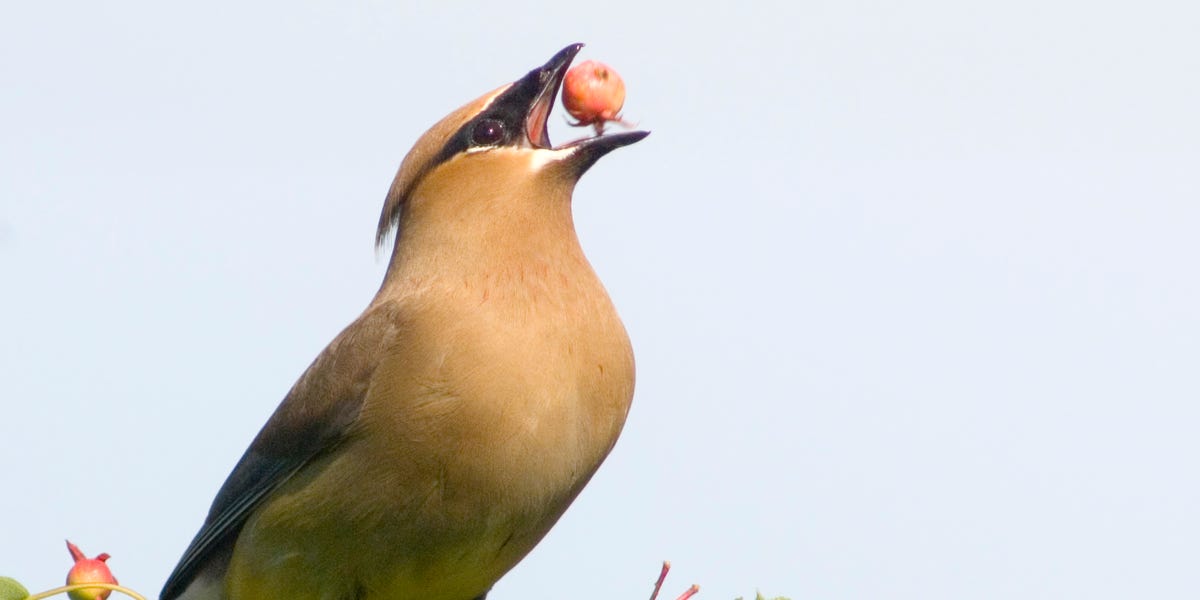
This powerhouse supports birds during spring migration by providing early-season, high-energy food sources, including insect-attracting flowers that bloom in March and April, as well as nutrient-dense berries that can ripen as early as May in warmer climates. (These are the same berries enjoyed by a cedar waxwing in the photo at the top of this story.) There are many varieties of serviceberry, so make sure you choose one that’s native to your area.
New England Aster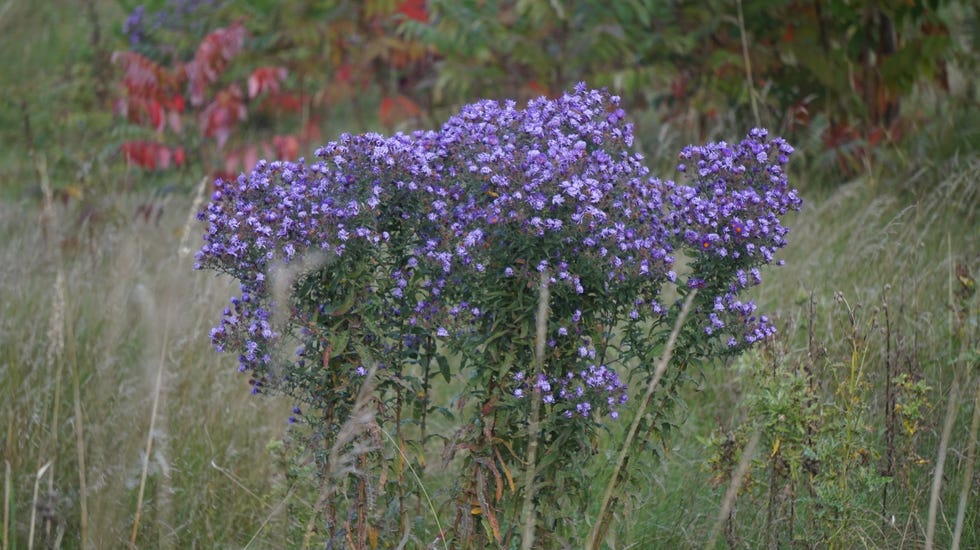
Noemi Cabalbag//Getty Images
Per Holly and the Cornell Bird Lab, New England aster “can provide cover for nestlings in the summer and a wealth of seeds that nuthatches, cardinals, and other seed eaters seek out in the winter.” Plus, its beautiful purple and pink flowers are showy and add so much beauty to a garden. Hardy in Zones 3-8, this plant is native to many states.

Holly Grant is a Project Assistant at the Cornell Bird Lab on the NestWatch project, and has expertise in nesting birds, feeder birds, and bird feeding strategies among other things. She holds a B.S. in Conservation Biology. You can find out more about Holly on her staff bio page.
Comments are closed.