
“Hearst Magazines and Yahoo may earn commission or revenue on some items through these links.”
Despite lingering heaps of snow and stubbornly brisk temperatures, spring is officially on the horizon, which means garden prep is top of mind for many farmers, including the brains behind The Old Farmer’s Almanac.
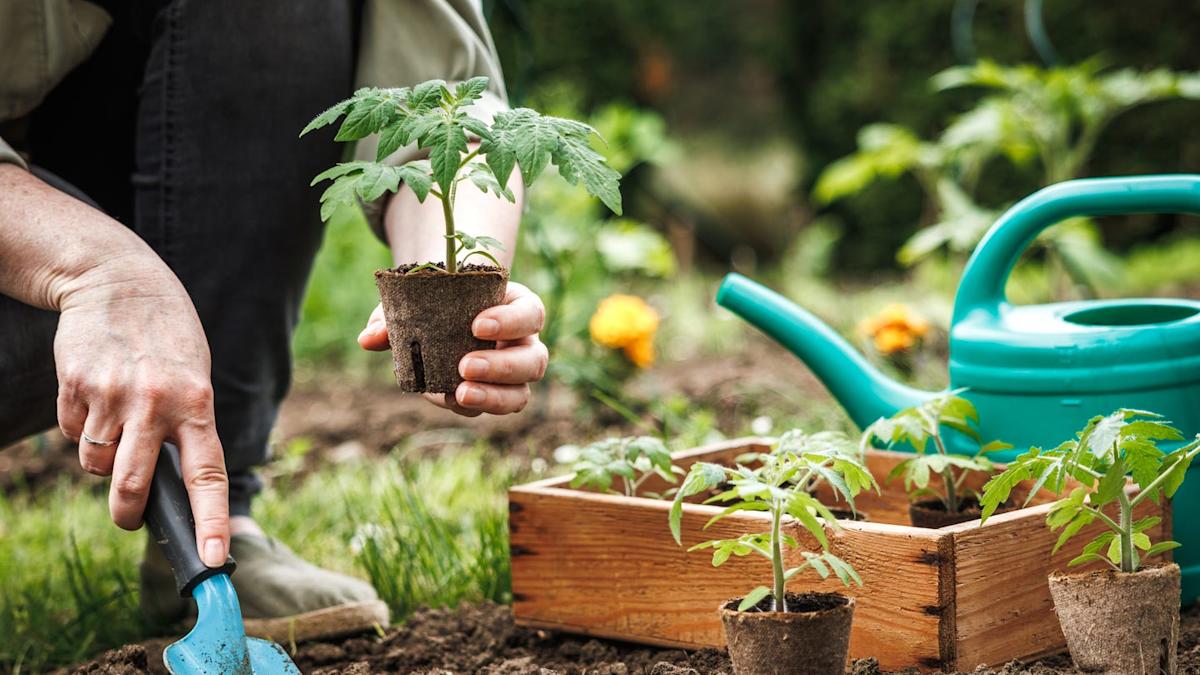
The centuries-old outlet recently published a story about the concept of moon planting, a practice that encourages gardeners to plant specific crops during certain moon phases to create a healthier, more bountiful harvest.
While the idea may seem odd to some, it has actually been practiced for hundreds of years, so we dug deeper to figure out how to moon plant for the upcoming spring season in your backyard.
What is the Farmer’s Almanac?
Since 1792, The Old Farmer’s Almanac has been a trusted source for everything from long-range weather predictions to gardening tips and tricks. The outlet pulls data from three main sources to supply information for its annual little yellow booklets. It draws on climatology, meteorology, and solar science.
2026 Trade Edition Booklet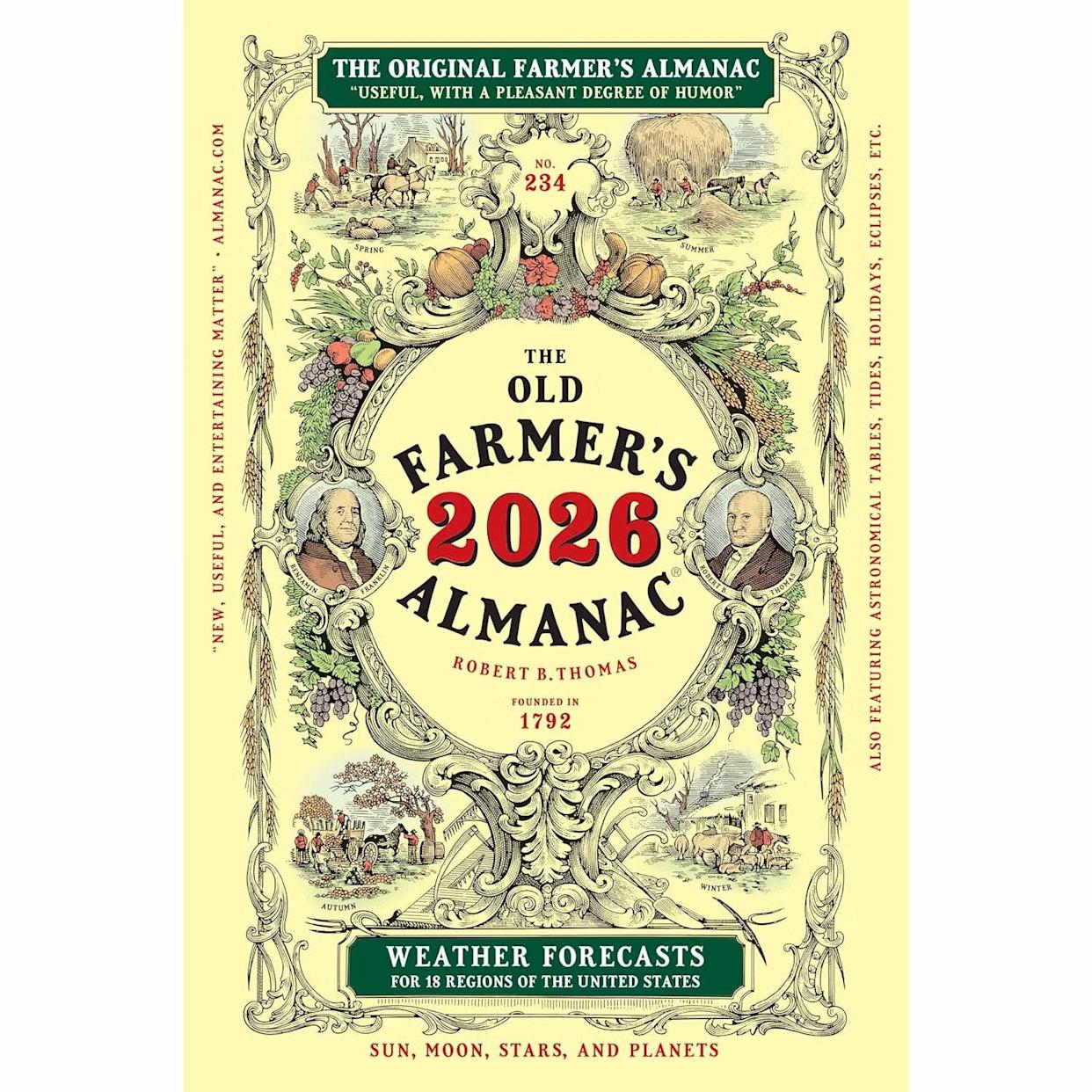
$8.22 at amazon.com
According to the Farmer’s Almanac, this data is effective too, reportedly boasting an 80% accuracy rating for long-range predictions. This information is then used by farmers, gardeners, and outdoorspeople to plan travel, planting, and the like.
What is moon planting?
We get it: Planting your garden based on the moon may sound a little woo-woo, but when you think about it, it’s not that strange. The moon affects ocean tides and animal behaviors, so is it too far off to believe it can influence gardening too?
The idea behind moon planting (otherwise known as lunar gardening) is similar to the push and pull of tides. During a waxing moon (between a New and Full Moon), moisture is believed to be drawn to the surface of soil, allowing seeds to swell for strong germination. During a waning moon (between a Full and New Moon), plants have to work harder for moisture, making it a great time to plant produce with strong roots that sink into the soil.
The effectiveness of lunar gardening is still disputed. Some gardeners swear by it and follow the practice every season while others note no distinguishable change in their final crop when followed. But if you’re interested in trying it for yourself, here’s how to do it.
What to plant based on the moon
To practice this in your own garden, you must first identify the current phase of the moon. This can be found through a quick Google search or in most physical calendars, as moon phases follow a roughly 29-day cycle. After identifying the moon’s current phase, follow the guide below to ensure you plant the best produce for the immediate cycle.
Waxing Moon
This three-moon stage, comprised of Waxing Crescent, First Quarter, and Waxing Gibbous, is best for planting annual flowers and produce that sprouts above ground.
Beans, broccoli, Brussels sprouts, cauliflower, collard greens, corn, cucumbers, eggplant, kale, lettuce, peas, peppers, pumpkin, squash, Swiss chard, tomatoes, watermelon, and zucchini
Waning Moon
After a Full Moon, the moon enters three waning stages: Waning Gibbous, Last Quarter, and Waning Crescent. This period is best for planting biennial and perennial flowers, bulbs, and produce that flourishes underground.
Asparagus, beets, carrots, garlic, ginger, kohlrabi, leeks, onions, parsnips, potatoes, radishes, rhubarb, rutabagas, shallots, turnips, water chestnuts, and yams
Whether you swear by moon planting or simply enjoy experimenting in the backyard, aligning your planting schedule with the moon is a time-honored tradition many gardeners still follow today.
You Might Also Like
Comments are closed.