
Key Takeaways
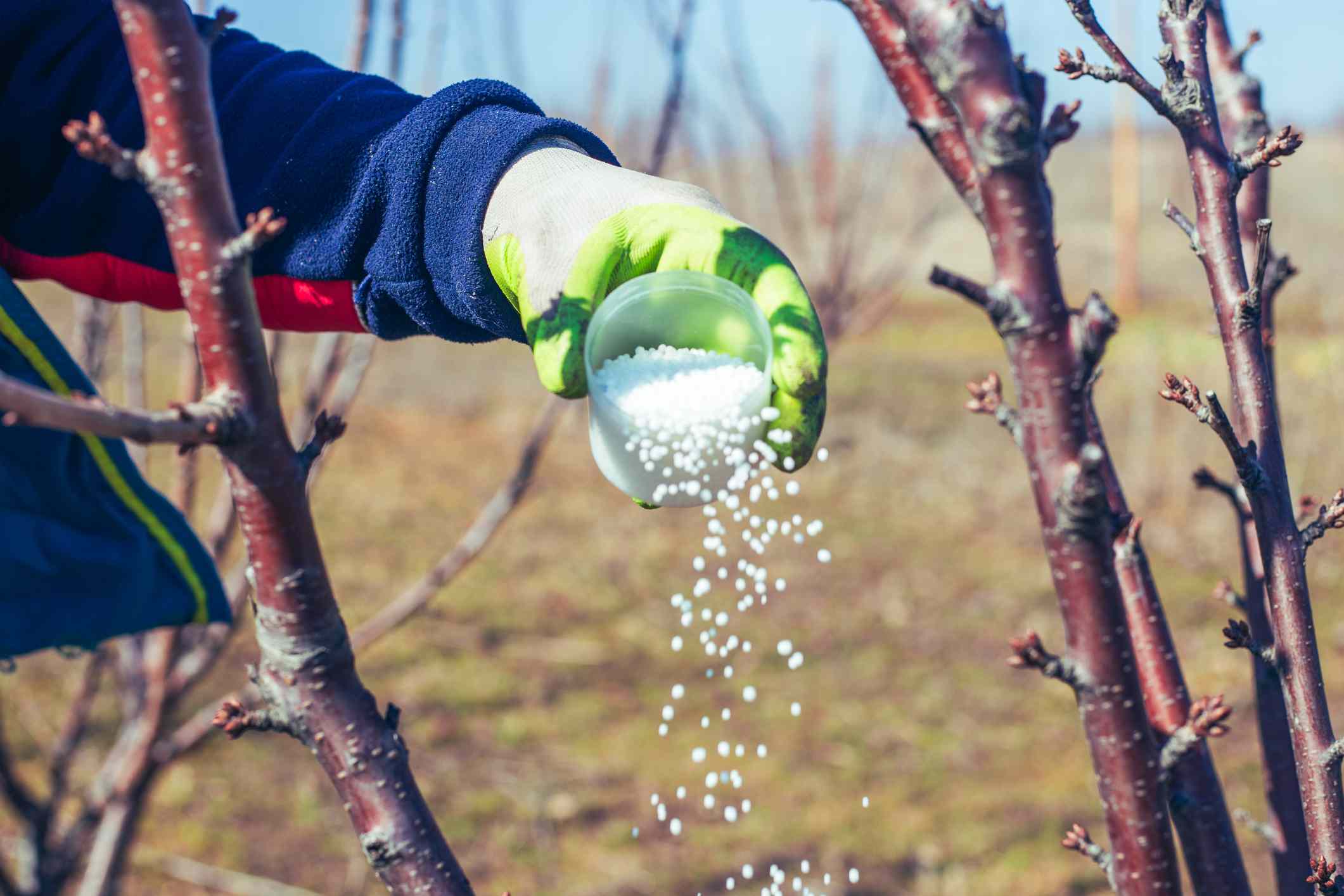
Late winter is ideal for fertilizing as the soil thaws and plants wake from dormancy.Perennials like roses, daylilies, and hostas benefit from slow-release organic fertilizer.Coreopsis and geum respond well to balanced fertilizer for stronger blooms.
Right around the time you start to grow most tired of winter, is actually the best time to start working in the garden. One of the first things you should do to guarantee a season full of blooms is to fertilize your soil.
Late winter is an ideal time to fertilize many types of flowering perennials. The ground is starting to thaw, so the soil will be more receptive to nutrient uptake. Additionally, it’s a time when many plants begin to emerge from dormancy and could use an extra nutritional boost.
We asked two plant care experts to share which perennials benefit the most from late-winter fertilizer application. According to them, these are the ones that will benefit the most from the head start.
Meet the Expert
Chuck Pavlich is the director of new product development at Terra Nova Nurseries.
Ward Dilmore is the founder and head landscape designer at Petrus Landscaping.
Roses
Credit:
Getty Images/Willy Sebastian
According to professional landscaper Ward Dilmore, late winter is a great time to apply fertilizer to roses, since it is when the plant begins preparing its green leaves. If you live in a warmer climate, you can even start fertilizing your roses in mid-winter.
“Roses are a nutrient-guzzling plant, meaning they require a lot of nutrients to produce adequate blooms and good form during the growing season,” he explains.
He suggests applying a fertilizer that is heavy in macronutrients or a rose-specific fertilizer (available in most nurseries).
Coreopsis
Credit:
The Spruce / Evgeniya Vlasova
If your Coreopsis is already starting to sprout up and show off green buds at ground level in late winter, it’s ready for a round of fertilizer.
Chuck Pavlich, who oversees new product development at Terra Nova Nurseries, says applying a slow-release fertilizer around the crown of the plant at this time will set it up for success.
“Coreopsis are heavy-flowering plants and need a boost early in the season to accomplish their goal of flowering from early summer through frost,” he says.
Daylilies
Credit:
bauhaus1000 / Getty Images
Daylilies are a popular landscaping plant, primarily because they produce large, showy flowers that continue to bloom throughout the growing season. But if they lack the proper nutrients, they won’t produce as many blooms.
“Late winter is a perfect time to fertilize Daylilies since they emerge out of dormancy quite early and need all the nutrients they can get if one wants to have plenty of blooms on their plant that season,” Dilmore says. “Daylilies get their name from each lily flower lasting about a day, which means the plant will need lots of nutrients to continue blooming throughout the year.
He notes that organic fertilizer is a great option for daylilies, since it slowly releases nutrients to the plant’s root system.
Geum
Credit:
Alex Manders / Getty Images
According to Pavlich, if you apply an evenly balanced, slow-release fertilizer to your geum in late winter, you might not need to apply it again until May or June. This is especially true if you live in a region with high rainfall.
“Geum benefits from [late-winter] fertilizing because they are naturally early flowering and need nutritional support early to bulk the plant and produce new foliage that supports the plant later in summer,” he says.
Certain Geum varieties will even reflower well if you keep them well-fed with nutrients.
Hostas
Credit:
The Spruce/Debbie Wolfe
This popular shade perennial needs nutrient-rich soil from early on to produce its notoriously showy leaves.
“Hostas grow from large crowns in the ground and grow quickly when the ground starts to warm up in the spring,” Dilmore says. “Anything that grows rapidly in the early spring will need nutrients to support that rapid growth, and hostas will benefit greatly from it.”
He suggests a balanced organic fertilizer with compost added during the early season, which should keep your hosta looking full and colorful all season.
Comments are closed.