
Credit: Crispin la valiente / Getty Images
Spring is finally here this month, either by the weather or at least, for those in the far North, by the calendar. March is a busy month in the South, but even northern gardeners have plenty to do this time of year.
From seed starting indoors and getting your vegetable garden ready to spring cleanup, here are a few things to watch for and remember as we enter the gardening busy season.
Northern Region
In the northern tier of states, such as Minnesota, Michigan, and Maine, the days become longer with the spring equinox on March 20. The snow is melting, although there might still be some snowstorms or snow showers coming your way, as well as plenty of frosty nights, but the season is definitely changing over.
Vegetable & Herb Garden
After witnessing all those gardeners farther south bragging about their seed starts on social media, it’s your turn now to get things moving. This is a big month for seed starting. If your last frost date is in mid-April, don’t waste any time.
Sanitize any seed trays, flats, cell packs, or pots you’ll be reusing.
Start almost all your seeds except fast-growing cucurbits such as melons and squashes. In particular, get moving on tomatoes, eggplants, peppers, and cole crops.
Clip all the old foliage from your chives as soon as they emerge from the snow.
Flower Beds, Perennials, and Ornamentals
Perennials are still asleep, but it’s time to do some cleanup once the snow melts. As the weather warms, it’s okay to go prune off the old vegetation you left last fall for habitat and food. Gather seed heads, stems, and dead foliage, and toss them in your compost pile. Break long stems into shorter pieces to help them break down more quickly.
Readjust your rabbit guards as the snow melts, making sure they aren’t perched up above ground level.
Reapply any mulch that flattened out too much to insulate the plant roots below. Nights are still cold, and roots need insulation.
To-Do Checklist
If you have a multi-bin compost setup, switch bins now and start flipping the old one once it thaws.
If you haven’t done a soil test in a couple of years, take advantage of a warm spell to collect a sample and send it off. If the ground is still frozen, place a small piece of clear plastic over the soil to thaw it so you can dig up a sample.
Middle States
In middle-tier states, such as Kansas, Virginia, and Missouri, the snow is likely gone, and in many places, the ground is thawing. Depending on your location, garden soil may be workable, though it might be too wet to be worked. Raised beds, on the other hand, may be thawed and ready for some cold-season plants.
Forsythias and spring-flowering bulbs are starting to bloom. Remember to let the foliage of spring bulbs die back naturally, which allows the leaves to photosynthesize and store energy,
Vegetable & Herb Garden
Once the soil is workable, meaning it is no longer wet and soggy after thawing, it’s time to start planting some cool-season crops.
Before you start, grab a stout tool and dig up any crabgrass and other perennial weeds that have poked up. Grab the entire plants with as many of the rhizomes and root systems as possible, which will save much effort later weeding around plants.
Transplant any cool-season crops that you have started indoors, such as lettuces broccoli, and kale. A lightweight row cover or caterpillar tunnel protects the young seedlings against the cold.
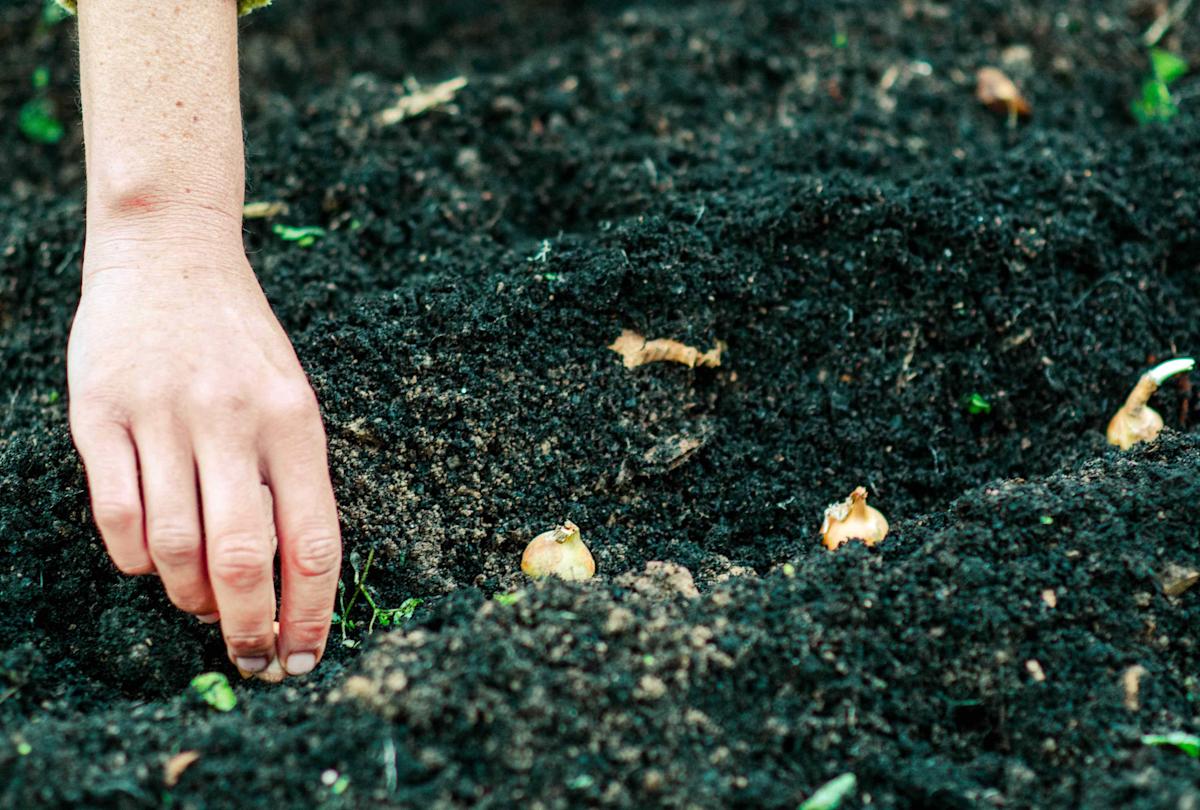
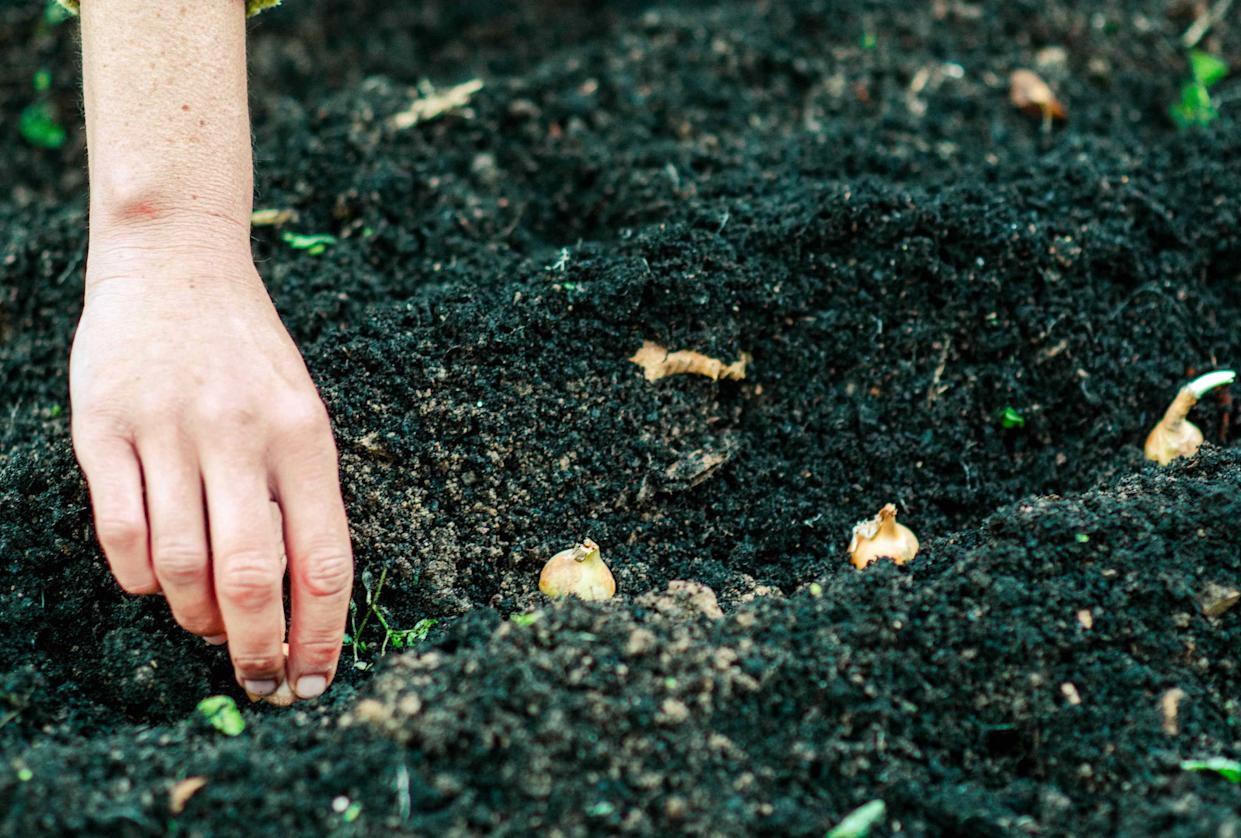
Directly sow carrots, beets, turnips, and plant your onion sets.
Make sure that your indoor seedlings are getting enough light. If they’re a few weeks old, it’s probably time to start fertilizing them.
Once you are 3 to 4 weeks away from your expected last spring frost date, it’s time to start cucurbits like melons or cucumbers if you intend to transplant them.
Flower Beds, Perennials, and Ornamentals
As perennials awake from their dormancy and send up new growth, it’s time to tidy up and cut back ornamental grasses and any remaining dead perennial stems before new growth gets in the way. Take inventory of which perennials would benefit from being divided.
Once the ground is thawed, you can:
Divide perennials and immediately replant the sections in new locations of give them away.
Transplant snapdragons, pansies, and other cold-hardy flower seedlings.
Plant any bare-root nursery stock, such as roses and shrubs.
Clean up perennial beds and apply a light fertilizer.
Related: 10 Plants You Should Never Divide in Spring
To-Do Checklist
Flip your compost pile, and start a new one. If you’re lucky, you’ve got some compost ready to use now.
Prune roses and other summer-flowering perennials, but leave the spring-flowering shrubs alone.
Lay out and prepare any new garden beds. Work a layer of compost into the soil to improve soil structure.
Southern Region
In Texas, Georgia, Florida, and other southern states, March is pleasantly warm on most days. The last spring frosts will come and go, and the mad rush to get everything planted starts this month.
Vegetable & Herb Garden
Depending on your last frost date, most plants can either be direct-seeded or transplanted this month. Watch the long-range weather forecast carefully. The average last frost date is just that, an average. There are no guarantees.
Depending on the weather, it’s time to start planting corn, green beans, melons, and squash.
Succession plant more lettuce and spinach. Choose quick-maturing or bolt-resistant varieties to handle the heat that will arrive next month. For cool-season crops, use a shade cloth to extend the spring season for a few more weeks.
Once all threat of frost is over, and the soil has warmed up, transplant tomatoes, peppers, eggplants, and other heat-loving crops.
Flower Beds, Perennials, and Ornamentals
Watch for sales at the garden center, and scoop up any bargains to fill in holes where a plant didn’t survive the winter. If something didn’t survive, take note of the reason. Was it a cold snap, a drainage problem, or something else?
Inspect the new growth on roses for aphids.
Plant gladiolas, tuberous begonias, and dahlias.
After the last frost, plant flats of annuals. Remember to harden them off first if they have been kept in a greenhouse.
To-Do Checklist
Continue to harvest cool-weather crops. To encourage cut-and-come-again of leafy greens like spinach, cut only the outer leaves and leave the center intact.
Set up your irrigation system and timers.
Read the original article on Better Homes & Gardens
Comments are closed.