
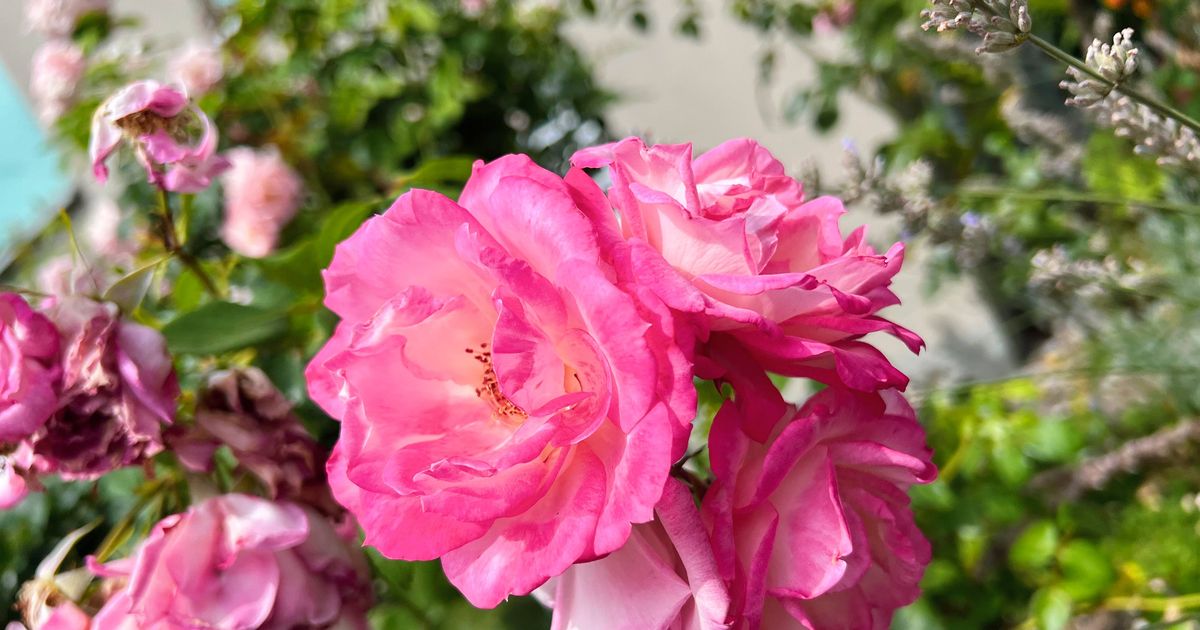
Gardening expert Monty Don has shared his March gardening advice for encouraging vigorous growth and lots of flowers from roses, clematis and four other plants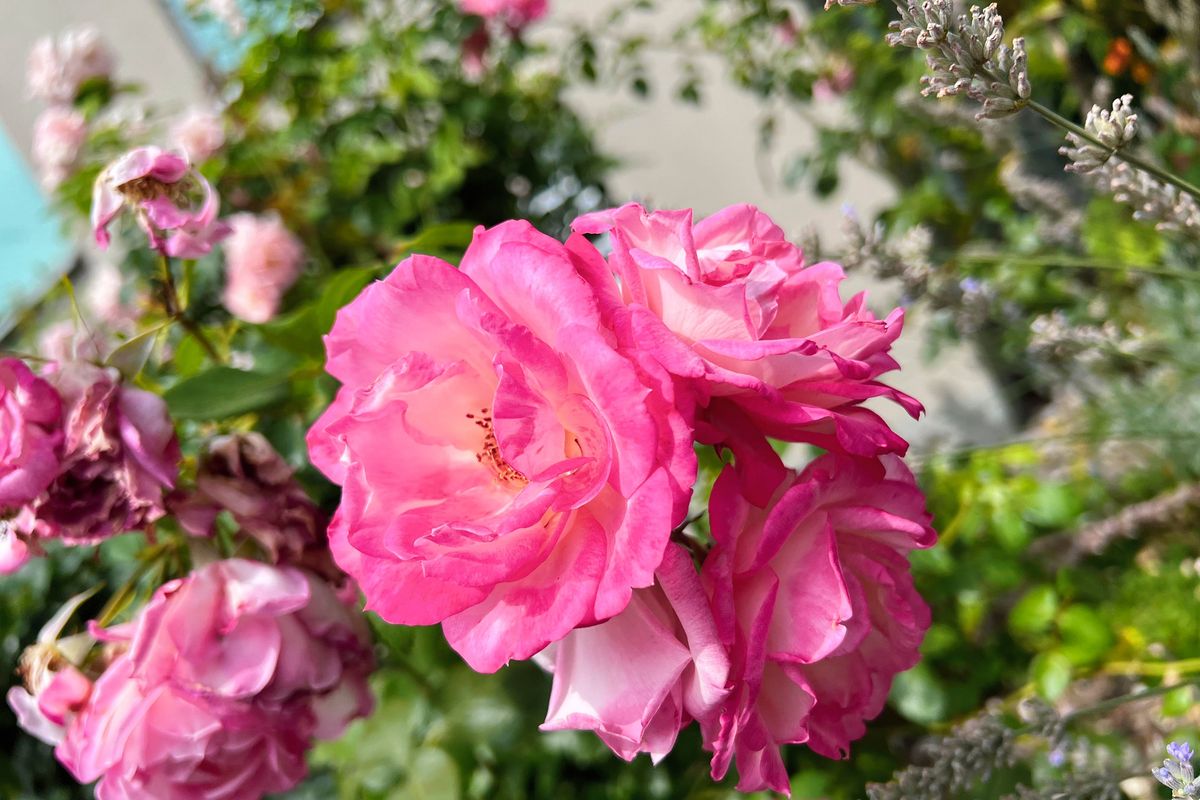
Anyone with roses or 5 more common plants urged to do Monty Don’s 1 simple task in March(Image: Feifei Cui-Paoluzzo via Getty Images)
Pruning stands as a vital gardening job for controlling growth, shaping plants, encouraging flowering or fruiting stems for the season ahead, and, most importantly, removing dead, damaged or diseased parts of plants. According to gardening guru Monty Don, effective pruning must be done at the right moment, which varies depending on the type of plant, and should follow “one rule”.
Monty shared his wisdom on the timing and technique for pruning plants this month in his March gardening tasks blog post. He advised using incredibly sharp and clean secateurs, sometimes called shears.
The most commonly employed tool for this task is bypass secateurs, which work like scissors with one slim and one broader cutting blade. They cause the least damage to the stem, making them ideal for trimming live plants and lighter jobs like snipping flowers.
Gardeners might also opt for kitchen scissors on plants with softer stems, though these must be properly cleaned to avoid spreading infection, which could kill the plant.
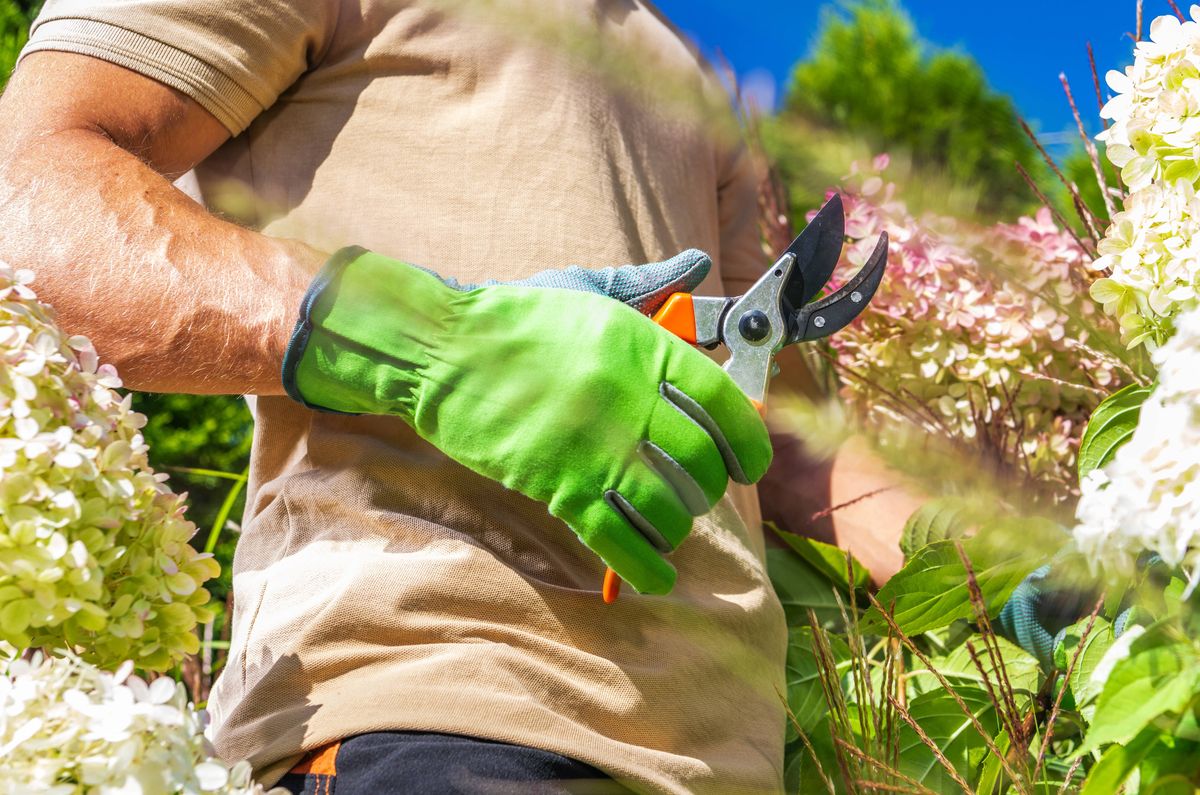
The most frequently used tool for pruning is bypass secateurs (Image: welcomia via Getty Images)
Monty explained that the opening two weeks of March represent the “best time to prune any shrubs and climbers” that will flower on new growth, particularly late-flowering clematis, roses and buddleia.
The horticultural authority noted that he likes to tackle this when he “starts to see new shoots appearing”.
Gardeners are cautioned to “resist the temptation to do so” if February proves mild, as a late frost could damage any budding growth. Shrubs including cornus, willow and sambucus benefit from hard pruning to stimulate new growth, which will “glow with extra bright colour next winter”.
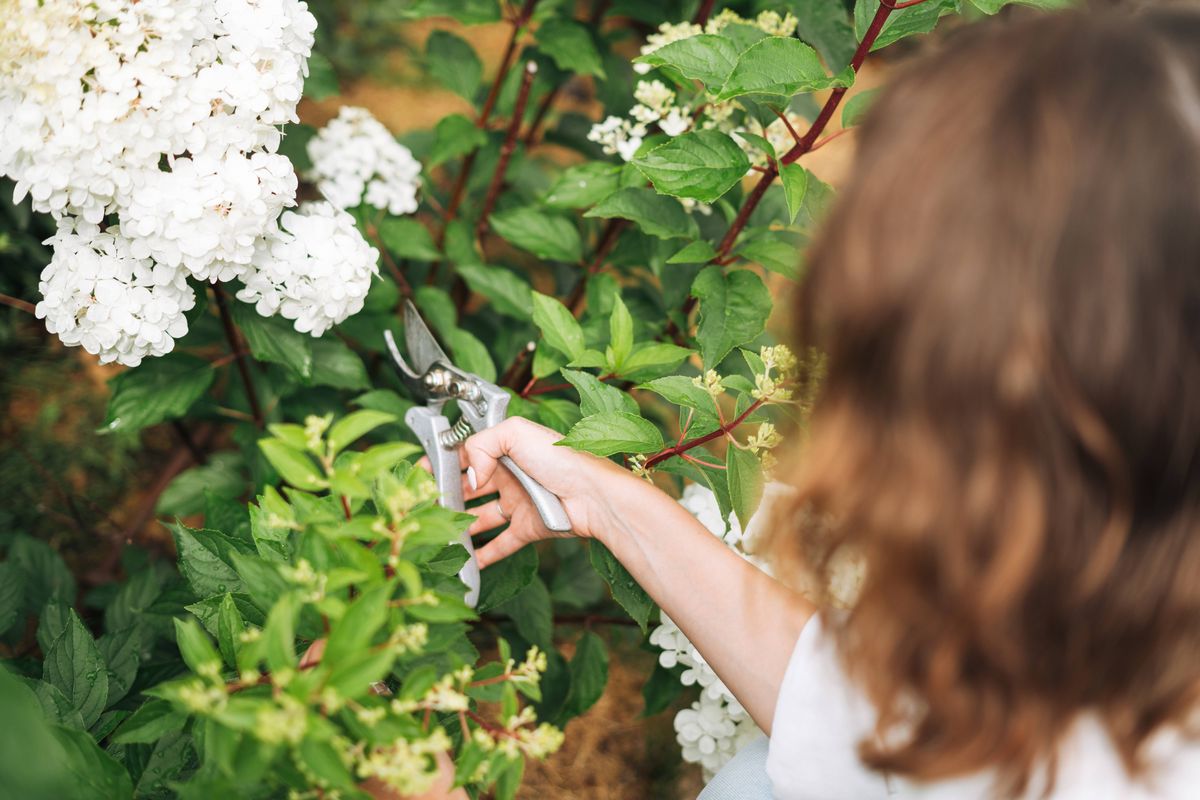
Monty stated that the first fortnight of March is the “best time to prune any shrubs and climbers”(Image: Galina Zhigalova via Getty Images)
As mentioned previously, Monty insists there’s “only one rule to follow” when it comes to pruning, and that’s to “always cut back to something”, be it a side shoot or leaf bud.
Beyond that, the 70-year-old advises gardeners not to fret over outward-facing buds or other technicalities.
Monty explained that the purpose of pruning, following his principle, is to “encourage vigorous new growth that will, in turn, produce lots of flowers”.
For climbing types such as the Viticella group of clematis, pruning aims to prevent blooms from appearing progressively higher up the plant, which would leave the bottom portion looking sparse.
Comments are closed.