
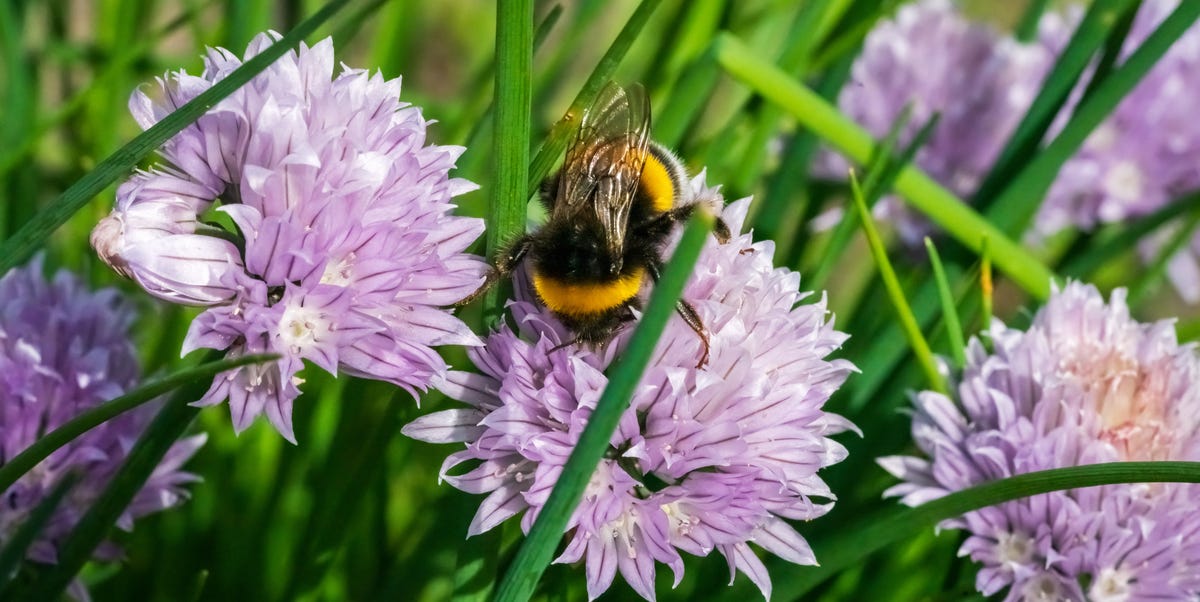
Wondering how to make your garden bee- and wildlife-friendly without letting it turn into a wilderness? You’re not alone. As pollinator numbers fall and habitats disappear, more gardeners are asking how their outdoor space — however small — can support nature.
From rethinking layouts to choosing the right bee-friendly plants and creating space for pollinators and small wildlife to thrive, today’s garden design is shifting towards something softer, looser and far more connected to the wider landscape.
At last year’s RHS Chelsea Flower Show – a global barometer for horticultural thinking – numerous show gardens explored how domestic spaces could realign themselves with nature.
 RHS/Tim Sandall
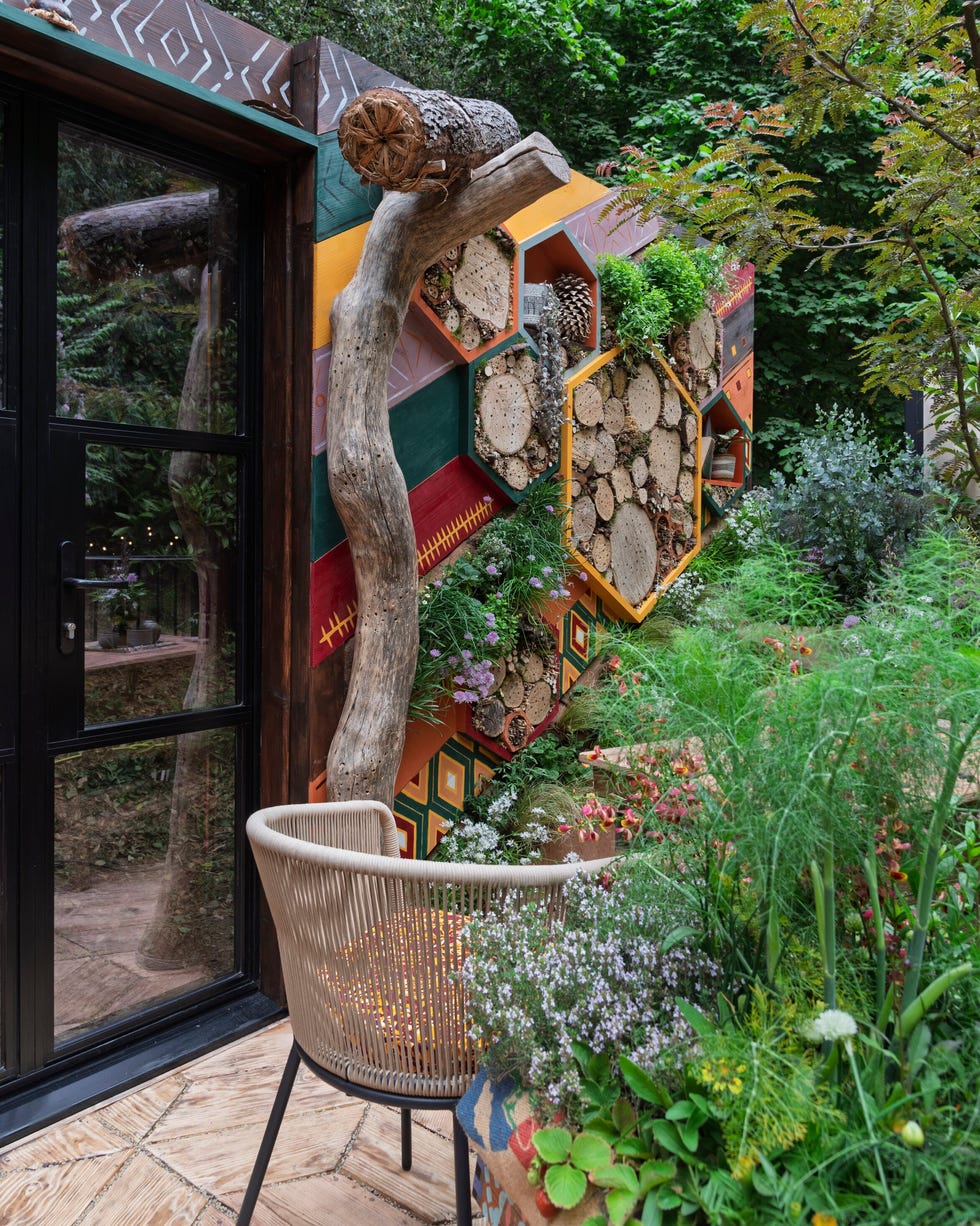
The Making Life Better With Bees container garden at RHS Chelsea 2025
‘Today, garden design starts with establishing boundaries – fencing that’s preferably not penetrable by animals or wild plants,’ says horticulturalist Frantisek Zika, who co-heads the sustainable design, maintenance and landscaping service, Humble-Bee Gardeners. With his partner, Jenny Rafferty, he has created and exhibited medal-winning show gardens at RHS Malvern and Chelsea, demonstrating how domestic plots can exist in harmony with the wider ecosystem, like their Making Life Better with Bees container garden.
‘I think we must allow modern designs to merge with nature, helping the garden integrate with other land parcels visually, rather than keeping them separate,’ he says. ‘The boundary is very odd because it applies to humans, but nature does not have boundaries.’
To help you create a garden that works in tandem with its natural surroundings, we asked horticultural experts and designers to share their ideas. Here’s how to cultivate a wildlife-friendly garden in your own space – however big or small.
1. Imitate the plants found in the surrounding countryside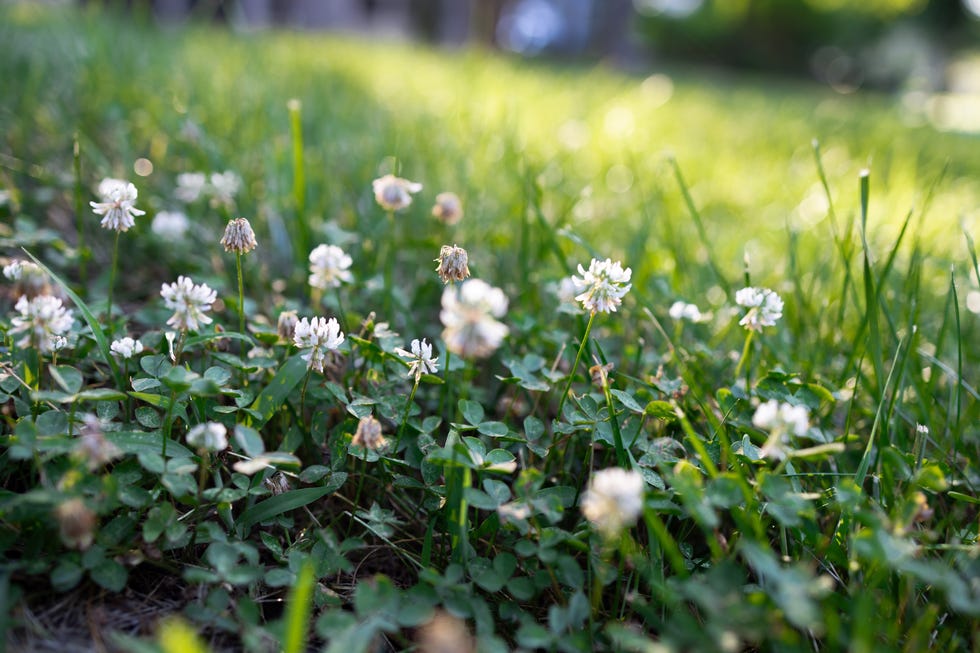
Catherine McQueen//Getty Images
You don’t need encyclopedic plant knowledge to garden for wildlife. Start by observing what grows locally. ‘The best approach is to look around and imitate the types of plants found in the surrounding countryside. This will help bring the garden to life,’ says Frantisek.
What grows naturally depends heavily on your region. If identification proves tricky, opt for reliable nectar-rich favourites like lavender, sage, clover, borage and linden trees, alongside herbs like thyme or oregano. For birds, plant berry-bearing shrubs, including blackthorn, firethorn and rowan.
2. Consider how animals behave and adjust your space accordingly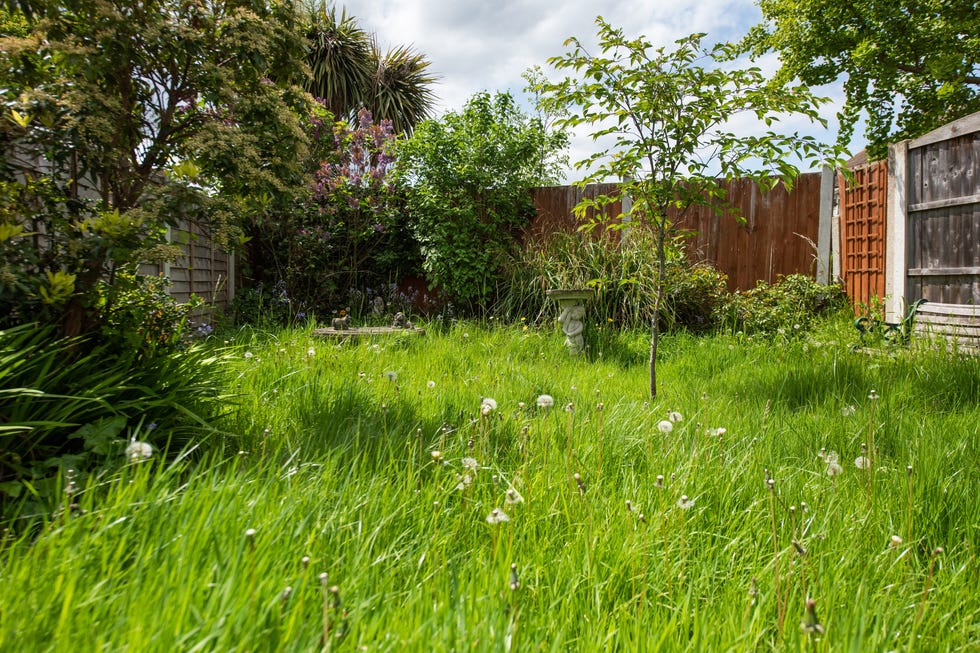
John keeble//Getty Images
Building a garden for wildlife requires an understanding of how animals live and move. ‘I often sit and watch how insects and wildlife operate around the countryside: where they rest, where they live, what they eat, what their predators are and how and where they hide,’ says Frantisek.
Immaculate lawns and expertly clipped hedges offer little refuge. Instead, introduce dense shrubs, allow patches of grass and wildflowers to grow long, and stack logs or branches to create shelter for birds, bees and butterflies.
3. Add a water feature 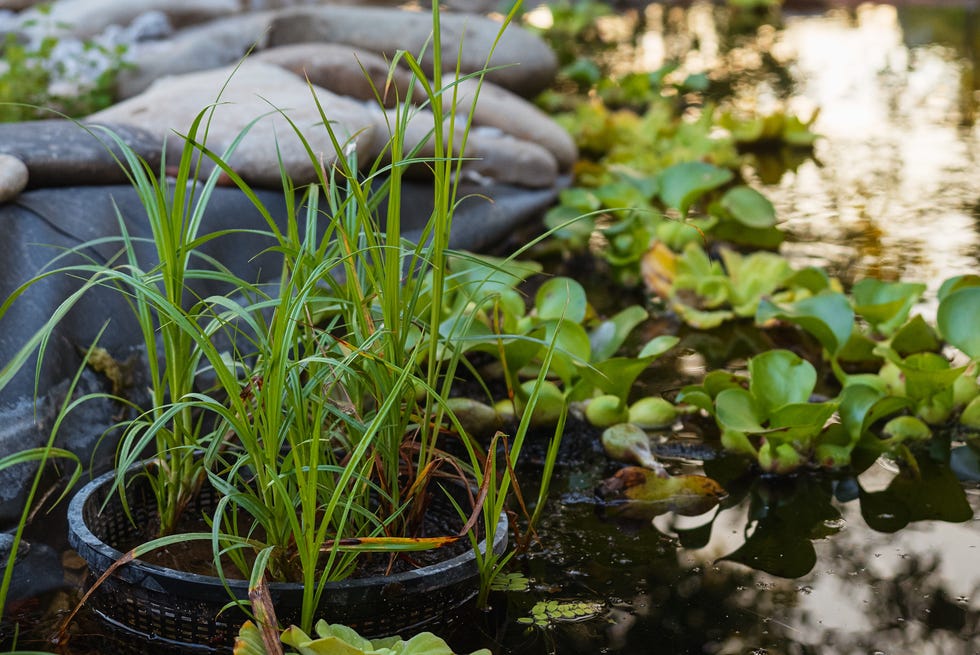
Aleksa Torri//Getty Images
Next to shelter and food, water is essential – particularly when it’s warm. ‘Providing water doesn’t have to be complicated,’ says Dr Emily Attlee, conservation scientist and co-founder of the original seed ball company, Seedball.
‘A shallow dish or saucer placed among plants and topped up regularly can offer a much-needed drink.’ If you’re hoping to attract birds, add small stones or pebbles to create a safe landing point.
Want to go the extra mile? On Instagram, Martha Swales (@marfskitchengarden) shows how to build a small wildlife pond in her allotment using a deep container filled with sand, rocks and native British pond plants.
4. Ditch the chemicals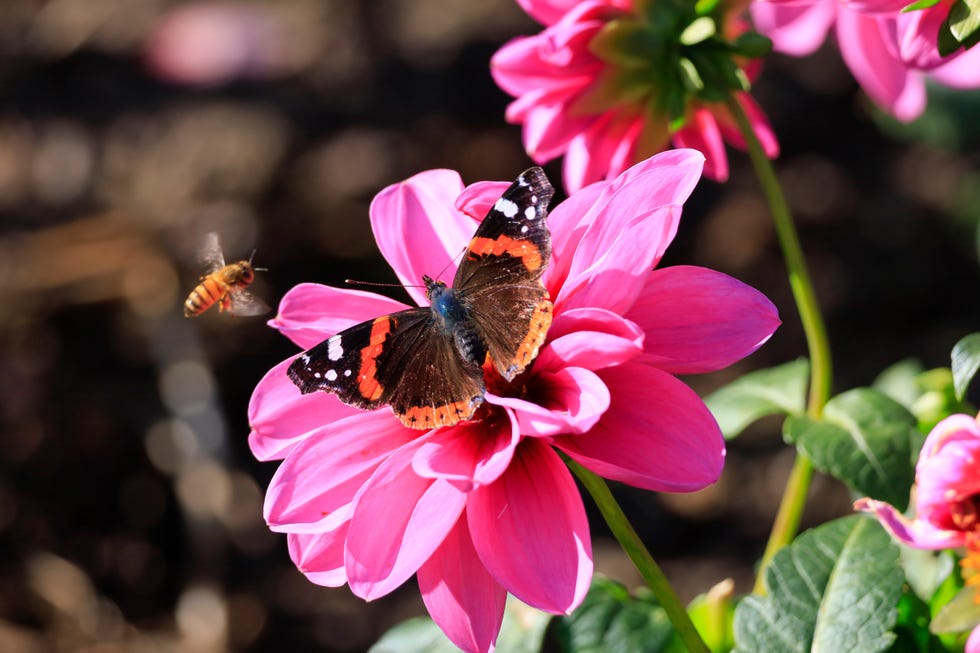
Westend61//Getty Images
If you want to attract and support wildlife, leaving pesticides and weedkillers in the past is non-negotiable. ‘These products don’t just target pests but can also harm beneficial insects and disrupt natural ecosystems,’ Emily explains.
‘Choosing a chemical-free gardening approach allows nature to find its own balance, with birds and insects helping to manage pests naturally. A few nibbled leaves or aphids are often a sign that your garden is supporting wildlife, rather than a problem to be solved.’
5. Reassess your garden’s layout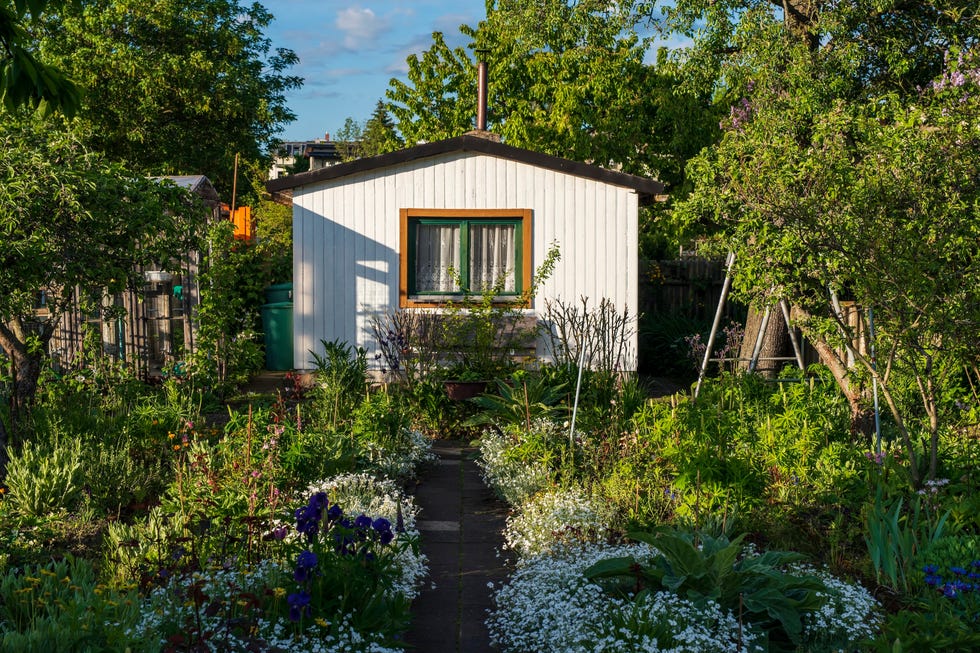
Oliver Helbig//Getty Images
If you want to live harmoniously alongside wild birds, insects and mammals, your garden layout should be designed with them in mind.
Frantisek explains that the area closer to the house can be more formal, reserved for humans. But the further away you move, the wilder your garden can become. ‘Create a transition between wild plants and ornamental plants until only wild plants, rotting wood and other elements remain,’ he says.
The challenge is letting go of the instinct to control every corner – a habit gardeners have carefully honed over centuries. But a garden that makes space for nature will feel infinitely richer for it.
Follow House Beautiful on Instagram, TikTok and Pinterest
The Garden Edit 2 Pack Striped Outdoor Seat Pads
 Marcy 2-Seater Sling Garden Sofa, GreigeCredit: John Lewis
 Natural Scalloped Rattan Outdoor Table LampCredit: Next
 Habitat 60 Lucinda Metal Nesting Garden Tables – Blue & Green
Now 30% Off
Credit: Habitat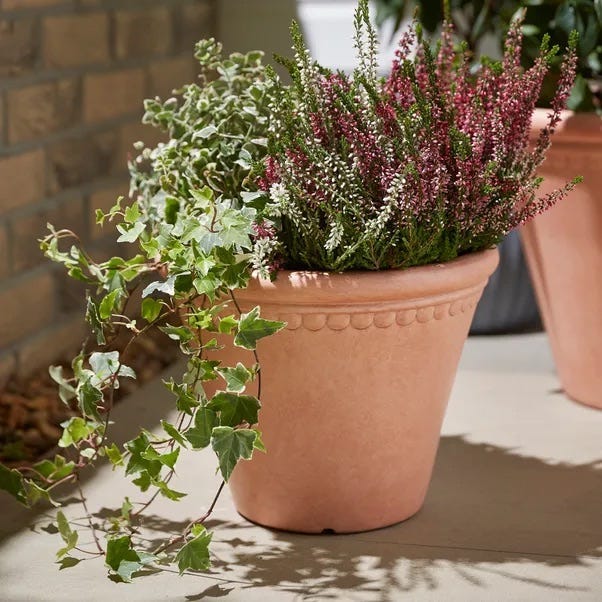 Scalloped Edge Smooth Fibre Clay Plant PotCredit: Dunelm
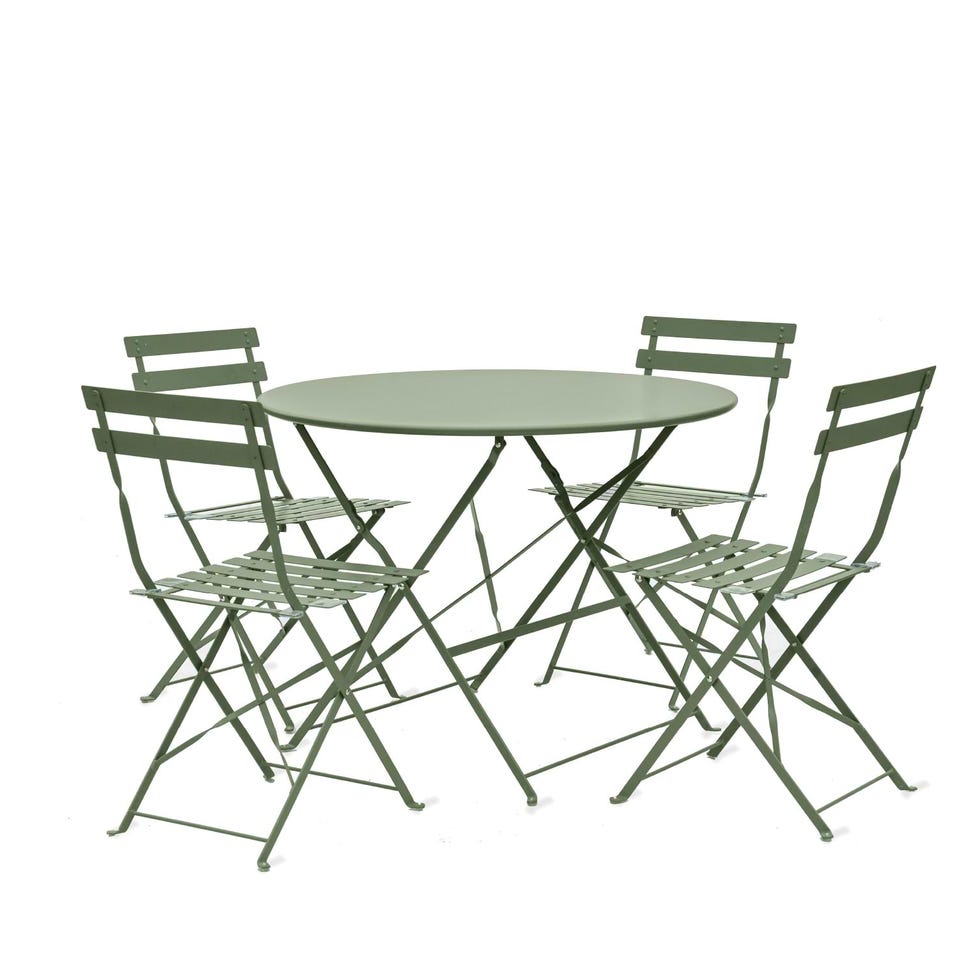 Garden Trading Rive Droite Bistro Set Large Thistle Green
Now 20% Off
Credit: Garden Trading
Comments are closed.