
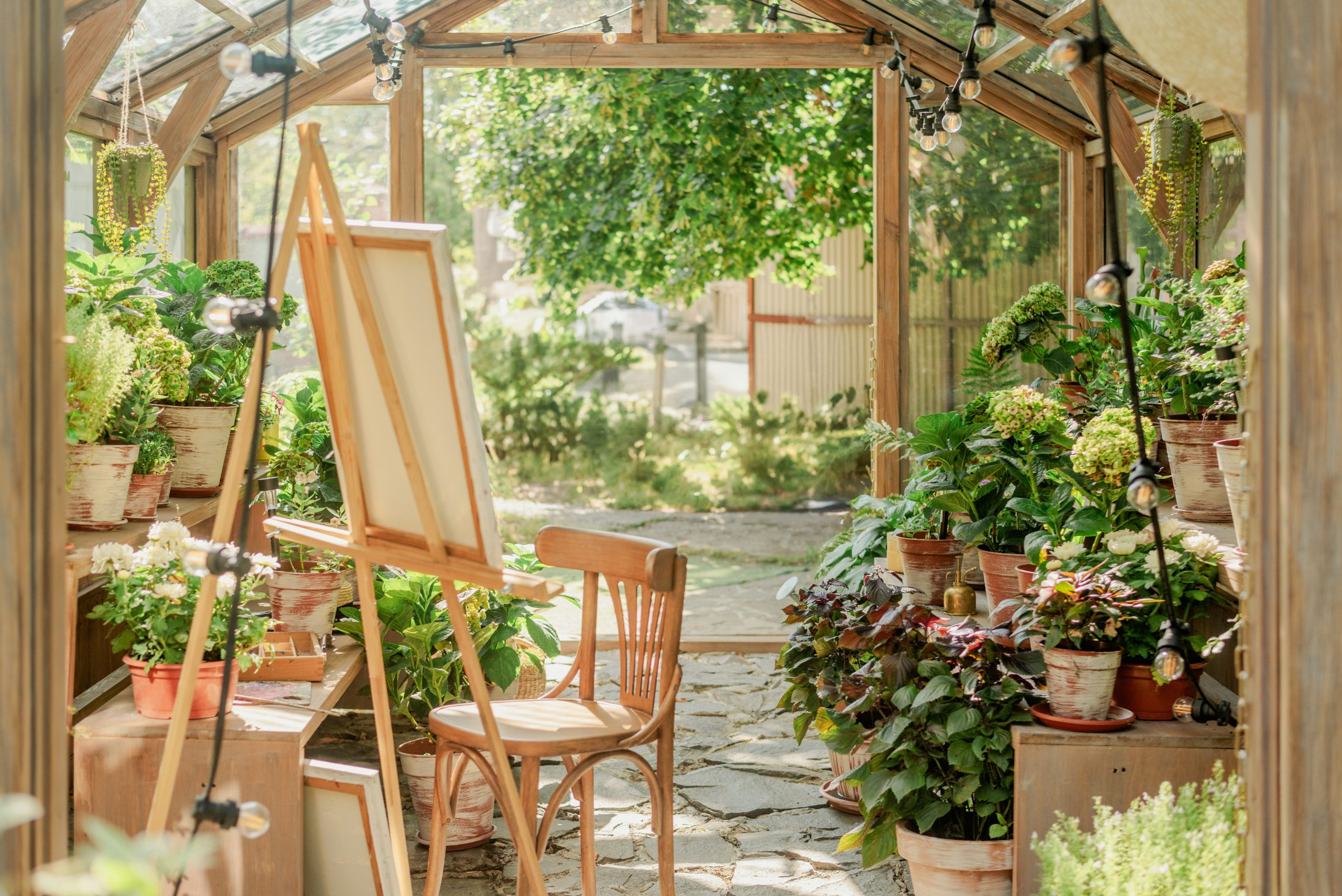
The modern garden room is no longer just a stylish outbuilding tucked behind the house. It’s becoming a fully connected, tech-enabled extension of the home designed for productivity, creativity, and digital living. As remote work, content creation, and online businesses continue to grow, homeowners are turning their backyards into intelligent workspaces that rival traditional offices.
At its core, a garden room offers separation without isolation. That physical distance from the main house creates focus. But what makes today’s versions truly powerful is technology integration. High-speed fiber connections, mesh Wi-Fi systems, and hardwired Ethernet ports ensure stable connectivity for video calls, streaming, and cloud-based work. For professionals who rely on seamless digital performance, a properly equipped garden room eliminates lag, dropouts, and distractions.
Lighting is another area where innovation shines. Smart LED systems allow users to adjust brightness and color temperature throughout the day, supporting both productivity and wellbeing. Cooler tones enhance focus during work hours, while warmer settings transform the space into a relaxing retreat in the evening. Automated blinds can respond to sunlight levels, preventing screen glare without sacrificing natural light.
Climate control has also evolved. Instead of basic portable heaters, many garden rooms now feature app-controlled HVAC systems. Smart thermostats learn usage patterns, optimize energy efficiency, and maintain consistent comfort year-round. Combined with proper insulation and double glazing, the result is a space that performs like a modern interior room not a seasonal shed.
Security and access control bring another layer of technological sophistication. Smart locks, motion sensors, and integrated camera systems allow homeowners to monitor the structure remotely. For entrepreneurs storing equipment or confidential documents, this added protection offers reassurance. Some even integrate their garden room into broader home automation systems, controlling lighting, temperature, and security through a single app.
Acoustics matter just as much as connectivity. With more people recording podcasts, hosting webinars, or attending daily video conferences, soundproofing has become a major design priority. Acoustic panels, insulated walls, and specialized glazing help reduce echo and block external noise. This creates a professional environment suitable for broadcasting-quality output without renting external studio space.
Energy efficiency is another compelling advantage. Solar panels can power lighting and devices, while battery storage systems manage usage during peak hours. Smart energy monitoring tools provide real-time data, helping homeowners track consumption and reduce waste. In a world increasingly conscious of sustainability, a tech-enabled garden room can align performance with environmental responsibility.
Of course, before installing servers, screens, and smart systems, there’s an important administrative consideration: planning permission. In many regions, garden rooms fall under permitted development rights, meaning formal planning permission may not be required. However, size, height, intended use, and proximity to boundaries can change that status. If the structure is large, positioned close to a neighboring property, or intended as a separate living accommodation, local authorities may require formal approval.
Properties in conservation areas or with listed status often face stricter regulations as well. Even when planning permission is not necessary, compliance with building regulations especially electrical standards is critical when installing advanced tech systems. Working with experienced designers who understand both digital infrastructure and local rules can prevent delays and costly revisions.
The financial argument is equally persuasive. Compared to relocating to a larger home or leasing commercial office space, a smart garden room is often more cost-effective. It increases usable square footage without major structural changes to the main property. For digital professionals, content creators, consultants, and online entrepreneurs, it functions as an investment in operational efficiency.
Beyond work, the versatility continues. The same high-speed connection and immersive audio setup used for meetings during the day can power gaming sessions, streaming marathons, or virtual fitness classes at night. Some homeowners even convert their garden rooms into VR spaces or smart entertainment hubs, fully integrated with surround sound and projection systems.
What makes the concept so compelling is adaptability. Technology evolves quickly, and modular construction allows upgrades without rebuilding from scratch. As connectivity improves and new smart devices emerge, the garden room can evolve alongside them.
Ultimately, a tech-focused garden room represents a shift in how people design their living environments. It blends architecture with infrastructure, aesthetics with automation. With careful planning, attention to planning permission requirements, and thoughtful integration of digital systems, it becomes far more than a backyard structure. It becomes a command center for modern life efficient, connected, and built for the way we work and live today.
Post from ENGR NEWS WIRE
Comments are closed.