
By Brian Minter
March is one of the most fickle months of the year.
“In like a lion, out like a lamb,” and the reverse, is a well-earned reputation for typical March weather.
It can cool down with frost and even snow and then Mother Nature will deceive us with a patch of warm sunny days, making it feel like spring has actually arrived, but don’t be fooled. Gardening wisdom and hard won experience tells us to be ready for anything.
Advertisements

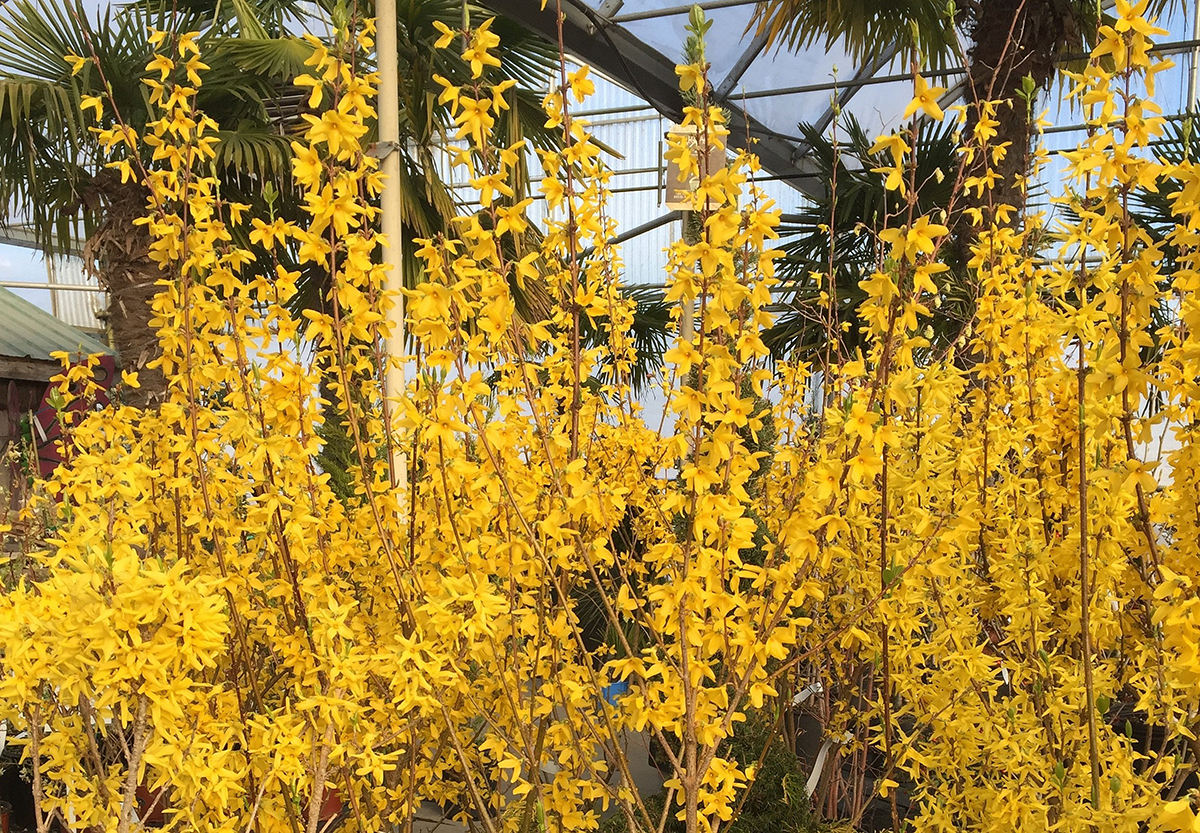
Two indications I always watch for are the yellow blooms of forsythia, and consistent daytime temperatures of 10C. Forsythia is Mother Nature’s starting gun, and the consistency of warmer days tells us it’s an ideal time to begin planting cool-hardy plants.
Wet, heavy soil is the enemy of friable soil, so before you plant anything, work in some fine fir or hemlock bark or sawdust to open up heavy clay soil. Once you’re happy with the texture of your garden beds, add good organic matter like Sea Soil to enrich the earth.
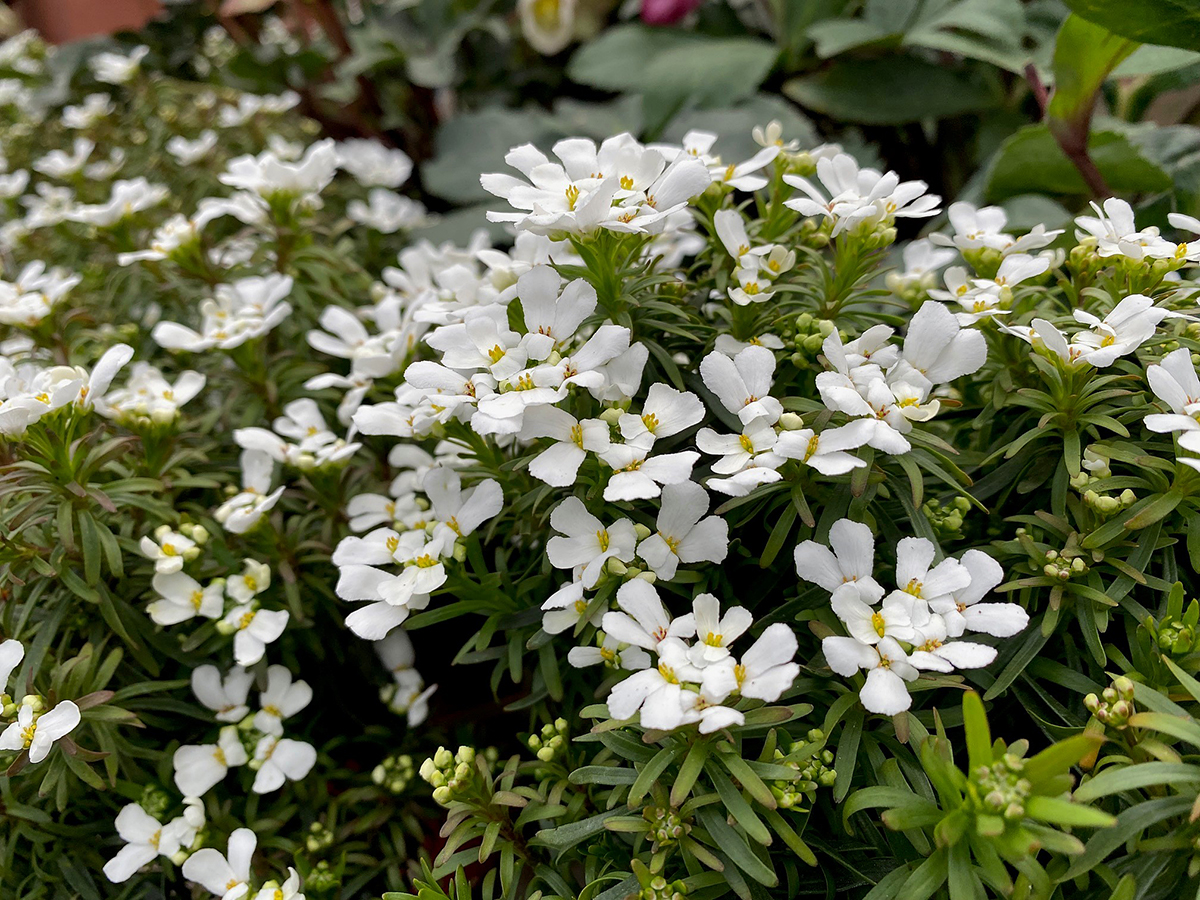
Most perennials can be planted now, especially those which are hardy to Zone 6. I like to add early colour such as white arabis and purple aubrietas to start. Winter flowering heather is blooming nicely now with a range of colours, and it not only adds a spark of life to the garden but also attracts pollinators.
Hellebores are also in full bloom right now and many new varieties are available. With some planning, you can extend their flowering times to cover a couple of months.
It seems like out of nowhere, Candytuft, or iberis sempervirens, has regained popularity as an accent for bulbs and early flowering shrubs.
Speaking of early flowering shrubs, now is a great time to plant them as well. I especially love the red flowering currant, ribes King Edward VII. Its red blossoms are the first significant hummingbird attractors.
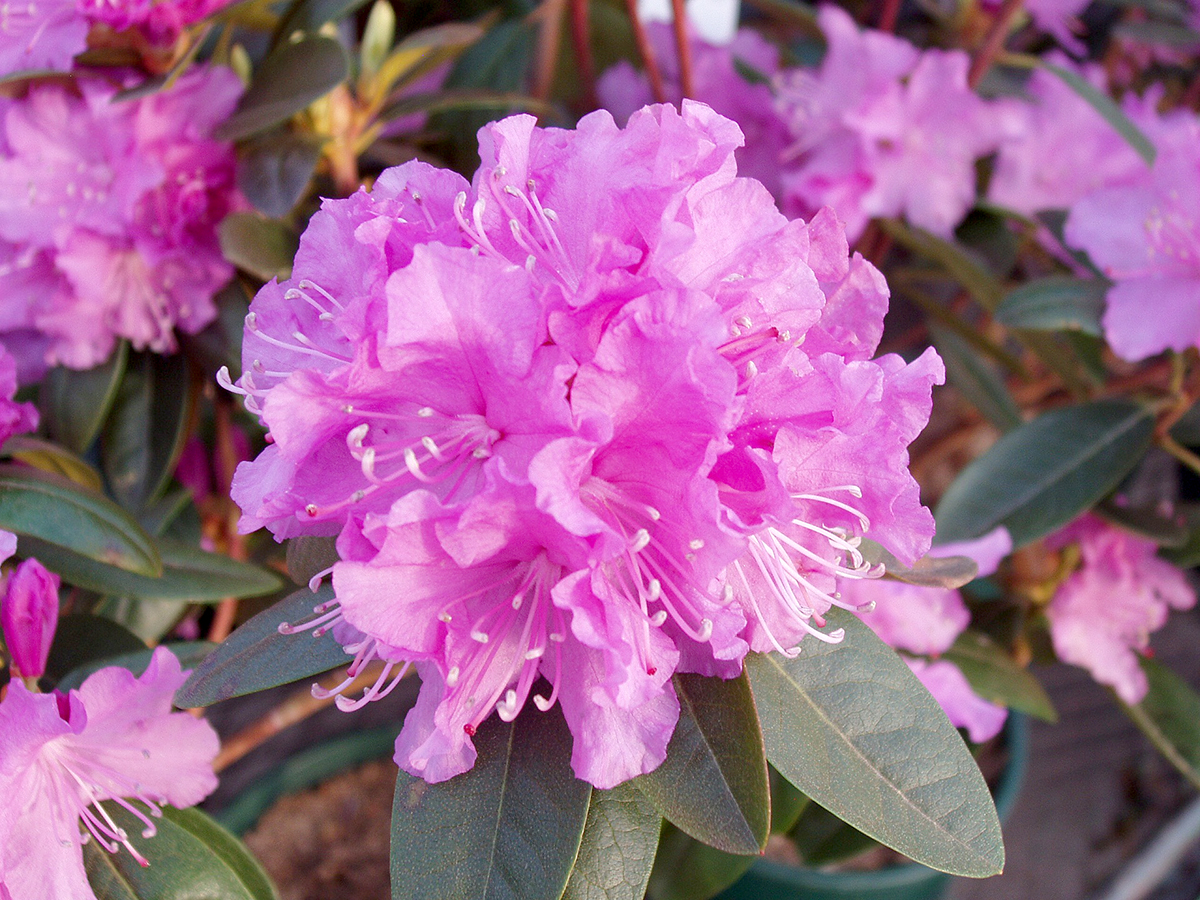
Early flowering rhododendrons, yellow kerria japonica, viburnums, flowering quince (chaenomeles) and forsythia are all budding up and ready to add yearly colour to your garden.
This is also time to be thinking about planting ornamental flowering and shade trees for greater garden beauty, privacy and summer cooling. Most garden stores have a nice selection coming in at this time of year. Look for more columnar varieties which fit nicely into smaller spaces, making them valuable when restrictions are placed on our gardening areas.
This is also an ideal time to plant small fruits, berries, fruit trees and perennial vegetables.
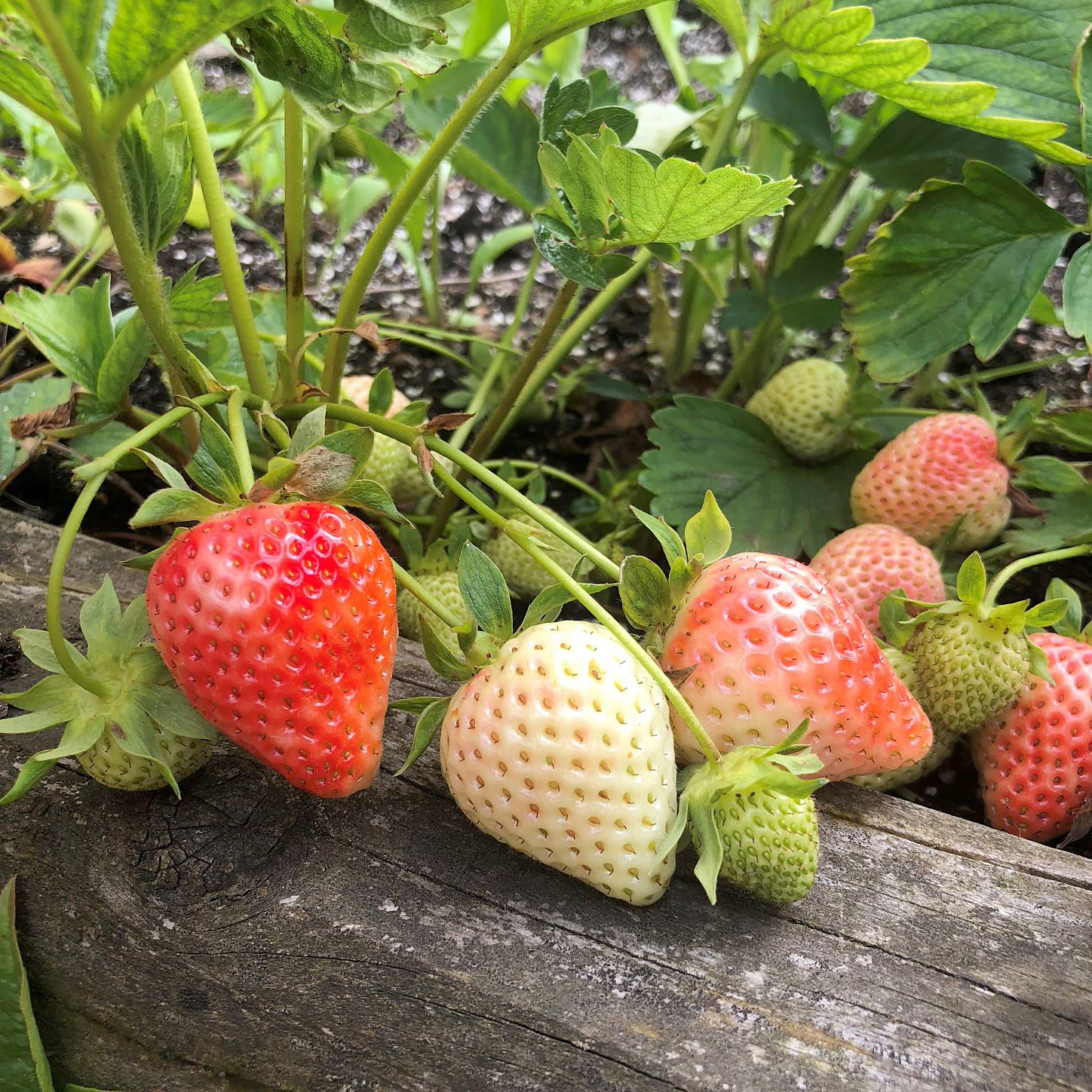
Strawberries can be set out now and, remember, it is only the ever-bearing varieties that will produce fruit this year.
Try Berries Hill Montana and Albion for some of the best results. Choose everbearing varieties of raspberries as well if you want to harvest this year. Autumn Bliss, Cascade Delight, and the yellow Fall Gold will not disappoint. If you want main season varieties Tulameen is one of the best and largest. Raspberries need well drained soil for optimum production. When planting, remember to cut the canes down to about 3–4 inches to allow the roots to develop more easily, and to push up new shoots for next year.
It’s a great time to plant fruit trees. For smaller space gardens, multi-grafted trees will provide an assortment of fruit from one tree and you won’t need two or more trees for pollination.
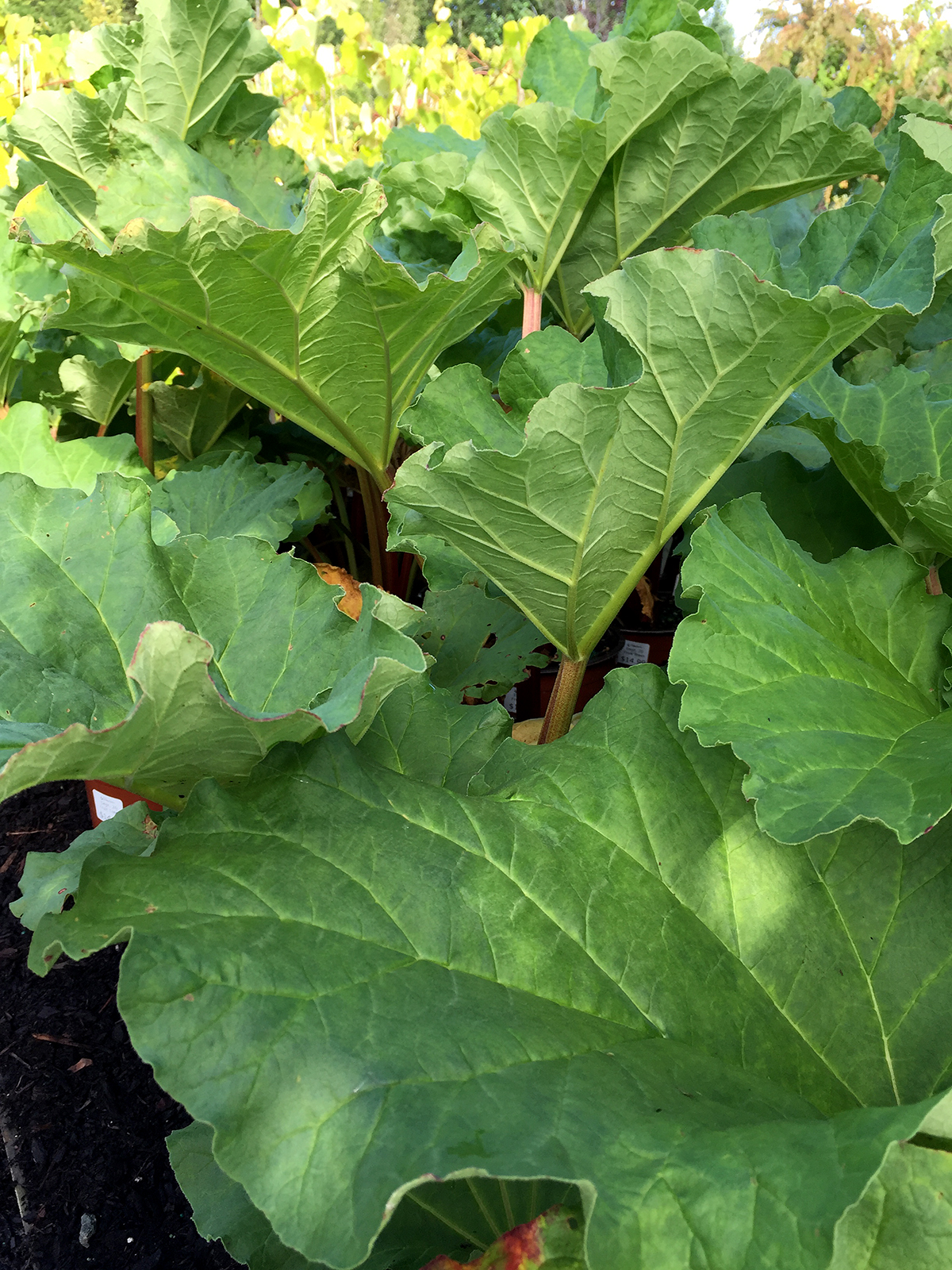
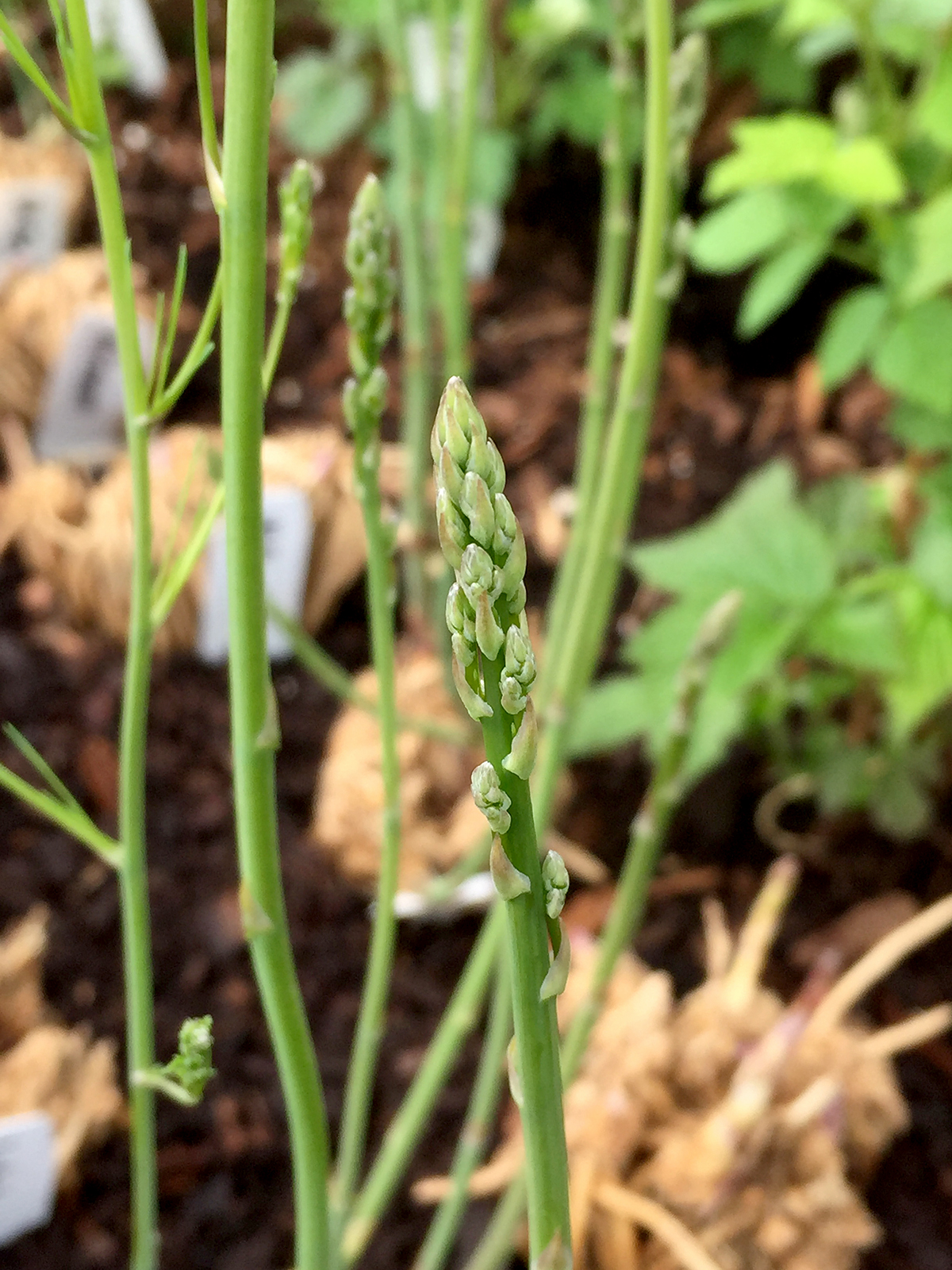
Rhubarb should go in now, as well as horseradish, asparagus and Jerusalem artichokes.
Spring is just a few weeks away. Make the most of it by adding to both your spring colour and edible garden selections now!
Brian Minter is an award-winning horticulturist, author and syndicated columnist from Chilliwack, B.C. He and his wife, Faye, founded Minter Gardens, a 32-acre mixed-style show garden.
 BRIAN MINTER PHOTO
Forsythia
 BRIAN MINTER PHOTO
Advertisements
Comments are closed.