
A friend who grows tomatoes on a large scale purchased some compost and, long story short, he grew tomatoes, but you could tell they were lacking something from the soil.
He decided to have the soil tested.
It was lacking in nitrogen, potassium, phosphorus and was heavily deficient in manganese.
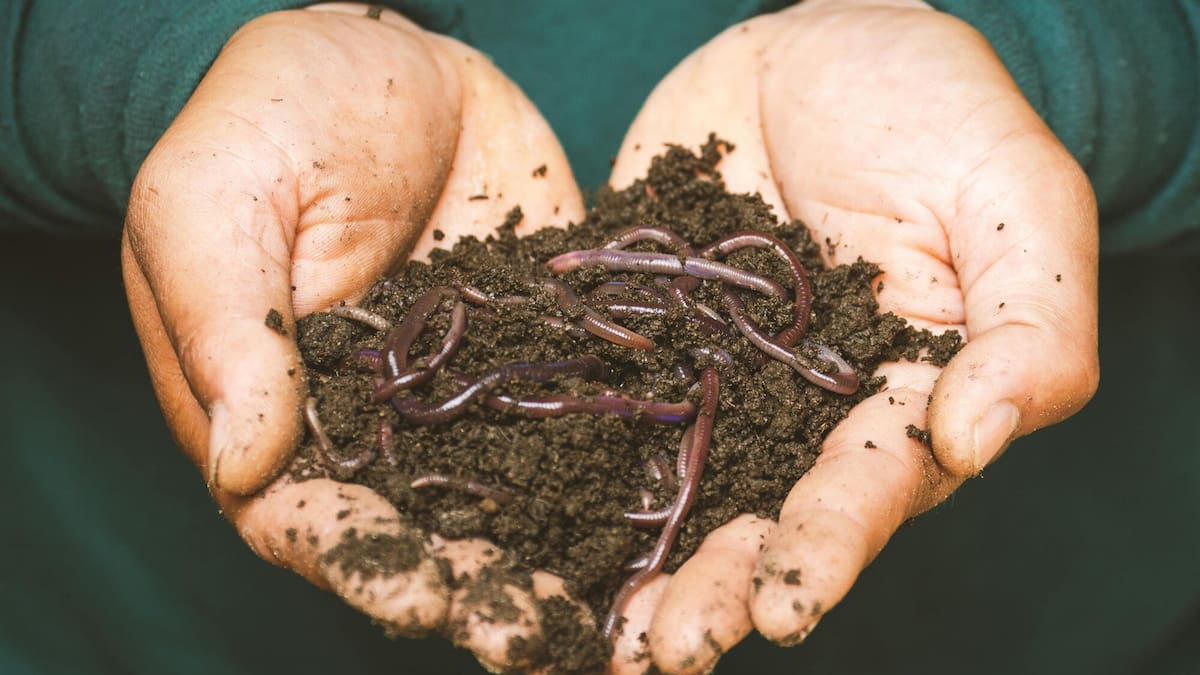
While some of us may have space for compost bins, others may have small pocket-sized sections and a worm farm is a great alternative method for getting rid of your food waste and putting something back into your soil at the same time.
If you are a keen DIYer, you could make your worm farm.
Some people use old baths but there are some exceptionally good ones on the market, of varying sizes, that you can purchase.
How to make a worm farm
What you will need
Worm farm, coir brick, some dolomite lime and some tiger worms.
Usually, the worms can be purchased at a garden centre, environmental centre or online.
Getting started
The top of your worm farm is where the worms will live and where you feed them.
The bottom part will contain your worm castings and the tap is to drain off your worm tea.
Soak your coir brick in 4 litres of water, it will triple in size.
Then spread this about 2cm thick in the top section of the worm farm.
Add your tiger worms and spread them out.
Put the lid on and let them settle for a few days before starting to feed them.
Note: Do not use compost or fertiliser to line the worm farm (they do not like it). Ensure you use the coir brick.
You will begin to feed your worms a cup of chopped up food and then gradually start feeding a little more when you notice they are motoring through the food.
It will take a couple of weeks before they are eating at full capacity, based on 500-2000 worms.
Food worms like: fruit, vegetables, coffee grounds, tea leaves, eggshells, paper products and even hair and dust from the vacuum cleaner.
Food worms don’t like: onions, tomatoes, citrus, greasy food, dairy products, bread, pasta, fish meat, garden waste and anything spicy.
General things you need to know
Worms like their damp conditions, so add a litre of water each week.
If you feel it is too damp, add some ripped-up newspaper to absorb the excess moisture.
A handful of lime should be added every couple of weeks to keep up the pH level.
If worms are white and not growing, the soil is too acidic.
The soil should smell earthy. If it’s smelly, do not feed the worms any more until it smells right.
They like constant temperatures, so in the winter, they would prefer to have their home moved into the garage.
In three to six months, the second level of your worm farm will have some castings to dig through your garden and you should also have some worm tea.
Dilute one part of tea into 10 parts of water and then use as preferred.
Garden update
Last weekend in the vegetable garden, I was very productive.
I picked some Monty’s Surprise apples and made the most delicious apple breakfast pastries.
I found the trick to these is to cut my pastry into squares before dipping one side into melted butter, then cinnamon and sugar.
Put a little honey on the non-butter/cinnamon side, add a couple of teaspoons of grated apple and a squeeze of lemon.
Dust over more cinnamon, then pull up the four corners and seal the sides, hot oven for half an hour or till golden… delish!
Kem Ormond adds a herb mixture to her tomatoes before dehydrating them. Photo / Phil Thomsen
I’ve dehydrated tomatoes, ready for winter, and I have also dehydrated pears, dipped in lemon juice, as these make a wonderful snack in the evenings.
I also strung up more onions and am starting to prepare beds for some winter planting of brassicas.
My sunflowers were badly battered by the storm a few weeks ago, but I managed one last bunch for the house and the rest I had to chop to mulch down over winter.
Comments are closed.