
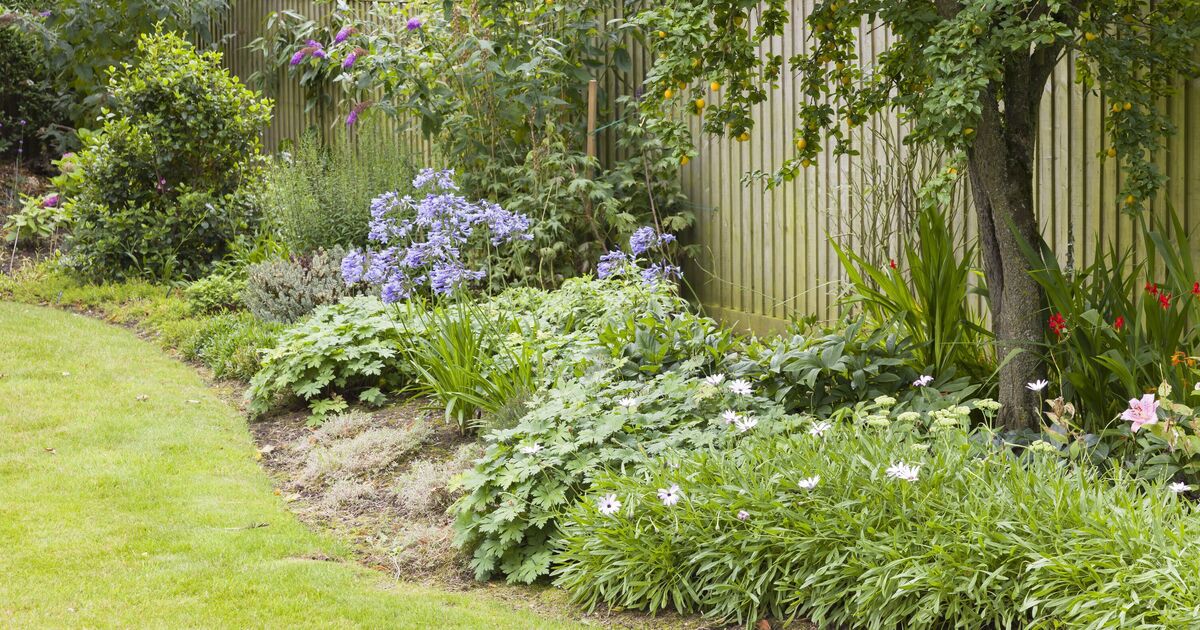

The common ingredient can be effective in protecting gardens (Image: Getty)
Gardeners are being urged to turn to an unlikely household staple to help protect their plants this season. Safe for plants, cayenne pepper can be sprinkled around your garden to effectively deter unwanted animals.
The fiery kitchen spice, more commonly associated with curries and marinades, is being recommended as a simple and affordable way to deter unwanted visitors from flower beds and vegetable patches. Gardening expert Martha Steward said on her website: “Sprinkling cayenne pepper near the base of plants can discourage some common garden pests that dislike the overwhelming pungency of this pantry staple.
READ MORE: Anyone feeding birds should add 3 simple plants to their garden before spring
READ MORE: 4 must-have flowers for ‘serious colour’ in your garden this spring

Cayenne pepper’s strong smell and taste can deter pests (Image: Getty)
“Like humans, some pests experience a strong, unpleasant, burning sensation when they come in contact with cayenne pepper, which may send them looking for another meal somewhere else—far away from your vulnerable garden plants.”
It is believed that a light sprinkling of cayenne pepper around vulnerable plants can help discourage cats, squirrels, rabbits and even deer from digging, nibbling or using freshly turned soil as a litter tray.
The strong smell and spicy taste are unpleasant to many animals, encouraging them to steer clear without causing lasting harm.
Unlike chemical repellents, cayenne pepper is non-toxic to plants and does not introduce synthetic substances into the soil. This makes it an appealing option for gardeners keen to avoid harsh products while still keeping their plots protected.
Experts advise scattering a thin layer around the base of plants, along garden borders or over areas of freshly sown seeds. However, because the powder can wash away in heavy rain or watering, it may need to be reapplied regularly to remain effective.
*** Ensure our latest lifestyle and travel headlines always appear at the top of your Google Search by making us a Preferred Source. Click here to activate or add us as Preferred Source in your Google search settings. ***
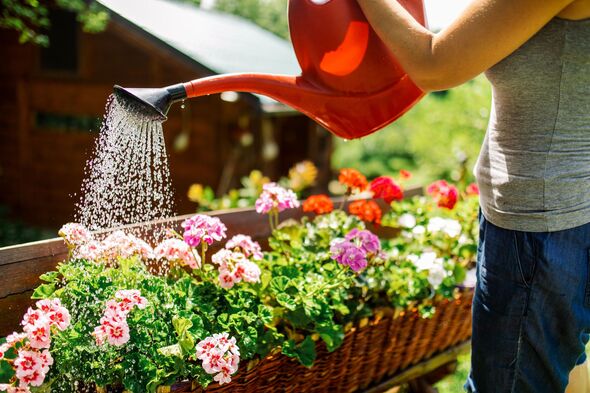
The hack can prevent flowers being chewed (Image: Getty)
For deterring chewing or gnawing on surfaces, a cayenne-based spray may be more effective. Always avoid applying it directly to your plants.
Though it won’t cause lasting harm, cayenne pepper can be uncomfortable for animals if inhaled or ingested, and may also irritate pets.
While it is not a guaranteed solution for every determined pest, cayenne pepper can form part of a broader defence strategy. Gardeners are encouraged to combine it with physical barriers such as netting or mesh where necessary.
The method is particularly popular with those looking for eco-friendly solutions that won’t harm wildlife. Rather than trapping or poisoning animals, the spice simply acts as a deterrent by making treated areas less appealing.
With many households already stocking cayenne pepper in their cupboards, it is also a budget-friendly alternative to expensive shop-bought repellents.
As spring approaches and more people begin sowing seeds and planting out young crops, this simple trick could offer an easy way to protect gardens — using nothing more than a sprinkle of spice.
Comments are closed.