
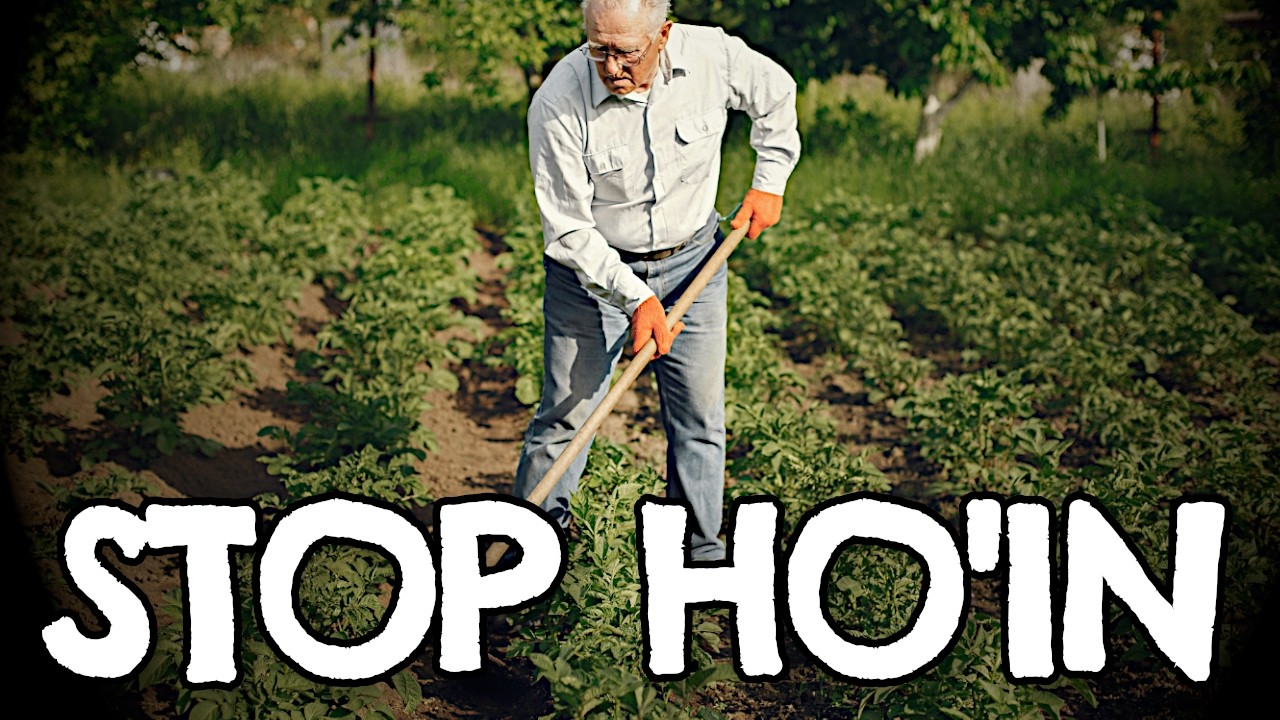
Stop fighting your backyard! In this video, we’re looking at 7 weeds that are good for your garden and your health. Most gardeners spend hours pulling weeds in a garden or clearing weeds in a flower bed, but what if the plants you’re throwing away are actually the most valuable tools you have?
Whether you see weeds coming through the mulch or popping up in your veggie rows, many of these are actually wild plants that are good for your health and wild plants that are good for the garden ecosystem. We’re moving beyond the “Search and Destroy” mindset to explore natural mulch and natural mulching materials that provide “Liquid Gold” for your soil.
In this video, we cover:
🌼 Dandelion root benefits and how it acts as a biological tiller for compacted soil.
🌱 The chickweed plant: How this “living parasol” works as a natural mulch to keep your soil cool.
🥗 Lambsquarters benefits: Why “Wild Spinach” is a mineral-mining powerhouse for your garden beds.
🌿 Comfrey fertilizer and using the comfrey plant for fertilizer through the “chop and drop” method.
☘️ White clover benefits: Turning your lawn into a nitrogen-fixing factory.
🌸 Mallow benefits: The “soil lubricant” that improves water retention and provides a wild, nutty snack.
🛡️ Yarrow benefits and why you should yarrow grow a garden to attract beneficial predatory insects.
If you’ve been searching for weeds that are edible or looking for weeds that are good for your health, this is the deep dive you need. Stop buying expensive inputs and start using the abundance already growing at your feet.
Chapters:
0:00 The War on Weeds
1:25 The Precision Aerator (Dandelion)
2:52 The Living Parasol (Chickweed)
4:20 The Mineral Pump (Lambsquarters)
5:40 The Biomass King (Comfrey)
6:56 The Nitrogen Factory (White Clover)
8:01 The Soil Lubricant (Mallow)
9:34 The Insectary Guardian (Yarrow)
10:47 Reclaiming Your Land
Join the movement at Edible America! Subscribe for more insights on how to work with nature, not against it.
Eat the Weeds.
#gardening #foraging #wildedibles
My Socials:
🌿 Substack: edibleamerica.substack.com
🌿 Ko-fi: ko-fi.com/edibleamerica
🌿 Bluesky: bsky.app/profile/edibleamerica.bsky.social
🌿 TikTok: tiktok.com/@edibleamerica
⚠️ Disclaimer: The content provided on Edible America is for informational and educational purposes only. Always positively identify any wild plant before consuming it, as some edible plants have toxic lookalikes. When in doubt, consult a local expert or reliable field guide.
The host(s) of this channel are not responsible for any adverse effects or consequences resulting from the use or misuse of the information presented. Foraging laws and regulations vary by location—please forage responsibly, ethically, and legally.
2 Comments
Thanks for sharing this helpful information!
Nice!!
The soil around my comfrey plants is now incredibly dark and rich – a vast improvement over the dry sandy poor soil I used to have. A word to the wise though .. let comfrey leaves wilt several days before using them as mulch. Comfrey has such a strong will to live it can (and will!) produce a new plant just from a leaf dropped on the soil. Been there, have the multiple accidental comfrey patches to prove it :-).