
February 27, 2026 | 6:00 AM
Asia Tabb

Asia Tabb is the Host and Producer for WITF’s The Spark.
She began her start in radio when she joined legendary radio/ host producer, Doc Christian. She worked closely with Doc for her role on “The Gospel Express, on WHOV 88.1 FM and was a host for “Unrestricted Praise” at Praise FM.
Previously she was an anchor in Shreveport, Louisiana at KTAL/KMSS. Asia also worked as a Multi-Media Journalist at WHP-TV here in Harrisburg, PA.
Asia got her break into news at KTVO in Ottumwa, Ia. While the 2020 caucuses were gearing up. Asia followed many candidates through their campaign trail from Senator Cory Booker, Congresswoman Tulsi Gabbard, and 46th President of the United States Joe Biden.
Asia was born and raised in Norfolk, Va. She graduated from Old Dominion University in 2018 with a major in Communications.
Asia is extremely friendly so don’t be afraid to say hi if you see her out and about.
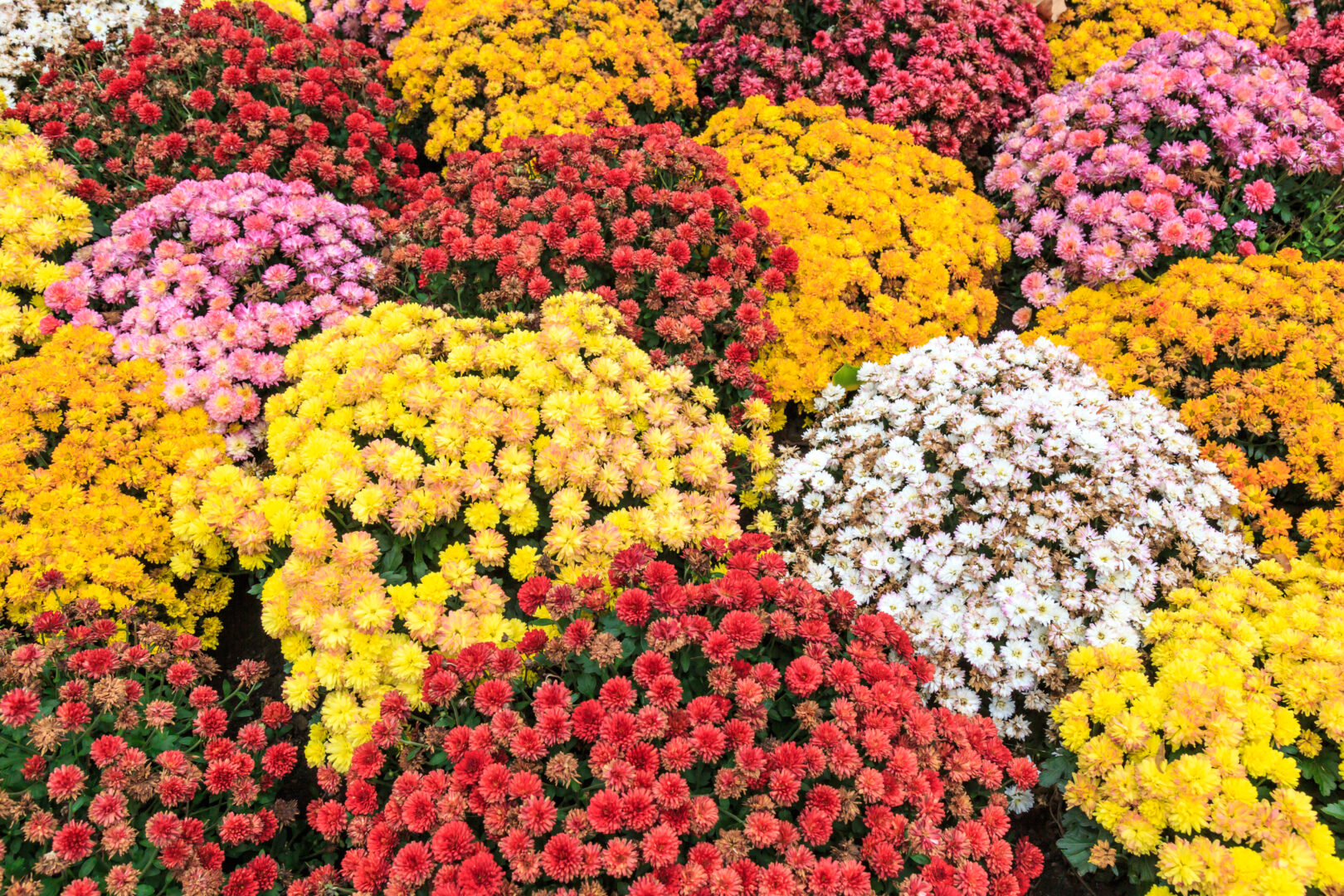
A full frame photograph of a variety of different colored chrysanthemum flowers.
AIRED; February 26, 2026
Listen to the podcast to hear the full conversation.
As early spring ephemerals begin popping up across Central Pennsylvania, many gardeners are eager to dig into the soil. But according to Penn State Extension Master Gardener Heather Freeland, patience is key.
“If you’re looking outside right now, the chances are you’re starting to see some of our very early spring ephemerals, which usually gets people excited to get into the garden,” Freeland said. “It’s just a little too cold and a little too wet in central Pennsylvania to start working in the garden now, but you can plan your garden.”
Late winter, she said, is the perfect time for preparation. Gardeners can begin sowing seeds indoors and mapping out what they want to grow once warmer weather arrives. “This is an excellent time for planning and thinking about your spring maintenance,” Freeland explained. “You can sow seeds indoors that you want to start planting outside.”
By March, homeowners should begin thinking about soil testing, which Freeland said is one of the most important steps in creating a successful garden. Working in soil that is too wet can cause compaction and long-term damage. “You don’t want to get in and start working in your soil when it is too moist because then you compact it and you can turn it into a hard mess where the soil isn’t going to be aerated,” she said.
Healthy soil, Freeland emphasized, depends on what you plan to grow. “Healthy soil is going to support the plants that you want to put into it,” she said. “You really need to know what plants that you have that you want to put in and seed. Their requirements are.” Vegetables, for example, require different nutrients than ornamental shrubs or acid-loving plants like azaleas.
For most homeowners, Freeland recommends testing soil every couple of years, unless there are problems or major changes underway. New construction properties, where topsoil has often been stripped away, may require more frequent testing to rebuild nutrients. “If you are trying to correct a problem or to compensate or to add in something, you might want to have your soil tested more frequently,” she said.
Penn State Extension offers soil test kits through its offices and online. Gardeners collect samples and send them in for analysis. “They will then make suggestions of what you might want to add into that soil if you need to boost up your nitrogen, if you needed to add more organic materials,” Freeland said. The results provide customized recommendations based on whether you’re planting vegetables, ornamentals or other landscaping.
As for planting timelines, Freeland said most Central Pennsylvania gardeners won’t be working soil until April, when temperatures consistently rise above freezing and the threat of frost begins to pass. In the meantime, early bloomers like crocuses, snowdrops and pansies may already be appearing, often planted the previous fall.
For vegetables, cool season crops such as peas, onions, lettuce, spinach, kale and broccoli can be planted once frost danger has passed. Native and ornamental options include coneflowers, monarda — also known as bee balm — phlox and ornamental grasses. Lawn overseeding and adding native grasses like little bluestem can also begin in late spring.
Beginner gardeners don’t need large plots to get started. “Even if you’re a beginner gardener who has a patio or a place that you can put containers, you can also add a lot of these plants to containers as well,” Freeland said.
When asked for reliable, low-maintenance options, she recommended foam flowers for shaded spaces, woodland or garden phlox, native columbine and irises. For vegetables, tomatoes, onions and spinach are dependable choices for first timers.
With thoughtful planning, careful soil preparation and attention to timing, Freeland said gardeners can set themselves up for a productive growing season. The key, she added, is building a strong foundation before planting — because in gardening, it truly is “all about the soil.”
Listen to The Spark on your favorite platform
Comments are closed.