
Sally Scalera
| For FLORIDA TODAY
March has arrived, and the cool temperatures might be over if the warmer weather is here to stay.
With spring just around the bend, here’s a handy list full of information on upcoming events and ideas for activities to do in your yard across Brevard,
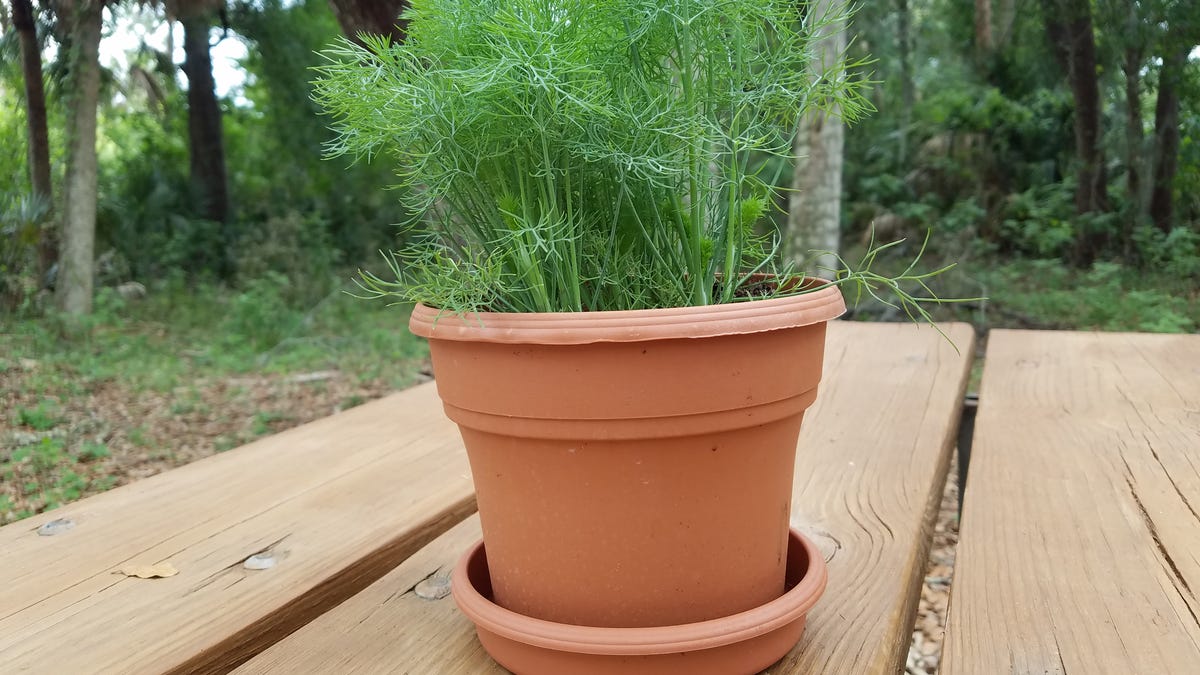
The Brevard Discovery Garden (BDG) will hold the fourth annual Spring Fling in partnership with the Brevard Backyard Beekeepers plant fundraiser on Saturday, April 25, from 9 a.m. to 3 p.m. We will have native and Florida-Friendly plants, Louisiana Irises and various vegetable and herb plants for your spring garden. More information will be coming in a future article, and you can check out our Facebook page at facebook.com/BrevardDiscoveryGarden.The annual Florida-Friendly Landscaping Seminar will be held at the Melbourne Auditorium on March 21 from 9 a.m. to 2 p.m. Vendors will sell native plants, gardening supplies, worm castings and more, along with educational booths and a rain barrel workshop. To learn about the four presentations and how to obtain a free ticket: https://www.eventbrite.com/e/1977311691497?aff=oddtdtcreator, though registration is not mandatory.Are you new to the area, or are you having some issues in your landscape? Come discover how to grow plants in our sandy soils and receive the answers to all your landscaping/gardening questions in the eight-week Florida-Friendly Landscaping™ Class Series. The classes will be held on Tuesdays beginning on the first Tuesday of April, from 9 a.m. to noon, resuming on April 21and running through June 2. For more information, check out this link: https://FFL8weekseries2026.eventbrite.com.There are a lot of brown plants throughout the county after the freezes we experienced at the beginning of February, but don’t rush to cut everything down! It may take time to determine if the plants are still alive. Just last week, I noticed that sea grape plants were beginning to shed their brown leaves. That is a great sign, as it indicates the plant is still alive. Wet or mushy tissue should be pruned off. You can cut off brown palm fronds if you just can’t handle the sight, but it will take more time to see if the palm’s bud is still alive. I am optimistic that all the freezing temperatures are done for this winter, so if you lose tropical plants to the freeze, choose new plants that are hardy in zone 9b. Tropical plants can be planted under trees, on the south side of the building, or can be protected (if they aren’t tall-growing trees) if a freeze is in the forecast.Don’t be in a hurry to fertilize your lawn because the grass (that most likely got hit in the freeze) should be actively growing before you fertilize, so wait until late March! Flowers that can be planted this month include gaillardia*, coreopsis*, tropical sage* (Salvia coccinea), ageratum, Amaranthus, blue salvia, celosia, coleus, cosmos, Dahlberg daisy, gazania, gomphrena, Lisianthus, marigolds, Melampodium, Portulaca, red salvia, Rudbeckia, sunflower, vinca, wax begonia, and zinnia. (*Florida natives)Bulbs and rhizomes to plant in shady areas include the caladiums and walking iris. For moist areas, plant canna, Louisiana iris, blue flag iris, and walking iris. In sunny areas, plant amaryllis (be sure to plant the bulbs high so the top half of the bulb is above the soil line, or they won’t flower), blackberry lily, crinum lily, daylily, rain lilyl and society garlic.Some herbs that can be planted now include basil, chives, dill, garlic chives, fennel, lemon balm, marjoram, mint, oregano, parsley, rosemary, sage, and thyme.Continue (or begin) spraying the foliage of fruit trees and vegetable plants with liquid seaweed (i.e., Maxicrop soluble powder, liquid kelp, etc.) weekly. For extra protection, follow the research done at the University of Rhode Island and add some dissolved aspirin to the solution. Dissolve three chewable aspirin in a cup of hot water, then add it to enough cold water to make one gallon. Salicylic acid is a plant hormone that is created by plants for protection against pests. Research conducted at the University of Rhode Island showed that spraying foliage with aspirin induced Systemic Acquired Resistance (SAR), which is comparable to our immune system. Add the liquid seaweed to the aspirin gallon and spray them together.Vegetables that can be planted in March include arugula, beans (bush, pole, and lima), cantaloupe, carrots, celery, Chinese cabbage, cucumber, kohlrabi, okra, bunching onions (green onions & shallots), peppers, radish, Seminole pumpkin, Southern peas, spinach, squash, sweet corn, sweet potato, Swiss chard, and watermelon. Inoculate the beans and peas with nitrogen-fixing bacteria labeled for peas and beans and inoculate all the vegetables with free-living nitrogen-fixing bacteria (e.g., Azospirillum). Vegetable plants can also be inoculated with mycorrhizae.Vegetable seeds that can be started now for planting in April include beans (bush, pole, and lima), Chinese cabbage, okra, Seminole pumpkin, Southern peas, squash, sweet corn, and Swiss chard.The Brevard County Farmers Market is held at the Wickham Park Pavilion on Thursday afternoons from 3-6 p.j. Vendors will have everything from fresh herbs and microgreens to fresh vegetables such as tomatoes, peppers, and much more. On the second Thursday of every month, Deep Roots Meat comes with their Florida-grown, grass-fed Angus beef, pork, turkey, chicken, and more straight from their farm! To find out all the latest information on what vendors will be on hand, check out the Facebook page at facebook.com/brevardcountyfarmersmarket/.
Sally Scalera is an urban horticulture agent and master gardener coordinator for the University of Florida’s Institute of Food and Agriculture Science.
Comments are closed.