
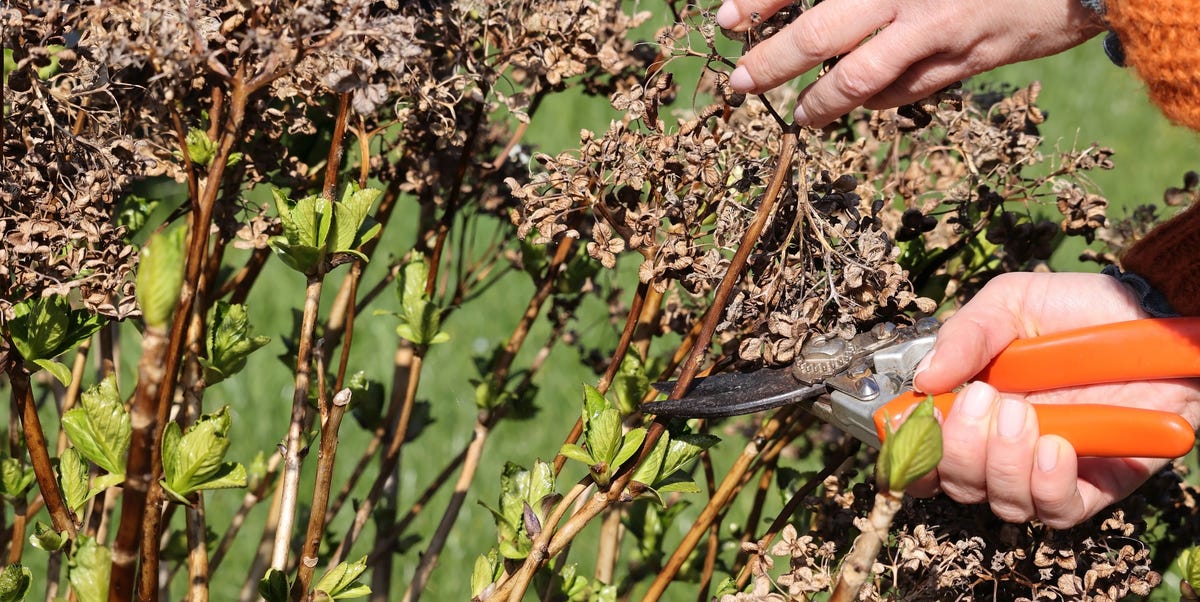
March is one of the most important months in the garden, as winter fades and the first signs of spring appear. With many plants waking from dormancy, now is the perfect time to prune — encouraging stronger growth, healthier stems and better shape before the season really gets going.
By March, the worst of the frosts are typically behind us — although the occasional late cold snap can still catch gardeners out — so it’s a safer time to prune than deep winter when fresh cuts leave your plants susceptible to damage.
With longer, brighter days on the horizon, we asked Julian Palphramand, head of plants at British Garden Centres, to share his expert guidance on nine popular plants that will benefit from a timely trim this month.
1. Roses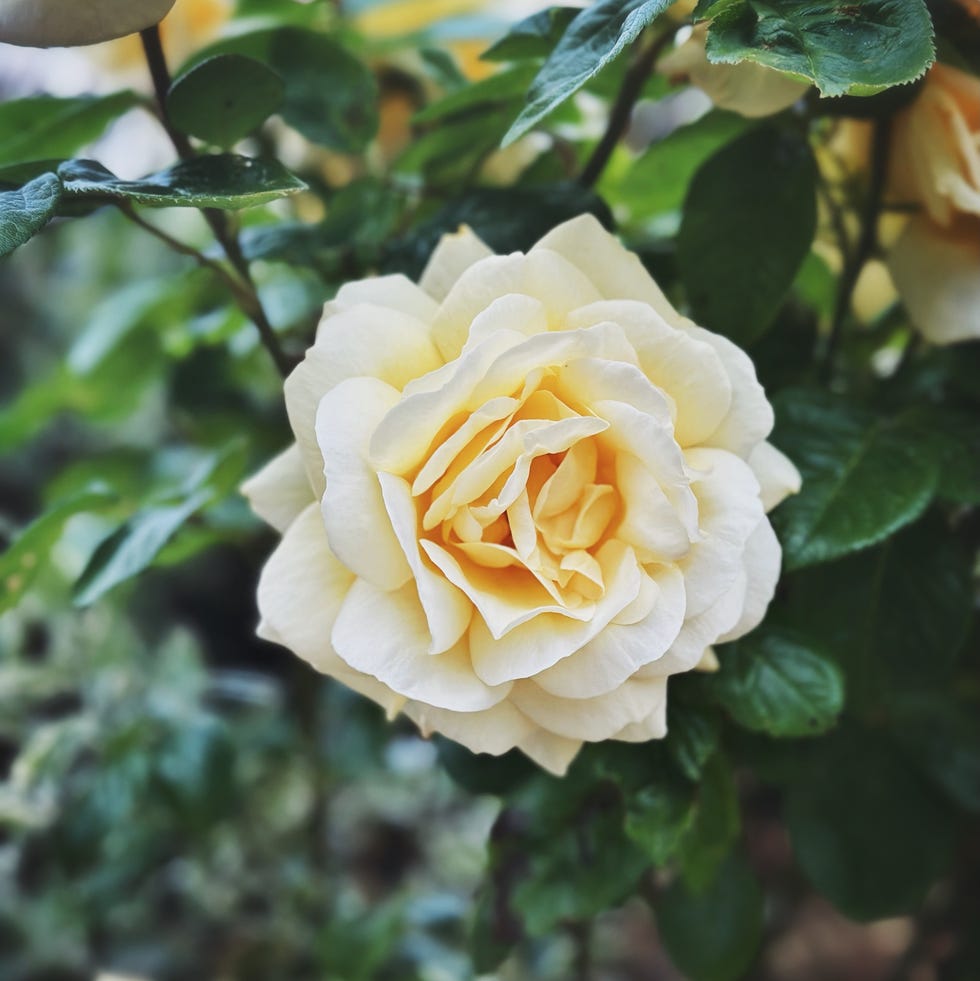

Li Kim Goh//Getty Images
Most hybrid tea, floribunda and repeat-flowering shrub and climbing roses can be pruned now to encourage vigorous growth and abundant flowers. ‘March is the moment to give roses a good tidy, just as they wake up for spring,’ says Julian. ‘Cut back to an outward-facing bud, remove any dead or crossing stems, and on climbers, shorten the side shoots to a few buds to keep the shape neat.’
Read more: Prune your roses now for bigger summer blooms – just avoid this common mistake
2. Lavatera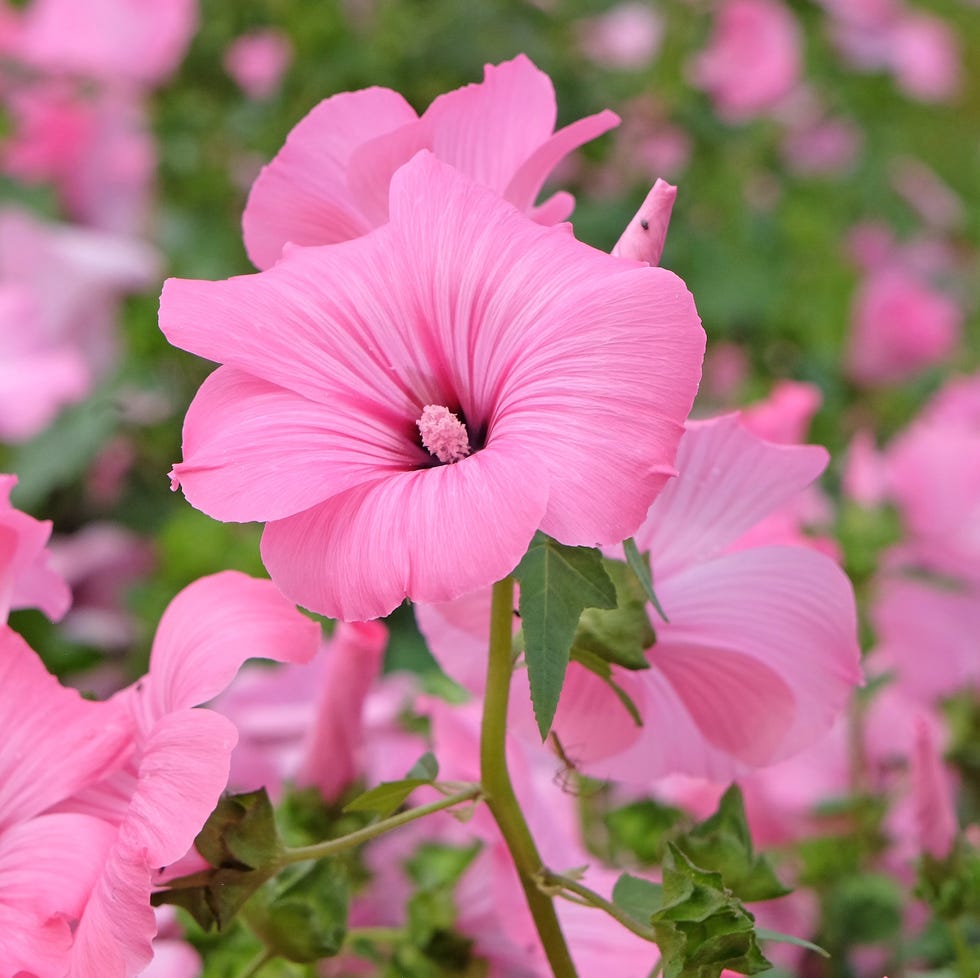
Alex Manders//Getty Images
Also known as tree mallow, lavatera is a fast-growing, low-maintenance shrub with large showy flowers ideal for quickly filling gaps in borders and adding height. A good prune now will help keep it under control. ‘Lavatera gets tall and woody if it’s not kept in check,’ advises Julian. ‘In March, cut plants back hard to a low, sturdy stem above new buds to keep them compact and covered in flowers.’
3. Fuchsia (hardy)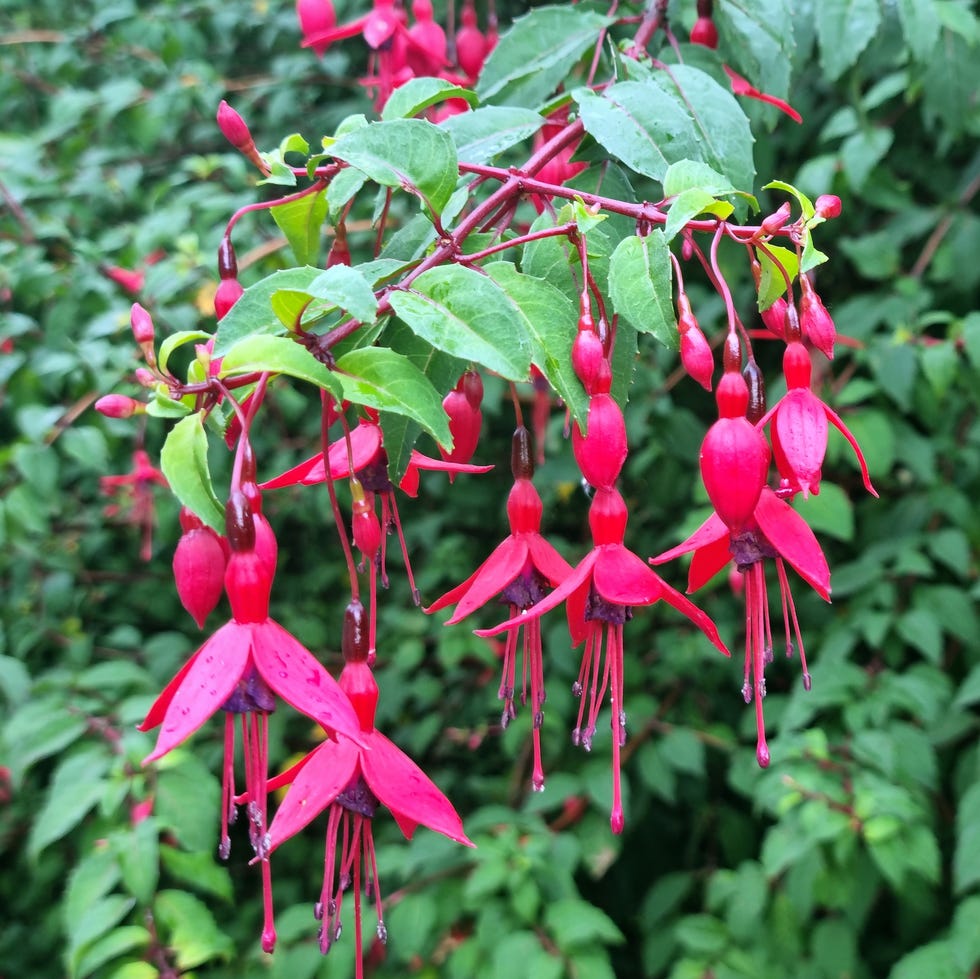
Federica Grassi//Getty Images
Unlike bedding fuchsias, hardy fuchsias can tolerate low winter temperatures. They flower on new season’s growth so in spring you can cut them back to healthy buds near the base, even if the top growth has died. ‘Wait until you see new growth starting, then remove the old, dead looking stems down to strong looking buds,’ says Julian. ‘This encourages a fresh flush of shoots and a better display of flowers later in summer.’
4. Hydrangea paniculata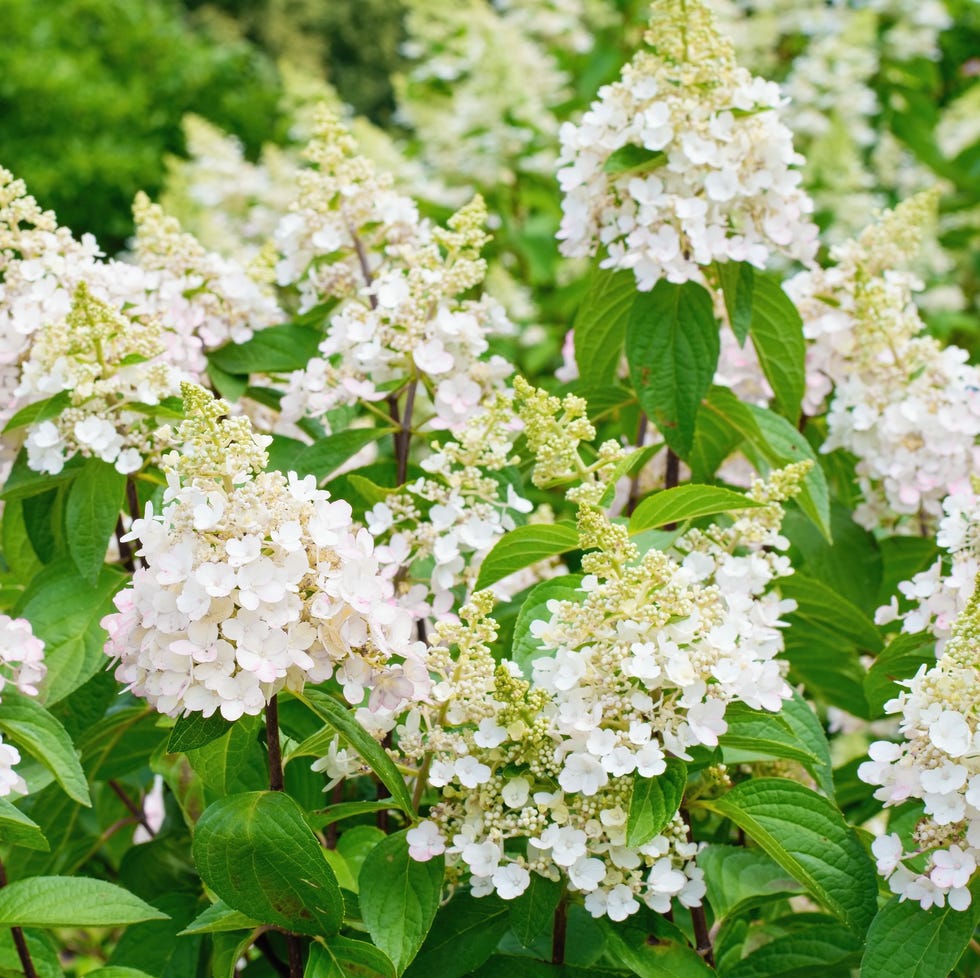
Tunatura//Getty Images
These hydrangeas are hardy, tough and resilient and produce beautiful, large cone-shaped flowers, known as panicles. They flower on current growth so you can cut them back in early spring without losing this year’s blooms. ‘By March, you can remove the old flower heads and cut each stem back to a pair of new buds,’ advises Julian. ‘This keeps the plant in shape and helps produce larger, showy panicles later in the year.’
Read more: How to change the colour of your hydrangeas
5. Hydrangea arborescens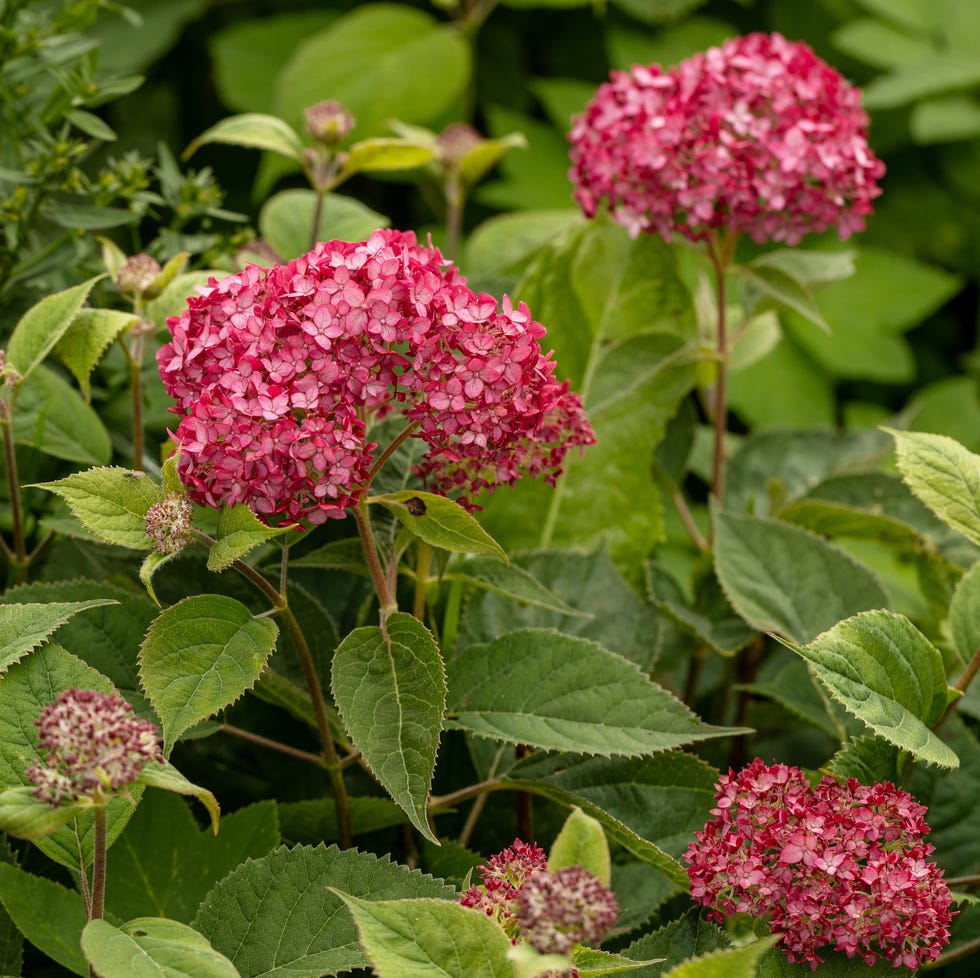
Olga Seyfutdinova//Getty Images
Hydrangea arborescens produces large rounded ‘snowball’ flowers – one of the most famous varieties being ‘Annabelle’, loved for its massive creamy white blooms. It copes well with cold winters so even if the top growth is frost-damaged, it will reshoot from the base.
‘These hydrangeas flower on new wood, so they respond well to a hard prune,’ explains Julian. ‘Cut back low in early spring to encourage vigorous new stems and big mophead blooms.’
6. Miscanthus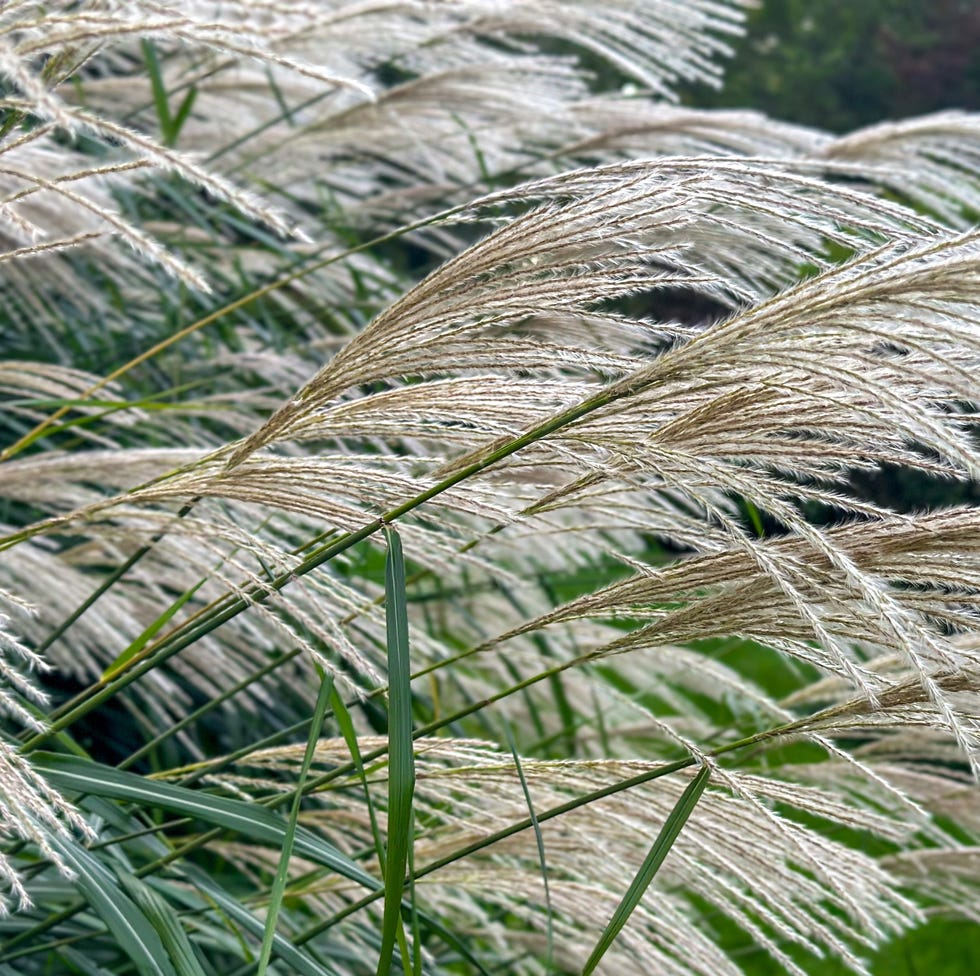
Catherine McQueen//Getty Images
This graceful, ornamental grass is loved for its multi-season appeal – showy plumes in summer, spectacular autumn colour and architectural interest and structure in winter. It also provides shelter for wildlife in winter. It grows from the base every year so March is a good time to cut it back and refresh the plant. ‘Before new shoots push through, cut all the old stems and foliage right down to just above ground level,’ says Julian. ‘Clearing away the tired growth lets the fresh leaves emerge cleanly and keeps clumps looking smart.’
7. Pennisetum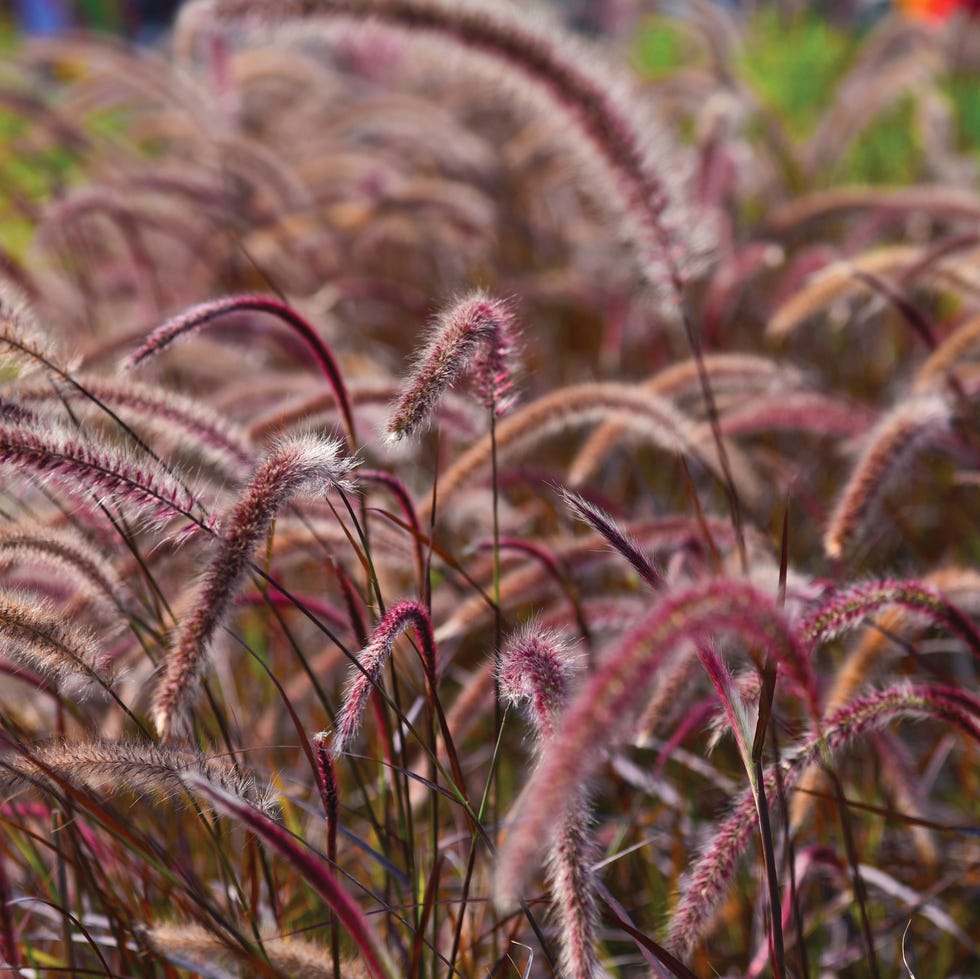
anand purohit//Getty Images
Pennisetum, also known as fountain grass, is loved for its soft, fluffy flower spikes that resemble a bottlebrush. It’s ideal for the front or middle of borders as it tends to be more compact than taller grasses such as miscanthus. It provides lovely autumn colour and offers winter shelter for wildlife. ‘Pennisetum can be left standing over winter, then cut back in early spring,’ Julian suggests. ‘Cut off the old, straw-coloured foliage to a few centimetres above the soil, taking care not to nick any new green shoots.’
8. Salvias (hardy)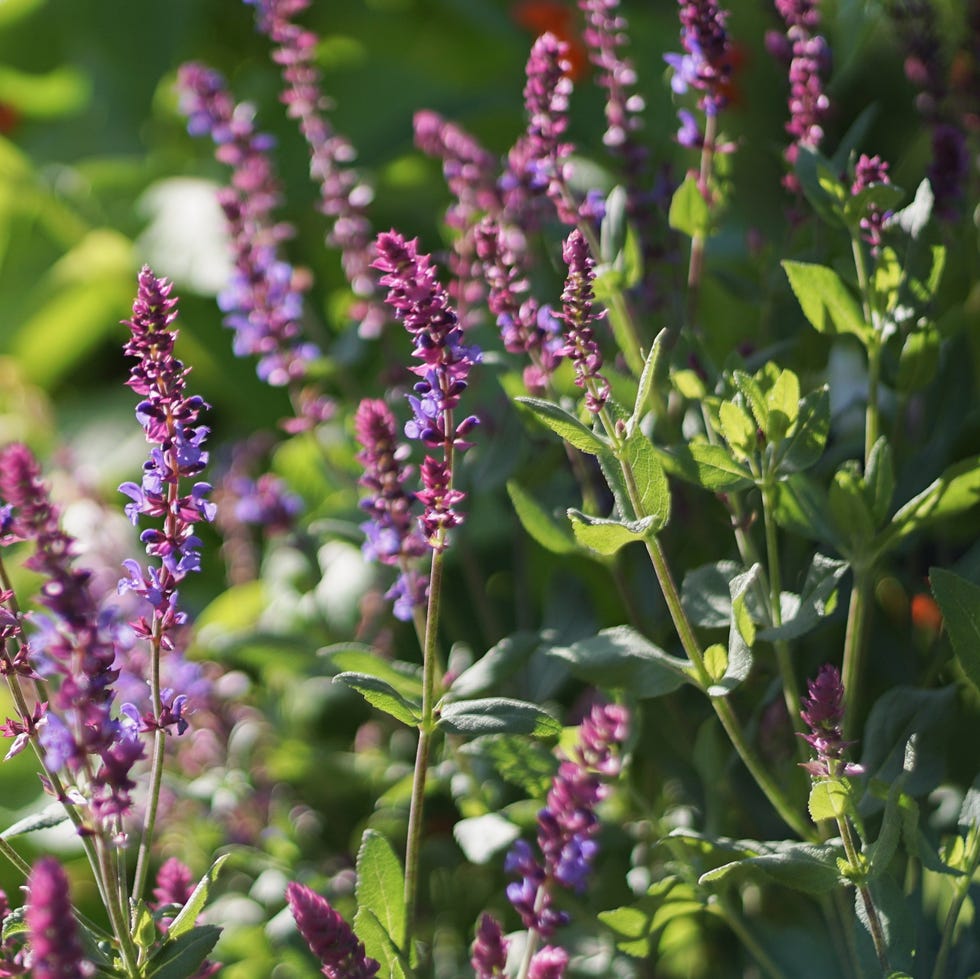
jtamm//Getty Images
Hardy salvias offer bold colour and a long-flowering season. Prune them now to encourage an abundant summer show that bees will love. If you deadhead or trim back after the first flush, you’ll often get a second show in late summer/early autumn. ‘Leave hardy salvias until you can clearly see new shoots at the base. Then trim back last year’s woody growth to just above that fresh growth so the plant can put its energy into strong, flowering stems,’ says Julian.
Read more: Plant these 6 perennials in March for stunning summer colour
9. Penstemons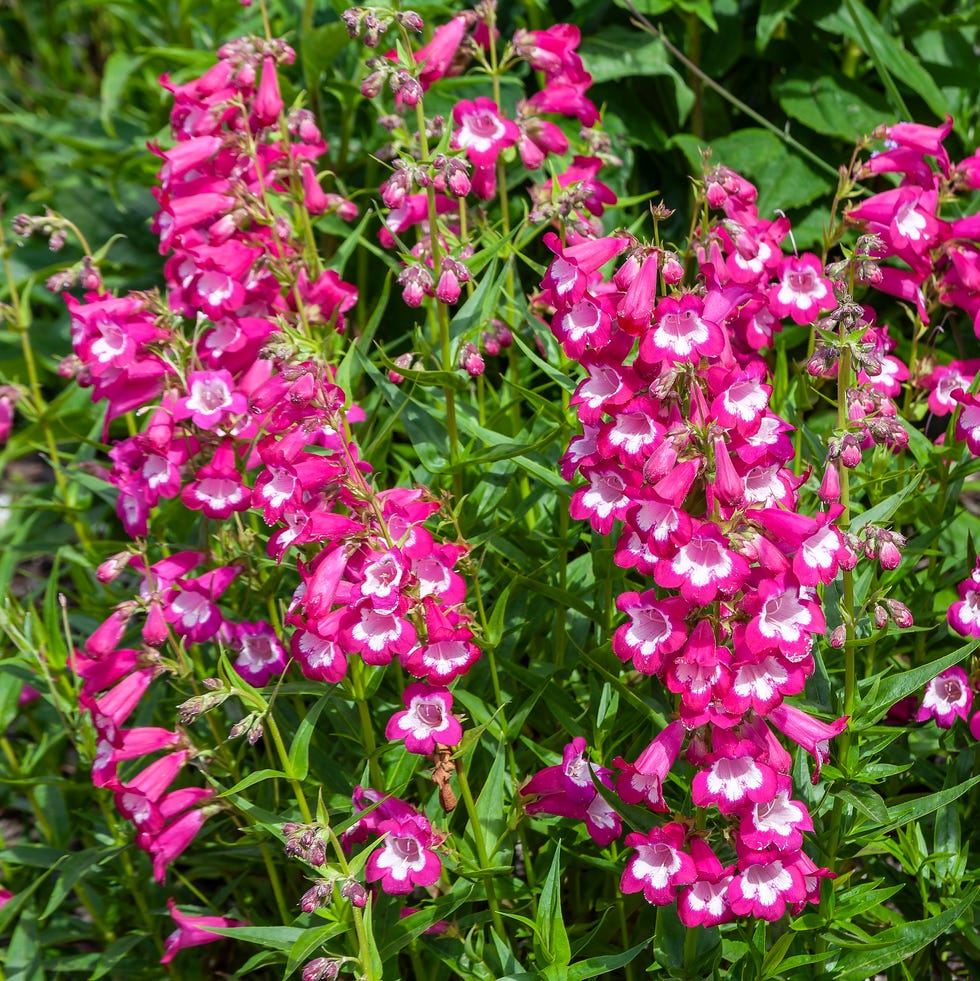
©Anthony Baggett//Getty Images
Penstemons are long-flowering plants, typically blooming from late spring or early summer right through to mid- or late summer. With regular deadheading, some varieties can continue producing flowers into autumn when many other plants are slowing down.
‘Penstemons are best left uncut through winter, then pruned once the worst frosts have passed,’ says Julian. ‘In spring, remove dead stems and cut back to healthy new growth so plants stay bushy and flower well into autumn.’
Follow House Beautiful on Instagram, TikTok and Pinterest
The Garden Edit 2 Pack Striped Outdoor Seat Pads
 Marcy 2-Seater Sling Garden Sofa, GreigeCredit: John Lewis
 Natural Scalloped Rattan Outdoor Table LampCredit: Next
 Habitat 60 Lucinda Metal Nesting Garden Tables – Blue & Green
Now 30% Off
Credit: Habitat Scalloped Edge Smooth Fibre Clay Plant PotCredit: Dunelm
 Garden Trading Rive Droite Bistro Set Large Thistle Green
Now 20% Off
Credit: Garden Trading
Comments are closed.