
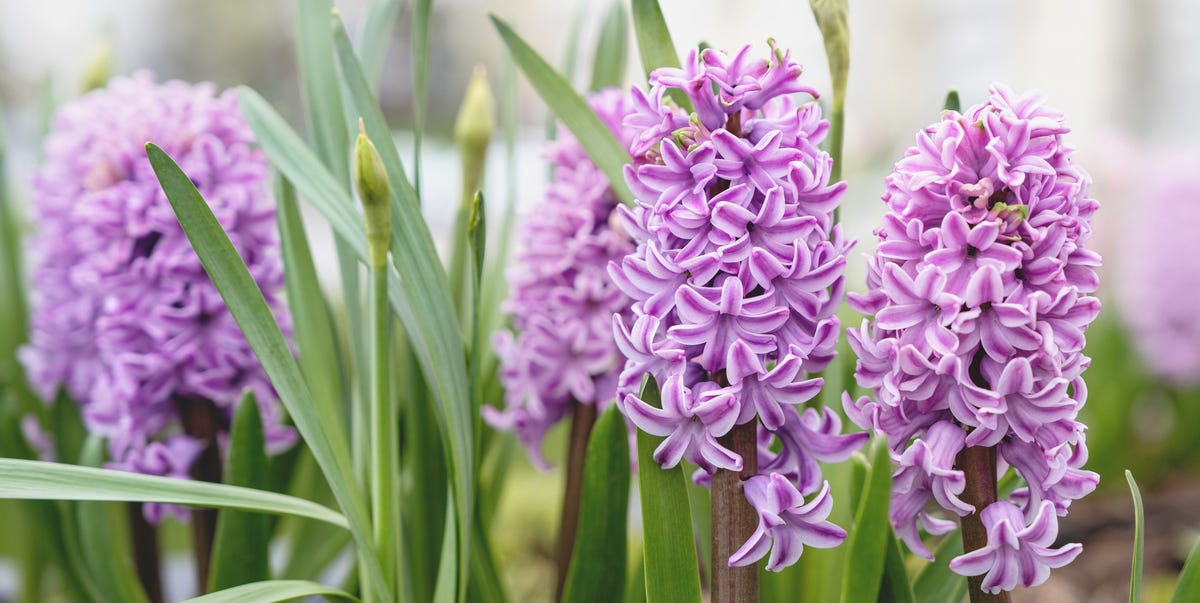
In March, the garden comes alive with blooms and blossom. There are spring bulbs bursting out of the soil you’d forgotten you planted, and flowering trees and shrubs covered with a froth of blossom that’s a magnet for pollinators on sunny days.
Oh, and the birds are singing too. It’s a glorious time of year to be outside and getting the garden in shape for summer.
Now is a key time both for sowing seeds and planting out. Plenty of flowers and vegetables can be started outdoors as the days get longer and warmer, especially once the risk of frost has passed.
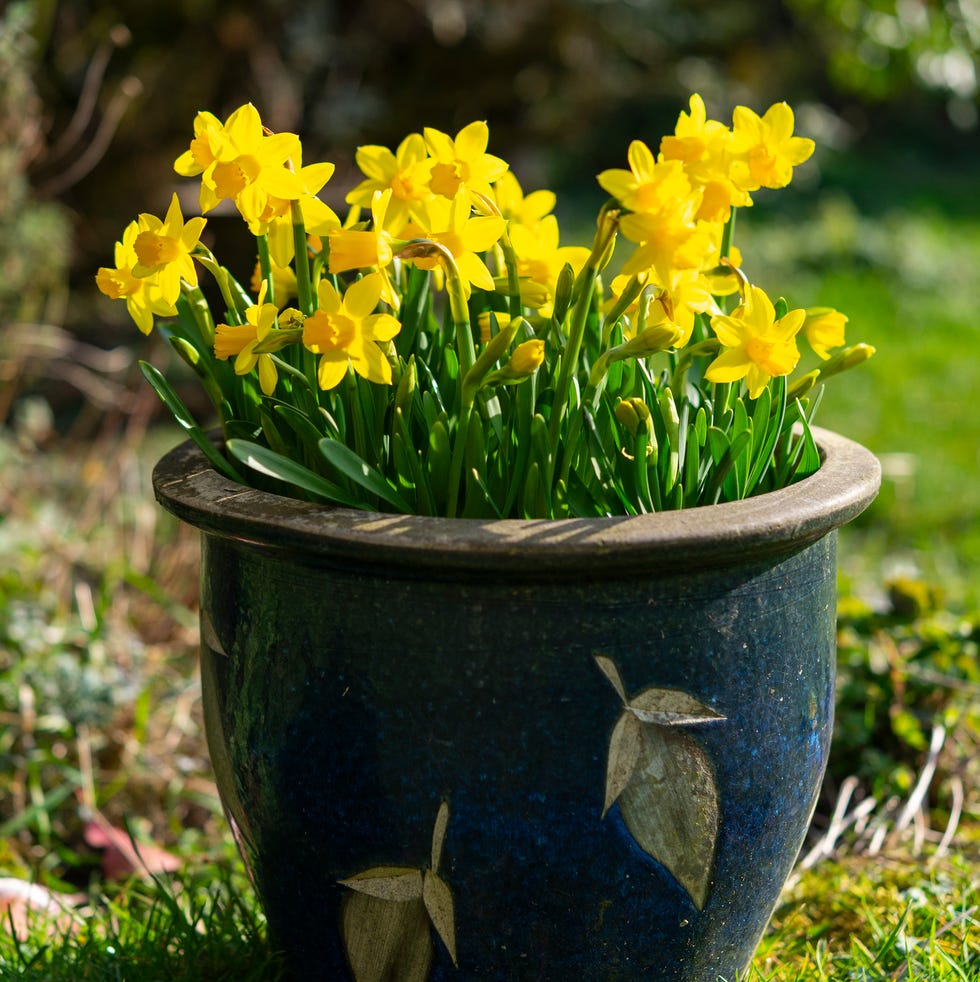

Photos by R A Kearton//Getty Images
Meanwhile you can step up seed propagation indoors too, especially of crops like chillies and tomatoes that benefit from a long growing season, as well as flower varieties that enjoy being cosseted inside for a while.
Take an overview of any gaps in the garden and fill them with new summer flowering shrubs, as it’s an ideal time to plant them. Choose a combination of long-flowering varieties like hydrangea, weigela and lilac to add colourful blooms that last from late spring into summer.
Another great way of filling gaps is to plant summer-flowering bulbs in borders too, such as ranunculus, anemones and lilies. These are especially lovely if you want to establish a thriving cutting garden too.
What to plant in March
In March, the garden really starts to wake up, which means perfect growing conditions to sow a wide range of annual and perennial flowers. “Indoors, you can start reliable favourites like cosmos, rudbeckia and snapdragons, giving them a gentle head start before planting out later in spring,” says Rob Smith, new product development manager at garden experts Thompson & Morgan. “Hardy annuals such as calendula and cornflowers can be sown directly outside as the soil begins to warm.”
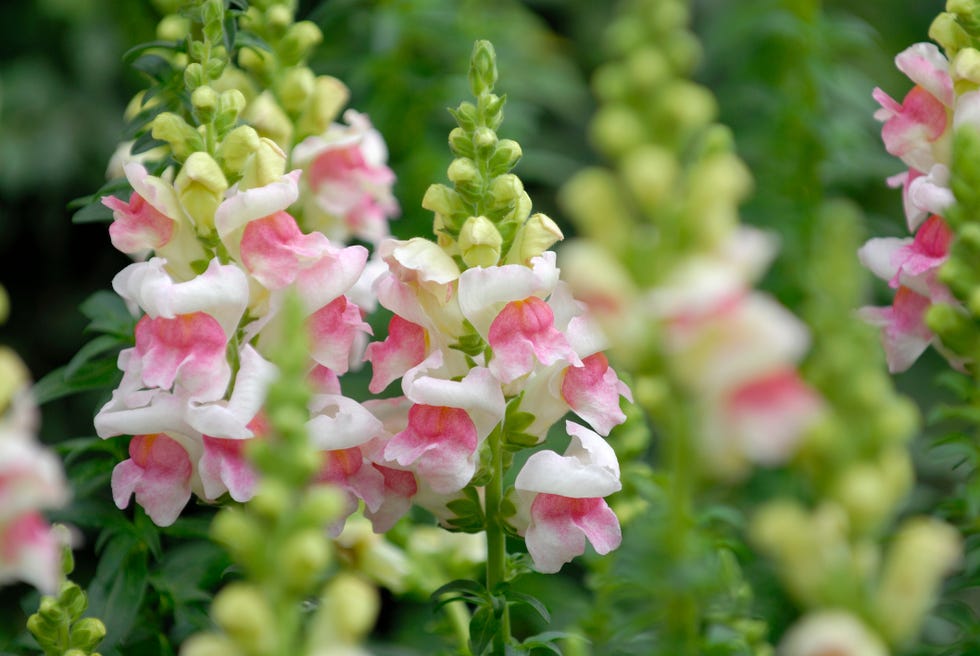
aimintang//Getty Images
It’s also the perfect month to refresh flower beds by incorporating organic matter (such as compost), tidy winter growth and prepare the ground for the season ahead by removing any annual weeds. “If you’re looking to support pollinators consider planting nectar‑rich options like Verbena bonariensis, echinacea and single‑flowered marigolds,” suggests Rob. “They’re fantastic for attracting bees and butterflies right through summer.”
Vegetables to grow in March 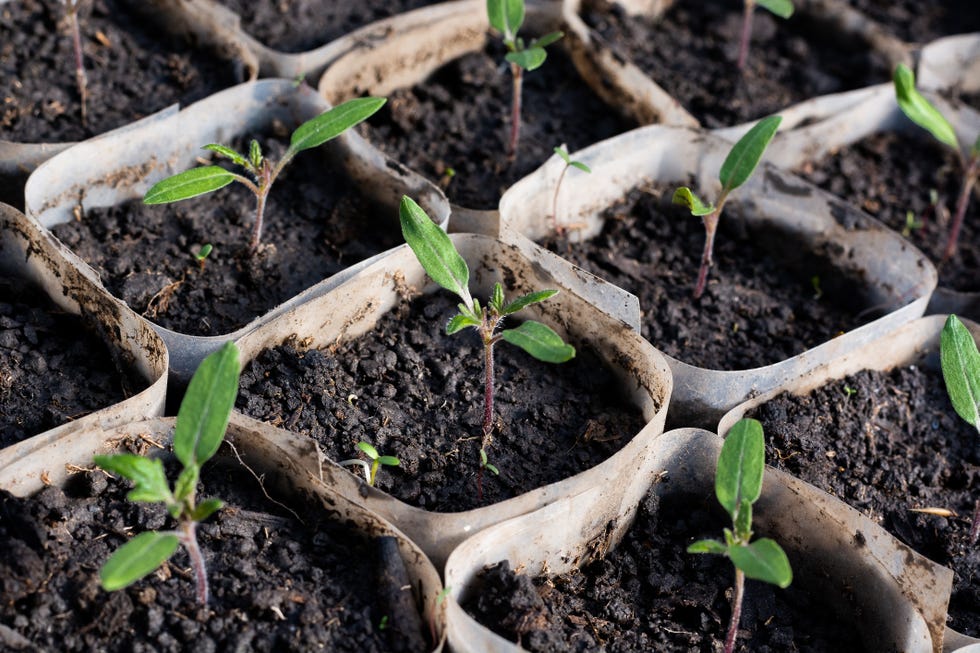
Fordvika//Getty Images
March is a good time to get out and do some ground prep in the veg patch. “Clear weeds and spread the contents of your compost heap, as long as it’s looking nice and crumbly,” says Penny Hemming, head gardener at The Riverford Field Kitchen. “A week before planting add some well-rotted manure, or failing that some chicken pellets. This added nitrogen will help vegetables to grow well.”
Plant early potatoes from mid-March and sow lots of hardy vegetables. Penny says: “Crops like beetroot and chard, which I sow three to four seeds per cell and plant out like that. Herbs like parsley, dill, chervil and coriander are all good to go and, again, I multi-sow these as well, so five to six seeds per cell.”
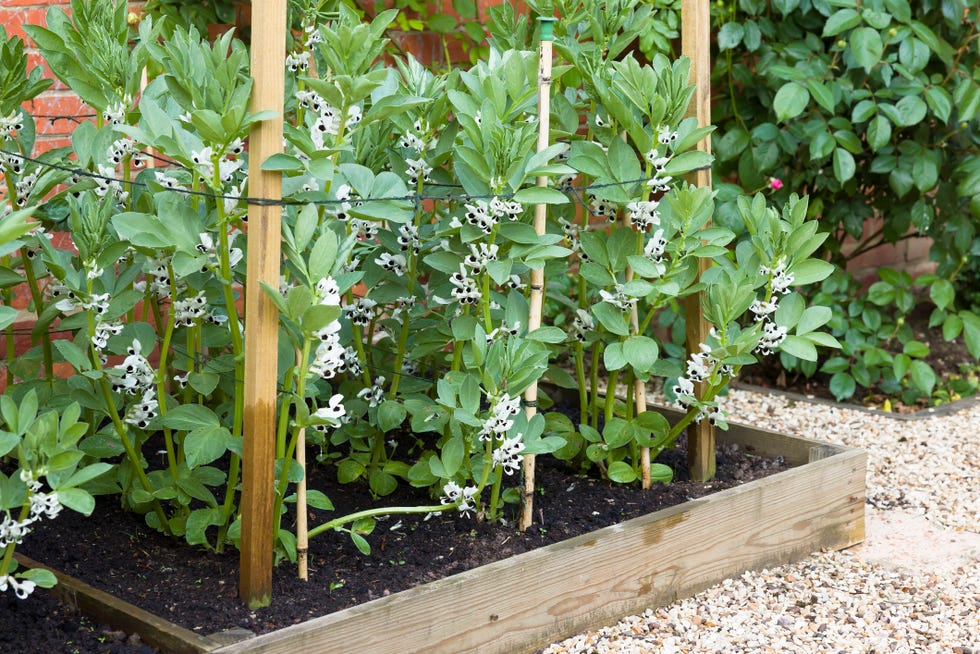
Broad beans, peas, mangetout, lettuce, onions, early kales and cabbages can all be sown in March too. “Ideally, this would be in a greenhouse or polytunnel,” advises Penny. “Using fleece to cover crops protects against any cold weather and creates a microclimate, raising the temperature by a few degrees.”
PaulMaguire//Getty Images
The team at Garden Organic start to plant onion, shallot and garlic sets in March, as well as maincrop potatoes. “We plant our onions in October, and again in March, so it’s important to choose the right variety for the time of year,” says head gardener Emma O’Neill. “Maincrop potatoes can also be started off by chitting them in a cool place to give them a head start. Indoors tomato, cucumber and pepper seeds can be sown, if you haven’t already. Outdoors, we sow carrots, beetroot, radish and spinach, but only if the risk of frost has passed and the soil is warm enough.”
Garden jobs for March
Prep your garden for the year ahead with our list of essential jobs for March.
Tidy up perennials and ornamental grasses
Cut back any dead stems and foliage to smarten up the look of perennial plants in flower beds and borders. It’s also a good time to lift and divide overgrown clumps, which is an easy way to fill flowerbeds or share the plants around with your friends.
Most perennials benefit from being divided every three years or so anyway to keep them healthy and vigorous. Use a spade to dig up a clump, being careful not to damage the roots, then divide up into smaller plants making sure each division has healthy roots.
Prune and feed rose bushes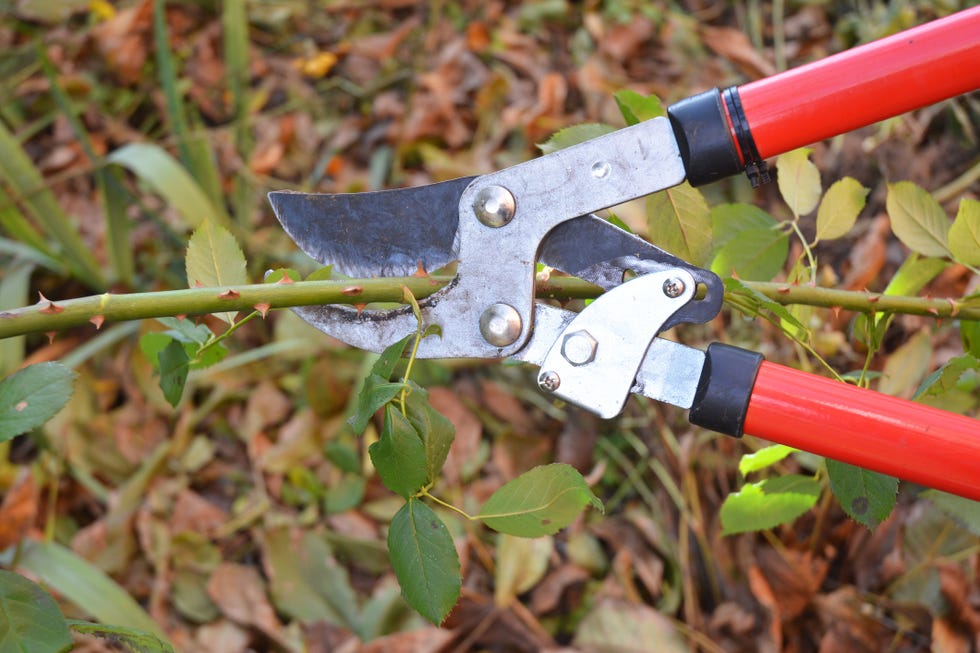
Lex20//Getty Images
March is a good time for pruning roses. Make sure secateurs are clean, then always cut downwards away from buds. For thicker stems you might need to use a pruning saw. Lightly cut back rose bushes to give shape and structure, as well as encourage new blooms in the season ahead. Try to create a rounded shrub that will strengthen the plant as spring progresses, and be sure to remove any dead or crossing stems.
It’s also a good idea to feed roses in spring with a slow-release specialist fertiliser, such as David Austin Rose Food, to ensure your bushes develop strong roots, lush leaves and plenty of blooms. An advanced formula like this means you only need to feed your roses once a year.
Mulch fruit trees and bushes
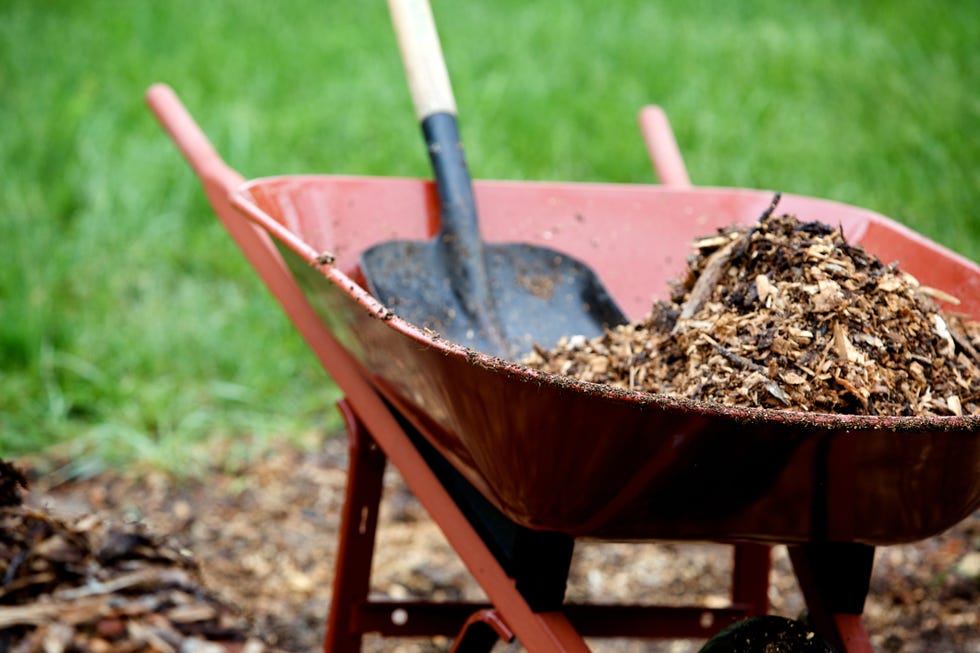
“Fruit trees and raspberries will all benefit from mulching with your own well-rotted homemade compost. Ensure the area is weed-free first and don’t apply right up to the stems,” advises Emma O’Neill. “It’s also a great time to top dress containers with compost to give them a boost for the new season.”
Separate plants from overgrown strawberry beds too and start a new bed with the runners (stolons), as your plants need rejuvenating every three years.
eyecrave//Getty Images
Prune and feed shrubs
Smarten up ornamental shrubs by lightly pruning them to enhance their shape, removing any dead or crossing stems and dead foliage. Fork a slow-release fertiliser into the soil around shrubs and ornamental trees to give them a boost as they come into their active growth period. It’s also the perfect time to move deciduous trees and shrubs that have outgrown their space, provided the soil isn’t waterlogged.
Deal with bare patches on the lawn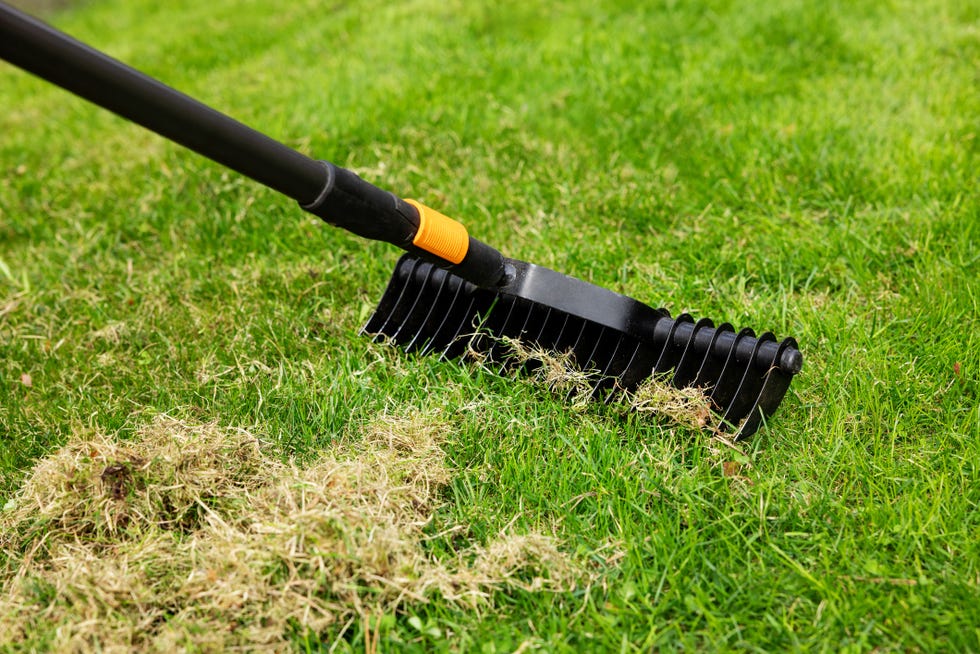
ronstik//Getty Images
If your lawn is threadbare, prepare it for new seed. If it’s very cold in March do the prep now but wait a while to sow. “Rake the patch vigorously to break up the soil. If the area is very compacted you may need to use a fork,” says Guy Jenkins, consumer manager at Johnson’s Lawn Seed. “When you rake make sure you do so beyond the obvious edge of the patch. If you do this the patch will blend in better with the existing grass.”
Most patches have very little grass cover so you need to use the sowing rate for new lawns. Check the instructions on the pack but this is usually between 35g m2 to 50g m2. “Sow the seed by hand, evenly distributing it over the area,” explains Guy. “Mix the seed with a few handfuls of topsoil too as this helps you sow it more easily. Gently rake the area to allow the seed to mix in with the soil, then gently firm in the seed by treading it in. This means the seed will have good contact with the soil allowing it to absorb water and put roots down.” Water the area with a fine spray and keep it moist until the grass is established.
Keep an eye on slugs and snails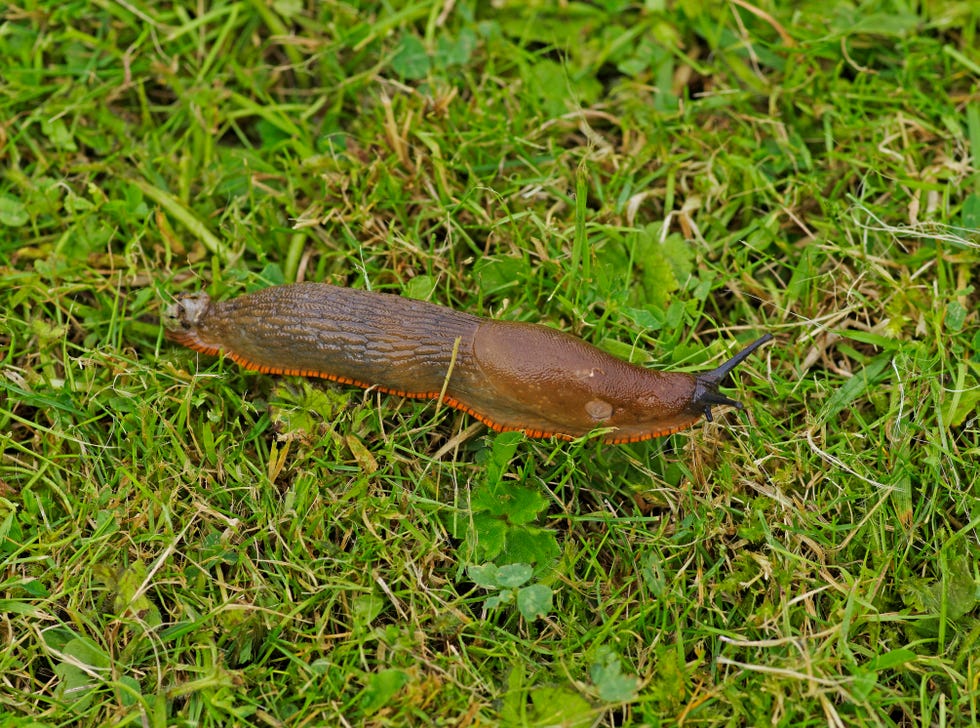
Gary Chalker//Getty Images
Spring means slugs and snails start multiplying in the garden, especially if it’s damp and rainy. The tender new shoots springing up in the garden will act as a magnet for them, so now is the time to take action.
“I like to lay down some planks of wood around the garden on the beds to start culling slugs and snails, as they breed in March, so it’s a great time to reduce the population,” says Penny Hemming. “Turn over the plank every day or so and there are nearly always a whole load of slugs and snails under there. I put them in the compost heap.”
Check your seed collection
Think twice before using seeds that have been hanging around for a few years, especially if the packets are open and you haven’t stored them in the right conditions. “Old seeds lose their vitality and become unviable. Look through your old seeds,” says Penny. “Have they been well looked after? Are they really old? It may be time to buy some new ones. Seeds should always be kept in dry and cool conditions, absolutely not in a greenhouse or shed.”
Gardening must-haves Filberts of Dorset Gardeners Hand Salve
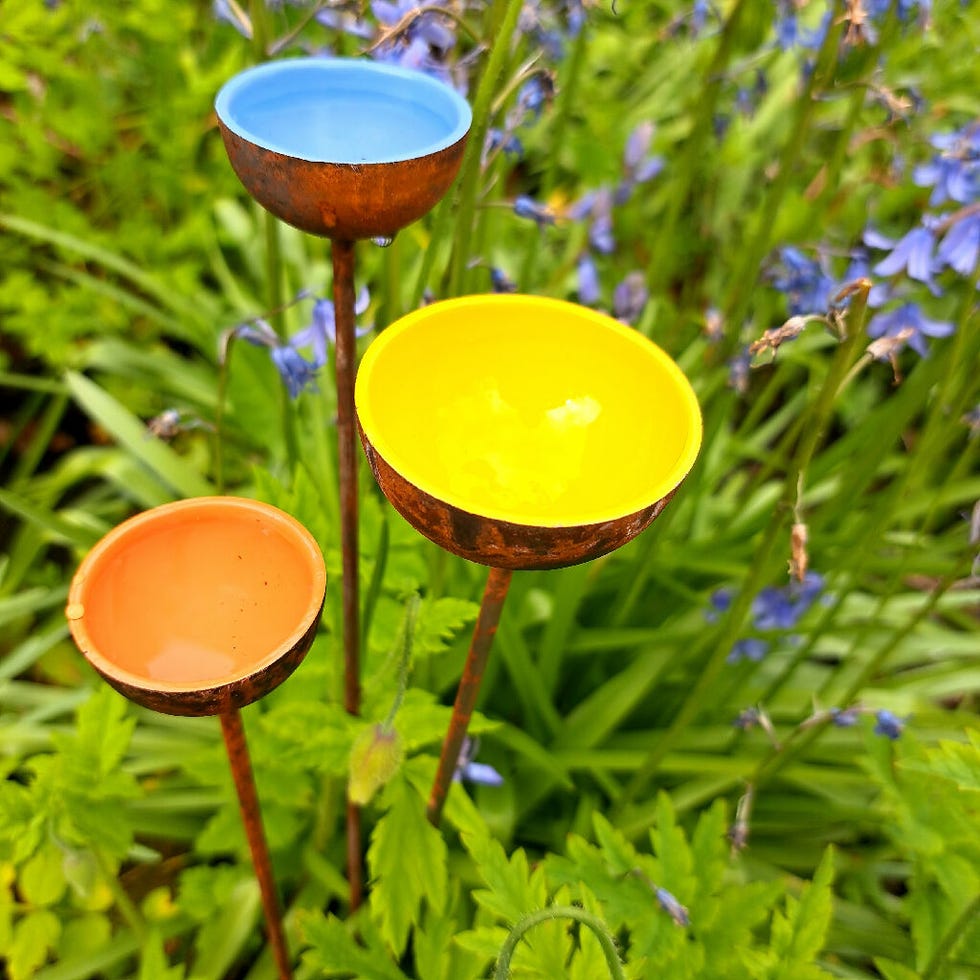 Haywards Garden Bee and Butterfly Water Stations, Garden Décor, set of three colourful bee water cups .
Now 17% Off
 Home Sussex Handmade Peg Apron
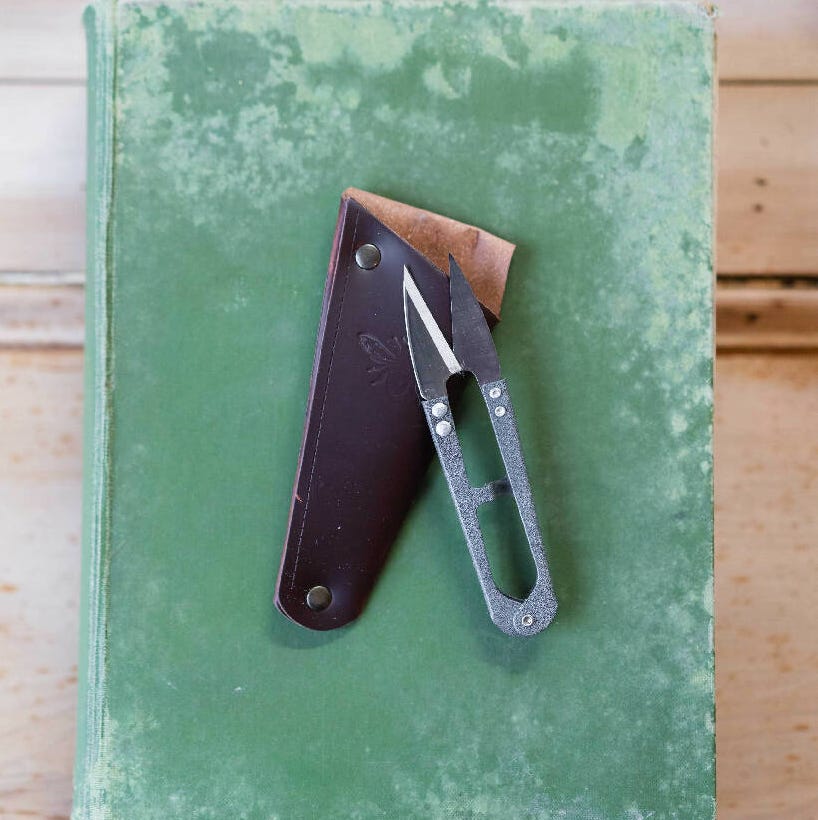 Garden Snips in Leather Pouch
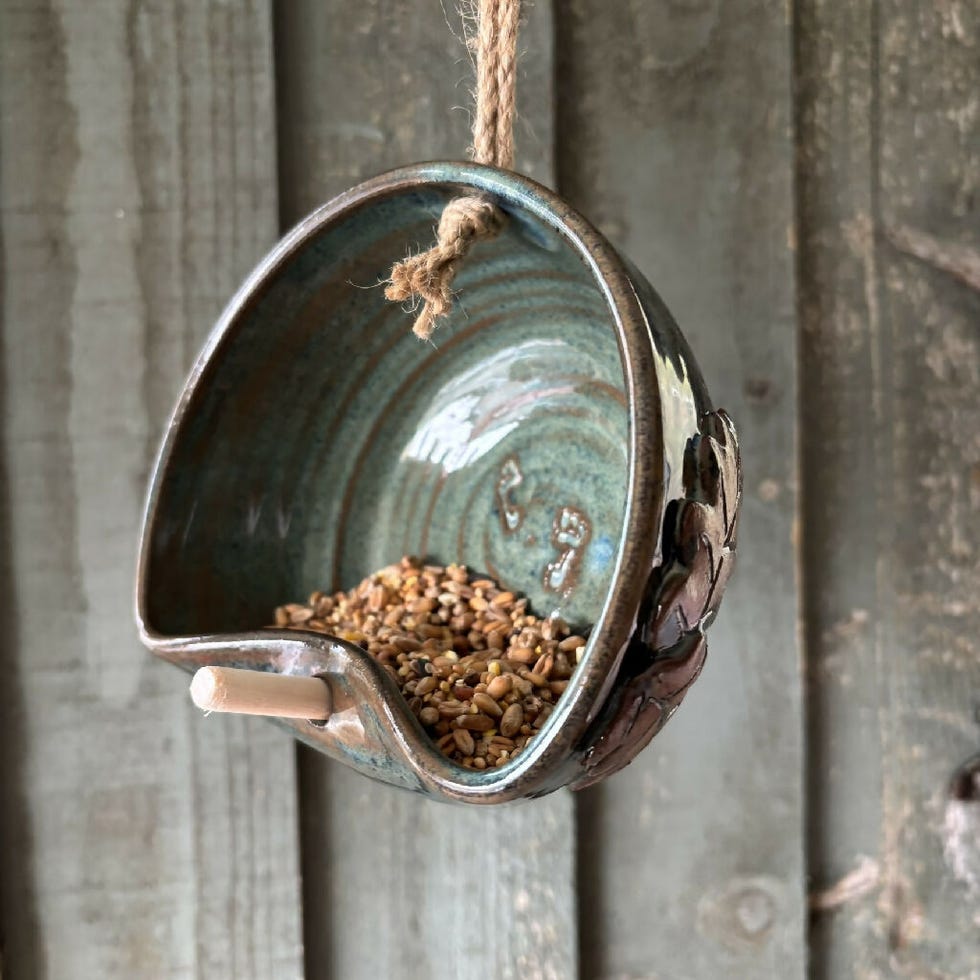 The Fae Potter Wild Bird Feeder ceramic hanging
 WhinnyPoo WhinnyPoo Box of 3 Plant Feed
Comments are closed.