
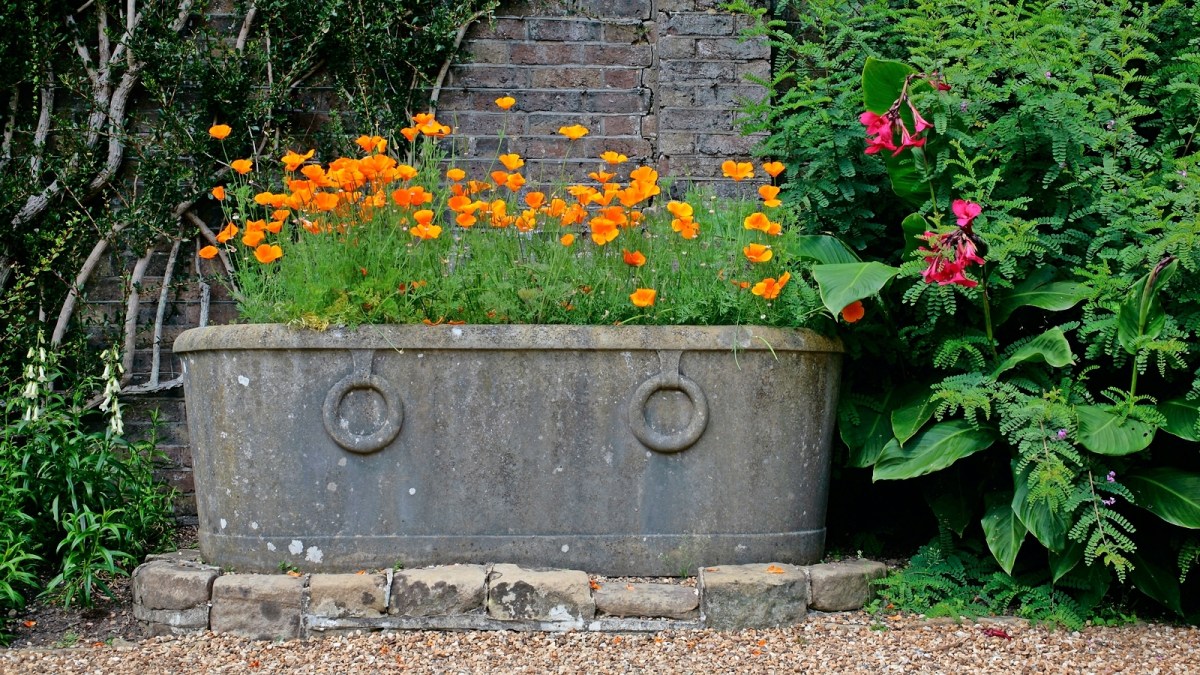
How do you begin to create a garden when you are new to gardening? It’s a question that I am asked often and, a few weeks ago, a reader named Hania left a comment under this column: “After two years of filling every surface with houseplants, I’ve decided to finally venture out into gardening. I’m going to the garden centre to get some seeds for summer today. I’m afraid I’ll mess this up because I haven’t been very good at growing from seed in the past.”
This question resonated with me because I can remember that feeling, oh so many times, of not wanting to mess things up. I, too, began with houseplants (the gateway drug to gardening, I always think). I can remember that mixture of excitement and trepidation when, at age 24, I branched into “real” gardening, surveying a small patch of rocky soil between the garage and the house. It was in almost permanent shade. I was renting, though, and it was all I had.
• The best advice for lazy gardeners
Hania is better situated than that (it wouldn’t be hard). She has a small town garden that is mostly tiled over, but there is a long thin bed (60cm by 6m). She has five or six terracotta pots. She added: “I was also considering buying something to grow vegetables in.”
There is often a belief, when you begin to garden, that you need to buy the right equipment, but Hania already has just about everything she needs. A lot of fruit and veg (such as potatoes, lettuce, beans and strawberries) grow just fine in a pot. If you want to grow something such as lettuce from seed and it’s too cold outside, put your tray or pots on the windowsill.

Strawberries grow well in pots
ALAMY
“Don’t be scared to fail,” says Rob Smith, product development manager for the horticultural company Thompson & Morgan. “Another word for failure is experience.” I found Rob at the recent Horticultural Trades Association spring event in London. He advises first-time veg gardeners to “grow what they eat”. If you like strawberries, go for a few plants. (The new “day neutral” ones crop all summer long.) Beets and radishes are easy to grow and can be sown directly in the ground.
Ian Clark, from Taylors Bulbs, notes there are some bulbs that are virtually “bombproof” and the tiny Tête-à-tête is the nation’s most popular bulb for a reason. You can’t go wrong with it: it will find its way to flowering even if you plant it too shallow or deep or, even, upside down. The allium Purple Sensation is another “doer” that is beloved by gardeners.
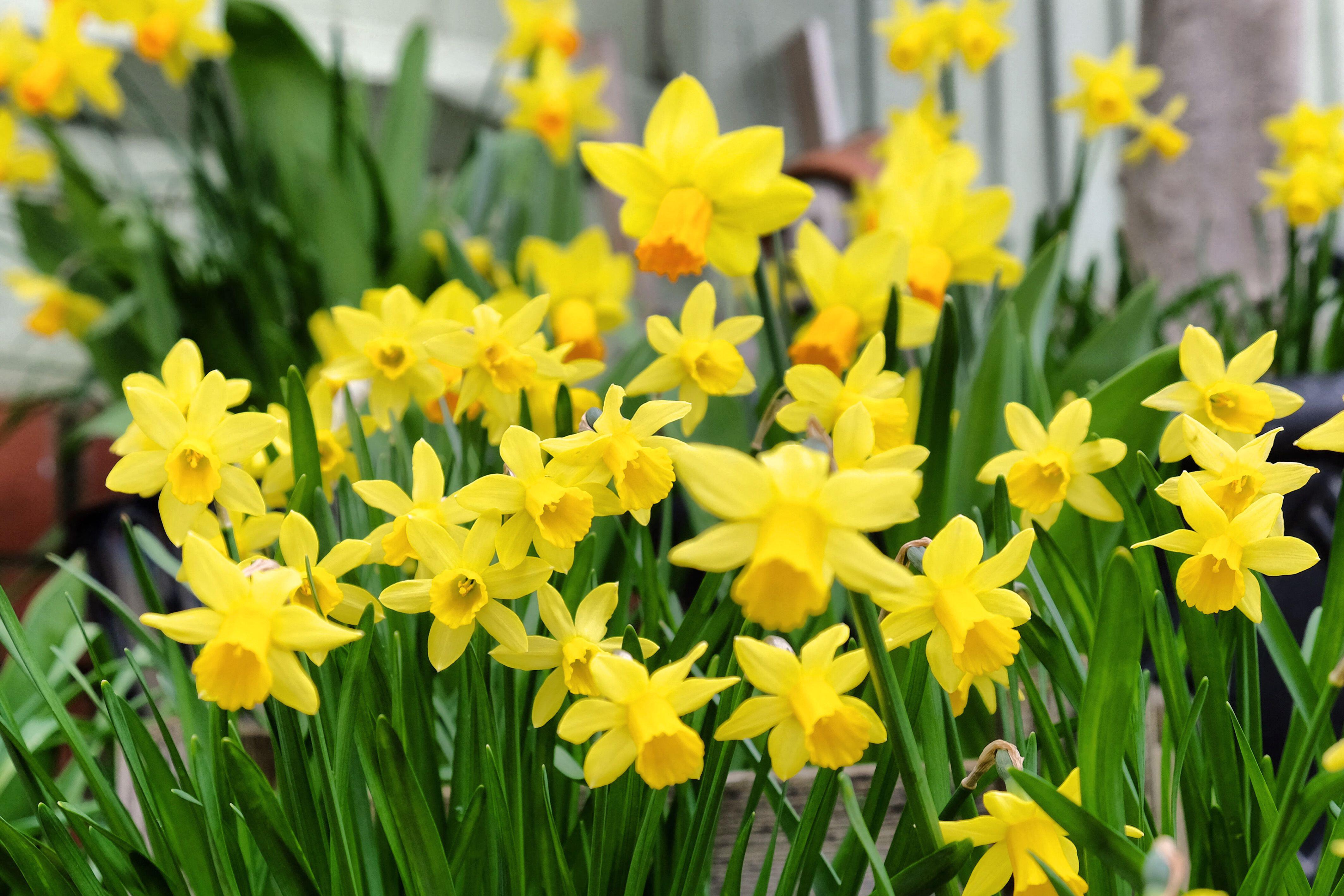
The Tête-à-tête bulbs are basically “bombproof”
ALAMY
The garden designer Chris Young suggests starting off by looking around your neighbourhood and noting which plants are thriving. If you don’t know what they are, and there’s no one to ask, you can always drop a photo into Google. He likes starting by planting an evergreen such as a hebe or pittosporum in a pot and getting to know them. “It’s like dating your plants,” he says.
• Read more from Ann Treneman
Other suggestions include wildflowers or hardy annuals. Helen Clayton from the seed and plant company Mr Fothergill’s suggests California poppies, calendulas and nigella. Nasturtiums are colourful and long-flowering, and they will grow in poor soil. Other suggestions, from our own readers, include cornflowers, asters and wildflowers. I’d add cosmos to that list.
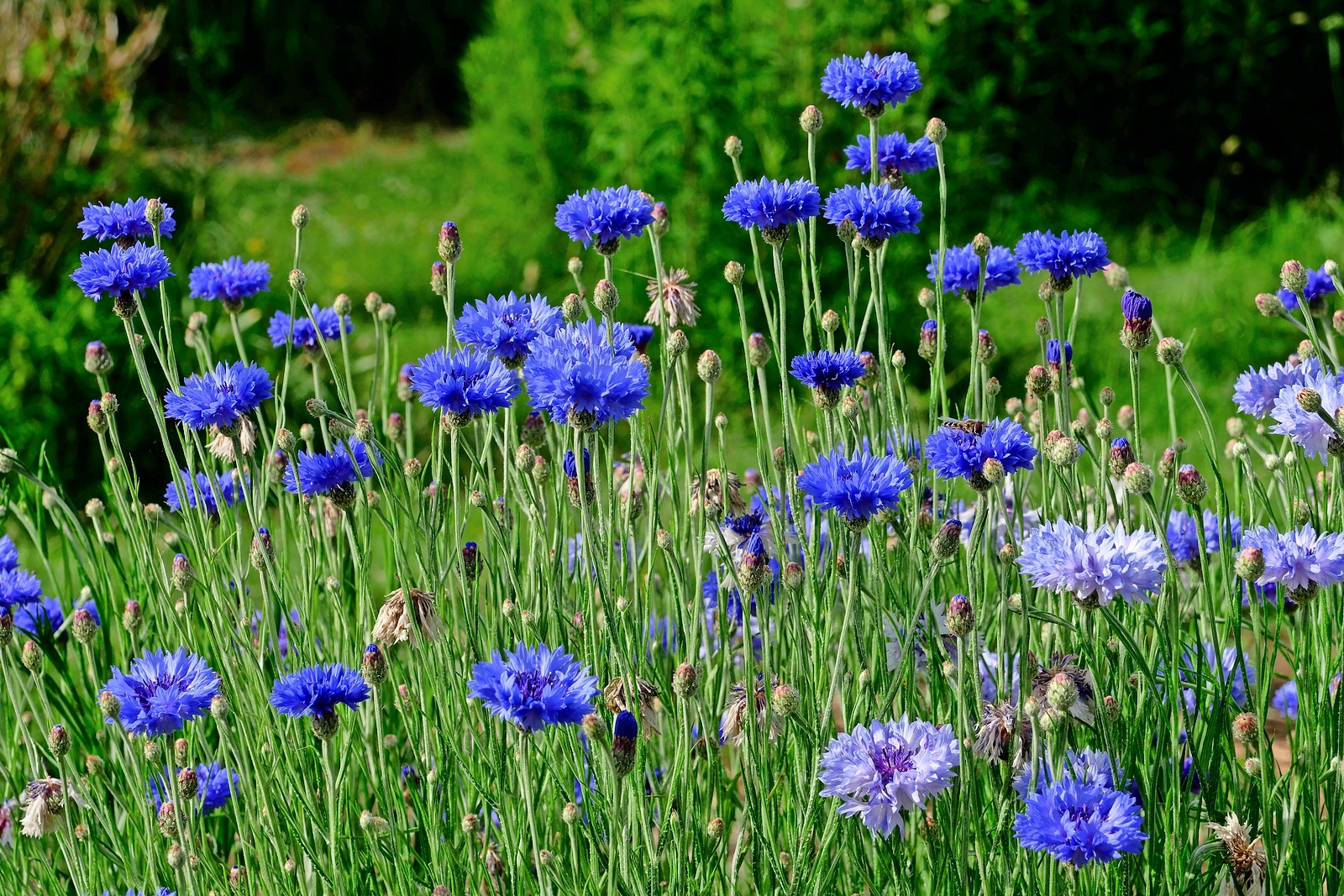
Cornflowers can grow in poor soil
ALAMY
What I did, all those years ago, in my little plot was to grow herbs. Thyme, rosemary, sage and mint are delicious but also tough survivors, and they didn’t let me down. My final note for Hania is that life is too short not to grow something scented and beautiful. I have grown lavender in every one of my gardens, even in difficult aspects, because I love it. Whatever flower or plant resonates with you, go for it and see what happens.
Gardener’s question
I live in a frost pocket in Perthshire. Can I plant candelabra primulas in sitting water? Apart from willows, what else can tolerate soaking ground throughout winter but usually dries up in the summer?
Petronella Haldane
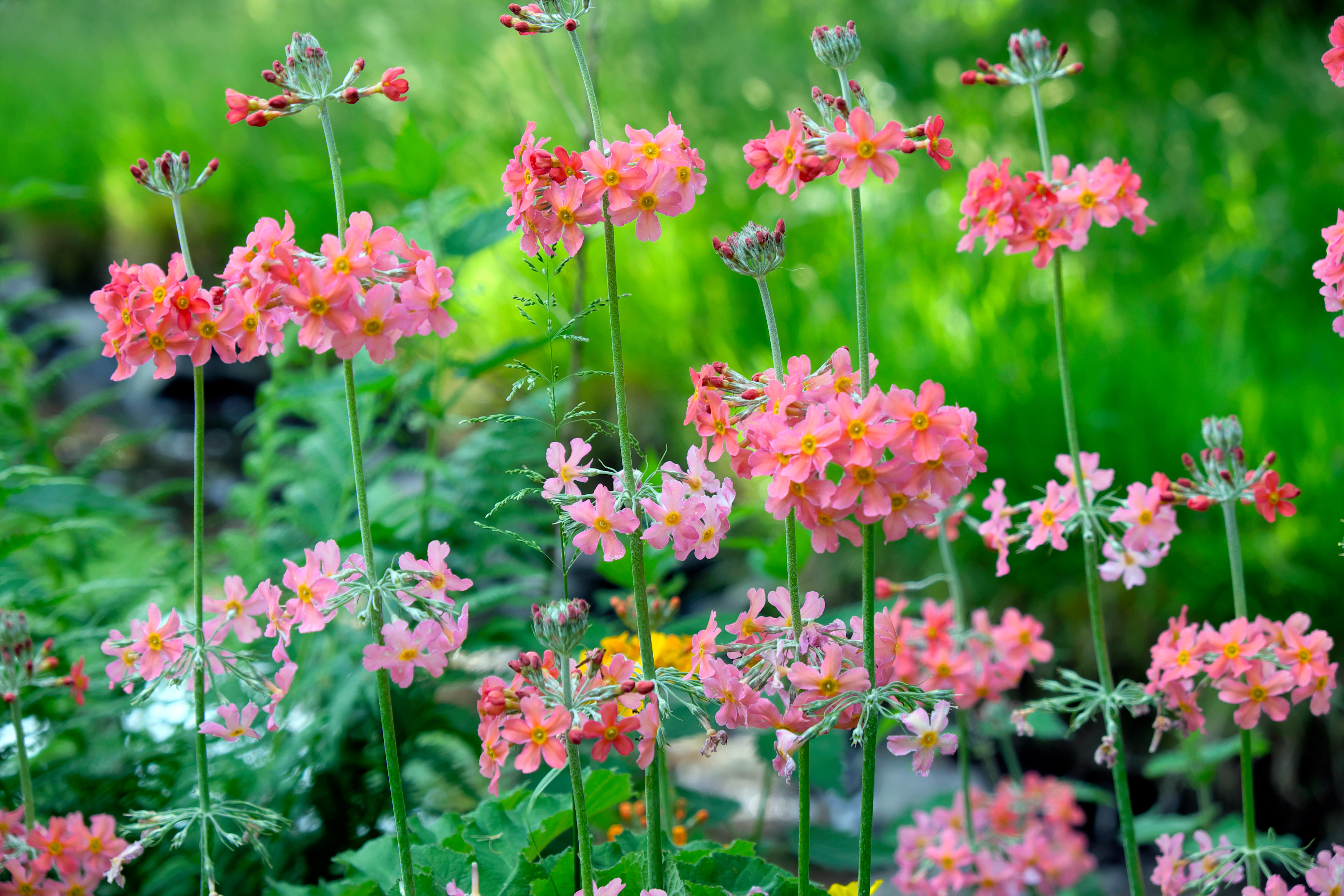
You basically have a bog garden (lots of them can dry up in summer) and they are rather fashionable and not at all bog standard. Candelabra primulas are bog plants and should be fine. Others to try include meadowsweet including a pink one (Filipendula rubra) that I particularly like and marsh marigold, Iris sibirica, ligularia, astilbe and good old cornus.
Send your questions to gardenquestions@thetimes.co.uk
Comments are closed.