
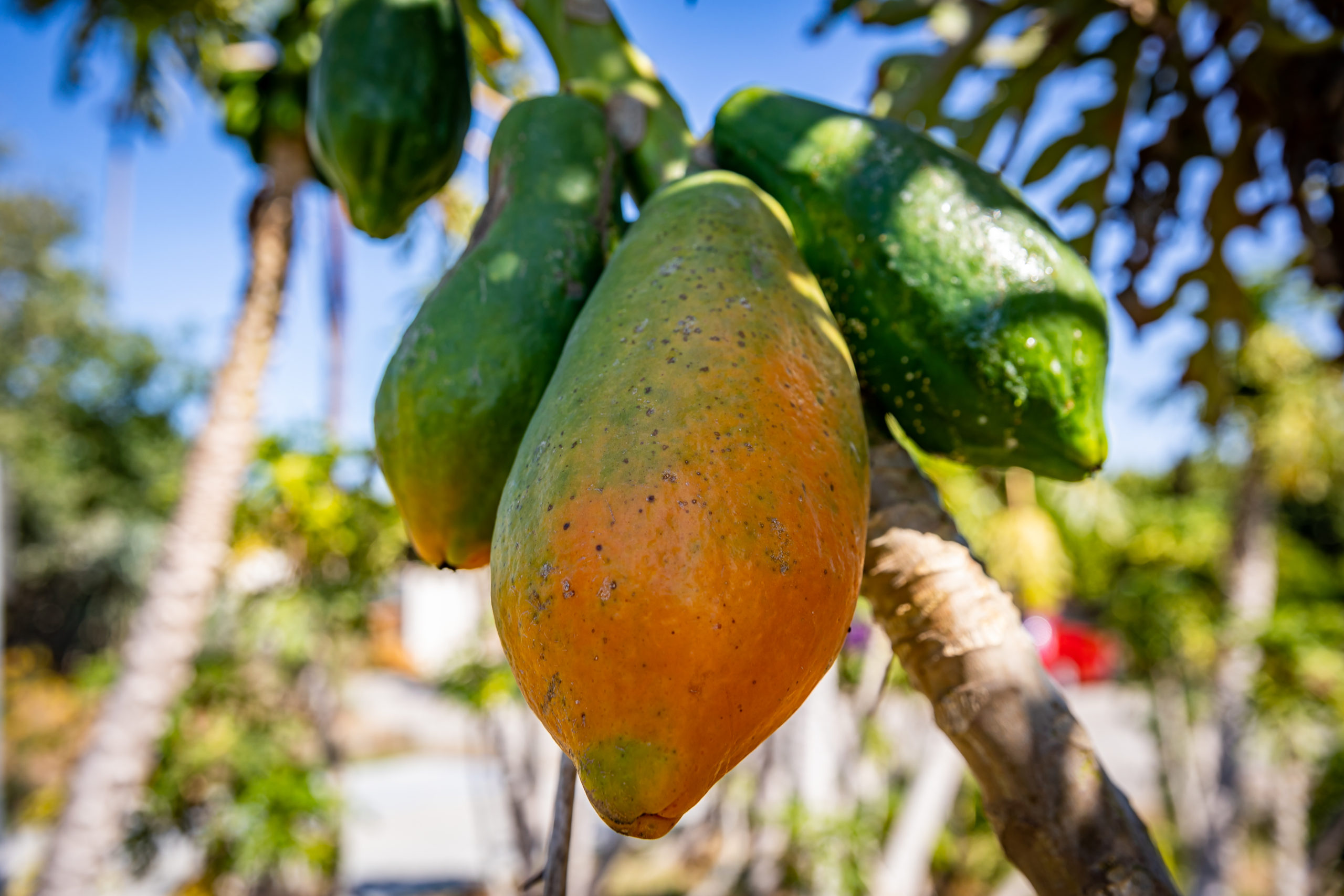
A Fourth Street resident is working to open Long Beach’s next community garden, offering everything from vegetables and herbs to a workshop space and a tool and gear library.
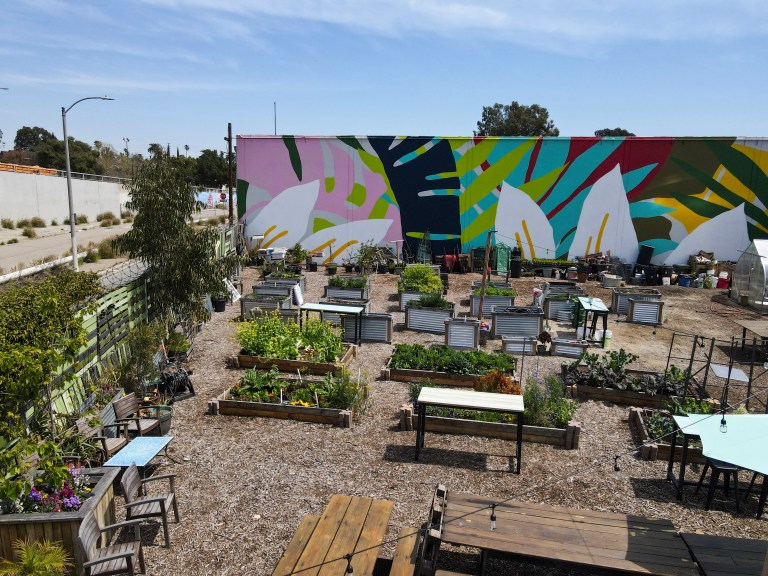
With a background in environmental justice and a desire for healing third spaces, specifically the kind that embody queer joy, Max Feinland is determined to create a community garden in a vacant lot near Bixby Park. He envisions a space with native plants that attract pollinators, herbs that can serve a medical purpose and a rotating crop space — just to start.
The garden titled Jardín Colibrí (hummingbird garden in English) will also function as an educational space, urban farm and pollinator sanctuary meant to uplift marginalized members of the community, including the LGBTQIA+, BIPOC, immigrant, and disabled communities.
“A lot of us who live here in SoCal are so urbanized, you know, we don’t get the opportunity to really be immersed in nature, but it’s so important for us as humans because we are part of nature,” Feinland said. “So it’s a part of our own well-being, but it’s also about us creating that connection.”
In order to transform the lot near Fourth Street, Feinland hopes to utilize a program from Long Beach’s Office of Climate Action and Sustainability: the Urban Agriculture Incentive Zone program. Through this program, property owners of vacant lots receive a tax incentive if they enter a five-year minimum contract with the City to allow their lot to be used for agricultural purposes.
The program began in 2018 and has resulted in three gardens in Long Beach, according to the Office of Climate Action and Sustainability:
Crown Victory Community Garden – 914 Redondo Ave.
Grow2Zero Farms – 2851 Santa Fe Ave.
Captain Charles Moore Urban Community Garden – 3121 Long Beach Blvd.
The Crown Victory Community Garden and Captain Charles Moore Urban Community Garden were both established by the nonprofit Long Beach Organic. According to the City of Long Beach, At least 50 prospective farmers/gardeners have expressed interest in finding a vacant lot, “but the lack of vacant lots offered by property owners has meant that all but three have not been able to participate.”
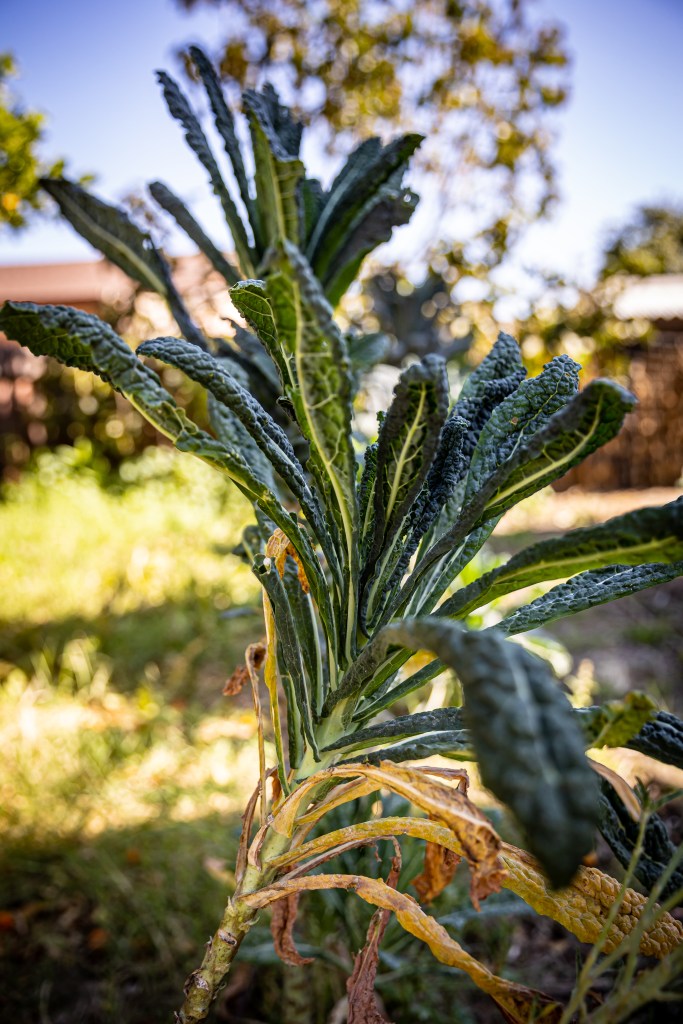 Some kale is ready to be picked and used in one of Casa Chaskis saltados dishes on Oct. 19, 2021. The kale is grown in a reclaimed area turned garden near the restaurant’s parking lot. (Richard H. Grant | Signal Tribune)
Feinland is prepared for this possibility, he said. If the property owner of the lot near Bixby Park doesn’t want to participate in the program, they’ll take the structure and planning of their garden and apply for lots throughout the city.
“I think that having third spaces and community spaces where you can just show up and you aren’t expected to do anything except hang out and be in a space that you love — I think we all just need some more of those,” Feinland said. “A lot of people I know and who are my age are like, ‘Oh, I can’t even go out because I can’t even afford it.’ And we’re kind of socially isolated in that sense … I think that’s also a reason why we went with a community garden in particular, because it does create that physical space for people to exist and build community with each other.”

According to Long Beach Fresh’s community garden map, there are 17 community gardens located throughout the city, with six residing in downtown Long Beach. Bixby Park is 1.3 miles from the nearest community garden, the 1st and Elm Community Garden.
Eventually, Feinland said the garden will act as a workshop space where residents can share skills and learn sustainable practices, a tool and gear library where people can rent objects for free and a stage where they can host a performance space. He said a big inspiration for him has been seeing how the Tongva and Puvugnga tribes take care of their land, adding that he wants the space to take a “decolonized” approach.
“I think that this is sort of like an ideological shift in some ways. A lot of us come from a background where we kind of are viewing land as something to exploit,” Feinland said. “The view I’m really taking here is about building a relationship to land, viewing land as something alive in itself and something that has agency and something that you can actually build a relationship with.”
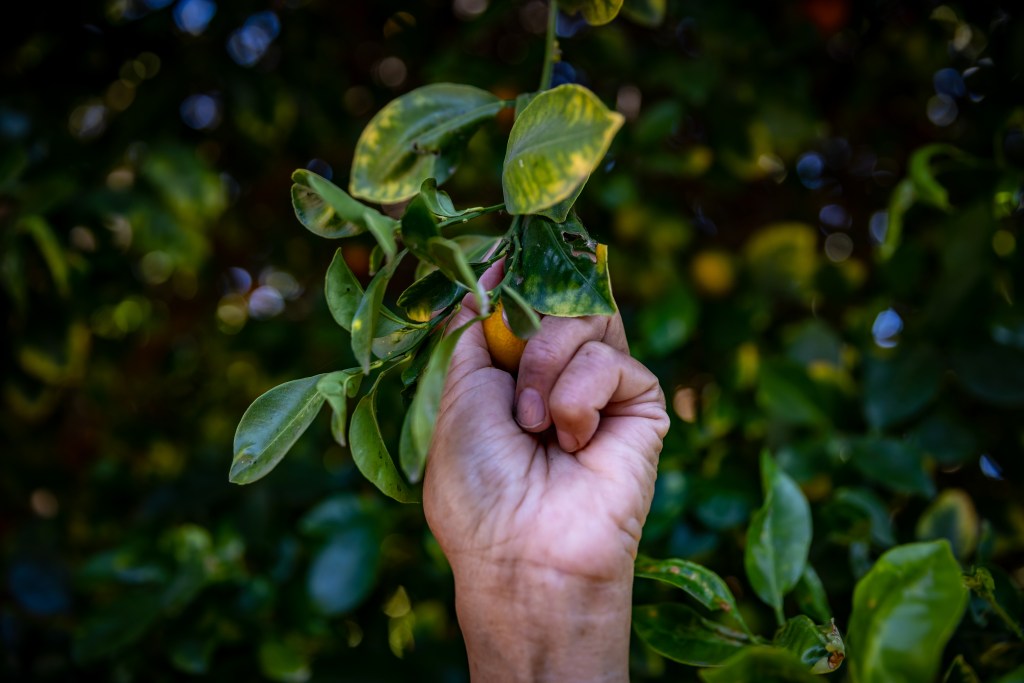 Maxima Delacruz, who works in the nail salon that shares a parking lot with Casa Chaskis, pulls some calamansi fruits from the tree in the garden on Oct. 19, 2021. Calamansi is also known as the Philippine Lime. (Richard H. Grant | Signal Tribune)
For now, Feinland is encouraging anyone who wants to see be a part of this new garden to get involved during this beginning stage. Local mutual aid group Care Culture Collaborative has joined the efforts and will be helping engage the community.
There will be several community meetings over the next few months to plan what the garden will include, in what Feinland hopes will be a “collective process.” Immediate roles needed include conducting outreach, running the social media account, finding and applying for grants, getting councilmembers on board and logistical work.
Interested residents can also fill out an online survey and express what they would want for the community garden, needs they have and skills they can offer.
The kick-off community seeding event will take place on Thursday at Wood Coffee Co. (2728 E. 10th St.) at 7 p.m. in collaboration with Care Culture Collaborative. There will be tamales and champurrado served as well as native plant seeds available.
To receive updates on the creation of this community garden, follow @worldmakers.collective on Instagram or email hopeisradical@gmail.com to get involved. The survey is also available in the link of their bio on Instagram.
 Samantha DiazManaging Editor
Samantha is an award-winning journalist, sports fanatic and mother. She’s worked for the Signal Tribune for over three years and is passionate about covering environmental news, small businesses, mutual aid efforts and resources.

Comments are closed.