
Credit: Getty / Yippa
Many people dream of picking their own fresh fruit, but they live in areas with long, harsh winters. However, even in these chilling conditions, it’s still possible to make lemonade from your very own supply of lemons.
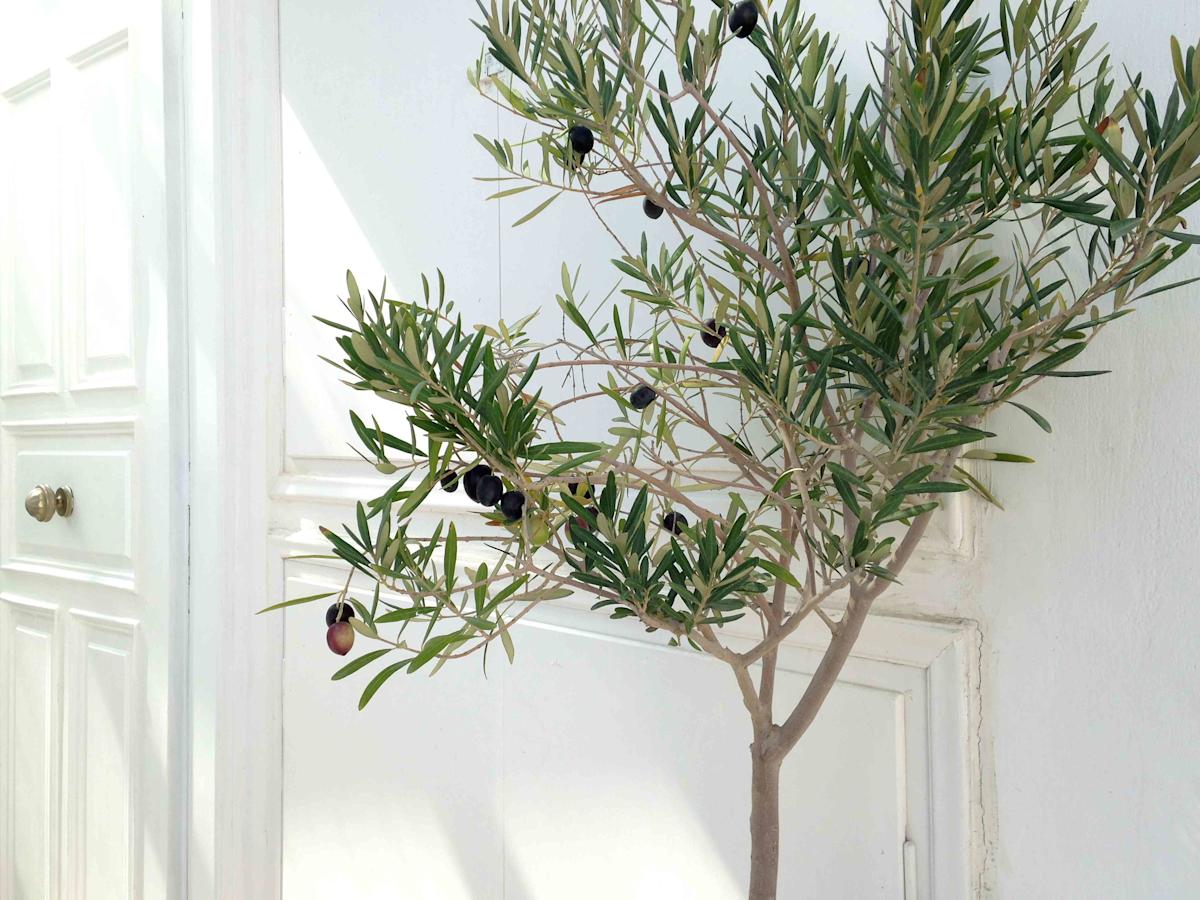
Dwarf fruit trees are smaller varieties of your favorite plants, including lime, avocado, olive, and more. These smaller plants can be grown in containers—and they may be just what you need to make fresh guacamole from home. Here, we spoke to the experts, who suggested a few of their favorite dwarf trees to help you get started.
Meet the Expert
Jen McDonald, a certified organic garden specialist and co-founder of Garden Girls, a service that helps design beautiful garden spaces
Related: 9 Fruit Trees You Can Grow Indoors, According to Horticulturists
01 of 08
Thai Semi-Dwarf Lime Tree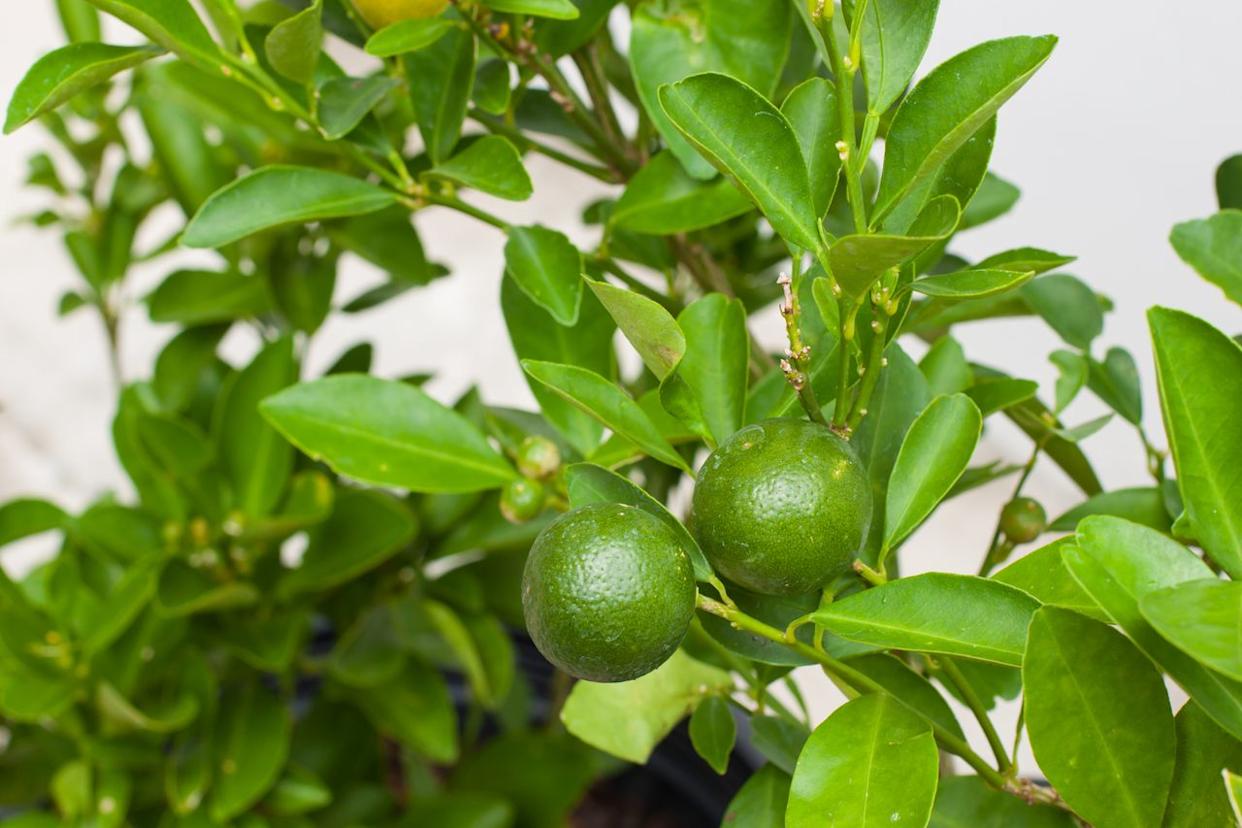
Credit: saisi1014 / Getty Images
The Thai semi-dwarf lime is a great indoor and outdoor plant because it’s self-pollinating, it produces a decent amount of fruit, and it’s simple to care for. It also stays fairly compact and doesn’t require much pruning.
“If you like to cook, you’ll want to have a Thai lime tree,” says Jen McDonald, a certified organic garden specialist and co-founder of Garden Girls. “The leaves smell amazing and are often used in Southeast Asian dishes.”
Growing Zones for Containers: 4 through 9
Size: 6 to 8 feet in containers
Growing conditions: Full sun with southern exposure; chunky potting soil with excellent drainage; less frequent, deep watering
Related: Grow a Makrut Lime Tree at Home—Expert Tips for Fragrant Leaves and Fresh Limes Year-Round
02 of 08
Northland Semi-Dwarf Blueberry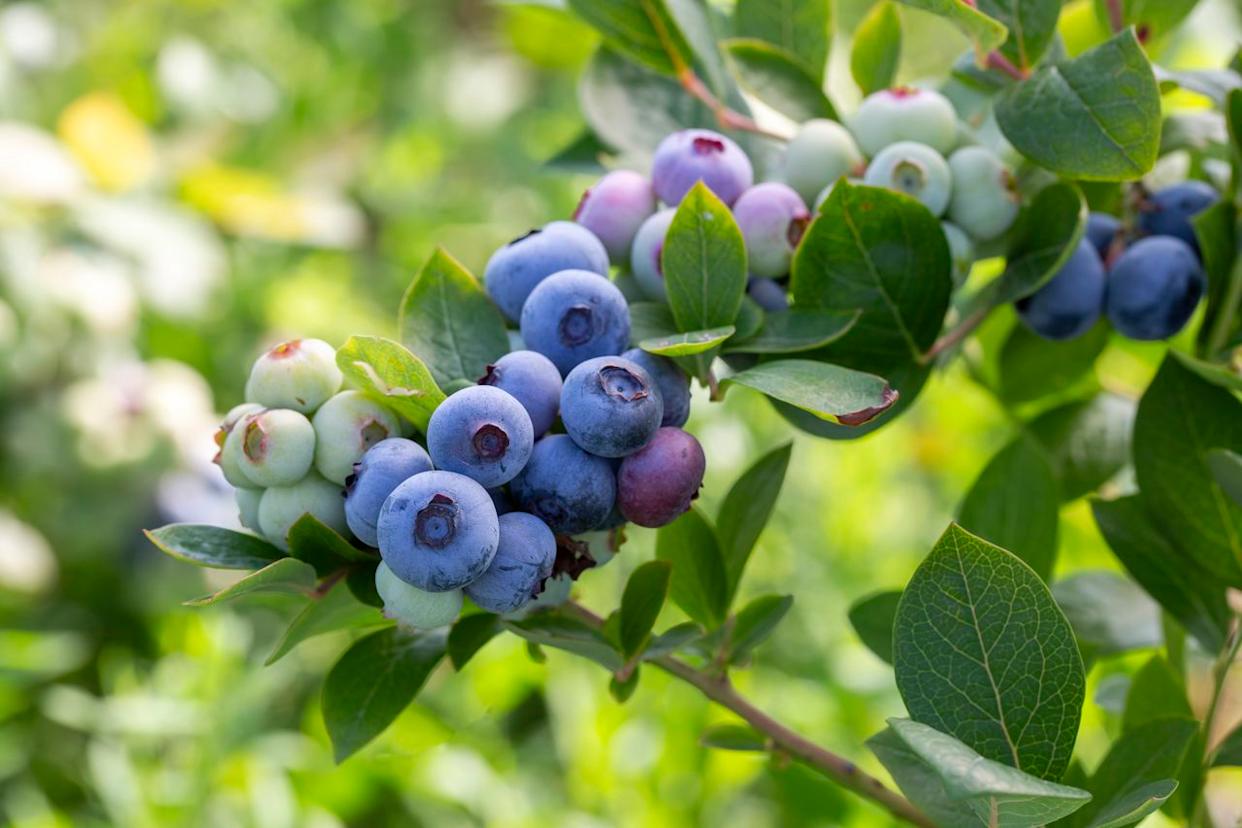
Credit: Esin Deniz / Getty Images
While more of a bush than a tree, the Northland semi-dwarf blueberry still has colorful fruits and beautiful foliage that will enliven your living room. It’s also very cold-hardy and will yield 15 to 20 pounds of berries once it matures.
Additionally, the Northland is self-pollinating and will turn into a stunning display of yellow and orange in the fall season, too.
Growing Zones for Containers: 3 to 7
Size: 3 to 4 feet in containers
Growing conditions: Full sun; acidic, well-drained soil; regular watering
Related: 14 Companion Plants to Grow Next to Blueberries for a More Bountiful Harvest
03 of 08
Mediterranean Olive Tree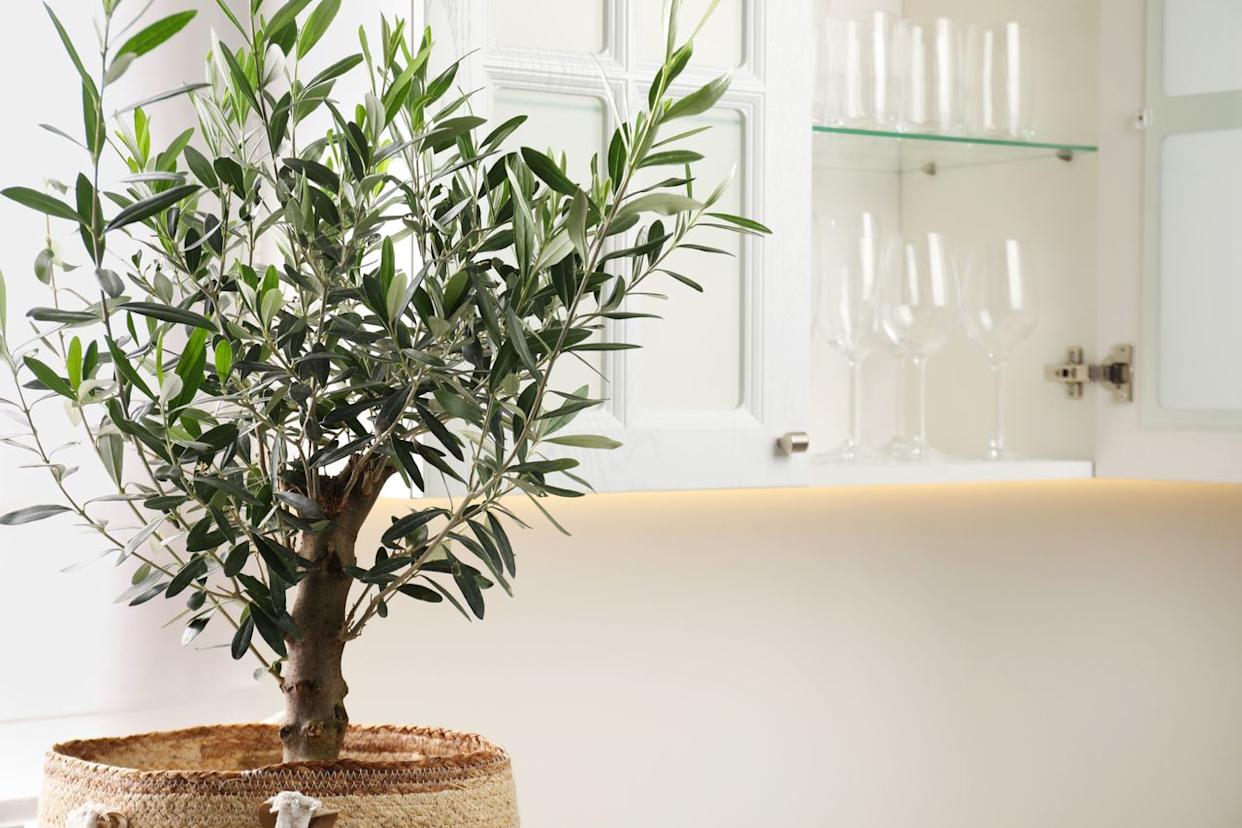
Credit: Getty / Liudmila Chernetska
This beautiful evergreen tree will produce long, gray-green foliage with white blossoms before eventually yielding rich black olives. It’s self-pollinating, but expect to wait one to two years for fruit to appear.
Growing Zones for Containers: 7 and lower
Size: 8 to 10 feet in containers
Growing conditions: Full sun; sandy, well-drained soil; keep consistently moist but not overwatered during the growing season
04 of 08
Vandalay Sweet Cherry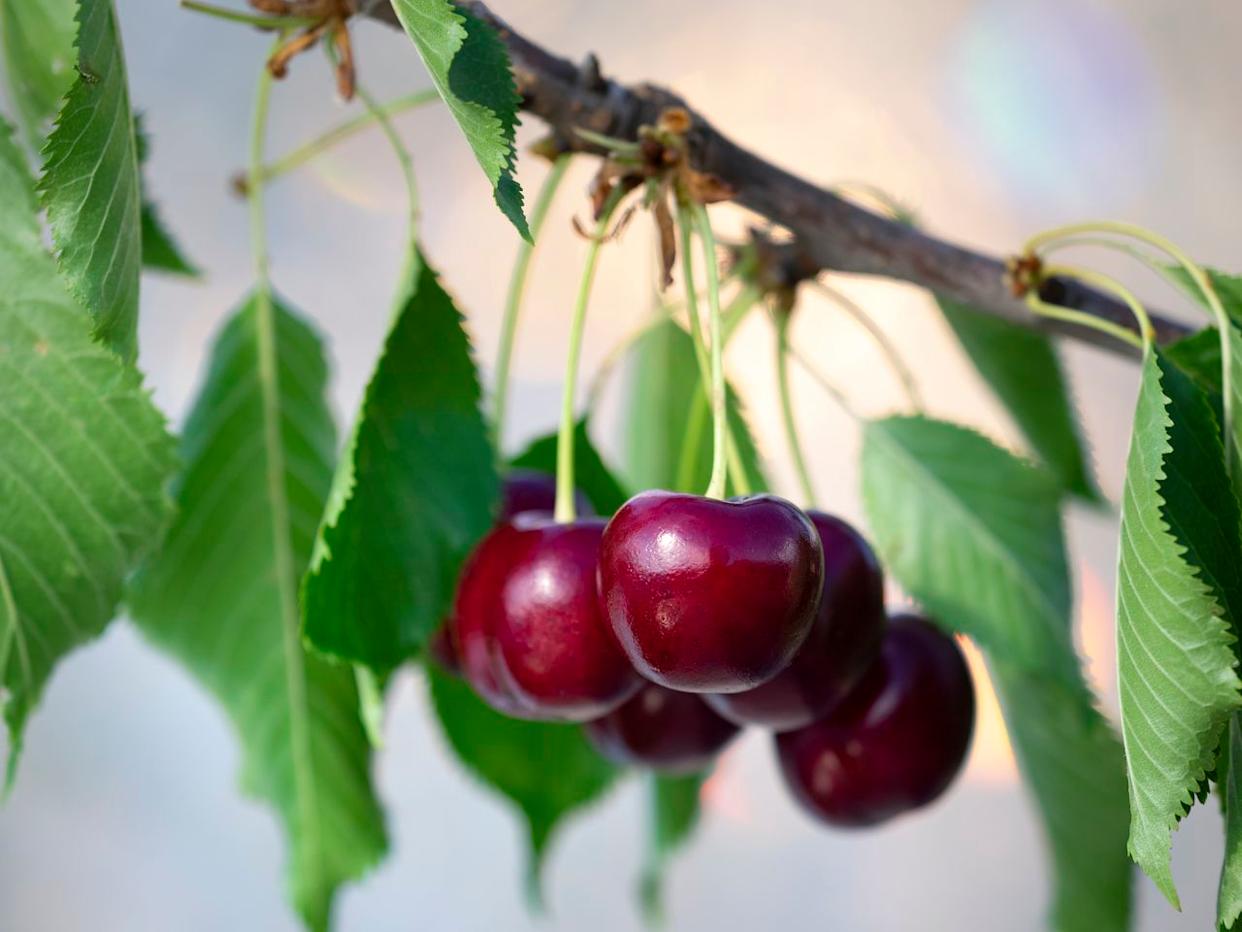
Credit: Getty / Jose A. Bernat Becete
This Canadian variety ripens mid-summer and offers intoxicating white blooms along with firm, reddish-black fruits. Although the Vandalay Sweet Cherry is self-fertilizing, you’ll get a significantly larger amount of fruit by planting a pollinator nearby.
Growing Zones for Containers: 5 through 9
Size: 12 feet in containers
Growing conditions: Full sun; loamy soil with significant drainage; less frequent, deep watering
05 of 08
Little Cado Avocado Tree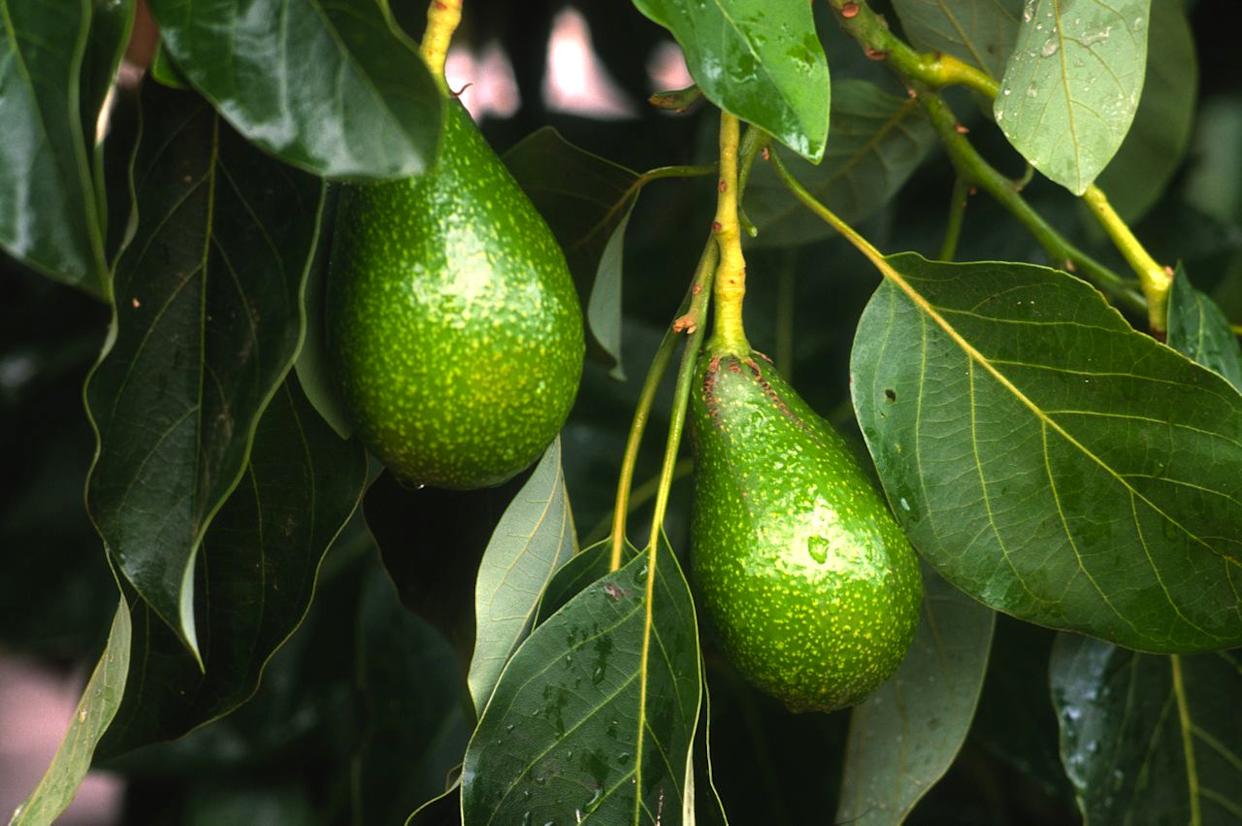
Credit: Getty / Aaron McCoy
Fortunately, while regular avocado trees reach towering heights, the Little Cado dwarf variety usually sits at around 10 feet tall. However, while these trees may grow quickly and produce beautiful foliage, they can be very high-maintenance.
“It is more sensitive to cold than citrus trees, and also likes to be watered more often,” says Laura Janney, CEO of The Inspired Garden. “It also gets very tall and needs to be repotted every year, but someone who’s up for a challenge may enjoy growing one.”
Growing Zones for Containers: 8 and lower
Size: 10 to 12 feet in containers
Growing conditions: Full sun with southern exposure; well-draining soil; less frequent, deep watering with moist air is ideal (humidifier recommended)
Related: How to Grow an Avocado Tree From the Pit—No Matter Where You Live
06 of 08
Dwarf Nana Pomegranates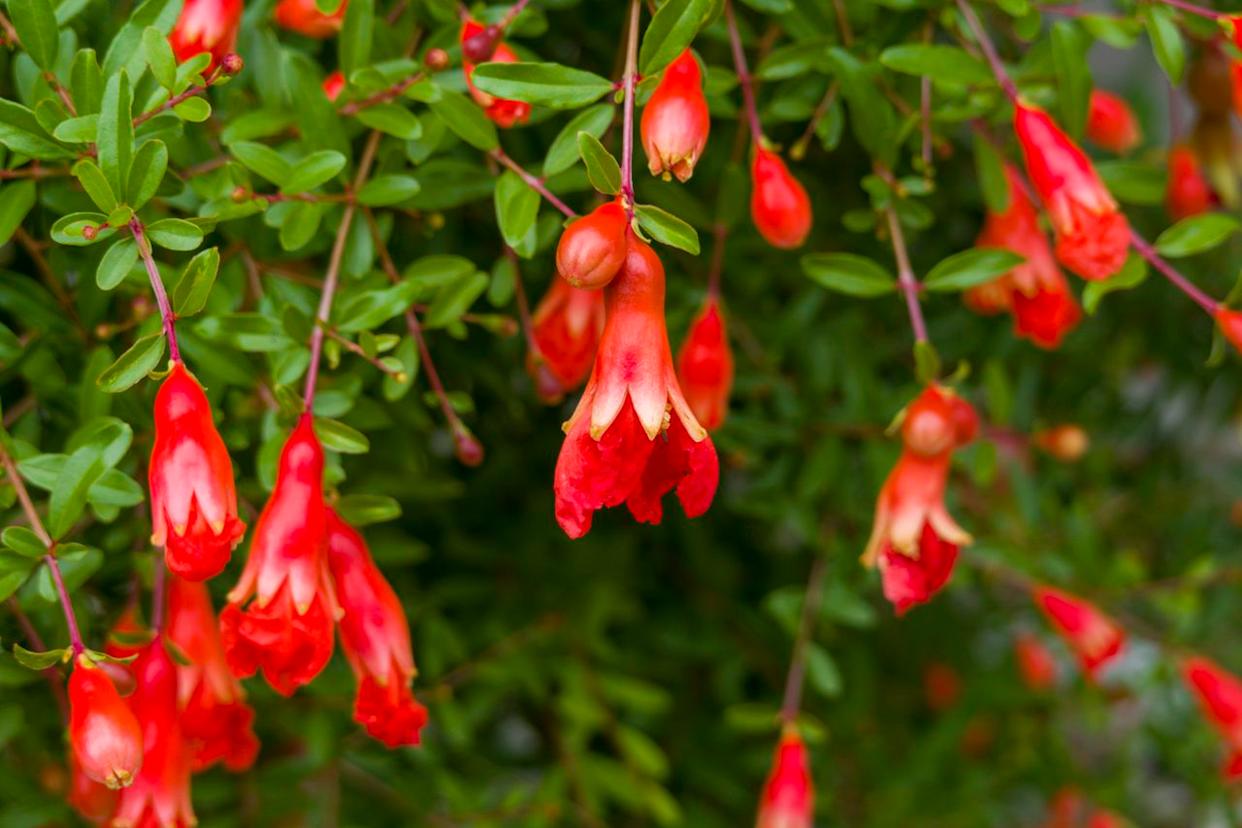
Credit: Getty / claudio.arnese
The dwarf nana pomegranate is a small shrub that thrives in hotter climates, and will fit into your home as easily as a statuesque tree. This particular variety produces pretty flowers that attract pollinators when outside, and yields sweet, delicious fruit.
“If you’re looking for a tree purely based on aesthetics, this might just be the one for you,” says McDonald.
Growing Zones for Containers: 7 and lower
Size: 3 feet in containers
Growing conditions: Full sunlight; sandy, loamy, well-draining soil; less frequent, deep watering
07 of 08
Dwarf Persian Lime Tree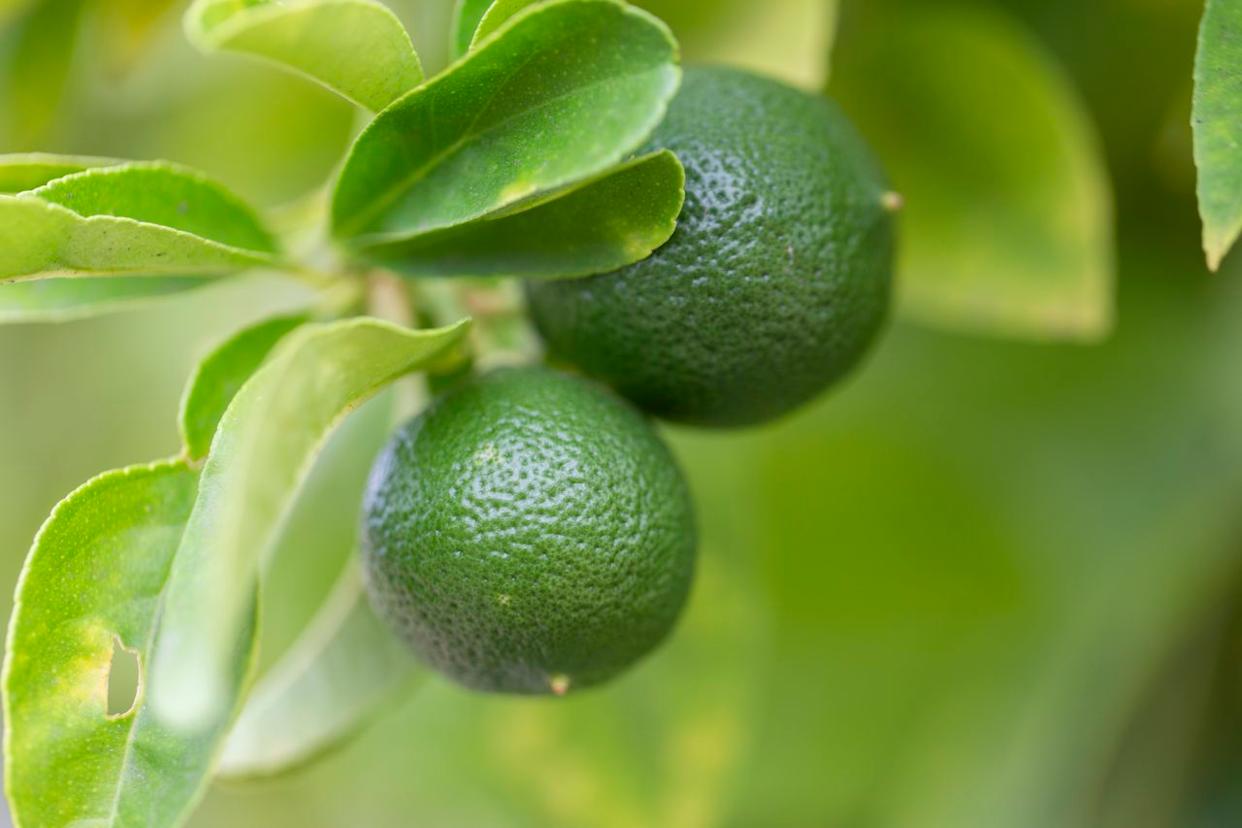
Credit: Getty / Jennifer A Smith
Another plant that requires a higher level of maintenance is the dwarf Persian lime tree. It’s more sensitive to cold, and can take several years to produce its first fruit. “You’ll need to use a citrus fertilizer during the growing season,” says Janney. “Then, pinch the leaves to encourage the plant to focus on giving energy to its blooms and fruit.”
However, even with a few challenges, the tree’s aromatic scent and abundance of delicious fruit might just make it worth your while.
Growing Zones for Containers: 2 to 7
Size: 3 to 6 feet in containers
Growing conditions: Full sun with southern exposure; well-draining soil; less frequent, deep watering with moist air (humidifier recommended)
Related: How to Grow a Lime Tree Indoors for Fresh Citrus Any Time, According to Gardening Experts
08 of 08
Arbequina Olive Tree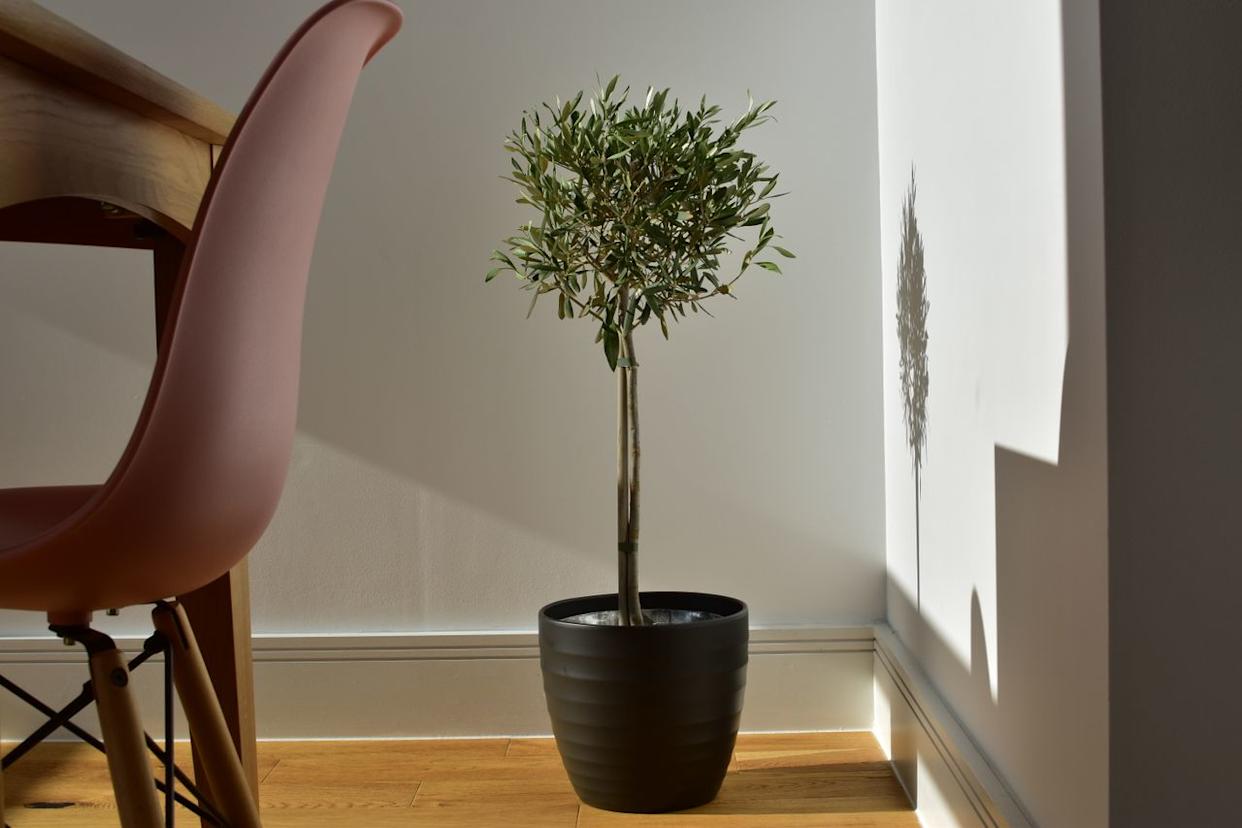
Credit: Getty / EyeEm Mobile GmbH
Olive trees make for trendy home décor, but they’re also more sensitive to heat than citrus trees and need less water. “Not all dwarf olive trees bear fruit,” warns Janney. “However, the Arbequina is one of the easiest.”
This Spanish evergreen is self-fertilizing and the most tolerant variety to cold. You’ll want to use cactus or sandy soil if you plant it in a container—and don’t expect it to produce fruit for two to three years.
Growing Zones for Containers: 7 and lower
Size: 8 to 10 feet in containers
Growing conditions: Full sun; sandy, well-drained soil; keep consistently moist (but not overwatered) during the growing season
Read the original article on Martha Stewart
Comments are closed.