
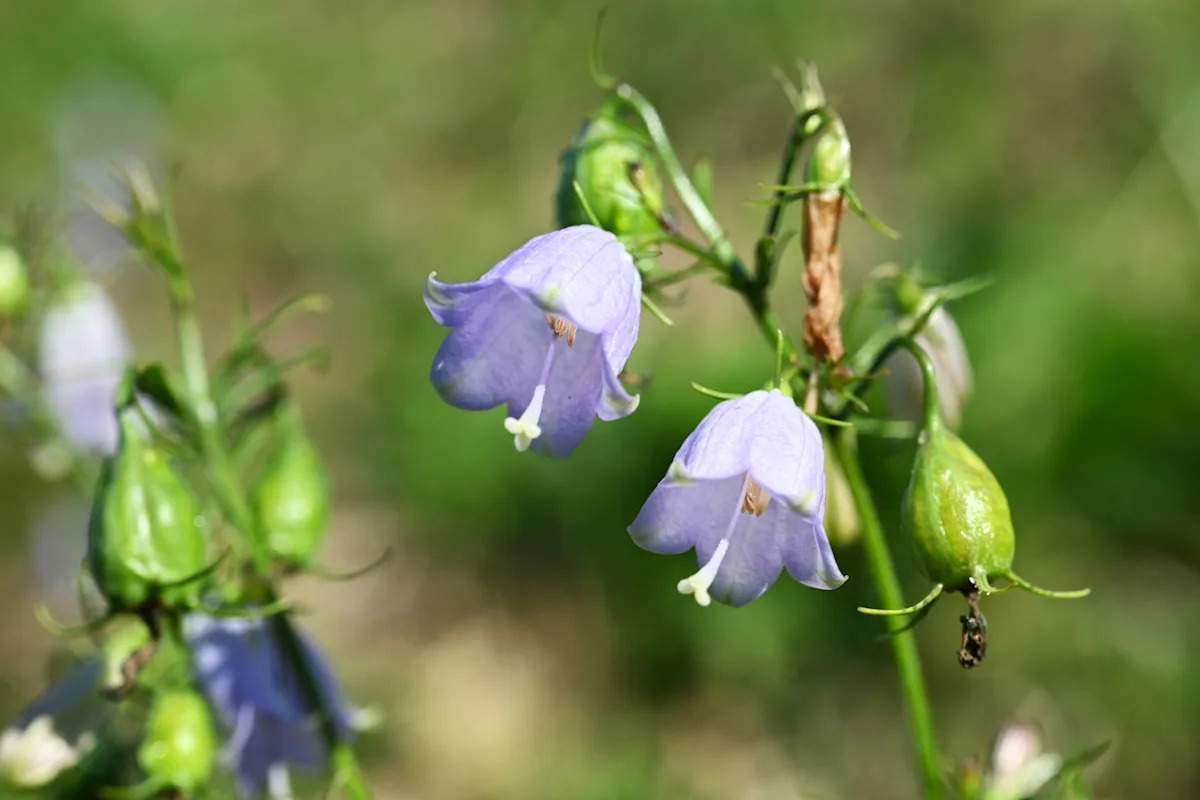
You don’t have to fight off aggressive plants to enjoy a lush and inviting shade garden. With the right perennials, even the dimmest corners of your yard can flourish with color. These hardy selections thrive in low-light conditions, transforming shaded areas into vibrant, eye-catching spaces.
If you’ve been hesitant to plant perennials in the shadier parts of your garden, these choices will change your mind. These hardy plants thrive without direct sunlight, bringing rich foliage and colorful blooms to areas where other plants might struggle. Their striking blooms and lush foliage prove that a lack of direct sunlight doesn’t mean sacrificing beauty.
Lenten Rose (Helleborus spp.)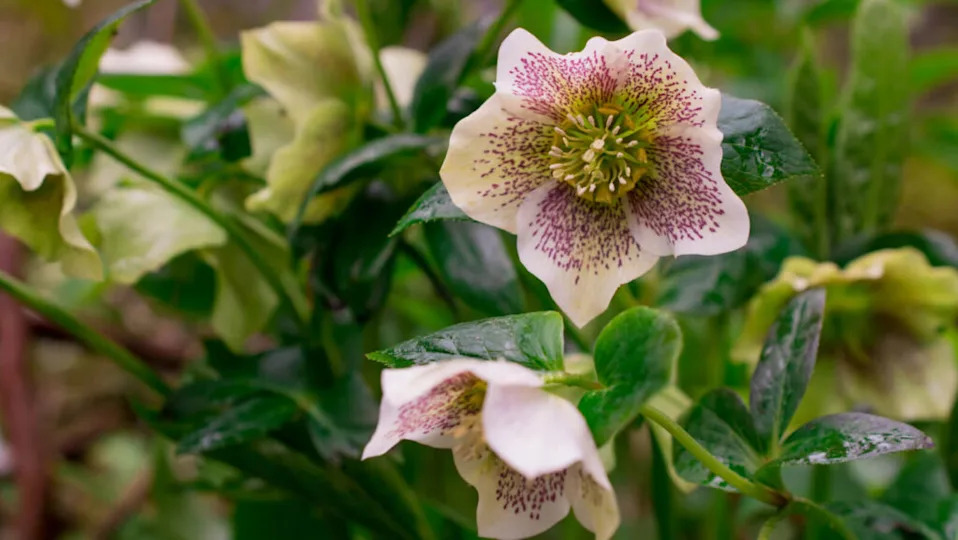
Image Credit: Deposit Photos
One of the earliest perennials to bloom, Lenten Rose brings welcome color to the garden in late winter and early spring. Its cup-shaped flowers range from white and pink to deep burgundy. Resistant to deer and drought once established, this long-lived perennial thrives in partial to full shade. Zones 4-10.
Hybrid
(Astilbe x arendsii)
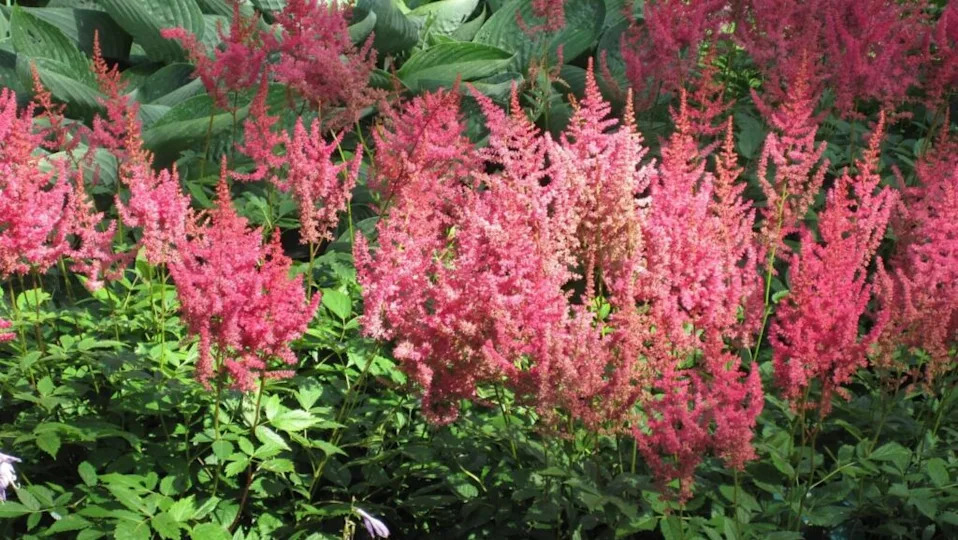
Image Credit: Dinkum, CC0, via Wikimedia Commons
Astilbe is a showstopper in the shade garden, offering feathery plumes of pink, red, purple, or white flowers that rise above its delicate, fern-like foliage. These perennials are perfect for brightening up darker corners, and their long-lasting blooms attract pollinators like bees and butterflies.
Though they appreciate consistent moisture, once established, they require little upkeep. Their clumping nature prevents them from spreading aggressively. Zones 4-9.
Ladybells (Adenophora spp.)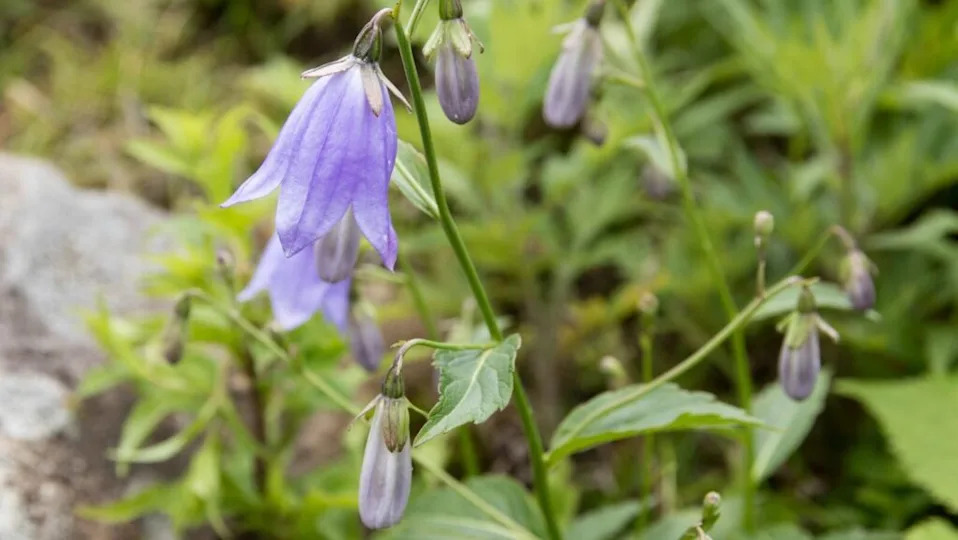
Image Credit: Σ64, CC BY 4.0, via Wikimedia Commons
Ladybells are a delightful addition to any shaded space, offering graceful, bell-shaped blooms that sway atop slender stems. These perennials provide a soft, romantic feel while thriving beneath the canopy of trees or in dappled shade.
Although they spread over time, they do so in a manageable way, making them an excellent choice for filling bare spots without becoming overwhelming. Their resilience and low-maintenance nature make them a reliable favorite in Zones 3-9.
Jack in the Pulpit (Arisaema triphyllum)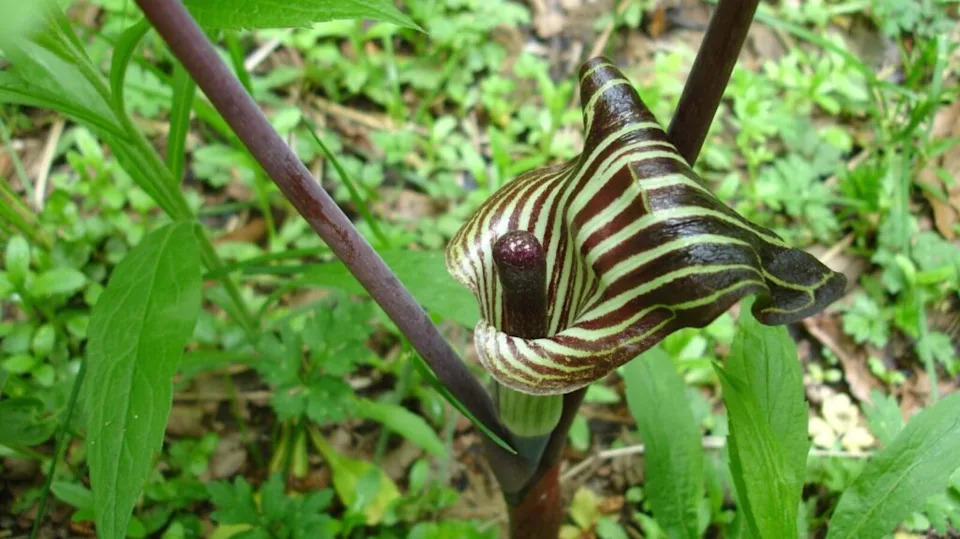
Image Credit: IvoShandor, CC BY-SA 3.0, via Wikimedia Commons
A true woodland treasure, Jack-in-the-Pulpit adds an intriguing architectural element to shaded gardens. Its unusual hooded flower structure, resembling a preacher’s pulpit, makes it a conversation starter.
Thriving in moist, humus-rich soil, this perennial requires little care once established. Over time, it can naturalize in woodland settings but does so without becoming invasive. It pairs beautifully with ferns and other native shade plants. Zones 4-9.
Hardy Begonia (Begonia grandis)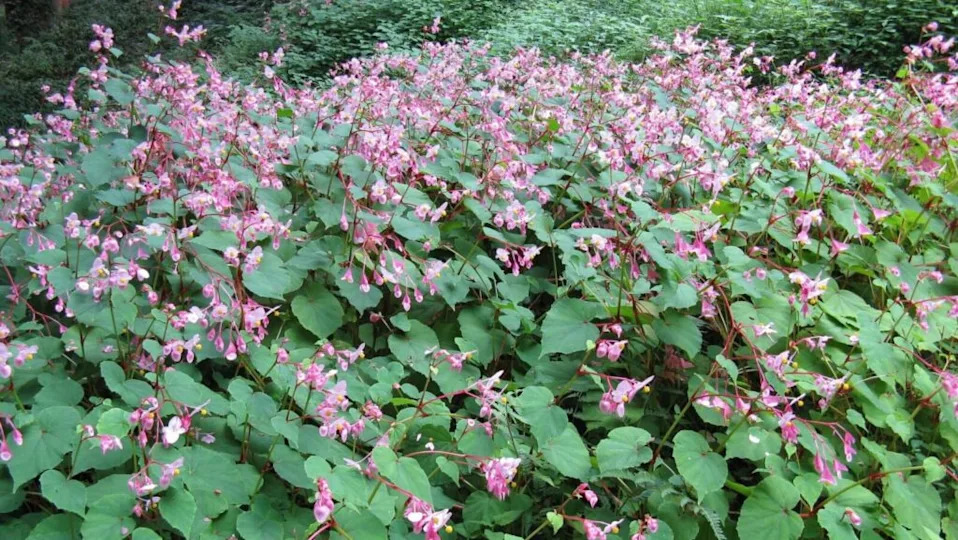
Image Credit: KENPEI, CC BY-SA 3.0, via Wikimedia Commons
Hardy Begonia thrives in the shade with its heart-shaped leaves and delicate, dangling pink or white flowers. Unlike its tender cousins, this perennial variety can withstand cooler temperatures, making it a great option for Zones 6-9 gardeners.
It enjoys rich, well-draining soil and appreciates some humidity. Over time, it will self-seed, but its spread remains manageable, especially with occasional thinning.
Turtlehead (Chelone obliqua)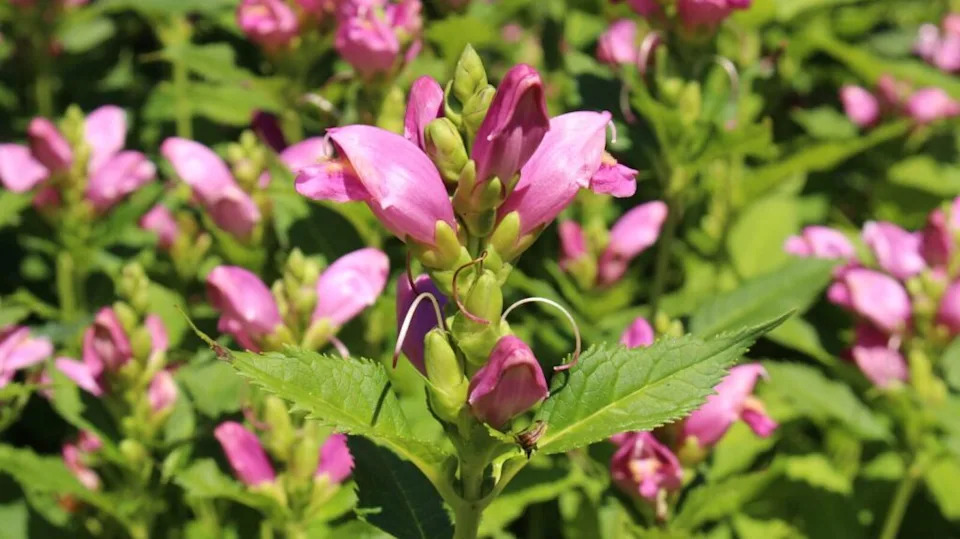
Image Credit: Deposit Photos
Named for its distinctive blossoms that resemble a turtle’s head, this perennial brings late-season color to shaded gardens. Its tall, upright stems are topped with clusters of pink, white, or purple flowers that attract bees and butterflies.
Turtlehead prefers moist soil, making it an excellent choice for rain gardens or areas near streams and ponds. While it will gradually spread, it does so at a controlled pace, forming neat clumps rather than taking over. Zones 3-8.
Japanese Painted Fern (Athyrium niponicum ‘Pictum’)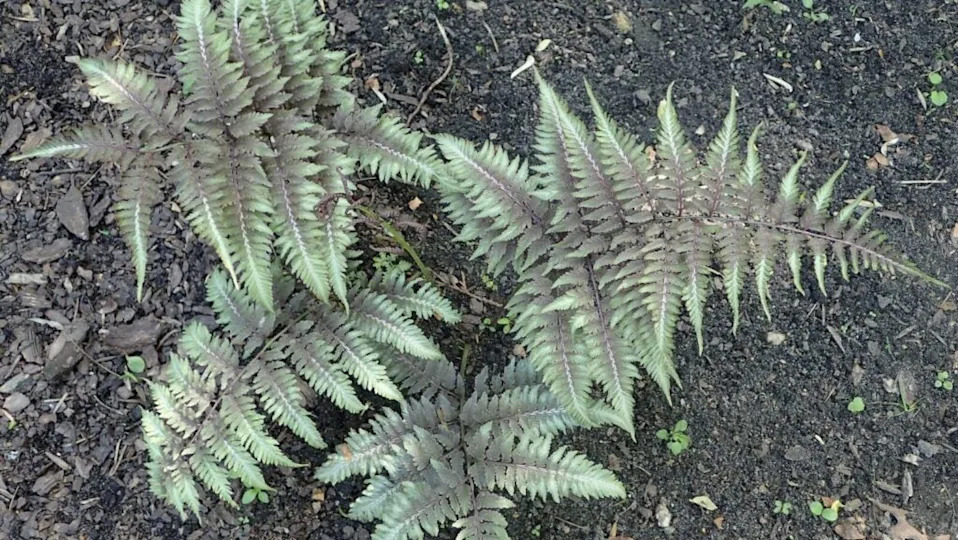
Image Credit: Krzysztof Ziarnek, Kenraiz, CC BY-SA 4.0, via Wikimedia Commons
For a striking foliage option, Japanese Painted Fern is a must-have. Its silvery-green fronds, accented with purple stems, provide a unique contrast to other shade plants.
Unlike some ferns, it remains compact and does not spread aggressively. It thrives in consistently moist, well-drained soil and pairs beautifully with hostas and astilbes. Zones 4-8.
Hostas (Hosta spp.)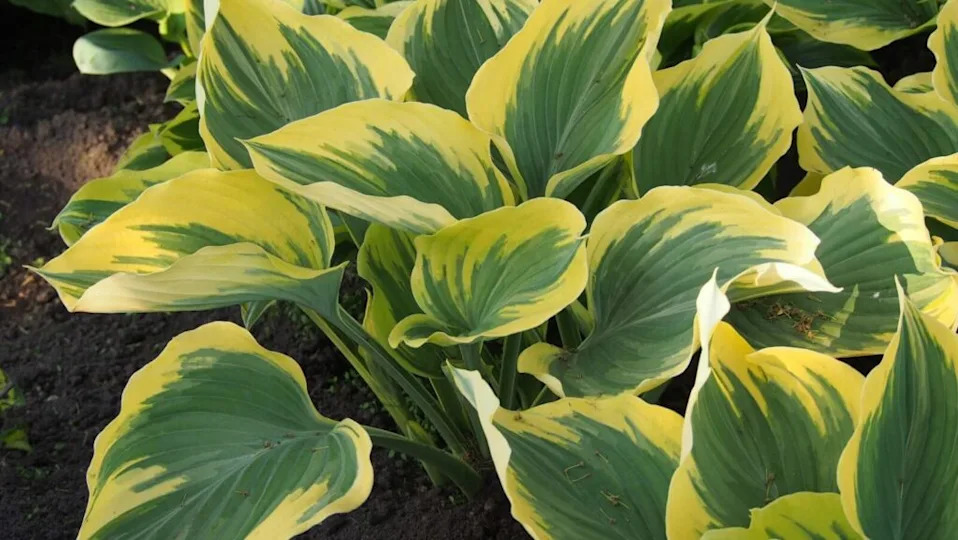
Image Credit: Agnieszka Kwiecień, Nova, CC BY-SA 4.0, via Wikimedia Commons
No shade garden is complete without hostas, prized for their lush foliage in an array of colors, patterns, and textures. While they spread through clumping, they are easy to divide and control. They thrive in well-drained soil and are incredibly low-maintenance, although they may need protection from slugs and deer. Zones 3-9.
Woodland Phlox (Phlox divaricata)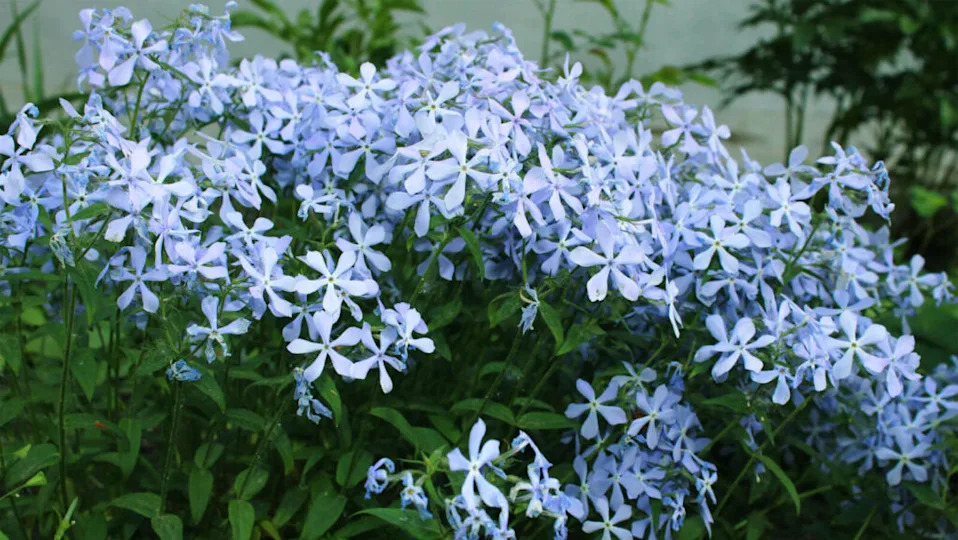
Image Credit: Deposit Photos
Woodland Phlox is a fantastic ground cover that produces clusters of fragrant flowers in shades of blue, purple, and pink in spring. It is well-suited for naturalized areas, shaded borders, and woodland gardens. Unlike its taller, sun-loving relatives, it forms a gentle, spreading carpet without becoming aggressive. Zones 3-8.
Solomon’s Seal (Polygonatum spp.)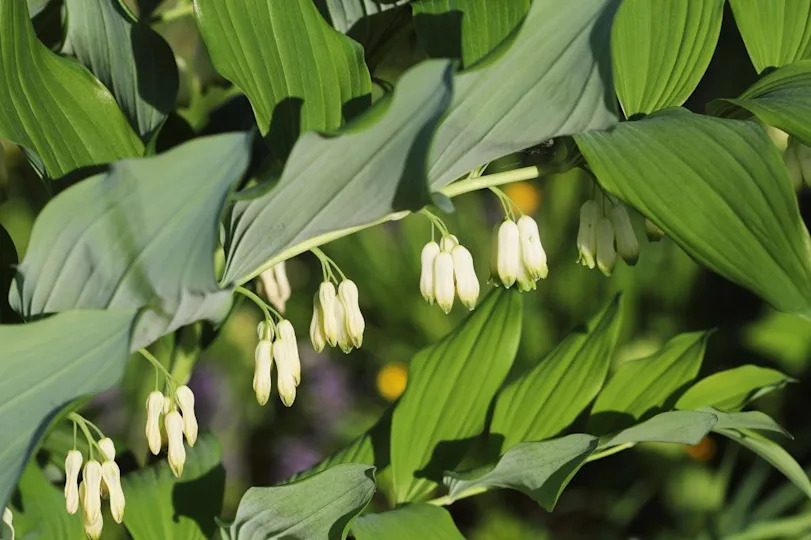
Image Credit: Deposit Photos
Graceful and elegant, Solomon’s Seal features arching stems adorned with pairs of delicate, bell-shaped flowers. It thrives in woodland settings, preferring rich, moist soil. Over time, it forms dense colonies through underground rhizomes, but its spread remains manageable in well-maintained garden beds. Zones 3-9.
Foamflower (Tiarella cordifolia)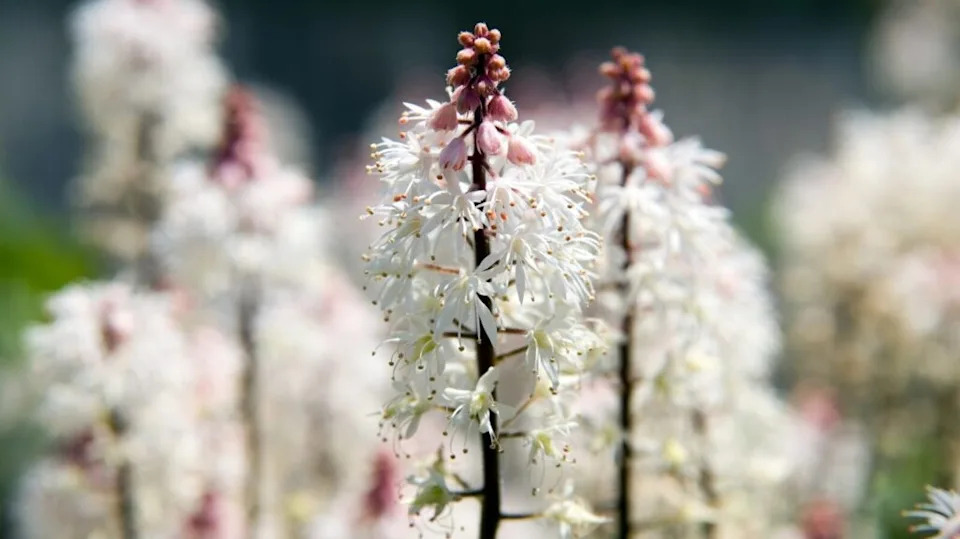
Image Credit: David J. Stang, CC BY-SA 4.0, via Wikimedia Commons
Foamflower is a charming native perennial that forms a soft, spreading carpet of lobed leaves and airy white or pinkish blooms. It thrives in moist, well-draining soil and offers reliable ground cover without becoming invasive. Zones 3-9.
Autumn Fern (Dryopteris erythrosora)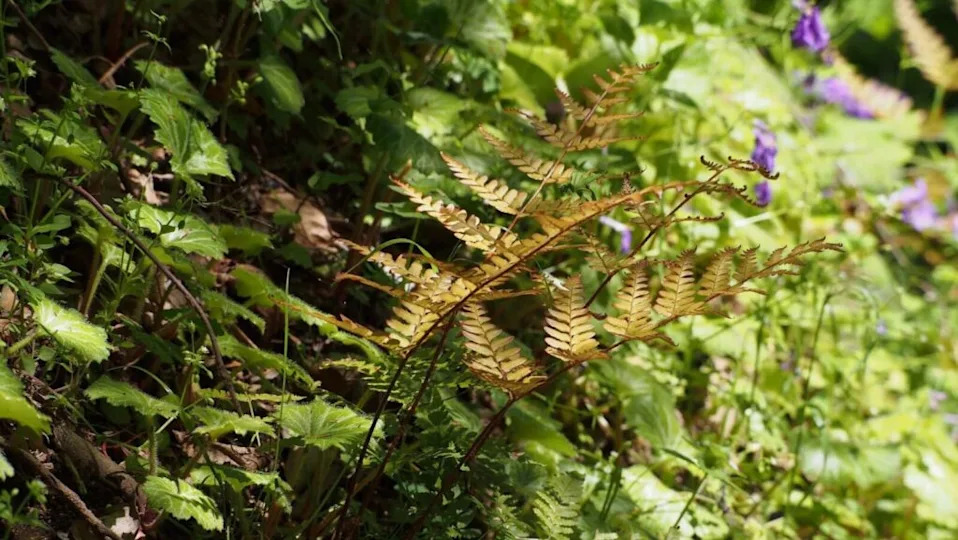
Image Credit: harum.koh from Kobe city, Japan, CC BY-SA 2.0, via Wikimedia Commons
This dynamic fern offers seasonal interest, with new fronds emerging in shades of copper, gold, and orange before maturing to deep green. It remains compact and does not aggressively spread, making it ideal for small garden spaces. Zones 4-9.
Bloodroot (Sanguinaria canadensis)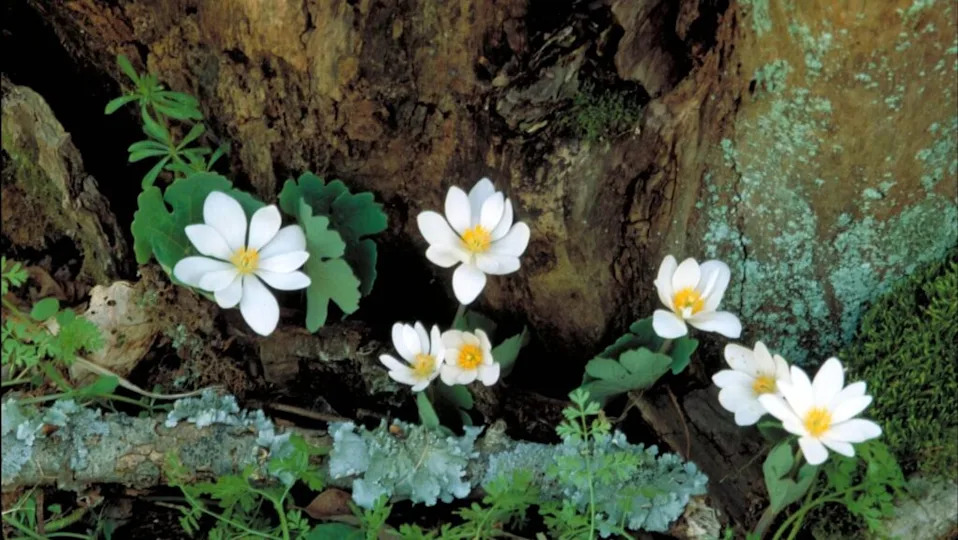
Image Credit: Dr. Thomas G. Barnes, U.S. Fish and Wildlife Service, Public domain, via Wikimedia Commons
A true woodland gem, Bloodroot produces delicate white flowers in early spring, followed by striking gray-green foliage. This native plant spreads slowly through underground rhizomes but does not become invasive. It thrives in rich, moist soil with dappled shade. Zones 3-9.
Spotted Lungwort (Pulmonaria spp.)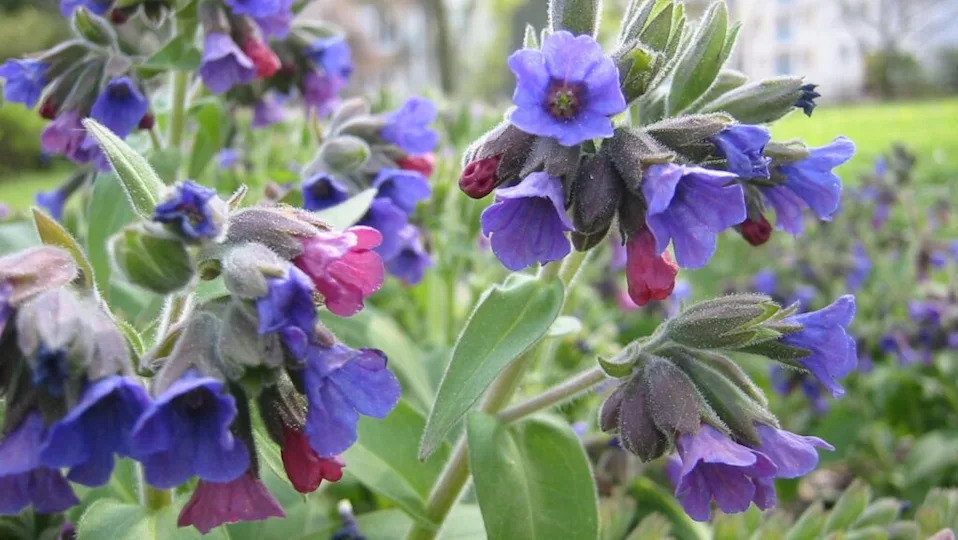
Image Credit: DHochmayr, Public domain, via Wikimedia Commons
With speckled leaves and pink-to-purple flowers, Spotted Lungwort adds texture and color to shaded gardens. It forms a tidy clump and slowly spreads over time, but it is easily controlled. Zones 3-9.
Comments are closed.