
Gardeners are being urged to consider acting now before it is too late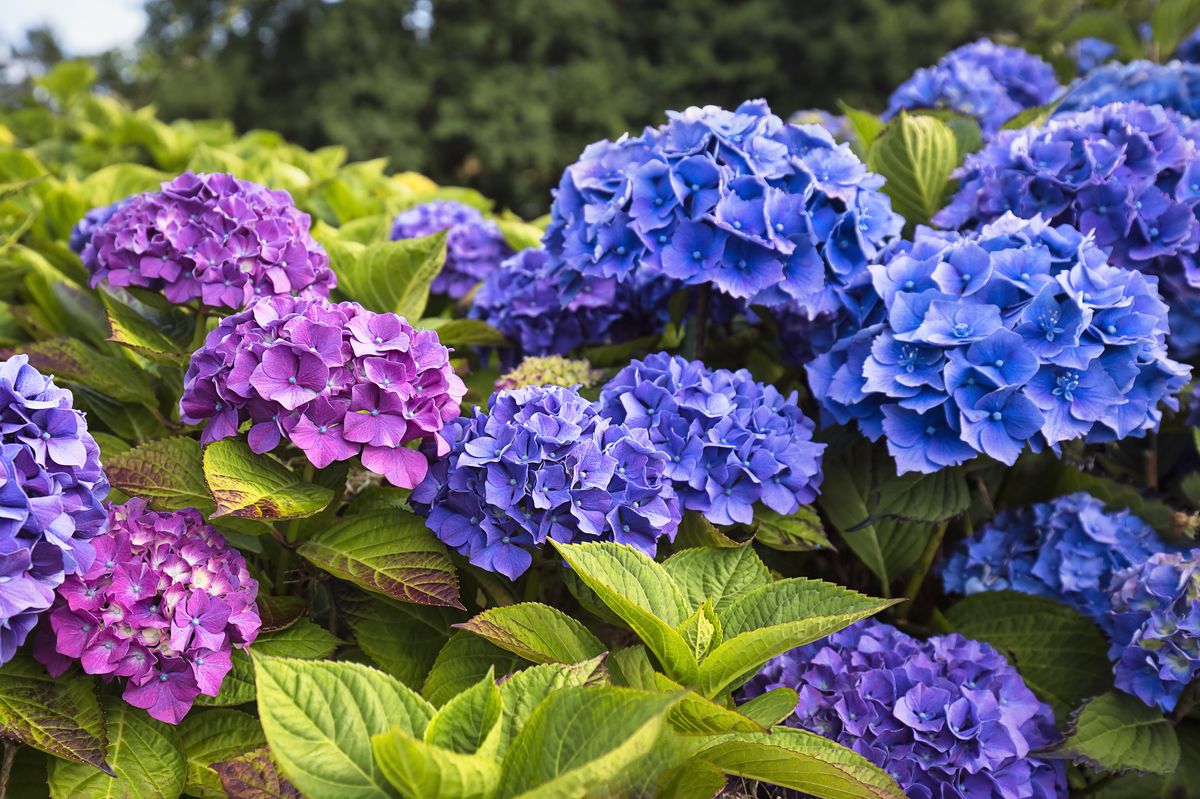
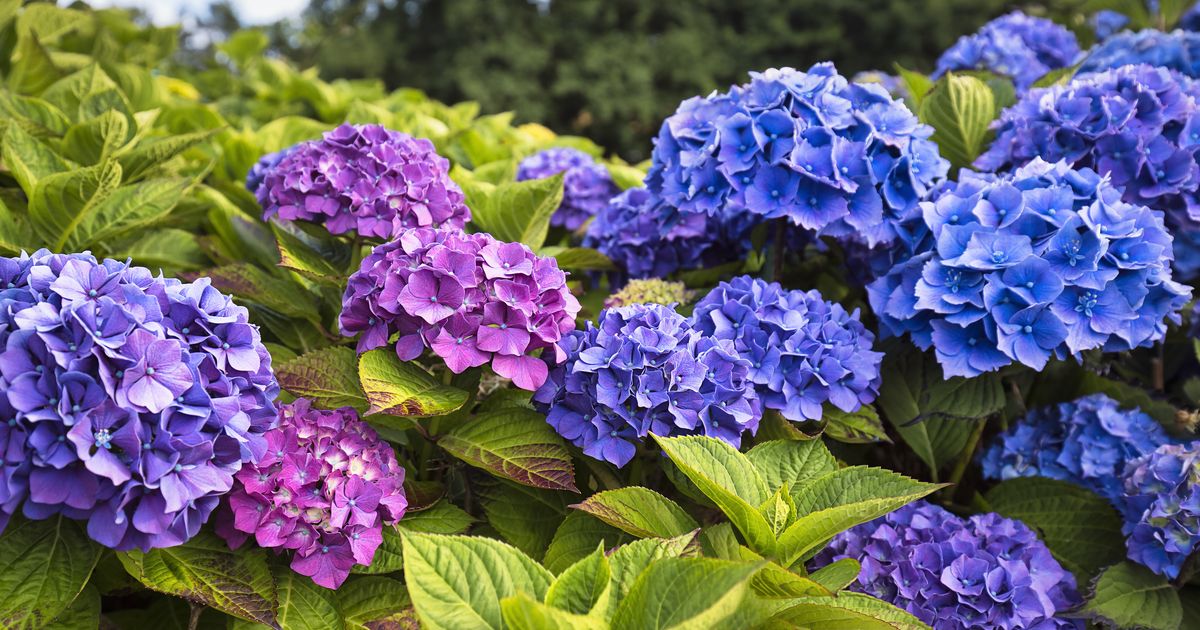
Hydrangeas in full bloom
Gardeners throughout Britain are being advised to keep their secateurs handy for just a little longer. Whilst many believe the pruning period ends after attending to roses, specialists insist there’s a brief yet vital opportunity in late winter and the earliest days of spring to trim back various other well-loved shrubs and fruit plants before new growth truly begins.
Fail to act now, and you could face reduced flowering, diminished yields and straggly, congested plants by summertime. Ali Lijee, horticultural specialist at TreeMend, warns this is precisely where many go astray.
“Once buds start swelling and new growth is visible, you’ve largely missed your chance for proper structural pruning,” Ali said. “Late winter is your last opportunity to shape certain shrubs and fruit bushes while they’re still dormant. If you delay, you risk cutting off this year’s flowers or weakening the plant.”
Ali notes that roses typically command all the attention, yet numerous other species quietly require timely intervention. “People focus heavily on roses in February, which is great,” he says.
“But buddleia, some hydrangeas, and soft fruit like gooseberries and currants are often overlooked. These plants benefit hugely from a late winter tidy-up.”
The importance of getting the timing right is straightforward, reports Devon Live. “When a plant is dormant, it’s under less stress. Pruning now encourages strong, healthy new shoots once temperatures rise. If you wait until the plant is already putting energy into new growth, you’re effectively wasting that energy and setting it back.”
Buddleia need a hard cut now
Buddleia, commonly referred to as the butterfly bush, is one species Ali insists requires severe pruning before spring arrives. “Buddleia flowers on new wood,” Ali clarifies.
“That means the blooms you’ll see in summer grow on shoots produced this year. If you want those big, dramatic flower spikes, you need to cut it back hard now.”
Ali suggests trimming last year’s growth down to approximately 30cm to 60cm from ground level, depending on the specimen’s size and vigour. “It can look brutal,” he acknowledges.
“But buddleia responds very well to a strong prune. If you leave it untouched, it becomes tall, woody and sparse at the base, with fewer flowers at eye level.”
Not all hydrangeas are the same
Hydrangeas represent another area where gardeners frequently err. “The key thing with hydrangeas is knowing which type you have,” Ali stated.
“Hydrangea paniculata and hydrangea arborescens flower on new growth, so they can be pruned now without sacrificing blooms.”
He recommends cutting these varieties back to a healthy pair of buds further down the stem to promote robust new shoots. “However, hydrangea macrophylla, the classic mophead type, flowers on old wood. If you cut those hard now, you could remove this year’s flower buds. With those, you should only remove dead or damaged stems at this stage.”
Ali notes many disheartened gardeners inadvertently eliminate their summer display. “It’s one of the most common pruning errors I see. A little research before you cut makes all the difference.”
Don’t overlook your fruit bushes
Fruit growers stand to benefit just as much as those tending ornamental plants, according to Ali. “Gooseberries and currants should be pruned in late winter while they’re still dormant,” he advises. “If you leave them too late and the sap is rising, you can stress the plant and reduce cropping potential.”
With gooseberries, the goal is to establish an open, goblet-like structure. “You want good airflow through the centre,” Ali noted.
“Remove crossing branches and any low stems that will drag fruit onto the soil. This helps reduce disease and makes harvesting much easier.” Blackcurrants require a somewhat different technique. “Blackcurrants fruit best on younger wood,” he points out.
“So you should remove some of the oldest stems right down to the base each year. That encourages fresh shoots, which will carry the best fruit.”
Meanwhile, red and white currants respond better to trimming back side shoots whilst preserving a more organised framework. “Each fruit bush has its own pruning style,” Ali noted. “But the common thread is timing. Late winter is when you can shape them properly without interrupting active growth.”
Ali reckons this window is frequently overlooked because gardens remain relatively dormant. “In March, everything still feels quite subdued,” he observed. “But beneath the surface, plants are preparing to burst into growth. A well-timed prune now channels that energy into the right places.”
He also emphasises that pruning enhances plant wellbeing, not merely aesthetics. “Opening up shrubs allows light and air to circulate. That reduces the risk of fungal diseases, which are common in the UK’s damp climate. It also prevents overcrowding, which can sap a plant’s strength.”
Comments are closed.