
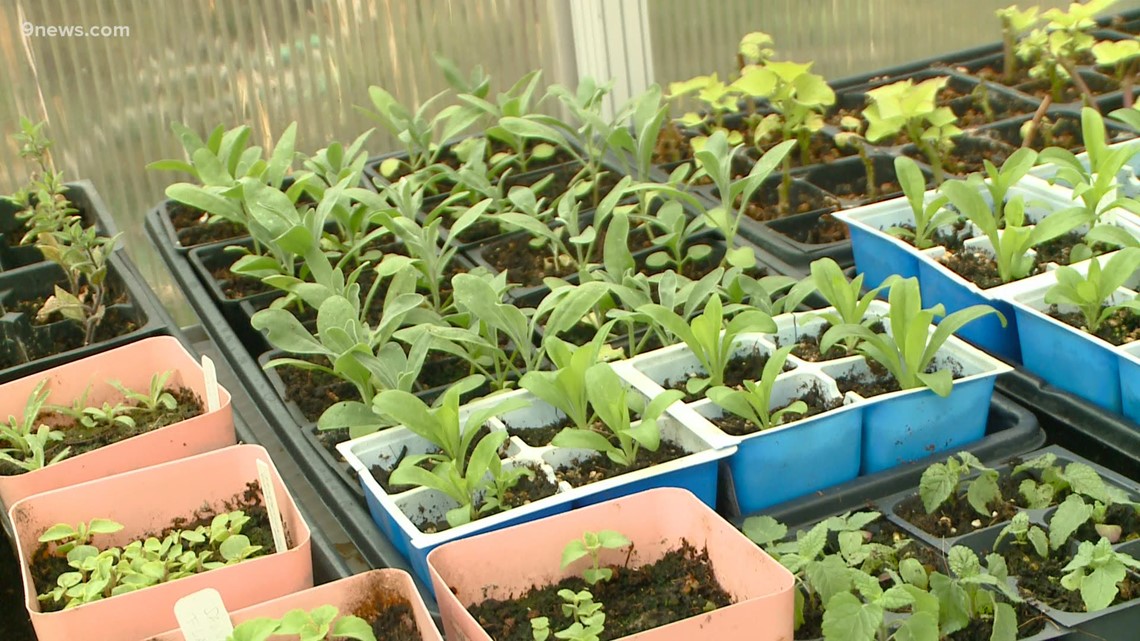
Preparing a garden for spring is more than just cutting back perennials. Organizing and timing seed sowing is crucial, especially for Denver’s unpredictable frost.
DENVER — Even though I’m tempted to start cutting back my perennial beds, I’m not doing it yet. Even in their freeze-dried state, the border perennials provide habitat for birds and host cocoons of butterfly and ladybugs nests.
Instead, I’m going through all the seeds I’ve ordered this winter. They need to be organized and a schedule made.
Seed packets come with instructions. The most important part is the “when.”
The packets tell us how soon before the last average frost they should be sown, which in the Denver metro area is about May 10.
Many annuals take six to eight weeks to develop before they’re big enough to plant outside. Others take much longer. So read the packets.
We plant some flowers and vegetables long before May 10. These cold-hardy plants can withstand some cold temperatures. I’ll be starting lettuce and spinach soon to plant out in late March or April.
Other cold-hardy annuals include pansies, radish, beets, kale, dusty miller and dianthus. I sow beets and radishes directly in the ground. California poppies, larkspur and bachelor buttons seeds should also be planted in the ground. Don’t wait on the latter three; they germinate best in winter.
If you start seeds too early, you’ll end up with a tangled mess of plants with spindly stems. This often happens with tomatoes. Organize your seed packets and don’t rush it.
Comments are closed.