
Credit: Shutterstock / dewa_muji
As the first plants poke out of the soil each spring, so do this season’s earliest pests. The cool weather of spring might keep some insects at bay, but others can threaten your early-season garden as soon as you start planting. It’s a good idea to know all the pests you are up against in early spring to ensure your young, vulnerable, and expensive new plants are protected.
Some of the most common garden pests that start appearing in early spring include aphids, snails, and slugs. Flea beetles, caterpillars, and wireworms are also early-season insects that can harm your garden. In addition to protecting your garden against insects, do all you can to keep rodents and birds at bay when your plants and seeds are still developing.
Before you start preparing for your spring garden, become familiar with all the dangers your plants will face. Not only should you consider temperature, sunlight, and soil conditions, but also potential pests. Below is a list of common garden pests that start showing up as soon as the ground thaws, and several ways you can help keep these plant-eating creatures out of your garden.
Nine Garden Pests You Should Watch Out For In Early Spring1. Aphids
Aphids are one of the most common and potentially hazardous garden pests. These sap-sucking insects multiply rapidly, and they can take over a garden if left unchecked. Aphids start appearing in gardens as soon as new plants begin to sprout in the early spring. Since these pests become more dangerous and plentiful the longer they go unchecked, it’s crucial you keep an eye out for them as soon as you establish your spring garden. When you get these tiny bugs under control quickly, your young plants have a much better chance of thriving.
2. Slugs
Slugs are another very common garden pest that can do serious damage to new plants in the spring. These notoriously slimy creatures lay eggs in the fall that hatch in the spring as soon as new plants shoot up from the ground. Mature slugs can destroy entire plants quickly, which means it’s essential you do all you can to get rid of these pests as soon as you notice them. Slugs are most active at night, so consider bringing a flashlight into your garden if you suspect they are present.
3. Snails
Snails are very similar to slugs because they are also slimy gastropod mollusks that feed off plants in your yard. The main difference between snails and slugs is the signature shell snails have. If you see snail shells in your garden as you start working the soil this spring, then you must be extra diligent at keeping these pests out of your garden. Like slugs, they appear at night and can quickly consume seedlings.
4. Flea Beatles
There are all sorts of beetles that crawl around your garden throughout the year. Some of these bugs are harmless, while others, including flea beetles, can cause serious damage to your garden. The beetles are small and are most commonly spotted in gardens in the spring. They feed off vegetable plants, and often leave holes and damaged leaves in their wake. Young plants are particularly vulnerable to these small pests, as they are not yet resilient enough to withstand the constant nibbling.
5. Caterpillars
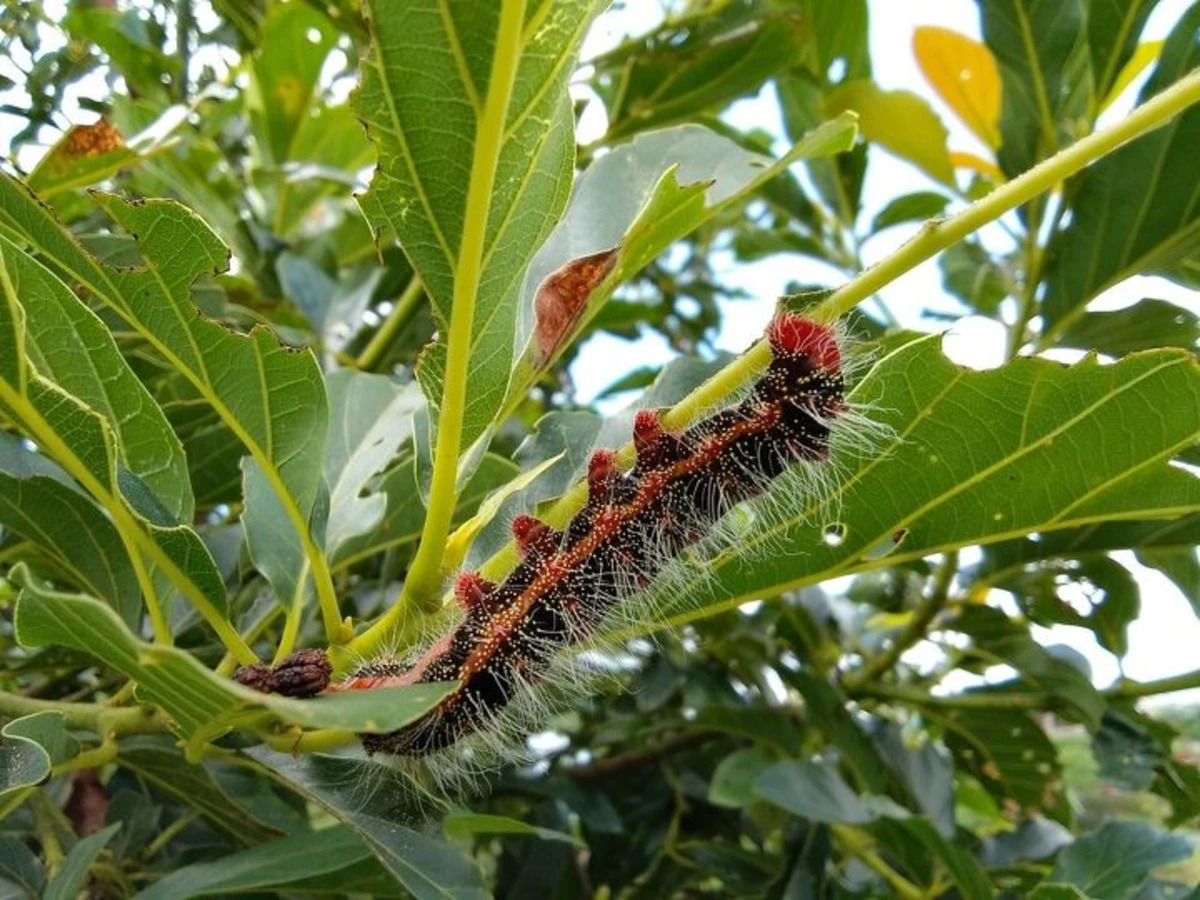
Caterpillars turn into beautiful butterflies, but before this metamorphosis occurs, these wormlike creatures can wreak havoc on your garden. The insects are quite common in the spring, and while butterflies are great pollinators for your garden, caterpillars are the opposite. They have notoriously big appetites and will quickly eat through leaves and destroy portions of your garden. When you see a caterpillar in your garden, relocate it to a plant far away from your garden beds.
6. Wireworms
Wireworms are not worms, but click beetle larvae. They live in the soil and first appear in the early spring. The larvae are very active and hungry. They can quickly ruin root vegetables, including potatoes and carrots. They also feed on seeds and tubers, which means they can destroy a garden before it ever has a chance to grow.
7. Wasps
Wasps are often misunderstood. While they pack a powerful and painful sting, they are also effective pollinators and often beneficial to your garden. If, however, you have been stung by these insects on your property and you have more than enough pollinators in your garden, you’ll want to keep wasps to a minimum. They return each spring and can be a problem for those who spend hours outdoors gardening during this time of year. Therefore, you must take steps to reduce the risk of wasps in your yard, especially if they’ve been an issue in the past.
8. Rodents
Insects aren’t the only pests that can destroy your spring garden. Rodents also become active and start causing problems as soon as the ground thaws. These furry pests can dig holes in your garden beds, eat your recently planted bulbs, and even eat several of your freshly planted seedlings. Some rodents to watch for include mice, gophers, and chipmunks, though the exact rodents you encounter may vary by region.
9. Birds
Birds are a particularly tricky garden pest to control. On one hand, some birds are great pollinators and help a garden thrive. Other birds, however, can eat your freshly-planted seeds, and start pecking at ripening produce when it’s still on the vine. If you sow seeds directly into the ground in the spring, your garden is particularly vulnerable to birds, and you should take extra precautions to keep them out of your garden this spring.
Ways To Keep Early Spring Pests Out Of Your Garden1. Use Mesh Or Wire To Keep Pests Out
Protective mesh is one of the best ways to keep various pests out of your garden. Garden mesh comes in various sizes and is made of different materials. If you want to keep birds and rodents out of your garden, use wire mesh around specific plants or your entire vegetable garden. For smaller insects, consider covering young, vulnerable plants with insect mesh to keep out most spring bugs and give your seedlings a chance to grow strong.
2. Add A Fence To Your Vegetable Garden
A fence is a great way to keep out larger pests. Several types of fencing deter rodents, birds, deer, and even snails. A fence can also be aesthetically pleasing and create defined borders, which are helpful for landscaping.
3. Consider Raised Beds
Raised beds have many benefits, one of which is your ability to keep most spring garden pests at bay. Slugs and snails are less likely to enter raised beds, as are most spring insects and rodents. You can also control the soil and easily monitor the moisture levels in raised garden beds.
4. Add Crushed Egg Shells Or Diatomaceous Earth To Soil
Adding crushed eggs or diatomaceous earth to the soil can help protect your garden from several spring pests. The sharp edges of these two products will quickly send slugs and snails looking for safer ground. They also help keep ants and other small invertebrates away. Egg shells are products you usually have in the house that double as plant food, while diatomaceous earth can help with soil drainage.
5. Inspect Your Plants Regularly
One of the best ways to stay one step ahead of spring pests is to regularly inspect your garden. If you see leaves with holes, this is a sign of one or more garden pests. Inspect underneath leaves, as this is where aphids and other insects hide. Check the garden at night as well, since snails and slugs are more active when it’s dark. If you notice any pests, identify them and remove them from your garden quickly.
Final Notes On Garden Pests That Appear In Early Spring
Spring is a period of rebirth, but not only for plants. It’s also a time when various pests return to your yard, and if left unchecked, they can decimate a garden before it has a chance to grow. To best protect your garden from pests this spring, it’s important to know the most common pests you’re likely to encounter during this season.
Slugs, snails, flea beetles, and aphids are very common in the spring, as are various species of rodents and birds. Caterpillars and wireworms can also damage a garden if left unchecked. To help keep these pests at bay, you should inspect your garden regularly, install netting around your plants, and consider raised beds to increase protection and control these pests.
Related Guides:
Comments are closed.