
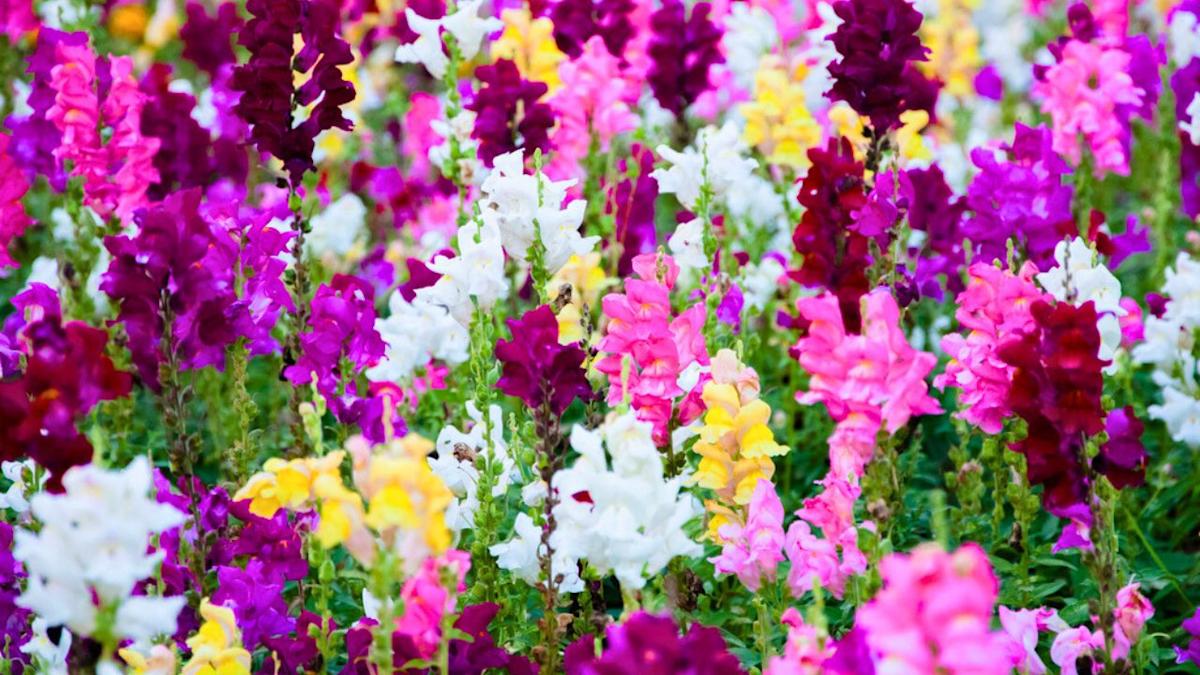
There’s a quiet window just before spring truly arrives: when there are a few cool weeks, the soil is workable, and the air still carries a chill. This is the moment seasoned gardeners use to start annuals that will burst into bloom weeks before everyone else’s.
Hardy annuals aren’t simply tolerant of cool temperatures—they actually prefer them. As flower farmer Lisa Mason Ziegler writes in *Cool Flowers*, “Flowers planted during cool weather will become well-established and grow a strong root system long before they are expected to begin performing.” That strong foundation translates into sturdier stems, longer bloom windows, and better resilience against heat, pests, and disease.
Many of these cool-season bloomers can be transplanted before your last frost, often as soon as the ground can be worked. The reward? Early color, stronger plants, and a spring garden that feels lush instead of sparse.
If you’ve ever felt like your garden lags in early spring, the solution isn’t more summer flowers. It’s choosing the right annuals to start now. These are the cool-season standouts you should start now:
Tall & Dramatic: Snapdragons, Larkspur, Foxglove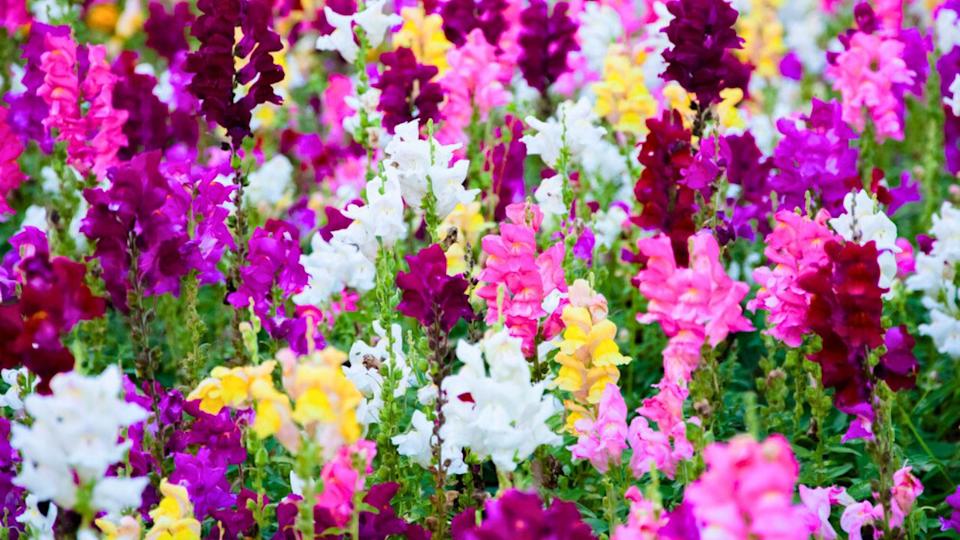
Image Credit: Shutterstock.
If your borders feel flat in early spring, start with vertical interest.
Snapdragons tolerate light frost and don’t mind a little cold, making them ideal for early planting. Their stately spires add height and bold color just when the garden needs it most.
Larkspur is one of the easiest hardy annuals to grow from seed and frequently reseeds itself. Its feathery foliage and jewel-toned blooms bring a romantic softness to fences and borders.
Modern annual foxglove cultivars bloom without requiring a long cold period, offering fairy-tale spires in creamy whites and soft peaches, which is perfect for that cottagecore look without the two-year wait.
Romantic & Cottage-Style: Sweet Peas, Love-in-a-Mist, Stock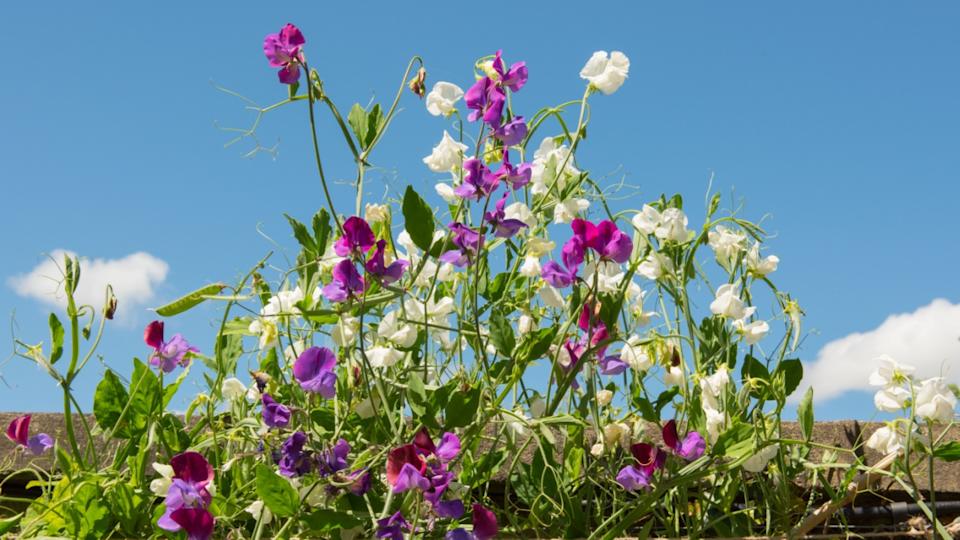
Image Credit: Shutterstock.
For fragrance and charm, few flowers rival sweet peas. These vining annuals bloom in profusion in cool weather, and many varieties are sweetly scented. Starting them now ensures they flower before summer heat shortens their season.
Love-in-a-mist (nigella) is equally enchanting. It produces delicate blooms followed by sculptural seedpods that extend its visual appeal long after petals fall. Because its roots dislike disturbance, it’s often best direct sown.
Stock is another early treasure. Even a single stem “provides a delicious spicy scent” that can perfume an entire bouquet. It tolerates cold beautifully, making it perfect for late winter seed trays.
Low & Lush Fillers: Alyssum, Pansies, Bachelor’s Buttons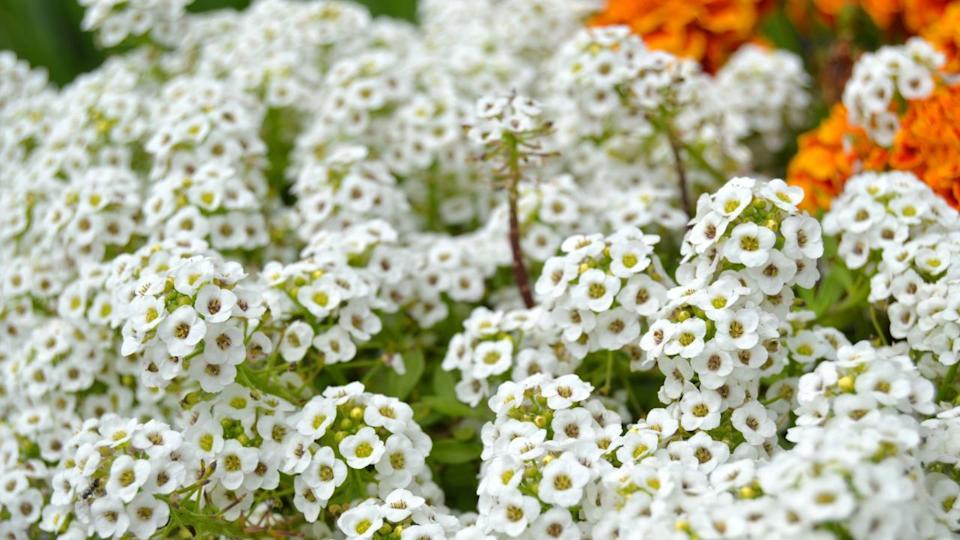
Image Credit: Depositphotos.com.
Every garden needs flowers that knit everything together.
Sweet alyssum forms a honey-scented carpet that spills over edges and blooms from spring to frost with regular trimming. It’s surprisingly drought-tolerant for such a delicate-looking plant.
Pansies and violas are tougher than their sweet faces suggest. Even temperatures in the mid-20s won’t usually kill them once hardened off. They’re colorful, versatile, and even edible.
Bachelor’s buttons are among the easiest cut flowers to grow. They self-seed readily and bloom when much of the garden is still waking up—an effortless way to fill early gaps.
Unexpected & Unusual Picks: Honeywort, Iceland Poppies, Bells of Ireland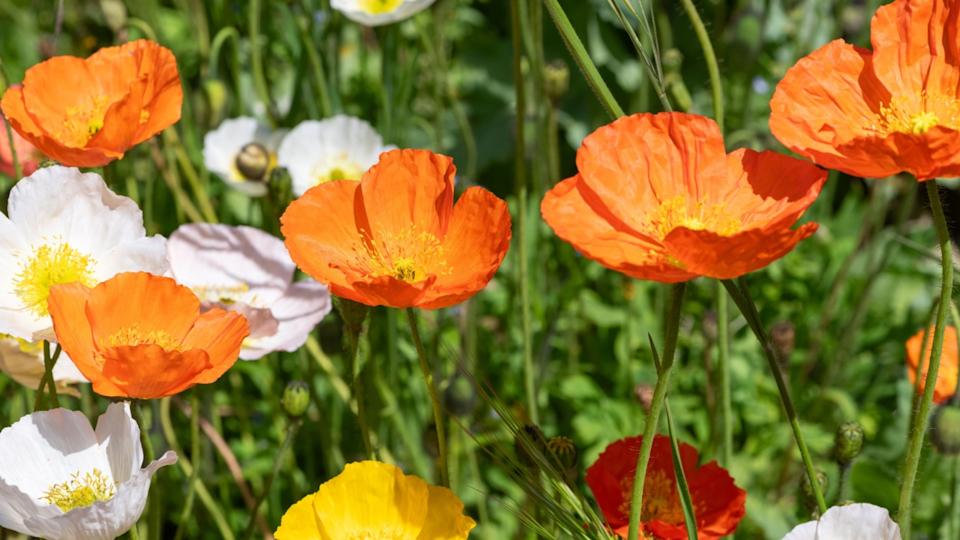
Image Credit: Shutterstock.
If you’re craving something less predictable, try honeywort. Its blue-green foliage and nodding purple blooms offer texture as much as color, and bees adore it.
Iceland poppies bring luminous, silk-like petals and a light citrus scent. Because their seed is tiny and easily washed away, bottom watering is recommended during germination.
Bells of Ireland may require patience. Providing a cold treatment, such as pre-chilling seeds, improves germination. Once established, their tall, apple-green spires make bouquets look lush and architectural.
How to Start Annuals Now (Without Stress)
Image Credit: Shutterstock.
Most hardy annuals should be started 6–8 weeks before your last frost. Some, like larkspur and nigella, prefer direct sowing. Others benefit from indoor starts, which allow you to transplant strong, well-spaced seedlings exactly where you want them.
Even cold-tolerant seedlings will need hardening off. You’ll want to gradually increase their outdoor exposure before planting.
If you’re worried about a late freeze, don’t fear. Watering thoroughly before a cold snap and using fabric row covers (or some other cover during cold nights) can protect your annuals from frost and add about five degrees of warmth.
A Spring Garden That Feels Intentional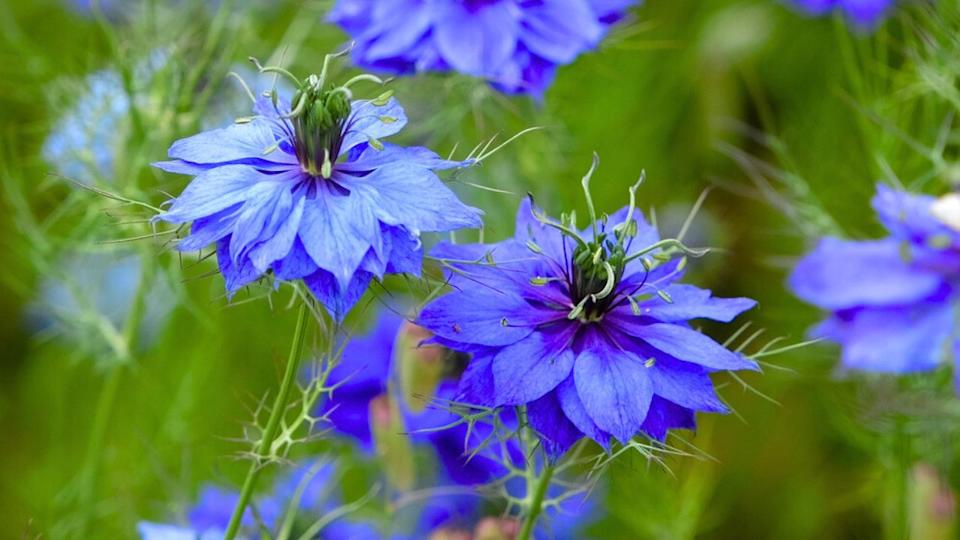
Image Credit: Shutterstock.
By the time your neighbors are just setting out tender annuals, your garden will already be buzzing. Hardy annuals bloom earlier and often draw pollinators before other plants have matured.
Start these annuals now, and by late spring, you won’t just have flowers, you’ll have a garden that feels full, layered, and thoughtfully ahead of the season.
Comments are closed.