
New government report shows extent of deadly Usutu virus which is devastating the population – but gardeners can take 4 measures
11:26, 26 Feb 2026Updated 11:33, 26 Feb 2026
This article contains affiliate links, we will receive a commission on any sales we generate from it. Learn more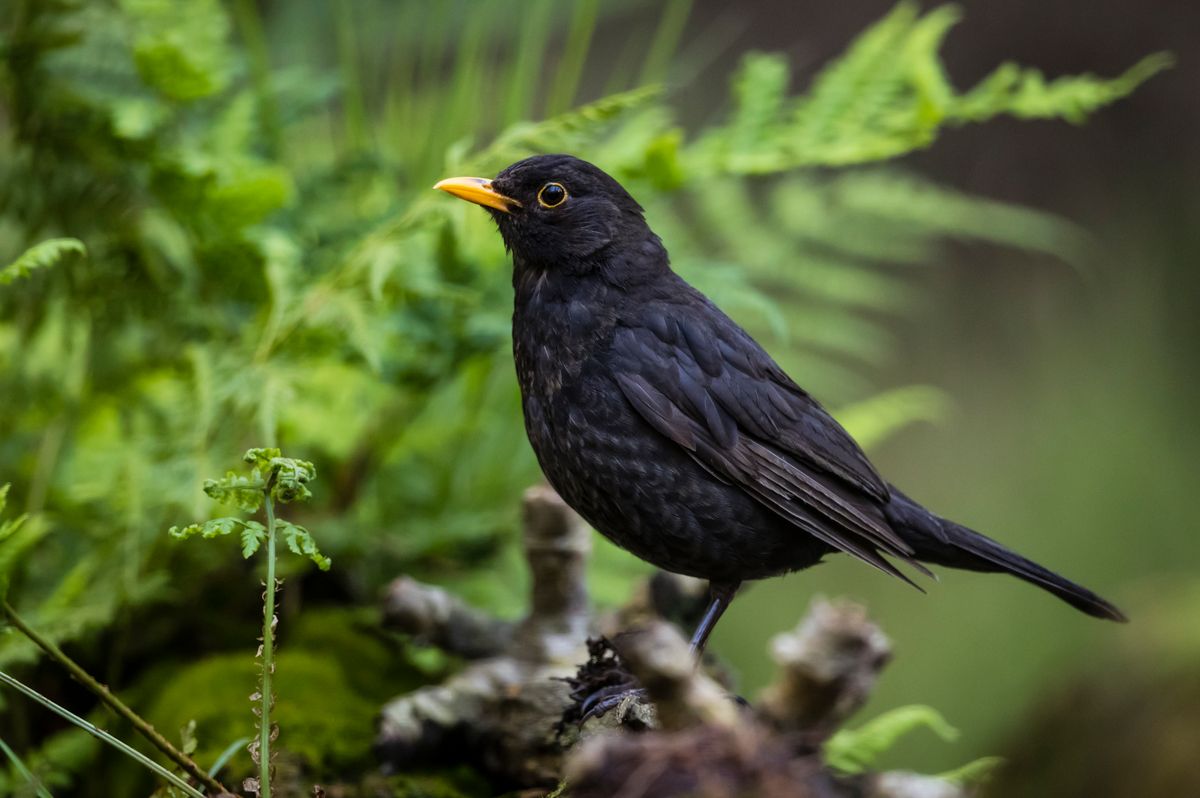
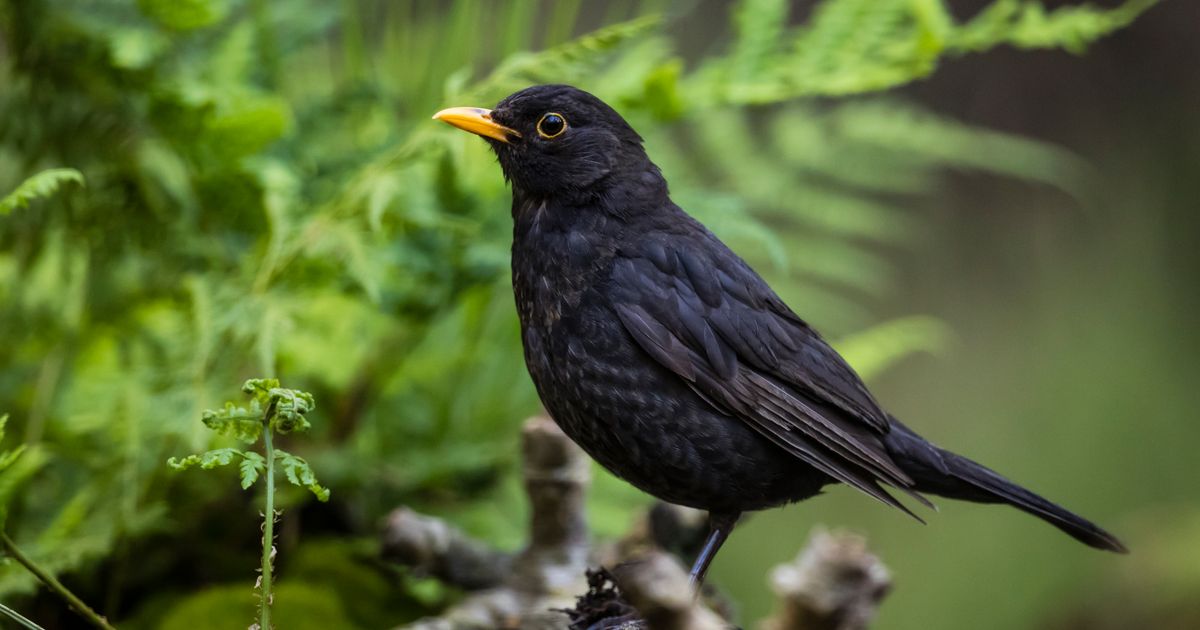
Blackbirds are dying in droves from a killer virus – but gardeners can take action to help them(Image: Getty)
Anyone with blackbirds in their garden has been given an alert to take action now to help – because the much-loved birds are under siege from a killer disease. Homeowners have been given simple advice on how to protect the species which is suffering from the Usutu virus.
The calls come as a recent government investigation found the disease is spreading around the UK after dead birds were tested. In a report, the UK Health Security Agency said the first cases were found in London in 2020. Usutu virus (USUV) was detected in a dead blackbird found in Cambridgeshire, representing the first USUV detection in the UK outside of the Greater London area.
The UKHSA added: “Both blackbirds and great grey owls are highly susceptible to fatal USUV disease.” It said the virus has been discovered in Dorset, Surrey, Hampshire and Kent in 2024 and is believed to be across the south of England now. It said: “Ongoing declines in the highly susceptible blackbird population have continued to be observed in Greater London since 2020 indicating that the virus may still be circulating and having a significant impact within this host species. This is corroborated by repeated USUV detections in blackbirds in Greater London since 2020.”
The disease is spread by mosquitos and the Royal Horticultural Society this month reported that ‘blackbirds are noticeably less abundant in the last few years’. It added: “As the disease spreads, scientists and ecologists are calling on the public for help.”
How you can help blackbirds
There are several things you can do to help reduce the spread of the Usutu blackbird virus. RHS Senior Wildlife Expert Helen Bostock and Senior Ecologist Caitlin McLaughlin shared some top tips.
Minimise unnecessary standing water in your garden where mosquitoes could breed: stand wheelbarrows up when not in use to avoid rainwater collecting, put away any plant saucers when not in use, ensure gutters are kept clear of blockages, and ensure lids are fitted to water butts (this also reduces the risk of wildlife drownings).Wash out bird baths regularly, refilling with clean tap water. Clean and disinfect bird feeders every week to remove any build-up of food and droppings, and sweep the area around and below any bird feeders and tables. Maintaining good hygiene at the feeding area will also help to reduce the spread of other bird diseases such as the trichomonosis that has decimated greenfinch and chaffinch populations.Keep an eye out for unusual behaviour or deceased blackbirds – symptoms include lethargy, weakness, loss of coordination and seizures. You can report signs of disease, or finding a dead blackbird, to Garden Wildlife Health. Although Usutu is not a notifiable disease, meaning it doesn’t officially have to be reported, this will help scientists track its spread. If you need to move or handle a dead blackbird, or nearby feathers or droppings, wear disposable gloves or a plastic bag over your hand and thoroughly wash your hands with soap and water afterwards.Take part in the BTO’s blackbird survey between May and October to report how blackbirds are doing in your garden and help scientists keep track of population numbers. Sign up here.
Comments are closed.