
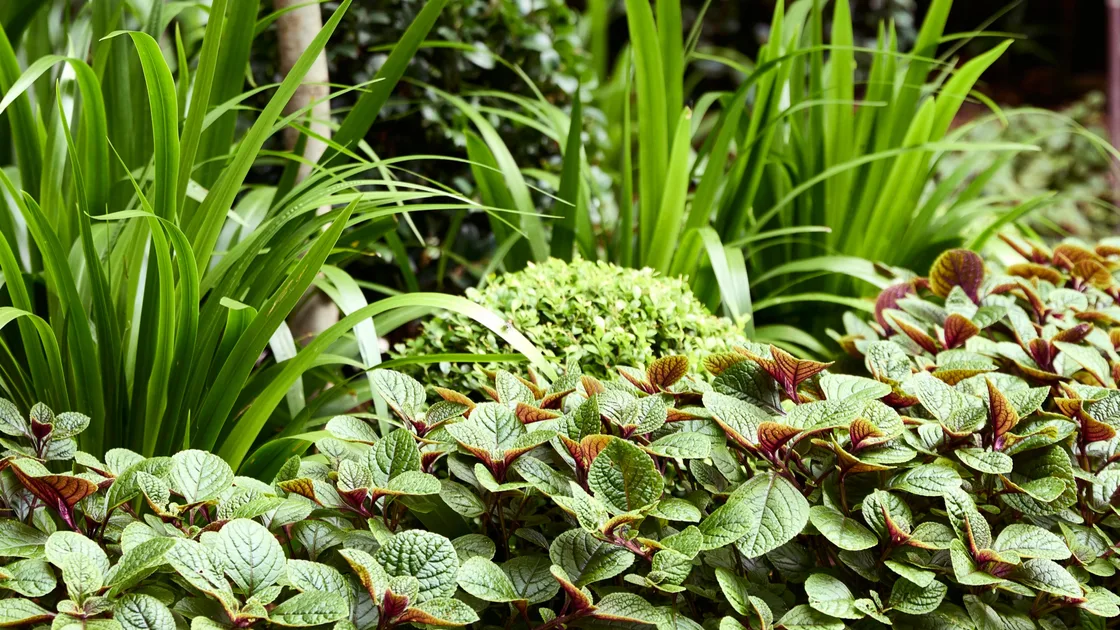
As summer loosens its grip, March arrives with a gentler tone. The extremes soften, the air shifts and we and our gardens begin to recover. After months of heat, sudden downpours and long days spent outdoors, the garden wears the season honestly. Lawns have hosted long lunches and barefoot children; plants have taken the occasional football to the face; pests have arrived uninvited, as they always do. Some things have thrived, others endured. This moment, at the end of summer, is the ideal time to pause and take stock.
I always suggest an unhurried meander through the garden at the beginning of each season. It’s a chance to observe how areas have been used, where things have coped well and where they haven’t. Rather than rushing to add more, I encourage you to edit what’s already there.
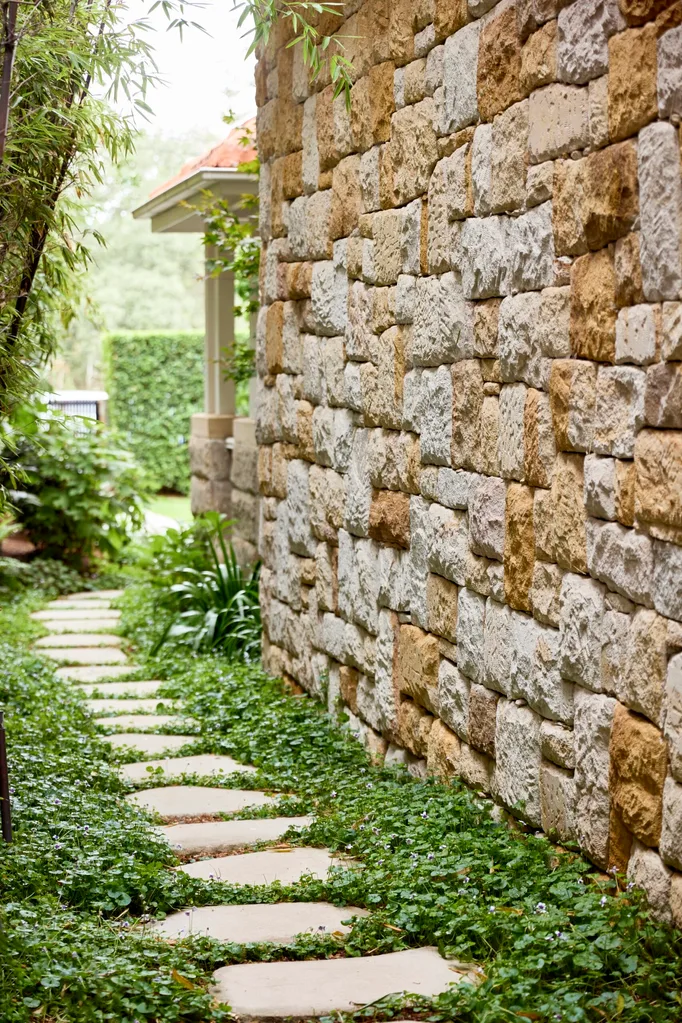
In our Centennial Park, Sydney project, pictured here, we assessed the garden at summer’s end and chose to dig up and divide established perennials, redistributing them to fill gaps. It’s a simple, thoughtful act of regeneration – one that strengthens the garden without introducing anything new. Even the quieter, more functional parts of the garden deserve this same level of consideration. The side passage of this garden was elevated from being simply utilitarian through the use of hand-cut white sandstone steppers paired with native violet (Viola hederacea) groundcover.
 Photography: Georgina Egan
“Gardens, like people, benefit from space and a little reflection.”
NATHAN WHITE, LANDSCAPE DESIGNER
March also invites dreaming. Look for gaps in planting, or areas where screening or shade aren’t quite working as intended. Consider whether something needs to be moved, reduced or let go altogether. Gardens, like people, benefit from space and a little reflection.
And don’t underestimate the power of quick wins. Freshly edged lawns and a thorough weed can make an immediate difference. The process of trimming and shaping topiaries is surprisingly relaxing and rewarding. A high-pressure clean of masonry or paving leaves everything feeling refreshed.
The dawn of each season offers both reflection and anticipation. Autumn, in particular, invites a physical and metaphorical shedding – a slower pace, a welcome shift in deciduous planting and gentle preparation for the winter ahead. Embrace the change.
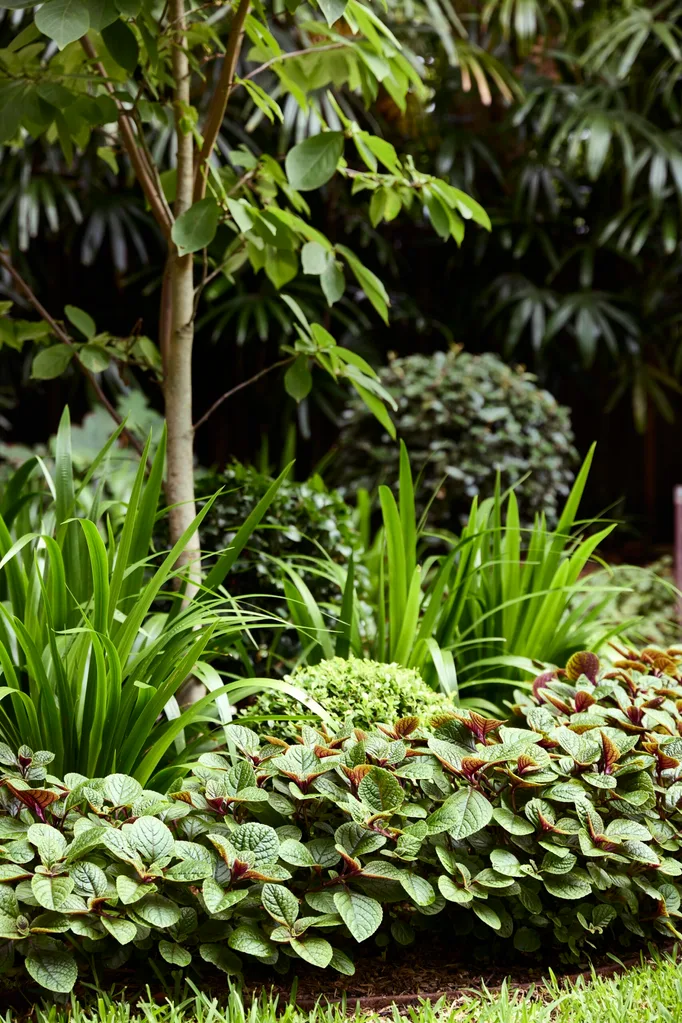 March is the moment to neatly trim buxus balls, define layers and fill gaps with reliable performers, from speckled spur flower (Plectranthus ciliatus) to strappy-leafed Brazilian walking iris (Neomarica gracilis). (Photography: Georgina Egan)
What to do in your garden in March
1. Trim your edges
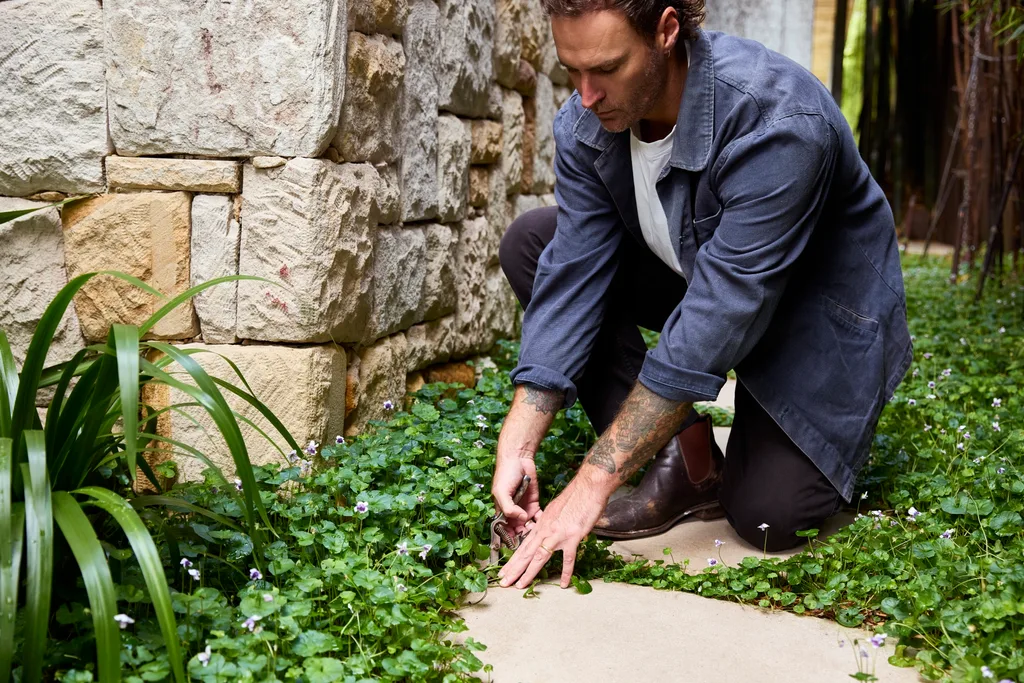
Trim groundcover, such as native violet (Viola hederacea) or kidney weed (Dichondra repens), to expose stepping stones or reveal surrounding plants. This is a simple task that requires little skill, yet delivers excellent results.
 Photography: Georgina Egan
2. Get creative with underplanting
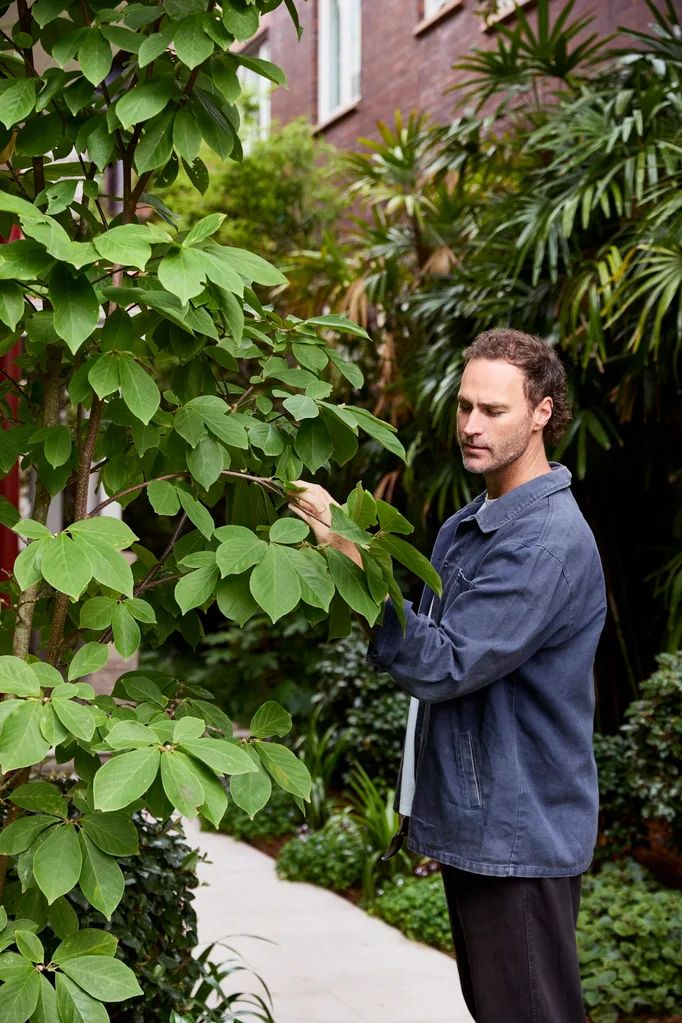
A welcoming statement tree with lush underplanting |is a beautiful way to create a sense of arrival at home. Here, a Magnolia soulangeana (right) is underplanted with topiarised buxus balls (Buxus microphylla japonica), Brazilian walking iris (Neomarica gracilis) and soft groundcovers – speckled spur flower (Plectranthus ciliatus) and kidney weed (Dichondra repens).
 Photography: Georgina Egan
3. Trim overgrown hedges
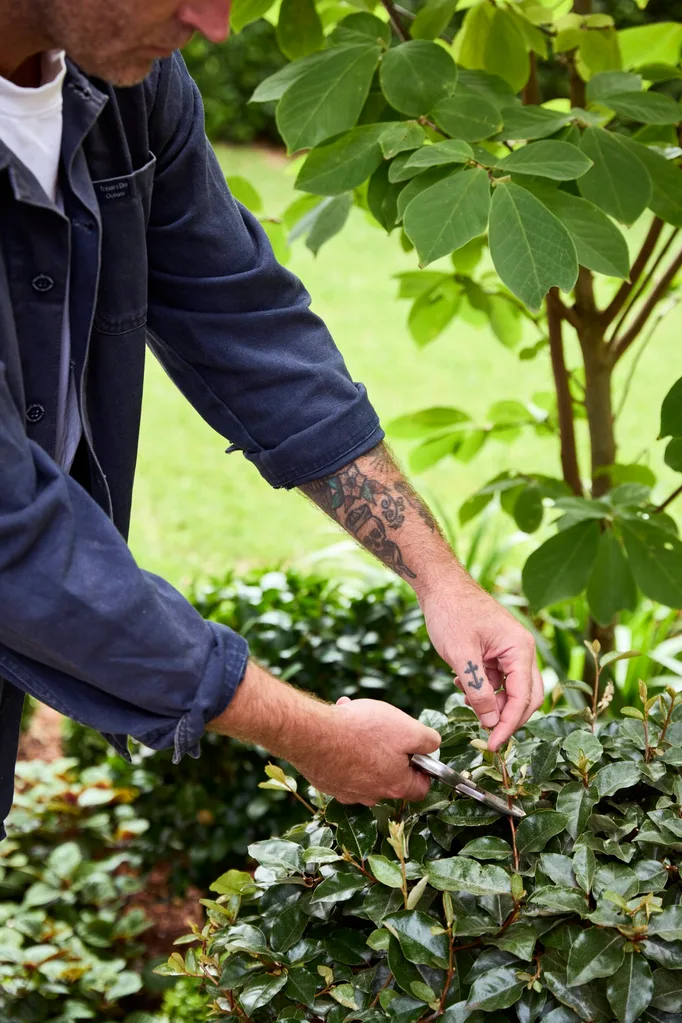
Regular, light trimming of topiary species, such as Elaeagnus macrophylla (right), buxus or camellia, is an excellent way to maintain structure. It also encourages fresh, bushy growth, keeping them tight and flourishing throughout the seasons, particularly after a long summer of rapid growth.
 Photography: Georgina Egan
4. Check for pests
Now is a great time to check on the health of your plants. Take a wander through the garden, inspecting leaves, stems, branches and the base of each plant. Keep an eye out for common summer pests, such as aphids (below), snails, slugs or caterpillars. Many are easy to spot and can be removed by hand, while others, which are harder to see, can be managed with the appropriate pest sprays or treatments. Products such as Eco-Neem or Eco-Oil offer effective solutions, as well as a general-purpose Eco-Fungicide for common fungal issues.
 Photography: Georgina Egan
Learn more:
Smokebush Studio: www.smokebushstudio.com
Comments are closed.