
You now have just weeks or even days to make sure plants like shrubs and fruit bushes do their best
07:41, 26 Feb 2026Updated 07:59, 26 Feb 2026
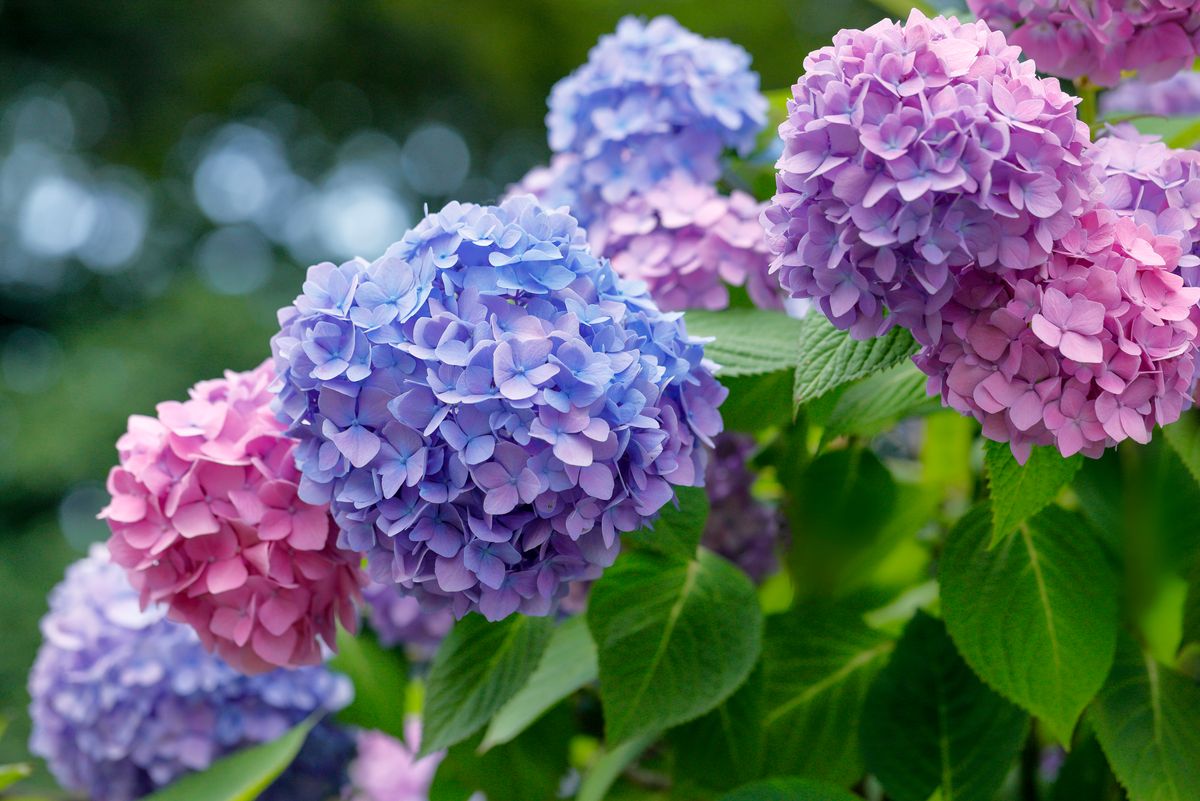
Hydrangeas can be spectacular if you act now
Gardeners across the UK are being urged not to put their secateurs away just yet. While many assume pruning season is over once roses have been tackled, experts say there is a short but crucial window in late winter and very early spring to cut back several other popular shrubs and fruit bushes before growth properly kicks in.
Miss it, and you could be looking at fewer blooms, smaller harvests and leggy, overcrowded plants come summer. According to Ali Lijee, garden expert at TreeMend, this is the moment many people get wrong. “Once buds start swelling and new growth is visible, you’ve largely missed your chance for proper structural pruning,” Ali said. “Late winter is your last opportunity to shape certain shrubs and fruit bushes while they’re still dormant. If you delay, you risk cutting off this year’s flowers or weakening the plant.”
Ali says roses tend to steal the spotlight, but several other plants quietly depend on a timely prune. “People focus heavily on roses in February, which is great,” he says. “But buddleia, some hydrangeas, and soft fruit like gooseberries and currants are often overlooked. These plants benefit hugely from a late winter tidy-up.”
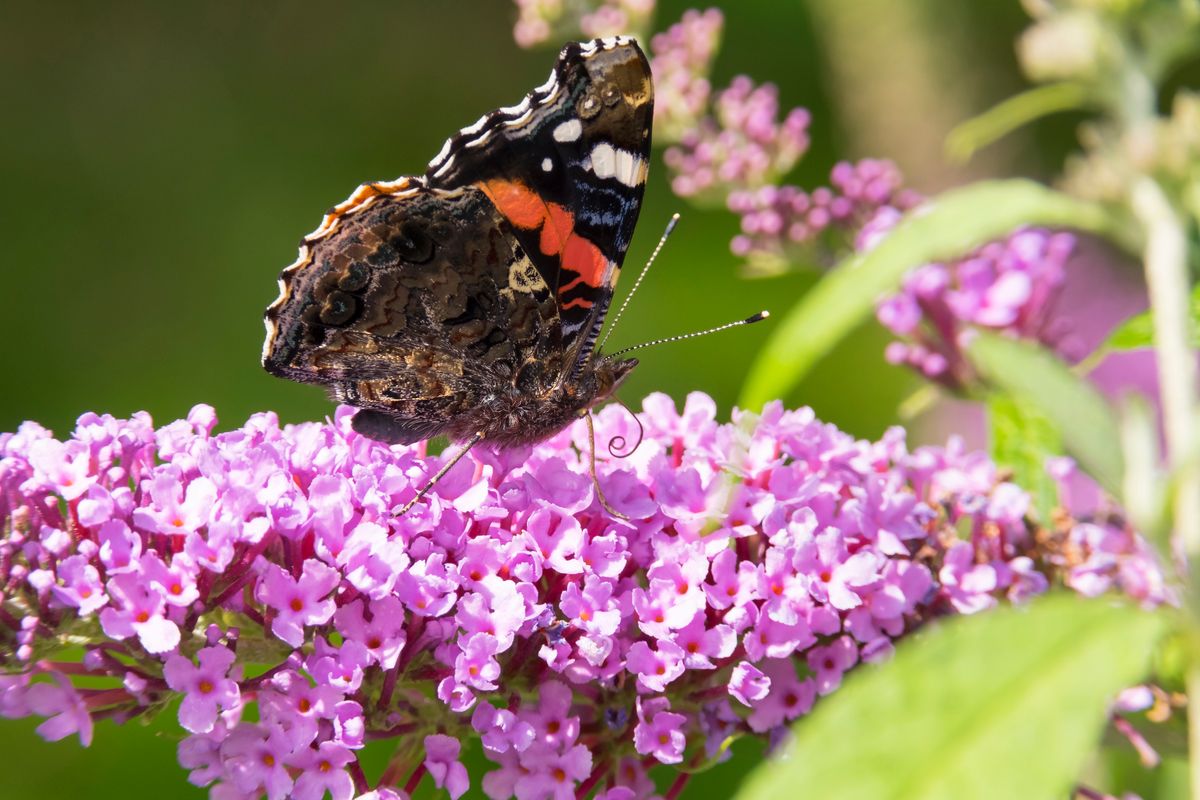
Buddleia needs to be cut back in early spring
He said the reason timing matters is simple. “When a plant is dormant, it’s under less stress. Pruning now encourages strong, healthy new shoots once temperatures rise. If you wait until the plant is already putting energy into new growth, you’re effectively wasting that energy and setting it back.”
Buddleia needs a hard cut now
Buddleia, often known as the butterfly bush, is one plant Ali says should be cut back firmly before spring gets going. “Buddleia flowers on new wood,” Ali explains. “That means the blooms you’ll see in summer grow on shoots produced this year. If you want those big, dramatic flower spikes, you need to cut it back hard now.”
Ali recommends reducing last year’s growth to around 30cm to 60cm from the ground, depending on the plant’s size and strength. “It can look brutal,” he admits. “But buddleia responds very well to a strong prune. If you leave it untouched, it becomes tall, woody and sparse at the base, with fewer flowers at eye level.”
Not all hydrangeas are the same
Hydrangeas are another area where gardeners often make mistakes. “The key thing with hydrangeas is knowing which type you have,” Ali said. “Hydrangea paniculata and hydrangea arborescens flower on new growth, so they can be pruned now without sacrificing blooms.”
He advises cutting these back to a healthy pair of buds lower down the stem to encourage sturdy new shoots. “However, hydrangea macrophylla, the classic mophead type, flowers on old wood. If you cut those hard now, you could remove this year’s flower buds. With those, you should only remove dead or damaged stems at this stage.”
Ali says many disappointed gardeners unknowingly cut away their summer display. “It’s one of the most common pruning errors I see. A little research before you cut makes all the difference.”
Don’t forget your fruit bushes
Beyond ornamental shrubs, Ali says fruit growers have just as much to gain from acting now. “Gooseberries and currants should be pruned in late winter while they’re still dormant,” he explains. “If you leave them too late and the sap is rising, you can stress the plant and reduce cropping potential.”
The aim with gooseberries is to create an open, goblet shape. “You want good airflow through the centre,” Ali said. “Remove crossing branches and any low stems that will drag fruit onto the soil. This helps reduce disease and makes harvesting much easier.”
For blackcurrants, the approach is slightly different. “Blackcurrants fruit best on younger wood,” he explains. “So you should remove some of the oldest stems right down to the base each year. That encourages fresh shoots, which will carry the best fruit.”
Red and white currants, on the other hand, benefit from shortening side shoots and maintaining a more structured framework. “Each fruit bush has its own pruning style,” Ali saif. “But the common thread is timing. Late winter is when you can shape them properly without interrupting active growth.”
Ali believes this period is often underestimated because gardens still look quiet. “In March, everything still feels quite subdued,” he said. “But beneath the surface, plants are preparing to burst into growth. A well-timed prune now channels that energy into the right places.”
He also points out that pruning improves plant health, not just appearance. “Opening up shrubs allows light and air to circulate. That reduces the risk of fungal diseases, which are common in the UK’s damp climate. It also prevents overcrowding, which can sap a plant’s strength.”
Comments are closed.