
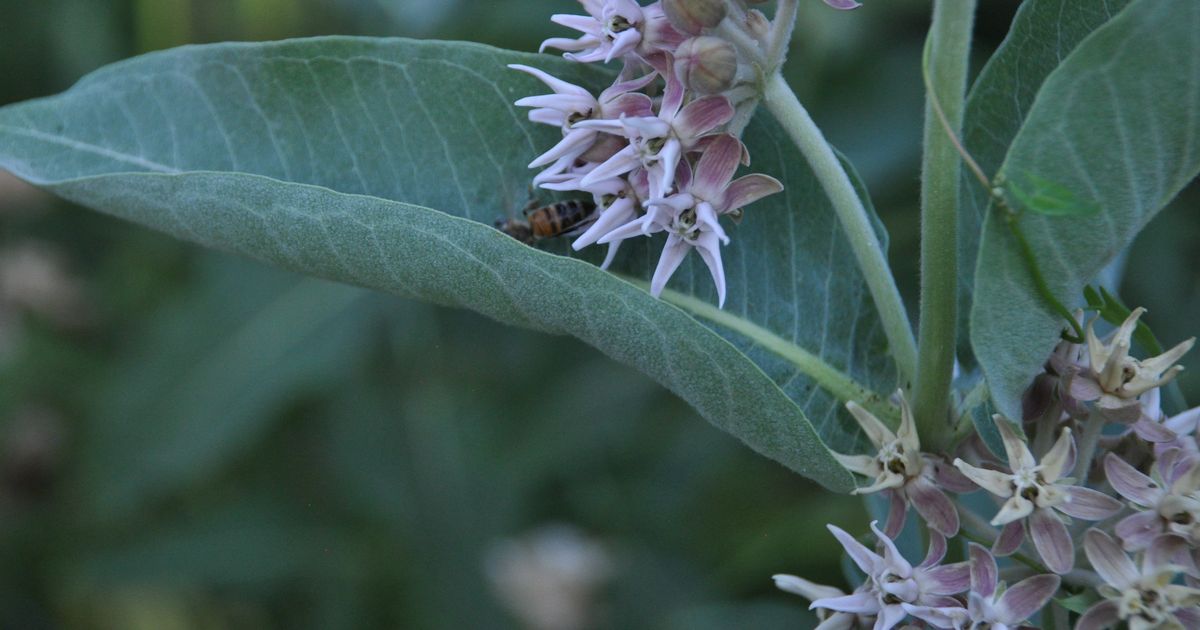
As you start planning your garden beds this year, make sure you include a good assortment of native plants that support our native pollinators in your plans. Native plants have evolved with our native insects over time, creating a balanced habitat that provides shelter, food, water and breeding space. Gardens planted with native plants attract and keep larger populations of pollinators than a garden full of conventional plants.
Pollinators include not only the nonnative honey bees we are familiar with but also native solitary bees like mason and leafcutter bees, bumblebees, moths, butterflies, beetles, flies, wasps, birds and bats. Each insect seeks out a different palate of plants to meet its needs, making it important to provide a wide selection of different options. In doing this, we create a web of plants and a wide spot along the highway system that the pollinators follow through the broader landscape.
There are dozens of flowering native perennials and shrubs that can be adapted to a home garden and mixed with conventional perennials and shrubs with the same growing needs. These conventional plants I like to call allied plants because they can extend your plant palette.
Native perennials and shrubs can be found in garden centers, but you will find a broader selection at nurseries that specialize in natives. Locally, the best choices are Plants of the Wild in Tekoa and Cedar Mountain Perennials in Athol. Plants of the Wild is by mail order while Cedar Mountain is open for direct retail sales. The Spokane Conservation District annual plant sale is open now for online orders through March 6. Conservation district plants come as bareroot bundles of three to five plants or in small pots. Plants will be available for pickup only April 10-11.
Sadly, we said good bye to two local native plant nurseries at the end of 2025. Thank you Blue Moon and Desert Jewels nurseries for your many years of supplying us with native plants and advice on how to include them in our gardens. Not all is lost, though. Humbirds Native Plants will open this spring in northeast Spokane under tutelage of the Desert Jewels staff. Stay tuned here for more information.
Finding plants that fit your garden conditions will take some research and visits to local native plant nurseries. One challenge with using natives is that they can be a little demanding to establish so do your homework on their soil and watering requirements is important. Even though they are adapted to local conditions, native plants will need regular watering for two years to get them established. After that, regular watering may only be needed during the hottest part of the summer.
There are three ways to establish native plants: seed, bareroot or potted plants. I prefer using bareroot or potted plants because they are easily established and easier to identify amongst the weeds. Using native seed can be a challenge given unpredictable germination rates, competition with weeds that are inevitable and the uncertainty of rains.
Comments are closed.